REVIEW · WEERAWILA
Bundala National Park Safari – Birding Paradise Tour
Book on GetYourGuide →Operated by Shehan Safari Jeep Tours · Bookable on GetYourGuide
A jeep through Bundala can turn your day around fast. This Birding Paradise safari in southern Sri Lanka is built for golden-hour sightings, with a local English-speaking guide helping you read the wetlands and thorn-scrub edges. I like that you’re focusing on real habitat (marsh, lagoon, dunes), not just random driving, and I like the small-group feel that makes it easier to pause, scan, and photograph. One drawback to plan for: the park entrance fee is not included, and you’ll want to confirm the amount before paying.
Bundala National Park is one of those places where birds do not wait for you to be ready. The tour uses short, efficient timing (3 hours) plus the right light to maximize your odds of spotting everything from migratory flocks to shy mammals. Keep in mind that food and drinks aren’t part of the package, so you’ll want to handle basic needs before you go.
In This Review
- Key highlights at a glance
- Why Bundala’s wetlands are a birding magnet
- Golden hours and how the 3-hour timing works
- Getting there: pickup around Tissamaharama/Weerawila or the gate
- Inside the safari jeep: habitats you’ll ride through
- Wildlife targets: mammals, birds, and aquatic stars
- Mammals: the shy, the curious, and the occasional surprise
- Birds: a numbers game you’ll actually notice
- Aquatic wildlife: the lagoon ecosystem matters
- Price and value: $43 for a 3-hour jeep safari
- What I’d do to improve your odds (and avoid hassles)
- Confirm the park entrance fee before you hand over cash
- Lean into the guide’s scanning and careful driving
- Bring your basics since food and drinks aren’t included
- Should you book the Bundala Birding Paradise safari?
- FAQ
- How long is the Bundala National Park safari?
- Where does pickup happen for this tour?
- Is the safari offered in the morning and evening?
- What’s included in the price?
- Are park entrance fees included?
- Are food and drinks included?
- What wildlife and birds can I expect to see?
- Is this a small group?
Key highlights at a glance
- Golden hours for birds and mammals: built around the light when animals are most active
- Small group safari jeep: up to 6 passengers, so the guide can manage spotting and stops
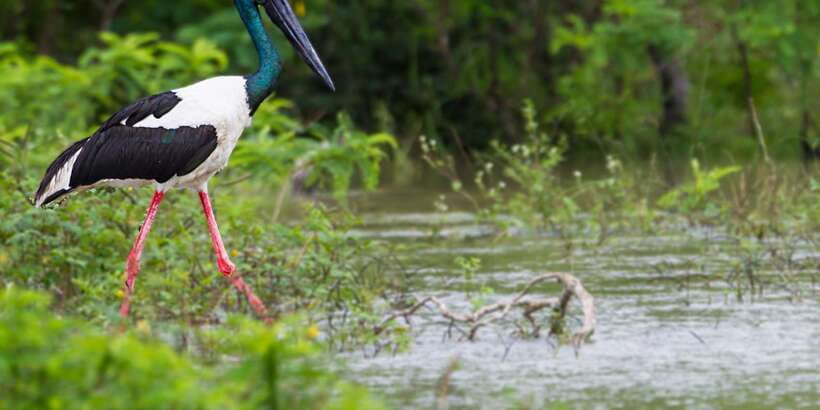
- Serious birding numbers: up to 200 bird species and migratory birds from September to March (up to 10,000)
- Multi-habitat driving route: thorny shrubs, swampy marshlands, lagoons, and golden sand dunes
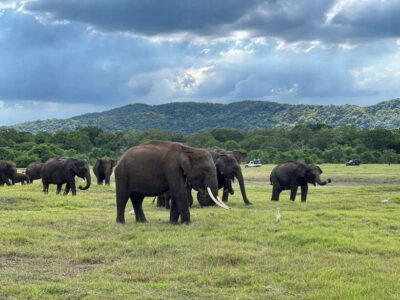
- Wetland wildlife focus: mammals like spotted deer, wild boar, mongoose, and the endemic jackal
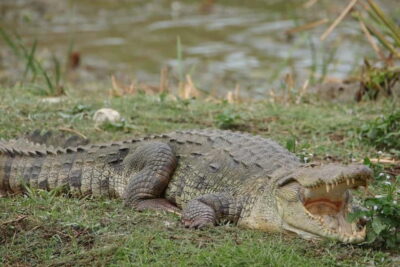
- Aquatic ecosystem sightings: turtles and crocodiles can appear around the water areas
Why Bundala’s wetlands are a birding magnet
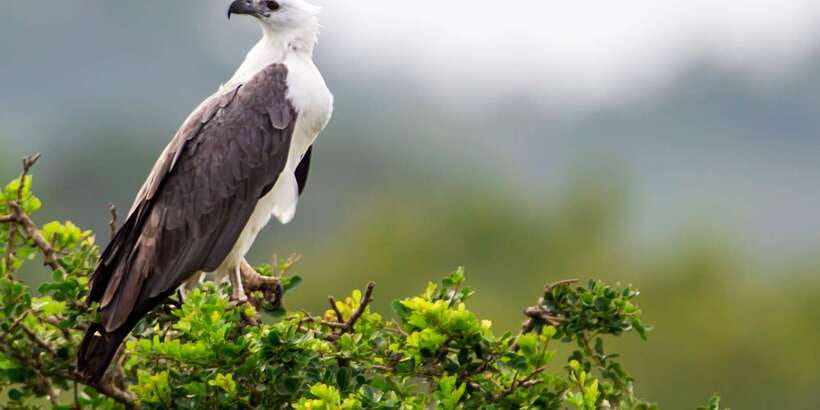
If you care about birds, Bundala is the kind of park that makes you slow down. The tour is designed around the park’s wetland system—brackish lagoons, marshy edges, and open stretches—because different species use different micro-habitats. That’s the core value here: you’re not just searching; you’re learning how the environment concentrates wildlife.
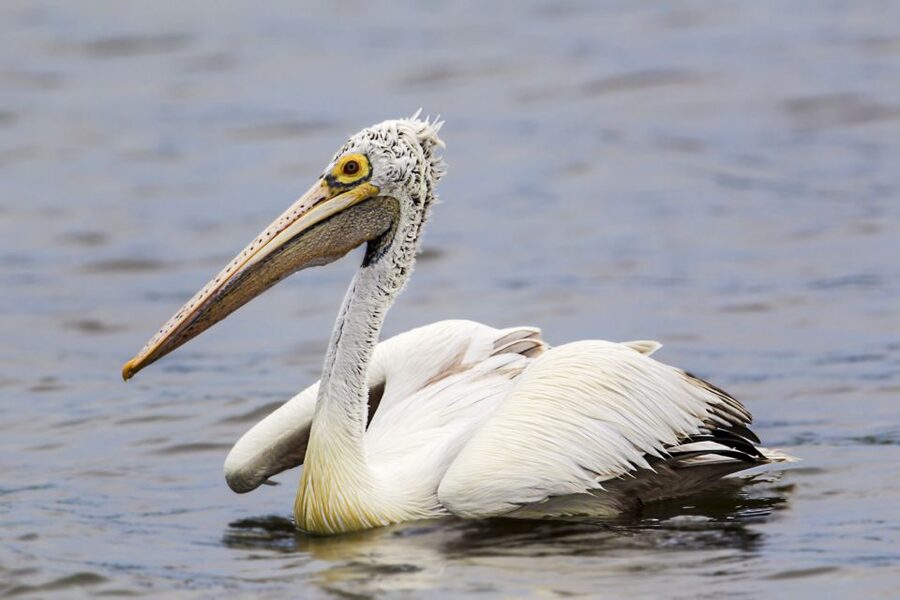
Bundala is described as home to 32 species of mammals and 200 bird species, and the seasonal draw is huge. From September to March, migratory birds can surge, with up to 10,000 moving through the area. Practically, that means if your trip overlaps these months, your chance of seeing standout birds goes up, and the guide’s job becomes a lot more interesting: identifying species by habitat and behavior.
You’ll also be exposed to more than birds. The park’s wetlands support aquatic life, and the tour route is framed to give you chances at turtles and crocodiles—plus mammals that range from cautious to surprisingly bold. Even if you’re a casual nature watcher, the variety is what keeps the 3 hours from feeling rushed.
Golden hours and how the 3-hour timing works
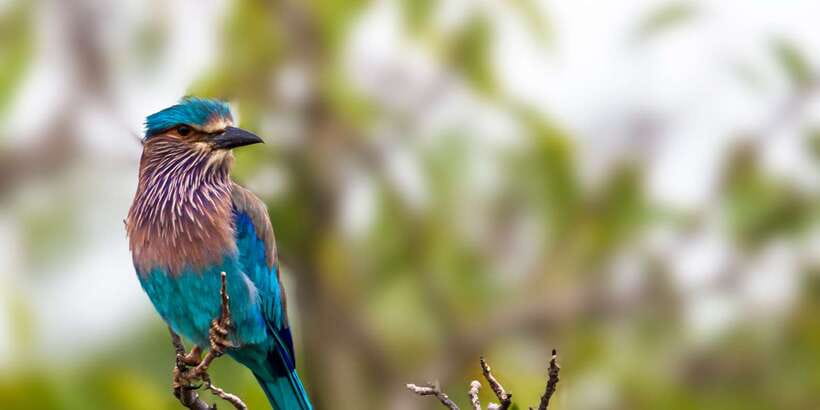
This safari runs in a 3-hour window, either morning or evening. That matters because golden hours are when light softens and wildlife activity often increases. For birding, the early and late hours tend to make birds easier to spot—because they move more, and because shadows help you see the shape and perch location.
The structure is simple: you enter the park and spend your time on the ground doing slow searching from the jeep. Bundala’s terrain includes thorny shrubs and marshy zones, so the guide isn’t doing fast sightseeing. The goal is positioning—getting you into areas where birds feed, birds rest, and animals cross.
A small-group setup (max 6) helps here. When the jeep is crowded, someone always misses a sighting. With fewer people, the guide can manage attention, suggest where to look next, and pause long enough for you to get a proper moment.
Getting there: pickup around Tissamaharama/Weerawila or the gate
Most people base themselves around Tissamaharama or Weerawila, and this tour meets you there. Pickup is offered from hotels in those areas, and you can also start at the Bundala National Park gate if that’s easier for your schedule.
That flexibility is genuinely useful. If you’re hopping between stops in southern Sri Lanka, it’s nice to avoid a rigid meeting point far away. If you’re already near the park, starting at the gate can reduce travel time and keep your 3 hours focused.
One thing to watch: pickup outside the Tissamaharama/Weerawila zone is available for an additional charge. So if you’re staying elsewhere, you’ll want to ask your provider for the extra cost before you lock in the day. It’s the difference between feeling efficient and feeling like you’re paying for transport you didn’t plan on.
Inside the safari jeep: habitats you’ll ride through
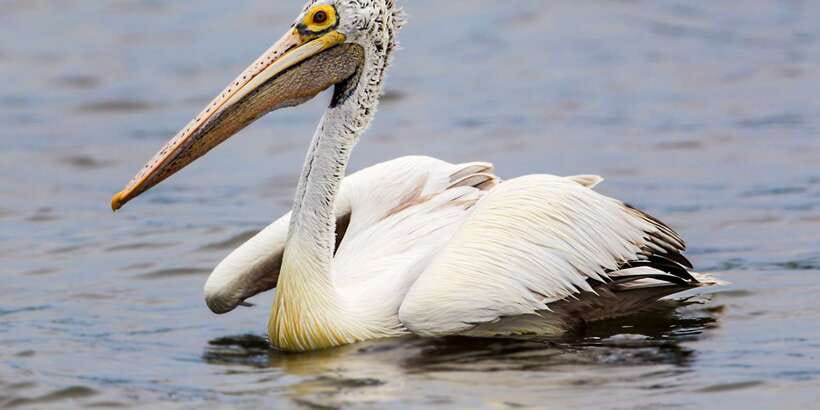
The safari route is described as moving through a mix of thorny shrubs, swampy marshlands, scenic lagoons, and golden sand dunes. That mix is important. Bundala isn’t one single “look.” It’s a patchwork of habitats, and wildlife uses them like a map.
Expect the jeep driving to be careful, not reckless. The terrain can be muddy and uneven, and that slow, steady approach is part of the spotting strategy. You’re there to let the guide scan ahead, check likely spots at each habitat edge, and respond when something appears.
What you’ll feel on the ground is a transition from land to water influence. Marshland edges often act like feeding zones; lagoon areas can attract birds and aquatic creatures; dunes can offer open lines of sight. Because the guide is working habitat-first, your chances improve. You’re matching animal behavior to the place you’re in, rather than guessing blindly.
Also, note the tour is led by a live English guide (and the small group supports that). In the best moments, you’ll get practical explanations of what you’re seeing—why that bird is there, or what the water area supports. That extra context makes the viewing more satisfying, especially if you’re not a hardcore birder.
Wildlife targets: mammals, birds, and aquatic stars
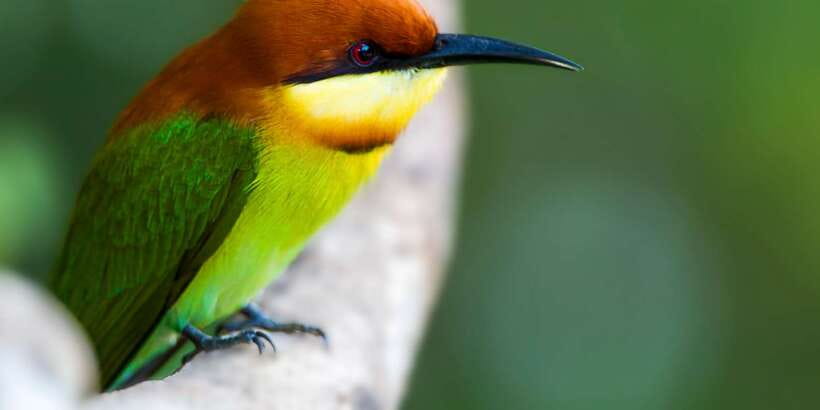
Let’s talk about what you can reasonably hope to see, since Bundala’s fame is based on real wildlife. The tour highlights species categories that fit the park’s wetland ecology.
Mammals: the shy, the curious, and the occasional surprise
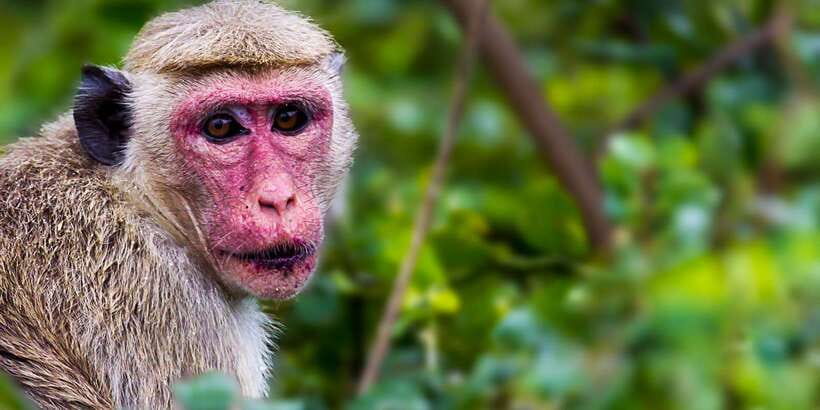
Bundala is listed as home to 32 mammal species, with chances to see animals like wild boar, porcupine, spotted deer, mongoose, wild buffalo, and the endemic jackal. The tour also calls out fishing cat and rusty-spotted cat—both are the kind of animals bird-and-wildlife photographers dream about, because they connect the water and hunting behavior.
In practice, mammal sightings can be less predictable than birds. But the guide’s job is to keep your jeep moving through the right habitat edges and to slow down when conditions look promising. If you’re hoping for mammals, the golden hours approach helps—animals often move more when light and temperature feel right.
Birds: a numbers game you’ll actually notice
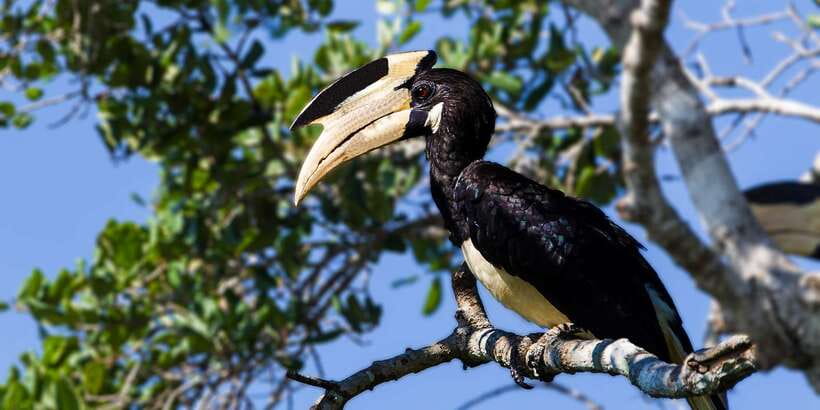
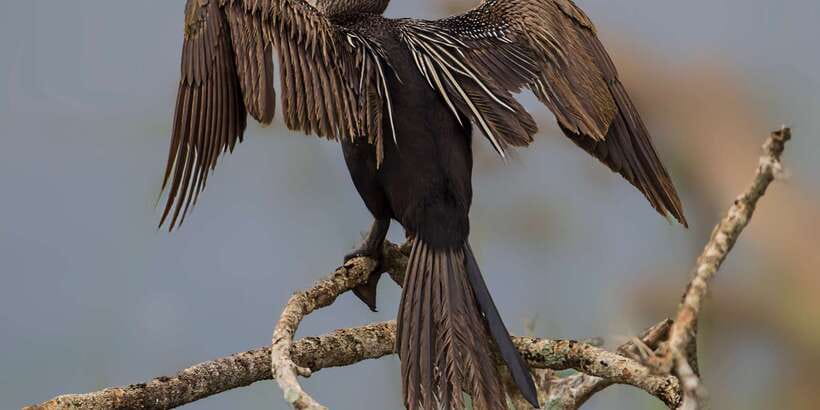
You’re promised up to 200 bird species, and migratory activity can be intense between September and March. The tour’s value is that it focuses on where birds feed and rest: wetlands, lagoon edges, and open viewing zones.
Birding in a safari jeep is also about scanning technique. A good guide doesn’t just point. They help you interpret: where the bird is likely to be, how to distinguish similar shapes, and when to expect movement. That’s the difference between seeing a few birds and getting a steady run of sightings.
Aquatic wildlife: the lagoon ecosystem matters
Bundala’s brackish lagoon is described as a key piece of the ecosystem. That’s not just trivia. Aquatic zones draw predators and prey, and that can connect to bird activity too. The tour specifically mentions chances to see rare types of turtles and crocodiles.
So if you like the idea of a safari where water is part of the story—not just the background—this is built for you. And even if you don’t get a crocodile moment, the ecosystem awareness adds depth to the trip.
Price and value: $43 for a 3-hour jeep safari
At $43 per person for a 3-hour safari, the big question is value: what are you paying for, and what do you still need to budget for?
Here’s the trade-off as clearly as possible:
- You get hotel pickup (in the Tissamaharama/Weerawila area) or pickup at the Bundala gate.
- You get transportation in a safari jeep with a maximum of 6 passengers per jeep.
- You get an English live guide for your search and habitat reading.
- You do not get the park entrance fee.
- You do not get food or drinks.
That entrance fee and day logistics can change the true cost. In fact, one past booking experience highlighted a mismatch in the entrance amount requested by the guide, compared with the lower figure encountered elsewhere. The takeaway for you is simple: before you pay, confirm the entrance fee you’re being charged and what it covers. Don’t assume it’s automatic or consistent.
Still, even with the entrance fee added, the tour can be good value if:
- you want a short, high-impact outing from Tissamaharama/Weerawila
- you care about birds and want an English guide helping you spot and interpret
- you prefer a small group over a crowded bus or car pool
It’s not a full-day expedition, so you shouldn’t expect everything. But for a focused birding safari with habitat-driven driving, the price-to-time ratio can work well.
What I’d do to improve your odds (and avoid hassles)
This safari’s success comes down to two things: timing and coordination with your guide. The timing is handled for you by the golden-hour morning/evening option. The coordination part is where you can take control.
Confirm the park entrance fee before you hand over cash
Because the park entrance fee is not included, you’ll pay separately at some point. If you want fewer surprises, ask the guide early:
- what entrance fee you’ll pay
- how it’s calculated (per person)
- the total amount before entering
One booking story suggested a higher figure being requested than what was seen on the day for another person. It doesn’t mean this always happens, but it’s enough to justify your caution.
Lean into the guide’s scanning and careful driving
One of the strongest signals from guide performance is how they handle slow, methodical searching. A past experience with a guide named Hishan emphasized careful, slow driving while identifying birds. That’s what you want: the jeep moving at a pace that makes sightings possible, not just passing the scenery.
In another experience, the person guiding from the vehicle found a lot of birds and other animals (including buffaloes, monkeys, and lizards) even on difficult muddy surfaces. The point for you: muddy terrain isn’t a problem if the guide drives like they’re searching, not racing.
Bring your basics since food and drinks aren’t included
This one’s straightforward. Food and drinks aren’t part of the tour, so plan your water and snacks around the morning/evening start. If you’re sensitive to sun or heat, bring what you normally use on outdoor walks. A 3-hour safari can still feel long if you’re underprepared.
Should you book the Bundala Birding Paradise safari?
Book it if your top goal is short, guided birding in a real wetland system. This is especially worth it if you’re staying in or near Tissamaharama/Weerawila and want a structured 3-hour plan that uses golden hours and a small jeep group.
Skip or reconsider if:
- you’re uncomfortable paying extra for the park entrance fee at the start of the day
- you’re looking for a long multi-stop wildlife circuit (this is 3 hours, not a full-day expedition)
- you prefer a completely hands-off experience with no habitat explanation from a guide
If you do book, I’d go in with one simple mindset: trust the habitat. When the guide slows down and scans the marsh and lagoon edges, that’s usually where the “good stuff” lives in Bundala. And if you’re lucky enough to hit peak migratory season, your odds of standout bird sightings rise fast.
FAQ
How long is the Bundala National Park safari?
The safari lasts 3 hours.
Where does pickup happen for this tour?
Pickup is available from hotels in the Tissamaharama/Weerawila area or you can pick up at the Bundala National Park gate.
Is the safari offered in the morning and evening?
Yes. You can choose either a 3-hour morning or evening safari.
What’s included in the price?
Included are hotel pickup (in the specified areas), transportation in a safari jeep (max 6 passengers), and a live English tour guide.
Are park entrance fees included?
No, park entrance fees are not included.
Are food and drinks included?
No, food and drinks are not included.
What wildlife and birds can I expect to see?
The tour focuses on the park’s mammals and birds, with the chance to spot species such as wild boar, porcupine, spotted deer, mongoose, wild buffalo, the endemic jackal, fishing and rusty-spotted cats, plus many bird species and aquatic wildlife like turtles and crocodiles.
Is this a small group?
Yes. It’s limited to a small group, with a maximum of 6 participants per jeep.