REVIEW · BRYCE CANYON CITY
Bryce Canyon National Park Hiking Experience
Book on GetYourGuide →Operated by Bryce Canyon Scenic Tours · Bookable on GetYourGuide
Hoodoos make Bryce Canyon feel unreal. On this guided hike, you move over easy-to-moderate trails to see pink-crested amphitheaters up close, plus the 50-million-year geology that shaped everything you’re looking at. It’s not just a drive-by. It’s walking time, viewpoints, and real canyon scale.
I especially like the way the guides connect what you see to what it means. Guides such as Oscar and Kevin (and also locals like Mabry) explain what a hoodoo is, how the canyon got its name, and how Native Americans used this area long before there were overlooks and trails. That turns the hike into a story you can follow with your feet.
One consideration: Bryce Canyon admission fees aren’t included, and the hike includes more than 1,000 feet of altitude change. You’ll want to plan for heat or rain that still happens as long as conditions are safe, and remember the 5 hours can stretch up to an extra hour.
In This Review
- Key highlights I’d plan around
- Why Bryce Canyon’s hoodoos look different when you hike
- 5 hours sounds short. Here’s what it feels like
- Meeting outside the park: plan your first 10 minutes
- The geology walk: 50-million-year formations and pink amphitheaters
- Queen’s Garden and Mossy Cave-style stops: where the trail earns its photos
- Hoodoo-filled slot canyons: walking where you usually only look
- Local guide stories: Native history, canyon names, and plant details
- Pace, altitude, and who should book this hike
- Price and value: what $120 gets you (and what it doesn’t)
- Practical tips so you enjoy every step
- Should you book this Bryce Canyon Scenic Tours hiking tour?
- FAQ
- Is Bryce Canyon admission included in the tour price?
- How long is the guided hike?
- How many people are in the group?
- What fitness level do I need?
- Does the tour run if it rains?
- What should I bring, and what footwear is required?
- Where do I meet the guide?
Key highlights I’d plan around
- Small group size (9 max) means you’re not just herded from stop to stop
- Hoodoo-filled slot canyon walking gives you angles you can’t get from the rim
- View stops like Queen’s Garden and Mossy Cave help you pace the day and catch the best photo moments
- Guide storytelling tied to geology and Native history makes the canyon easier to understand
- Snacks and bottled water included, so you can stay focused on the trail
- Route flexibility can happen due to trail conditions or closures, so build a little wiggle room
Why Bryce Canyon’s hoodoos look different when you hike
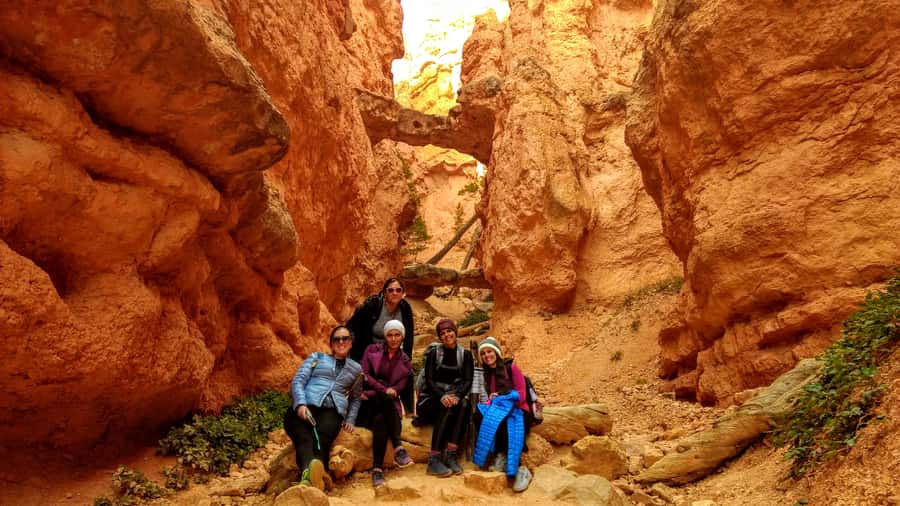
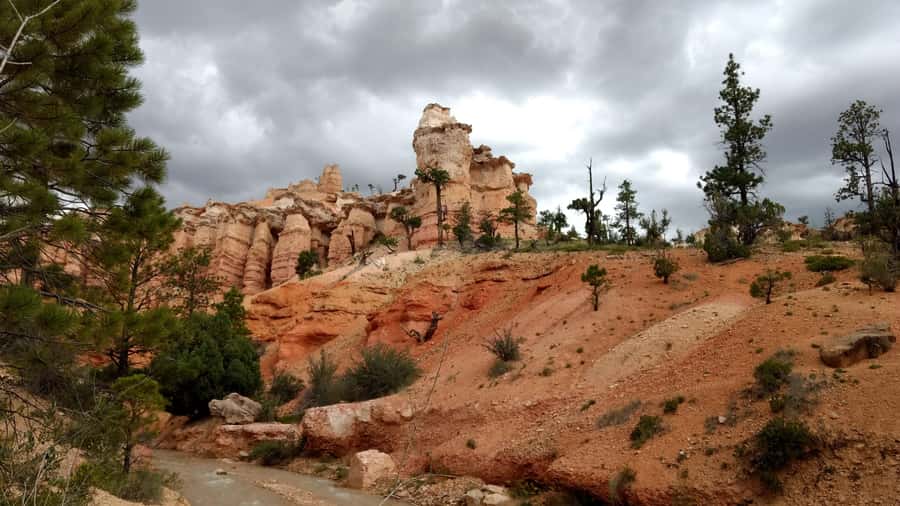
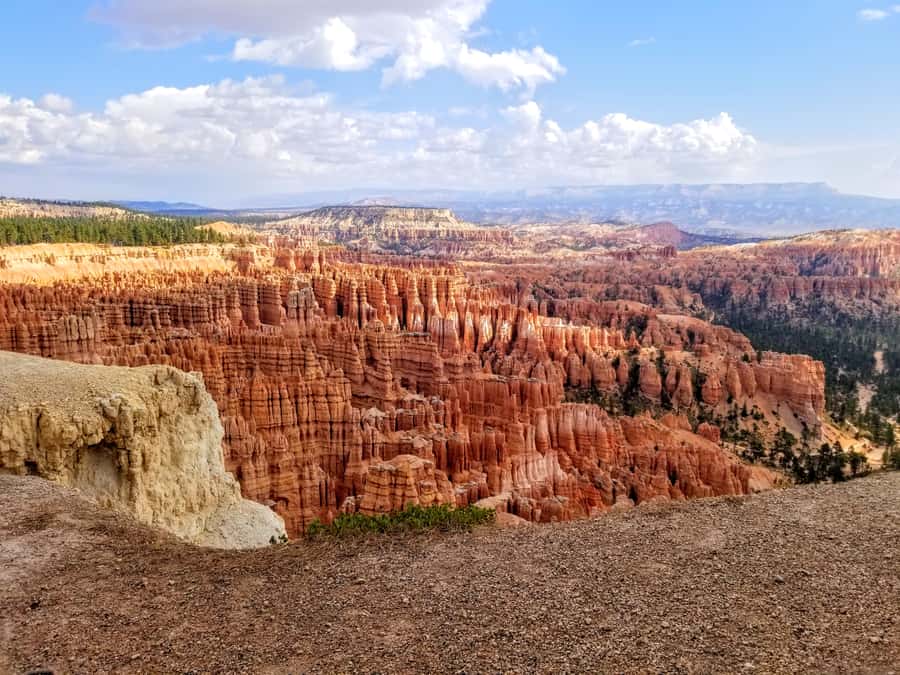
Bryce Canyon is famous for hoodoos, those thin, jagged rock towers that look like someone forgot to finish a sculpture. From the rim, they can feel like art. On foot, they feel physical—close enough that you start noticing the layers, the erosion patterns, and how the canyon funnels wind and light.
This tour is built for that shift from seeing to noticing. You’ll walk trails that are described as easy to moderate, but the canyon still demands respect. You’ll go through geological formations that are over 50 million years old, and the guide keeps bringing you back to what you’re looking at, from rock shapes to plant life you might otherwise ignore.
If you want a Bryce Canyon experience that’s more than a checkmark photo, hiking is the move. And this one keeps you out of the “just follow the person in front of you” trap.
You can also read our reviews of more tours and experiences in Bryce Canyon City.
5 hours sounds short. Here’s what it feels like
The scheduled duration is 5 hours, usually in the morning. In real terms, you’ll likely spend a good chunk of that time walking, with extra minutes for viewpoints, explanations, and photo stops. One helpful clue from past hikers: the guided hike portion can be around 4 hours, with the rest being tour start-up and movement.
The tour can last up to 1 hour longer if conditions require it. That’s not a problem if you think of it as part of the experience—more time to see the details, and more time for breaks. It’s a consideration if your day is packed with other plans right after.
You should also expect changes in altitude of over 1,000 feet (305 meters). Even when trails feel manageable, going down and back up in a desert canyon is its own workout. This is not a stroller-friendly outing and it’s not a “wander for an hour” kind of activity—plan for hiking shoes, steady pace, and the payoff of earned views.
Meeting outside the park: plan your first 10 minutes
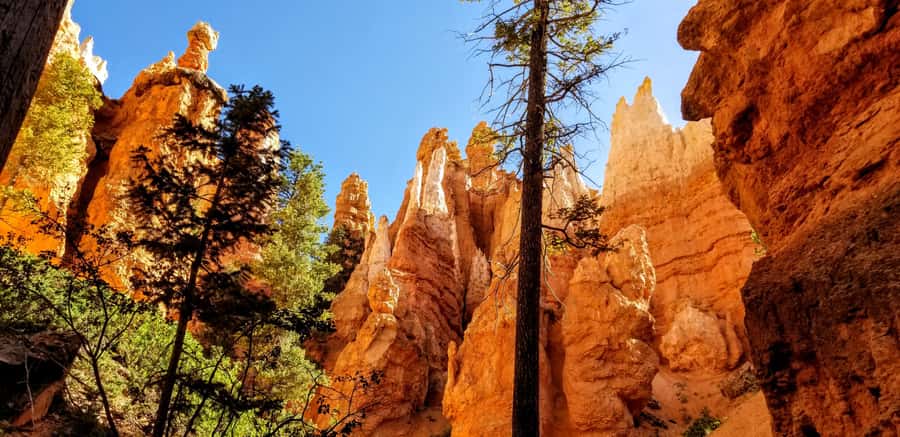
The meeting point is not inside Bryce Canyon National Park. You’ll find the provider’s office on the same property as Bryce Wildlife Adventure. Enter the parking lot, then look for the first building on the right.
A few practical tips matter here. Use regular maps instead of Waze for the approach, and don’t follow any dirt road north just because it looks like the shortest line. The whole point of this setup is simple: you meet near services, then you go into the park area for the hike.
Also, start with the right footwear from the beginning. Open-toed shoes aren’t allowed, and hiking shoes are the best bet. If you’re even slightly unsure, tighten your laces. Bryce trails don’t care about fashion.
The geology walk: 50-million-year formations and pink amphitheaters
This tour doesn’t treat geology like a lecture. It treats it like clues. As you hike, you’ll learn what shaped these rock features over time, and you’ll connect the hoodoos and amphitheaters to the bigger story of erosion and deposition.
You’ll also spend time taking in the signature pink-crested amphitheaters. The color isn’t random. The guide helps you understand why the rock looks the way it does and what that tells you about the canyon’s past. This is the kind of explanation that makes you look longer at the rocks than you planned to.
There’s a reason this part earns such strong praise. Guides are great when they do two things: point out specifics and answer the follow-up questions. Past hikers highlight guides who point out features in the geography and keep the explanations practical enough that even non-geology people feel like they’re catching on.
Queen’s Garden and Mossy Cave-style stops: where the trail earns its photos
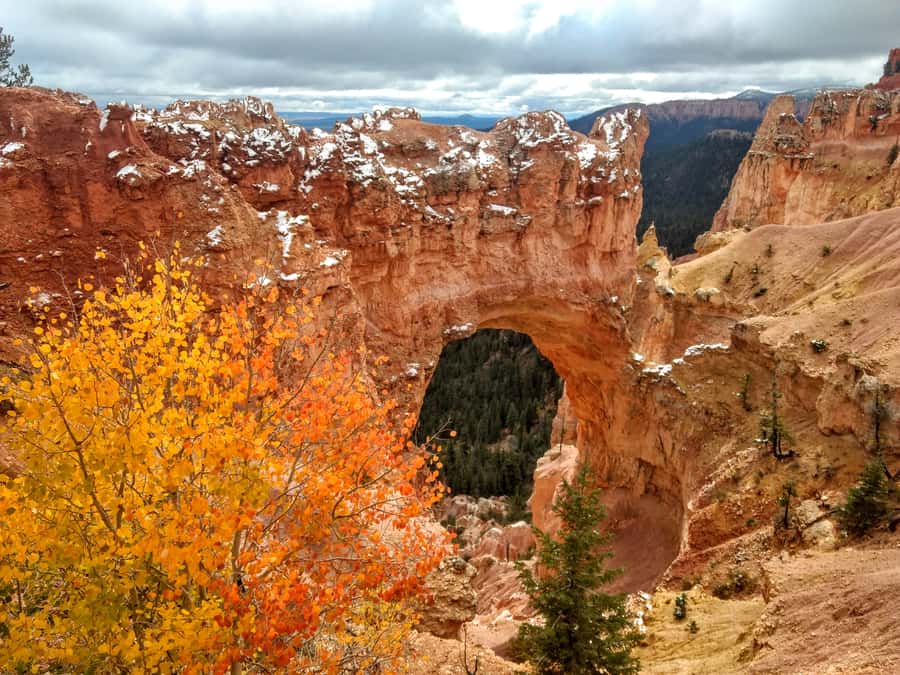
You’ll make time for must-see viewpoints, and two areas come up repeatedly for good reason: Queen’s Garden and Mossy Cave. These sections are popular because they offer variety. You get different angles on the hoodoos, plus stretches where the canyon walls pull your eyes forward.
Queen’s Garden is the kind of place where you slow down without realizing it. The rock formations feel close, and you can frame shots in ways the rim overlooks can’t match. Mossy Cave adds a different mood—still in the same hoodoo world, but with more of that sheltered canyon feel.
The value here isn’t just that the views are pretty. It’s that the guide helps you use the trail like a camera tour: stop at the moment the light works, look for patterns you can explain, and then keep moving before the moment passes.
You’ll also get pacing help. Several hikers describe guides taking breaks in smarter spots—shaded areas when the day runs hot—and building in time for questions.
Hoodoo-filled slot canyons: walking where you usually only look
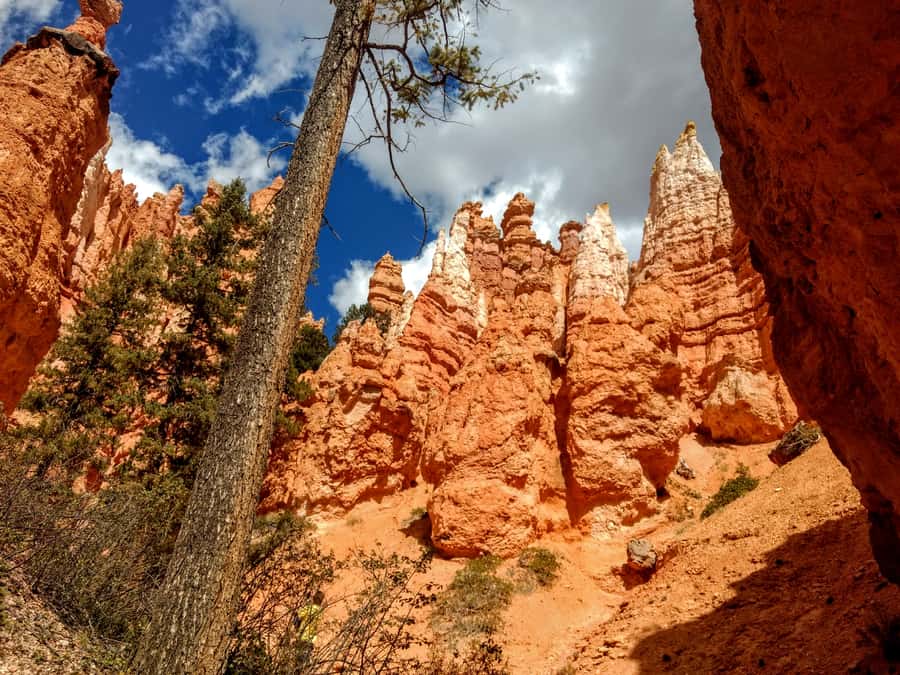
One of the most exciting parts of this hike is that it goes beyond rim viewing. You’ll climb through hoodoo-filled slot canyons, and that’s where the canyon turns from scenery into terrain.
Slot canyons change how you experience space. Your body gets involved—hands steadying balance on uneven ground, attention focused on footing, and eyes tracking walls that loom closer than you expect. Even on easy-to-moderate trails, this is where you feel the verticality and the texture of the rock.
This section is also where a guide becomes more than a storyteller. They help you choose the best lines on the trail, keep the pace comfortable, and explain what you’re seeing in a way that makes you want to look up while you walk.
If you’re a moderate hiker, this is a sweet spot: active enough to feel like you did the park, but supported enough that most people can handle it with the right shoes and a steady pace.
Local guide stories: Native history, canyon names, and plant details
The strongest theme across high ratings is simple: the guides make Bryce Canyon understandable and personal. You learn about what a hoodoo is and how the area got its name. You also hear about the Native Americans who called the region home, which grounds the park in real human history rather than only geology.
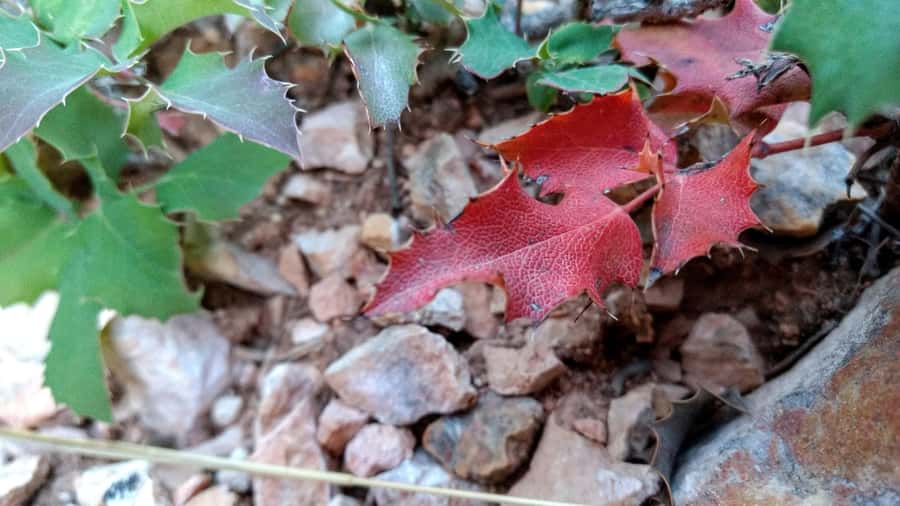
One reason I’d choose a guided hike here is the plant and animal talk. Bryce is full of small details that don’t announce themselves. When your guide points out local plants and explains how people used them historically, you start spotting patterns you didn’t know to look for.
Some past groups also describe deeper plant discussions, including medicinal uses shared by the guide. Even if you’re not a “nature notes” person, these facts add texture to the canyon and make the time feel purposeful.
And then there’s the enthusiasm factor. Guides like Oscar are praised for storytelling that keeps kids engaged, and for answering question after question without rushing anyone. If you’re traveling with teens or grandparents, that kind of energy matters.
Pace, altitude, and who should book this hike
This is a hiking tour through a canyon environment, so the right fit comes down to comfort with uphill and uneven terrain. You should be ready for:
- More than 1,000 feet of altitude change on the itinerary
- Time spent climbing back up after walking down into canyon areas
- Conditions that can change due to trail closures or rough ground
The upside: you’re not thrown into the deep end. Past hikers report guides offering options for hiking pace and for routes that match ability. One group even included an older hiker with a bad knee, and the guide adapted well.
If you’re a casual hiker who can handle a couple of steady climbs, you’ll likely feel good about this tour. If you’re expecting flat and easy, you may find it tougher than you wanted. The terrain is more demanding than a sidewalk walk, even when trails are rated easy to moderate.
One smart tip from experience: starting early helps. A past hiker recommended beginning around 8 am instead of later starts to avoid excessive heat. Morning is when you’ll usually feel fresh and when the canyon holds onto cooler air a bit longer.
Price and value: what $120 gets you (and what it doesn’t)
At $120 per person for about 5 hours, this isn’t a bargain DIY outing. But you’re paying for three things that add real value in Bryce Canyon:
- A live guide with local knowledge who helps you understand the geology, the hoodoos, and the human history
- A small group size (limited to 9 participants), which usually means more questions answered and fewer “go-go-go” moments
- Snacks and bottled water included, which keeps the hike comfortable and reduces decisions mid-trail
What you don’t get is the park admission. That’s important for your planning math. Still, even with admission added, the guided experience can be worth it if you care about seeing more than the rim view and you want explanations that turn the canyon into something you can actually talk about afterward.
If you’re the type who enjoys learning while moving, this tour is a strong value. If you just want a quick hike with minimal talk, you might find a self-guided route cheaper—though you’ll lose the storytelling and guidance that make many people call this a highlight.
Practical tips so you enjoy every step
A few details make a big difference on a canyon hike:
- Bring a camera. Guides often point out photo moments, and you’ll have chances to stop at viewpoints
- Wear hiking shoes and avoid anything with open toes
- Dress in weather-appropriate layers. The tour runs rain or shine if conditions are safe
- Expect trail changes. Closures and rough conditions can adjust the exact route
- Bring patience for altitude. A steady pace matters more than speed
Also, do a quick gear check before you leave your room. Water is included, but you still want to be ready for the sun and wind once you’re inside the canyon.
Should you book this Bryce Canyon Scenic Tours hiking tour?
I’d book this tour if you want Bryce Canyon to feel real—up close to the hoodoos, with viewpoints timed well, and with a local guide who explains the geology and history while you hike. The small group size helps, and the guide quality is a major reason people leave happy, from Kevin and Oscar to Mabry.
Skip it if your schedule can’t tolerate a longer day (it can run up to an extra hour) or if you want a super-flat outing. Also factor in that you’ll pay park admission separately.
If you’re planning a Bryce trip and you want a hike that’s both active and meaningful, this is one of the more satisfying ways to do it.
FAQ
Is Bryce Canyon admission included in the tour price?
No. Bryce Canyon admission fees are listed as not included, so you’ll need to plan for that cost separately.
How long is the guided hike?
The duration is about 5 hours. It usually runs in the morning, and it can last up to 1 hour longer depending on conditions.
How many people are in the group?
It’s a small group limited to 9 participants.
What fitness level do I need?
The hike is described as easy to moderate terrain, but you should be ready for uphill and canyon walking. The experience includes altitude changes of over 1,000 feet.
Does the tour run if it rains?
Yes, the tour runs rain or shine as long as conditions are safe.
What should I bring, and what footwear is required?
Bring a camera and wear hiking shoes. Open-toed shoes are not allowed.
Where do I meet the guide?
Meet at the provider’s office on the same property as Bryce Wildlife Adventure. It’s the first building on the right as you enter the parking lot, and the meeting point is outside the park.