REVIEW · KUCHING
Bako National Park
Book on GetYourGuide →Operated by Asni Tours · Bookable on GetYourGuide
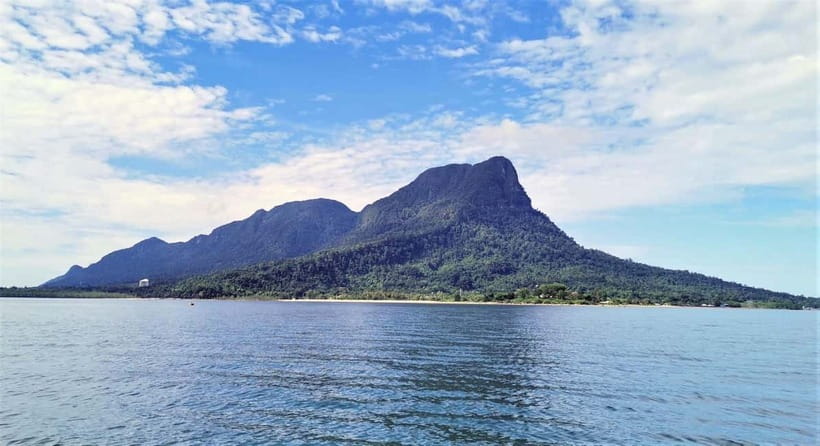
Bako National Park hits the sweet spot of jungle and coast. I like that this trip is built around Sarawak’s oldest national park and its real “pick up your feet” rainforest trails. I also like the sea-coast payoff, where tide timing can shape what you can see and how the day flows. One thing to consider: the experience depends a lot on water tide, so plan for a day that can’t be rushed.
You’ll leave Kuching in the morning on an air-conditioned ride, then switch to boat time for the short hop from the fishing village of Bako to the park’s headquarters. Once you’re in, the 16 square kilometers of primary forest really matter, because Bako packs seven distinct ecosystems into a small area. After trekking, you’ll head to the famous sea stack before returning to Kuching, with lunch available at the Bako canteen on your own.
In This Review
- Key Points You’ll Care About
- Bako National Park in Sarawak: Small Area, Serious Variety
- Morning Logistics From Kuching: The 8:00 Start That Sets the Tone
- Rainforest Trekking: Seven Ecosystems Means Different Footing and Different Views
- Lunch at Bako Canteen: Don’t Skip It, But Plan for It
- Sea Stacks and Tide Timing: The Coast Has Its Own Schedule
- Price and Value: What $179 Covers and What It Doesn’t
- What to Bring for Bako: Jungle Comfort Beats Superiority
- Group-Day Reality: Guide Quality and the Limits of Wildlife Promises
- Who This Tour Fits Best (and Who Should Rethink It)
- Should You Book This Bako National Park Trip With Asni Tours?
- FAQ
- What time does the tour start?
- How do you reach the park headquarters from the fishing village of Bako?
- Is lunch included?
- What’s included in the tour price?
- What should I bring for the trip?
- Can I cancel and still get a full refund?
Key Points You’ll Care About
- Oldest gazetted park in Sarawak with 16 sq km of primary forest
- Seven ecosystems in one area (beach, cliff, mangrove, peat swamp, heath, and more)
- Local guide energy that helps you spot wildlife and small details
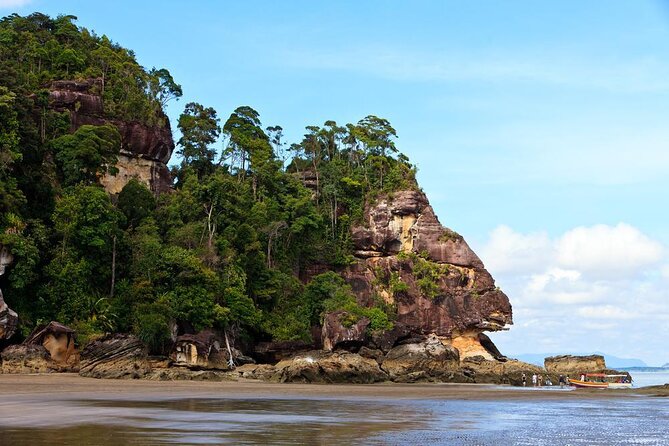
- Sea stacks are a slow-time story: rock formations collapsed after erosion
- Water tide affects access and timing, so be flexible
- Meals aren’t included, so you’ll budget lunch separately
Bako National Park in Sarawak: Small Area, Serious Variety

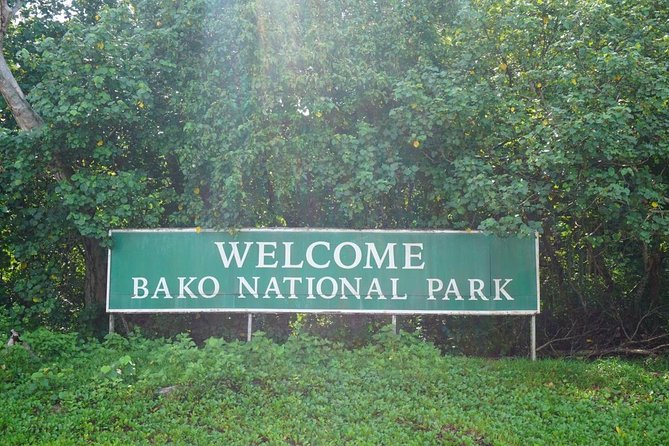
Bako National Park is only about 16 square kilometers, yet it feels like multiple parks layered on top of each other. That’s because Bako includes seven distinct ecosystems: beach vegetation, cliff vegetation, mangrove, peat swamp forests, mixed dipterocarp forest, heath forest, and grasslands. You’re not just walking in the jungle; you’re moving through different kinds of habitats as the coastline and terrain shift.
This is also one of Sarawak’s oldest protected areas. That age shows up in the coast’s long erosion story and in the way the park has shaped local understanding of land and wildlife. If you like nature that feels lived-in rather than staged, this place fits.
There’s a practical thrill to Bako too: the trails can be dense, but they’re the reason the park stays memorable. You trade convenience for context, and you come out seeing how varied this coastline is over millions of years.
You can also read our reviews of more tours and experiences in Kuching.



Morning Logistics From Kuching: The 8:00 Start That Sets the Tone

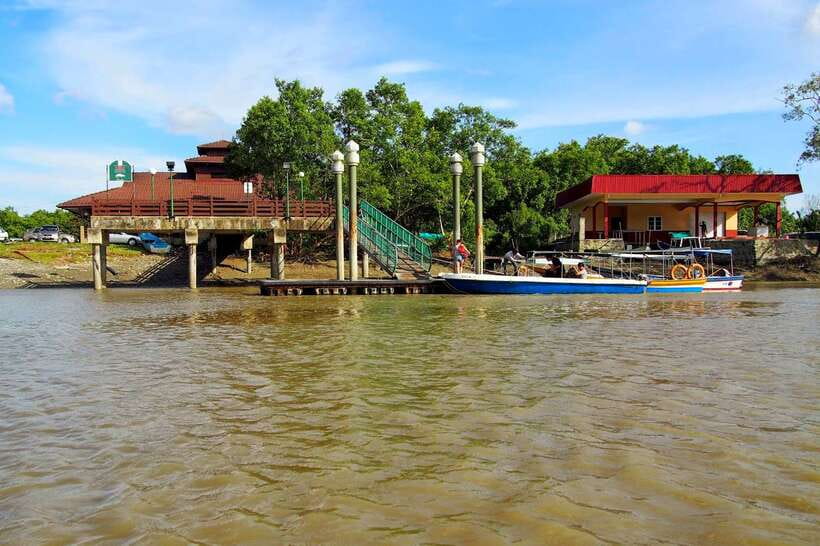
Your day begins at 8:00 AM, departing in the morning for Bako National Park. The first travel chunk is straightforward: an air-conditioned vehicle from Kuching. Then you’ll shift gears at the fishing village of Bako, where it takes about half an hour to board the boat to the park headquarters.
That boat segment isn’t just transport. It’s your cue to slow down and get into park mode. Once you’re moving by water, you get a better sense of where the coastline bends and why erosion created all those dramatic angles.
One timing note to plan for: build in buffer time around pickup and the overall schedule. If you’re expecting every minute of your day to be perfectly aligned with the start time, confirm details directly so you don’t end up feeling rushed before you even hit the trails.
Rainforest Trekking: Seven Ecosystems Means Different Footing and Different Views

This tour is designed around rainforest trekking, not a quick walk and out. You’ll spend time on hidden trails that push through dense jungle. The payoff is that Bako’s variety isn’t an abstract concept; it’s something you experience as you move between habitat types.
Here’s what that means for your body and your eyes. In some spots, you’ll feel like you’re in a coastal zone with beach vegetation and rocky edges. In others, you’ll be in heavier forest conditions, where mixed dipterocarp forest and heath forest bring their own plant textures and scents. And when mangroves or peat swamp forests show up, the environment feels slower, wetter, and different underfoot.
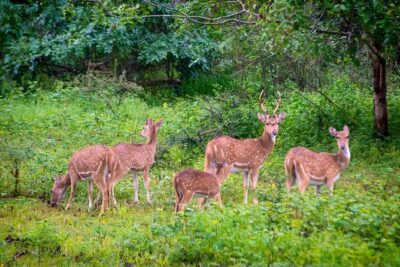
The guide’s role matters here. A local, passionate guide can point out things you’d otherwise miss: small movement, the shape of leaves, and clues that animals have been around. Even if you don’t catch every wildlife moment, the trail itself becomes the story.
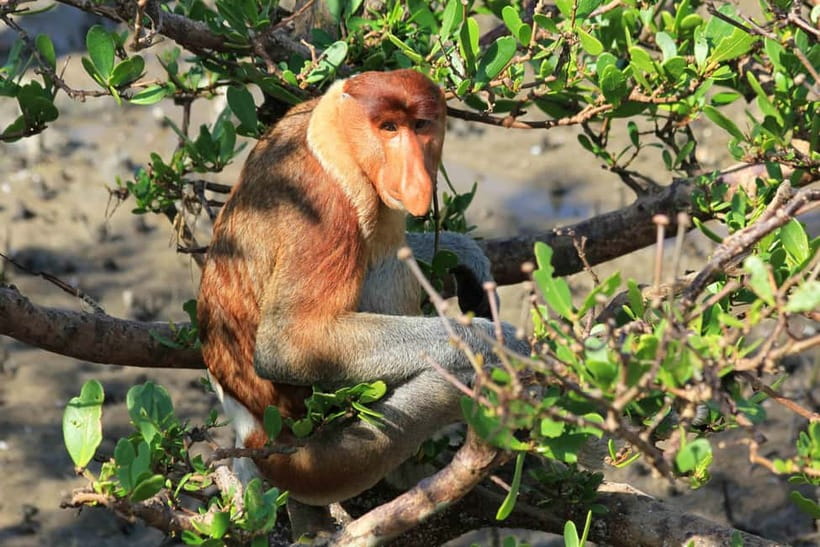
Still, keep expectations grounded. Wildlife isn’t guaranteed on command. If you’re hoping for specific animals on cue, you may get frustrated. Focus on the park’s ecosystems and the general wildlife activity, and you’ll get more enjoyment out of the day.
Lunch at Bako Canteen: Don’t Skip It, But Plan for It
Lunch is served at the Bako Canteen, and it’s not included in the tour price, so you’ll pay at your own expense. This matters because it shapes your budgeting. Also, it helps to know that the day’s main value is the trekking and the coastal stop, not a bundled meal plan.
If you like simple logistics: you can eat, recharge, and then focus again on the sea stack segment. If you don’t love waiting around: have your water ready and keep your energy steady so the afternoon doesn’t feel like a slog.
Because meals aren’t included, you’ll want to bring a bit of snack flexibility if you’re picky about timing or hunger levels. At minimum, treat lunch as part of your plan, not an afterthought.
Sea Stacks and Tide Timing: The Coast Has Its Own Schedule
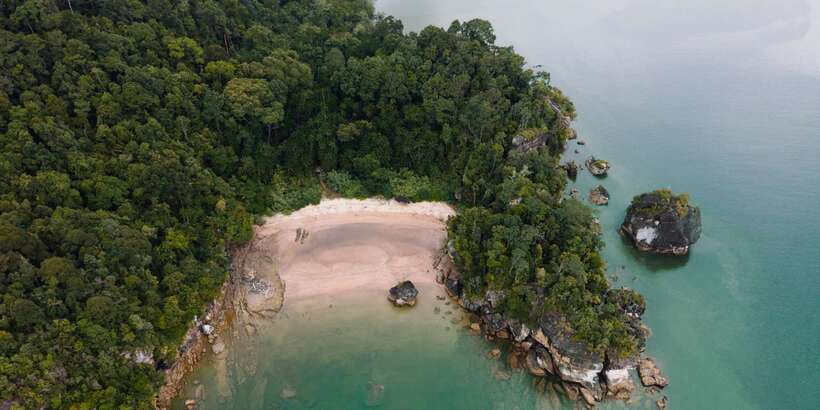
After trekking, you’ll head to the famous sea stack before returning toward Kuching. The sea stacks here aren’t just dramatic scenery; they’re a geology lesson made visible.
Constant erosion has shaped Bako’s coastline over millions of years. Many sea stacks were once majestic rock formations that eventually collapsed. So when you look at the stack, you’re seeing the leftover chapter of a much bigger process.
The big catch is water tide. The tour notes that what you can do and see very much depends on tide conditions. Practically, that means you should stay flexible with timing and not assume you’ll get the same views every day. Think of this part as a natural-coordinate stop that the coastline controls.
If you’re the type who gets stressed when plans change, this is the segment where that could happen. Bring patience instead. Your best moves are to follow the guide’s lead, keep an eye on footing near the coast, and accept that the ocean sets the pace.
Price and Value: What $179 Covers and What It Doesn’t
The price is listed as $179 per person. For that, you get entrance fee to Bako National Park, guide and boat fee, transportation during the tour, and an air-conditioned vehicle.
To judge value, look at what would cost you separately if you did this on your own. Entrance fees and a guided approach are part of what keeps this visit smooth. Boat fees also aren’t trivial, since the park is reached via the Bako area and the water transfer to the headquarters. And you’re not just getting a map and a ticket; you’re getting the on-the-ground help to make the trails and coastal stops make sense.
The main gap is meals. Lunch at the Bako Canteen is on your own, so budget extra for food. If you arrive hungry, that cost lands sooner rather than later.
Overall, this isn’t an all-you-can-eat package. It’s a focused nature day with transport and guidance done for you. If you want a laid-back rainforest-and-coast experience without stitching together multiple pieces, the value is solid.
What to Bring for Bako: Jungle Comfort Beats Superiority
Bako is a trekking day, and the checklist reflects that. Bring an umbrella (or rain gear), a sun hat, sunscreen, insect repellent, comfortable clothes, hand sanitizer or tissues, and a camera. For shoes: you’ll want good trekking shoes, because the day involves trekking on trails.
Here’s the plain reality of jungle weather: rain can show up even when the morning seems fine, and shade doesn’t always mean dry. An umbrella or poncho helps you avoid getting cold and miserable after a quick shower. A hat helps with sun and humidity even on non-rainy stretches.
Also consider your carry style. You’ll likely feel better with a small bag you can manage quickly on and off the boat and during short transitions. Keep the essentials easy to reach: repellent, sunscreen, and something for wiping sweat or grime from your hands.
One more practical note from on-the-ground reality: wildlife sightings can vary, so don’t plan your happiness around a single animal moment. Pack for the whole park day, not one photo.
Group-Day Reality: Guide Quality and the Limits of Wildlife Promises
The tour is led in English, and the guide is described as local and passionate. That kind of guide matters because Bako’s ecosystems and trails demand attention. You’ll get more out of the day when someone can translate what you’re seeing into something you can actually notice yourself.
That said, wildlife is wildlife. Even when a guide is excellent, you can still end up with a slower day on animal activity. Photos and expectations can also drift over time; the park’s animal presence and sightings aren’t guaranteed in a fixed way.
So my advice is simple: treat this as a nature immersion day in the real sense. The value comes from the habitats, the trekking, and the coastline story. If you catch extra wildlife moments, great. If not, you still have a strong park to experience.
Who This Tour Fits Best (and Who Should Rethink It)
This fits best if you want a guided rainforest and coast day in Sarawak without building a plan from scratch. You’ll enjoy it most if you like walking on trails, can tolerate dense jungle sections, and are curious about how one park can contain beach, mangrove, peat swamp, and more.
It also suits people who understand tide matters and don’t mind that nature sets the timetable. If you hate schedule uncertainty, you might feel annoyed during the sea stack portion.
Families can do it too, but children must be accompanied by an adult. If you’re traveling with kids, pay extra attention to footwear and rain gear, because comfort affects how long everyone can keep a steady pace.
Should You Book This Bako National Park Trip With Asni Tours?
If you want one day that gives you rainforest trekking plus dramatic coastal geology, this is a strong choice. The combination is the point: you get seven ecosystems in a compact area, then you shift to sea stacks shaped by erosion over millions of years. For people who appreciate real nature logistics, the guide-and-boat setup is worth paying for.
I’d book it if you’re ready to:
- walk and follow the guide’s pace on jungle trails
- handle tide-driven timing on the coast
- budget lunch separately since meals aren’t included
I’d think twice if you need guaranteed wildlife sightings or you’re very sensitive to schedule changes. Confirm pickup and day timing details so your expectations match the real flow of the day.
In short: this is a nature-forward day trip. If that sounds like your kind of fun, go for it.
FAQ
What time does the tour start?
The tour starts at 8:00 AM.
How do you reach the park headquarters from the fishing village of Bako?
After reaching the fishing village of Bako, it takes about half an hour to board the boat to the park headquarters.
Is lunch included?
No. Meals are not included. Lunch is served at the Bako Canteen, but it’s for your own expense.
What’s included in the tour price?
Included are the entrance fee to Bako National Park, guide and boat fee, transportation during the tour, and an air-conditioned vehicle.
What should I bring for the trip?
You should bring an umbrella, camera, comfortable clothes, hand sanitizer or tissues, sun hat, sunscreen, insect repellent, and rain gear. Good trekking shoes are also required.
Can I cancel and still get a full refund?
Yes. You can cancel up to 24 hours in advance for a full refund. You can also reserve & pay later by booking your spot and paying nothing today.