REVIEW · KUCHING
Bako National Park
Book on GetYourGuide →Operated by Asni Tours · Bookable on GetYourGuide
Sarawak’s coastline has a quiet sense of drama. This tour gets you into Bako National Park—Sarawak’s oldest gazetted park—then sends you back to Kuching after jungle time and a famous sea stack stop. I especially like how the day is built around practical nature highlights: seven ecosystems packed into a small primary-forest area, plus the payoff of seeing a rugged coastline shaped by long erosion. One thing to plan for: meals aren’t included, so you’ll need to budget for lunch at Bako Canteen.
You start with a morning transfer from Kuching and a short boat ride from the fishing village of Bako to the park headquarters. Then you spend your time walking on hidden trails through dense jungle before finishing at the sea stack and heading back. If you’re not used to humid conditions or uneven ground, the trekking portion can feel like work—good shoes and insect repellent matter.
In This Review
- Key Points You’ll Feel During This Bako Day
- Why Bako National Park Is Such a Smart Nature First Stop
- Kuching Pickup to Bako: How the Day Actually Gets Moving
- The Park’s Core Idea: Seven Ecosystems in One Small Area
- Jungle Trekking and Hidden Trails: What to Expect on the Ground
- Lunch at Bako Canteen: Plan for Your Own Meal
- Sea Stacks on the Way Out: The Payoff Stop
- Transportation and What’s Actually Included in $180
- Who This Tour Fits Best (And Who Might Prefer Another Plan)
- What to Bring Checklist (So You Don’t Regret It)
- Should You Book This Bako National Park Tour?
- FAQ
- What time does the tour start?
- How long is the Bako National Park tour?
- What’s included in the price?
- Are meals included?
- Is pickup available from hotels in Kuching?
- Do you provide an English guide?
- What should I bring for the trip?
- Is there a cancellation policy?
Key Points You’ll Feel During This Bako Day
- Morning start and boat transfer: You move from Kuching to Bako quickly, using the water route to reach the park.
- A compact park with 7 ecosystems: Beach, cliffs, mangroves, peat swamp, mixed dipterocarp forest, heath forest, and grasslands all within about 16 square kilometers.
- Sea stacks with real geological history: Collapsed rock formations explain why the coast looks the way it does.
- An English guide plus English audio help: You’ll have guidance for what you’re seeing, not just a random walk.
- Lunch is your own expense: You’ll eat at Bako Canteen, so plan money and timing around it.
- Bring the rainforest essentials: Umbrella or rain gear, hat, sunscreen, and bug spray aren’t optional extras.
Why Bako National Park Is Such a Smart Nature First Stop

I like tours that help you understand what you’re looking at, not just where you’re going. Bako does that fast. The park is Sarawak’s oldest gazetted national park, and even in a day you get the sense that it’s a living classroom for Sarawak flora and fauna.
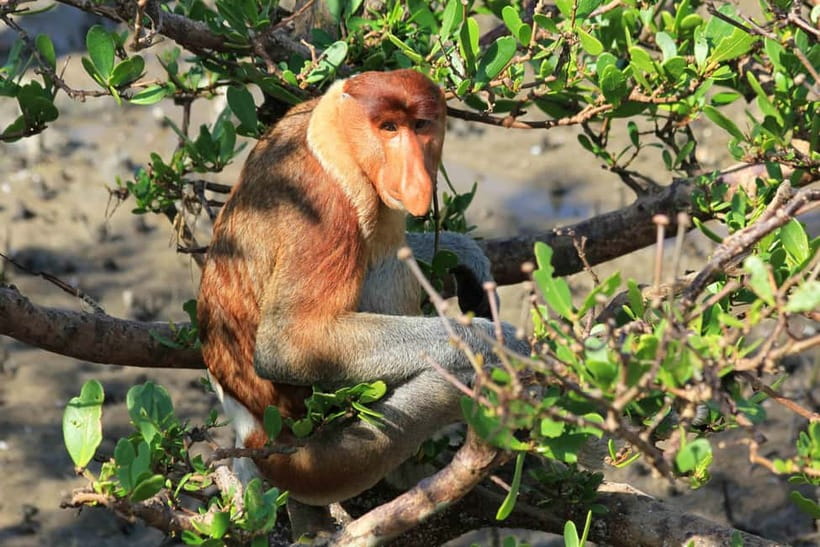
What really makes this area worth your time is the mix of habitats. The park’s 16 square kilometers of primary forest includes seven distinct ecosystems. That’s unusual because you’re not stuck in only one kind of scenery. You can see beach vegetation, cliff vegetation, mangroves, peat swamp forest, mixed dipterocarp forest, heath forest, and grasslands—within a relatively small area. For you, that means more variety per hour, and more chances to spot different plants and wildlife signs (even if you don’t get dramatic sightings every minute).
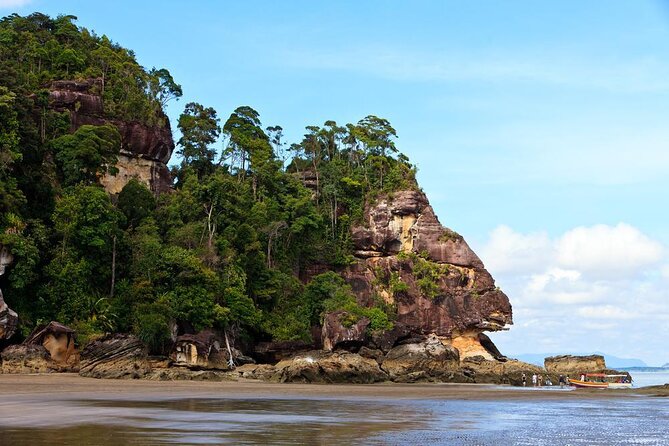
The sea stack stop is the other half of the appeal. Rock formations that were once majestic have collapsed over millions of years, leaving what you see today. It’s a reminder that this place isn’t frozen in time. The coast is still being shaped right now, mostly through ongoing erosion. It gives the day a satisfying “why this looks like this” ending instead of only the “walk and hope” feeling.
You can also read our reviews of more tours and experiences in Kuching.



Kuching Pickup to Bako: How the Day Actually Gets Moving

The tour starts at 8:00 AM, and you’ll leave Kuching City by air-conditioned vehicle. This matters more than you might think. Sarawak weather can turn quickly, and starting earlier helps you get your walking done while conditions are still manageable.
Pickup is included for hotels in Kuching city center only. If your accommodation is more than a 6 km radius from the city center, there’s a MYR 150 pickup surcharge paid directly to the driver. That’s a small detail, but it can change your real cost, so I’d check your hotel location before you book.
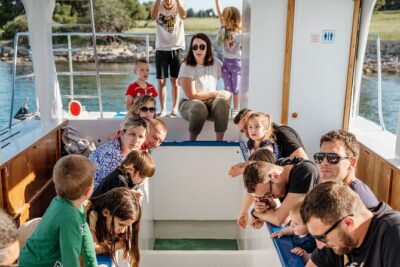
Once you reach the fishing village of Bako, there’s about a 30-minute boat ride to the park headquarters. I like this structure. It breaks the journey into two clean parts: land transfer, then water transfer. The boat segment also helps you feel like you’ve arrived at a “real” destination rather than just being dropped at a trailhead.
The Park’s Core Idea: Seven Ecosystems in One Small Area

Bako is known for being a strong introduction to Sarawak natural life. You don’t need specialized knowledge to enjoy it, because the variety is built into the setting. Here’s what you can expect to encounter as part of that range:
- Beach vegetation and cliff vegetation: You get a view of how plants handle salt spray, wind, and exposed ground.
- Mangroves: These areas are about survival in changing water conditions—great for understanding how coastal forests work.
- Peat swamp forest: Expect a different feel in the ground and vegetation density compared with drier forest types.
- Mixed dipterocarp forest: This is the kind of forest that often feels “classic tropical,” with thick growth overhead.
- Heath forest and grasslands: These open or semi-open zones can change the pace of the walk and what you notice.
The tour’s emphasis on these ecosystems is practical. Instead of spending the whole day in one single habitat, you’re set up to compare. For you, that makes the experience more than a checklist of random sights. It becomes a snapshot of how Sarawak’s environment changes from coast to inland, and from wet to drier ground.
Jungle Trekking and Hidden Trails: What to Expect on the Ground
The heart of the day is the rainforest trekking. The plan focuses on hidden trails and dense jungle walking. That means the route isn’t designed for speed; it’s designed for getting you to places where the park’s character shows up.
Here’s what that means in practical terms:
- You should expect uneven ground and patches that may feel slick after rain.
- You’ll move at a pace that favors watching and navigating, not sprinting.
- You’ll likely spend more time than you think looking down and around—where the ecosystem changes and where small details live.
To enjoy it, you’ll want to bring the right gear. The essentials listed for you are spot on:
- Good trekking shoes (this is big—don’t use flimsy sandals)
- Umbrella or rain gear plus a sun hat
- Sunscreen and insect repellent
- Camera, plus hand sanitizer or tissues
Also note the simple rule: you’re required to bring an umbrella/poncho, hat/cap, and good trekking shoes. If you skip that, the day becomes harder than it needs to be.
Lunch at Bako Canteen: Plan for Your Own Meal
This part is easy to overlook when you’re excited to start. Meals aren’t included. Lunch is served at Bako Canteen, and it’s your expense.
I like that the tour spells this out clearly. It means you can choose what fits your appetite and energy level instead of being locked into a fixed meal. Just plan money for lunch, and keep in mind that after trekking you’ll want something that’s filling and easy to eat.
If you tend to get hungry on hikes, I’d arrive thinking about calories and hydration. You’ll be out for about 8 hours total, and you’re moving from Kuching to the park, then walking, then heading back.
Sea Stacks on the Way Out: The Payoff Stop
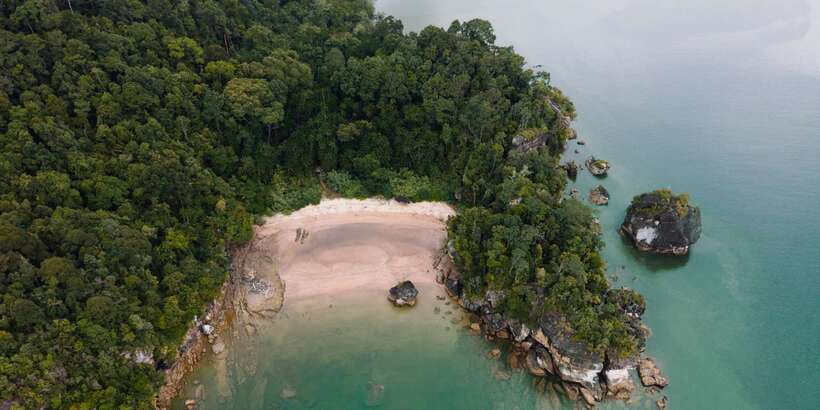
After lunch and trekking time, you’ll proceed to the famous sea stack before returning toward Kuching. The sea stack stop is the moment when Bako stops being just “forest trekking” and becomes “coastline geology.”
You’re told that sea stacks were once majestic rock formations that later collapsed. That’s a useful way to look at what you see. Instead of thinking of it as random rocks, you can treat it as evidence of erosion over millions of years. Even if the walk is the main activity, this stop gives you a final theme for the day: time and weather shape the coast, and the park preserves a snapshot of that process.
If you enjoy taking photos, this is where you’ll likely use your camera the most. Expect strong outdoor light and a tougher need for protection—hat, sunscreen, and shade planning help.
Transportation and What’s Actually Included in $180
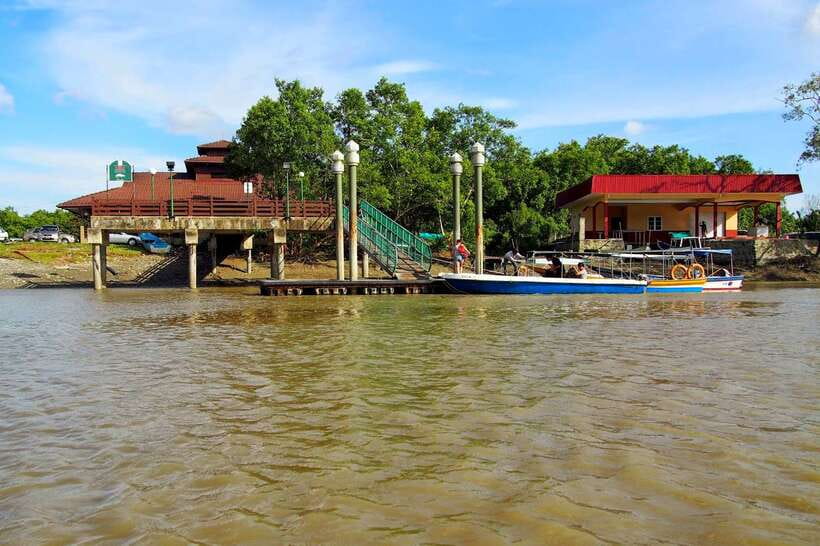
At $180 per person for an 8-hour day, the value comes down to what you’re getting without extra friction. Here’s what’s included:
- Entrance fee to Bako National Park
- Guide and boat fee
- Transportation during tour
- Air-conditioned vehicle
- English driver (and English audio guide)
What that means for you: you’re paying for the main cost blocks—getting there, getting into the park, and the boat transfer—plus an English-speaking support structure. You won’t be stuck figuring out park access or boat logistics on your own.
What’s not included:
- Meals
- Anything else not listed
I’d also factor in your pickup location. Pickup is included only for Kuching city center hotels; outside that, you may need to budget the MYR 150 surcharge. That small fee is part of the true “all-in” cost.
If you want a day where the biggest decisions are already handled—park entry, guide, boat, and transport—this price starts looking more reasonable. If you’re traveling super budget and you’re fine self-organizing park access, you’d compare against DIY options. But if you want a guided day that covers the essentials, this is the kind of package that saves time and stress.
Who This Tour Fits Best (And Who Might Prefer Another Plan)
This Bako tour makes the most sense if you:
- Want a first introduction to Sarawak’s ecosystems and rainforest variety
- Like guided walks and want an English guide plus English audio support
- Prefer a full day with both jungle and a clear coastal payoff
- Are comfortable spending time outdoors for trekking
It may feel like work if:
- You don’t like humid, uneven outdoor walking
- You’re hoping for a completely non-active nature experience
- You’re traveling with very young children who may not handle trekking comfort well
One family note: children must be accompanied by an adult. If you’re bringing kids, plan for the trekking portion and bring the gear even if it seems tedious—rain and insects don’t take a day off.
What to Bring Checklist (So You Don’t Regret It)
This list is practical, and it’s the difference between a good day and a miserable one:
- Umbrella (or poncho/rain gear)
- Camera
- Comfortable clothes
- Hand sanitizer or tissues
- Sun hat
- Sunscreen
- Insect repellent
- Rain gear
- Good trekking shoes
If you only remember one thing: protect your body twice—once from sun, once from rain and insects.
Should You Book This Bako National Park Tour?
Yes, if your goal is a guided, well-structured nature day that covers variety. Bako is a compact park with seven ecosystems, and the day plan connects that biodiversity to something you can photograph and think about afterward—the sea stack and the erosion story behind it. The included guide, boat fee, park entrance, and transport reduce friction, which is a big deal when you only have limited time in Sarawak.
I’d book this particularly if you want the “do it once, do it right” approach: start early from Kuching, get into the park via boat, walk rainforest trails with support, then end with the coastline payoff. Just go prepared for trekking and budget for lunch at Bako Canteen.
If you want a full nature day without having to coordinate park logistics yourself, this is a strong fit.
FAQ
What time does the tour start?
It starts at 8:00 AM.
How long is the Bako National Park tour?
The duration is 8 hours.
What’s included in the price?
Included are the entrance fee to Bako National Park, guide and boat fee, transportation during the tour, and air-conditioned vehicle. An English audio guide is also included.
Are meals included?
No. Meals are not included. Lunch is served at Bako Canteen as a guest’s own expense.
Is pickup available from hotels in Kuching?
Yes, pickup is included for hotels in Kuching city center only. If you’re more than a 6 km radius from the city center, a MYR 150 pickup surcharge applies and is paid directly to the driver.
Do you provide an English guide?
Yes. The driver is listed as English, and English audio guide is included.
What should I bring for the trip?
Bring umbrella (or rain gear), camera, comfortable clothes, hand sanitizer or tissues, sun hat, sunscreen, insect repellent, and rain gear. Good trekking shoes are also required.
Is there a cancellation policy?
There is free cancellation up to 24 hours in advance for a full refund.