REVIEW · HUE
Bach Ma National Park Trekking and Camping 2 days Tour
Book on Viator →Operated by Connect Travel · Bookable on Viator
Two days in Bach Ma’s wild green. I really like the way this trip mixes trekking with real outdoor rewards: a swim at Ngu Ho and a hike up to the 300m Do Quyen Waterfall. The best part is that you’re not just looking from a viewpoint—you’re moving through the park like you belong there. One thing to consider: this plan depends on good weather, and you start early, so the timing needs a bit of flexibility.
Here’s the practical vibe: you’ll travel by air-conditioned vehicle to the park area, trek with an experienced guide, and sleep at Thong Nang Campsite in provided tents. The group stays small (capped at 20 people), which helps the pace and keeps the “camping in nature” feeling intact. This is aimed at people with moderate physical fitness, not couch-to-camp heroes.
In This Review
- Key highlights you’ll feel right away
- Why Bach Ma’s jungle trek beats a day-only plan
- Price and what you’re really paying for (and why it makes sense)
- Getting there: Hue pick-up, A/C comfort, then you’re in the park
- Day 1 in Bach Ma: Ngu Ho swim, then the Do Quyen Waterfall push
- Camping at Thong Nang: tents, BBQ dinner, and a slower night
- Day 2: sunrise tea, breakfast, then cool-water recovery at the Five Lakes
- What the trek feels like: moderate fitness, long days, and smart pacing
- What to pack so you enjoy every stop (not just survive them)
- Group size and comfort: why a cap of 20 matters
- Best for who should book, and who might rethink it
- Should you book this Bach Ma National Park Trekking and Camping tour?
- FAQ
- Where are pick-ups offered for this tour?
- How long does the experience run?
- What activities are included?
- Is park entry included in the price?
- Are meals included?
- Do I get a tent for camping?
- What’s the fitness level needed?
- Is transportation included?
- What happens if the weather is bad?
Key highlights you’ll feel right away
- 300m Do Quyen Waterfall trek tied to rhododendron scenery
- Ngu Ho swimming plus cool-water time around the Five Lakes
- Camping at Thong Nang Campsite with provided tents
- BBQ dinner and picnic lunch during the trekking days
- Early-morning tea and meditation at sunrise in the park air
Why Bach Ma’s jungle trek beats a day-only plan
Bach Ma National Park is one of those places where time outdoors changes your mood. On a short tour, you might rush to a single highlight and miss how the forest shifts hour by hour. This two-day format gives you that slow rhythm. You get a morning start, a proper day of walking, and then the quiet reset of camping. By the time the waterfall hike is over, you’re not just collecting photos—you’re already in park mode.
I also like the balance of effort and payoff. The day includes swimming breaks and a long stretch of trekking that’s ambitious enough to feel like an adventure, but not framed as an all-day suffering contest. The Do Quyen Waterfall climb is the main event, and it’s supported by breaks and meals that keep you functioning.
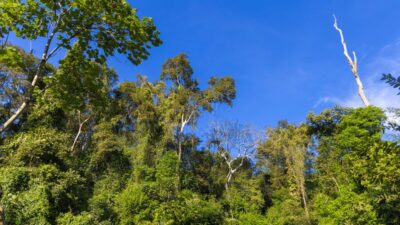
And yes, the biodiversity angle matters. You’ll be trekking through a mountain forest where the sounds of wind, birds, and streams are part of the experience, especially early in the morning. It’s the kind of trip where the forest itself becomes your soundtrack.
You can also read our reviews of more tours and experiences in Hue.
Price and what you’re really paying for (and why it makes sense)
At about $142.86 per person, this tour isn’t a bare-bones hiking day. You’re paying for a package that covers a lot of the cost drivers that add up on your own: park entrance fees, transport, guiding, and the food-and-sleep setup.
Here’s what’s included that affects value:
- Entrance fees (so you’re not hunting for tickets)
- Air-conditioned vehicle pick-up and return
- Experienced guide
- Meals: breakfast, picnic lunch, lunch at a restaurant, and BBQ dinner
- Bottled water
- Tent use at the campsite (each tent fits up to 4 people)
- Morning tea and meditation
What’s not included is mostly personal: drinks and other personal expenses.
In plain terms, you’re buying convenience plus safety plus structure. If you try to do Bach Ma on your own, you’ll spend time coordinating transport, figuring out access points, and building a food plan that works for a two-day camp-style schedule. Here, someone already stitched it together for you.
Getting there: Hue pick-up, A/C comfort, then you’re in the park
Most people plan for Bach Ma by thinking about the trek. But the real key is how you get to the start with enough energy left to enjoy it.
Pick-up runs from Hue and also from the Da Nang / Hoi An area (depending on where you’re staying). Morning timing is early—Hue pick-up typically starts around 08:00–08:30, and the guide meet-up at the Bach Ma information center is listed at 09:30.
You’ll ride in an air-conditioned vehicle to the park area, then transition to trekking with your guide and group. That’s important: it reduces the stress of figuring out logistics while also helping your body wake up gently rather than jumping straight into rough roads.
Day 1 in Bach Ma: Ngu Ho swim, then the Do Quyen Waterfall push
Day 1 is where you earn the story. The schedule is built around movement, meals, and a payoff highlight.
After your start at the Bach Ma information center, you’ll head toward Ngu Ho, described as an ideal swimming spot. This is a smart way to break up the day. You get a cool-down that’s active, not just restful. It also helps if you’re the type who gets restless on a long trek—swimming is a reset button.
After that, you’ll eat lunch, then continue trekking toward Do Quyen Waterfall, which is 300m high. The waterfall’s name links to rhododendron flowers, so the scenery theme isn’t random. It’s the kind of detail that makes you look at the forest differently while you’re walking—more like you’re tracing a place with a story, not just passing trees.
The pace takes you to Thong Nang Campsite around 15:00, where you’ll camp for the night. From there, the rest of the afternoon and evening shifts into camp mode: you’re driven to the campsite after the main trekking segment, which keeps Day 1 from becoming a marathon of walking plus transit.
What I’d watch for: the day has a lot packed into one block—swim, trek, meal breaks, and the main climb. If you go too hard at the start, the waterfall part can feel tougher than expected. The fix is simple: treat the Ngu Ho swim as a refresh, not a full-on workout.
Camping at Thong Nang: tents, BBQ dinner, and a slower night
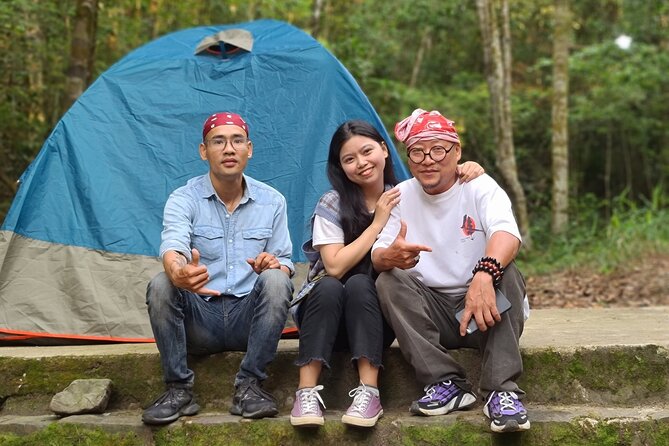
Camping is the part that turns a hike into a lived experience. Here you sleep at Thong Nang Campsite, and you don’t have to bring your own setup—tents are provided, with capacity for up to 4 people per tent.
For many people, tent-sharing is a small trade-off for getting the real camping vibe. If you’re a light sleeper, I’d suggest you pack earplugs and keep expectations flexible. You’re camping in nature, so night sounds are part of the deal.
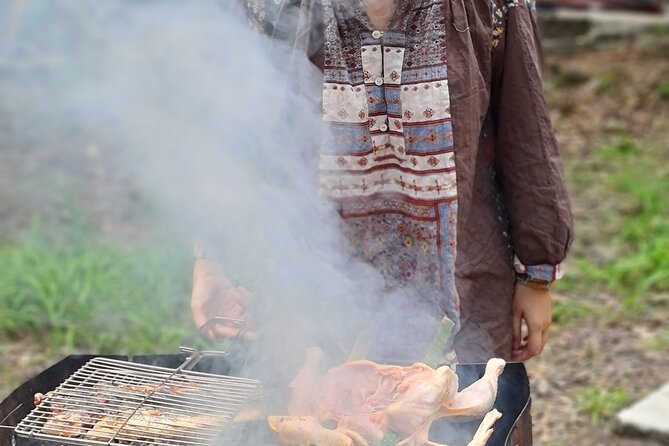
Food helps. Dinner is a BBQ, which is exactly what you want after trekking when you’re hungry but tired. You’ll also have the structure of a guided group evening rather than wandering around trying to figure out what happens next.
This is also when the park’s “away from crowds” feeling kicks in. Even if you’re with other people, you’re not in a city. You’ll be outside and focused on simple things: eating well, resting, and waking up for the next morning.
Day 2: sunrise tea, breakfast, then cool-water recovery at the Five Lakes
Day 2 starts very early: 05:30. You’ll get up to enjoy the fresh atmosphere of the park, followed by breakfast and a group moment with hot tea.
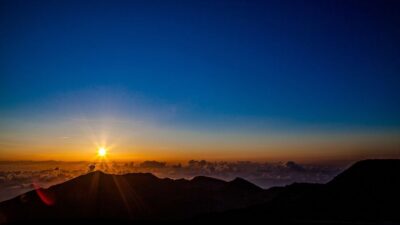
The tour includes tea and meditation in the morning, timed around sunrise. This part isn’t about turning you into a meditation expert. It’s about giving your brain a quiet pause in the middle of an active trip. If you’ve ever done a morning hike and felt rushed, this is the opposite. It’s slow enough to notice wind, birds, and streams again.
After that, you’ll continue within the park timeframe (and this is where the “cool water of the Five Lakes” idea fits in). The overall experience highlights swimming in that cool water, so plan your mindset for a recovery-style swim rather than a second peak effort.
Then, by around 09:00, you’ll leave the park and head back to your hotel in Hue or the Da Nang / Hoi An area (depending on your pick-up route).
The main drawback on Day 2 isn’t physical. It’s mental: waking early two days in a row can feel like a lot if you’re not used to it. If you can sleep soon after the BBQ dinner, you’ll handle it much better.
What the trek feels like: moderate fitness, long days, and smart pacing
The tour is designed for people with moderate physical fitness. That phrasing matters because it tells you what kind of expectations are reasonable: you should be comfortable walking for hours and handling uneven natural paths, but this isn’t marketed as extreme mountaineering.
The hiking includes:
- A trekking day with a main goal (Do Quyen Waterfall)
- A second morning with a return route planned around the park’s early hours
Also, remember the structure: meals are built in, and there’s a swim break at Ngu Ho, plus cool-water time associated with the Five Lakes. That’s not a small detail. Those water stops make the day feel more doable.
If you’re worried about stamina, don’t try to “win” the trail. A steady pace will feel better on the waterfall section than forcing speed early.
What to pack so you enjoy every stop (not just survive them)
Your packing list should match the mix of trekking, camping, and water time.
Bring:
- Comfortable hiking shoes or sturdy trail sandals with grip for wet sections
- A swimsuit and a quick-dry towel for the Ngu Ho swim and Five Lakes water time
- Light rain protection, since the trip requires good weather
- A small day bag for essentials while trekking
- Water for refilling needs (you’ll have bottled water included, but you’ll still want your own habit)
You’ll already have:
- Bottled water
- Tents
- Meals (breakfast, picnic lunch, restaurant lunch, BBQ dinner)
Leave room in your budget for drinks and personal expenses, since those aren’t included.
Group size and comfort: why a cap of 20 matters
This tour is limited to a maximum of 20 people, which helps in two ways.
First, it keeps the guide attention more balanced. When the group is small, you’re less likely to get stuck waiting around while everyone catches up or while the slowest walkers get left behind too far.
Second, it makes camping feel more personal. A smaller group is easier to manage for tents and evening meals, so you don’t lose the calm camp atmosphere.
You’ll still be with other people, of course. But the setup is built to avoid that crowded, rushed feel that can ruin a nature trip.
Best for who should book, and who might rethink it
This tour fits best if you want:
- A two-day nature experience, not a rushed day trip
- Trekking with genuine outdoor moments (swim stops plus a big waterfall)
- Camping with provided tent gear and organized meals
- Early sunrise energy, since tea and meditation start very early
You might rethink it if:
- You don’t like early mornings (Day 2 starts at 05:30)
- You struggle with moderate physical activity
- You get uncomfortable with basic camping conditions (tent-sharing up to 4, outdoor sounds)
If you’re the type who enjoys forests, waterfalls, and moving through a place rather than checking boxes, this is a strong match.
Should you book this Bach Ma National Park Trekking and Camping tour?
I’d book it if you want a structured, value-heavy two-day nature plan with built-in meals, transport, entry fees, and camping gear. The standout promise is that you’re not only hiking to a point—you’re also cooling off in the park with swims at Ngu Ho and around the Five Lakes, then ending the night with a BBQ and waking up for sunrise tea and meditation.
The main reasons to hesitate are simple: the early wake-up schedule and the fact that you need good weather for the experience to run as planned.
If you’re flexible, moderately fit, and excited by the idea of camping as part of the adventure, this tour looks like a solid way to see Bach Ma without turning it into a logistics project.
FAQ
Where are pick-ups offered for this tour?
Pick-up is offered from Hue, and there are also options for the Da Nang / Hoi An area. You’ll also be returned to your hotel area at the end.
How long does the experience run?
It’s a two-day tour with a full Day 1 trekking and camping night, plus an early morning start on Day 2 and a return around the morning.
What activities are included?
You’ll trek in Bach Ma National Park, swim at Ngu Ho, trek to Do Quyen Waterfall (300m), and have cool-water time associated with the Five Lakes. There’s also camping, a BBQ dinner, picnic lunch, and morning tea and meditation.
Is park entry included in the price?
Yes. Entrance fees are included.
Are meals included?
Yes. You’ll get breakfast, picnic lunch, lunch at a restaurant, and dinner as a BBQ. Bottled water is also included.
Do I get a tent for camping?
Yes. Tents are provided, and each tent fits up to 4 people.
What’s the fitness level needed?
The tour recommends a moderate physical fitness level.
Is transportation included?
Yes. The tour includes an air-conditioned vehicle for pick-up and return.
What happens if the weather is bad?
The experience requires good weather. If it’s canceled due to poor weather, you’ll be offered a different date or a full refund.