REVIEW · LAS VEGAS
7-Day Yellowstone National Park Rocky Mountain Explorer
Book on GetYourGuide →Operated by Bindlestiff Tours · Bookable on GetYourGuide
Yellowstone National Park plus the Rockies beats the drive blues. This 7-day route strings together Bryce Canyon hoodoos, the geyser circuit of Yellowstone, and big mountain scenery in a way that feels like a full-on U.S. nature playlist, not a rushed checklist.
I especially like that you’re not just riding around in silence. Live English guidance keeps the long stretches from feeling long, and it helps you read the parks as you go.
What you’ll like most is how the trip builds in real walking time. You get a rim stroll and a deeper Bryce canyon hike on Day 1, then Tetons viewpoints and lakeside time on Day 3, and two park days to hit Yellowstone’s must-sees like Old Faithful and Grand Prismatic Pool. One thing to plan around: Yellowstone is only about two days in a 7-day trip, so if your top priority is maximum Yellowstone time, this schedule means more driving and other parks share the spotlight.
In This Review
- Key takeaways before you go
- Entering the big-park rhythm: what this tour is really about
- Day 1: Las Vegas to Bryce Canyon via Cedar Breaks
- Day 2: Bryce Canyon to Salt Lake City and Mormon Pioneer landmarks
- Day 3: Grand Teton National Park viewpoints and wildlife-spotting walks
- Days 4–5: Yellowstone National Park geysers, Old Faithful, and the big loops
- Day 6: Grizzly Bear and Wolf Discovery Center and Rocky Mountain scenery
- Day 7: Valley of Fire State Park before returning to Las Vegas
- Price and value: what you’re paying for, and what to budget
- Guide quality and group vibe on long drives
- What to bring and what to know upfront
- Who this trip suits best
- Should you book this Yellowstone and Rockies combo?
- FAQ
- What is included in the tour price?
- What is the food kitty and what does it cover?
- Do I need to pay extra at Yellowstone’s Grizzly Bear and Wolf Discovery Center?
- How much time is spent in Yellowstone National Park?
- Where does the tour pick up in Las Vegas?
- What languages are available for commentary?
- Is there free cancellation, and how early do I need to cancel?
Key takeaways before you go
- Guides make the road time useful, with live English commentary and interpretive stops.
- Bryce Canyon gets both the easy rim view and the deeper hoodoo walk you can actually feel.
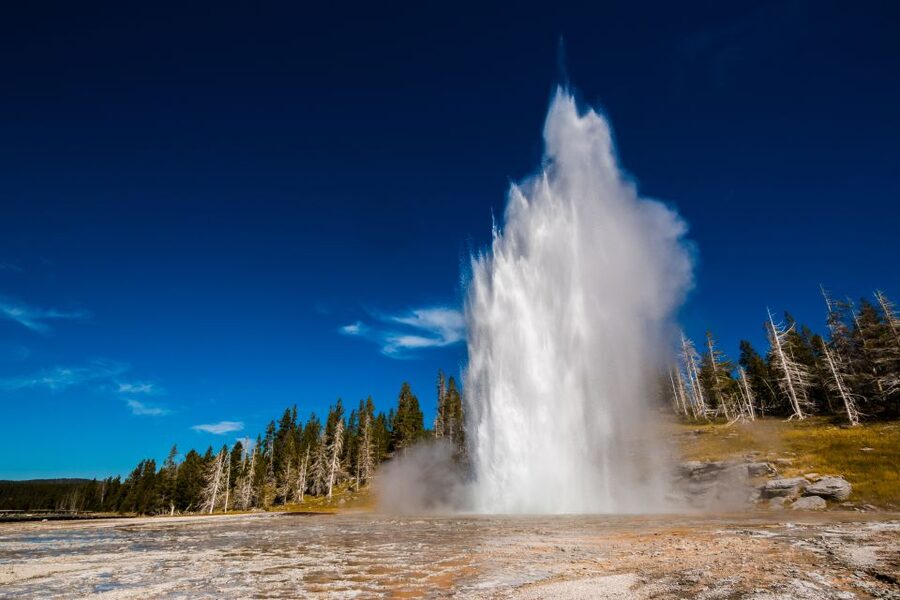
- Yellowstone is treated like a circuit, with Old Faithful, Grand Prismatic Pool, and exploration across geyser areas.
- Camping equipment is included, so you can pack lighter.
- Evenings include real downtime, including a hot tub soak under the stars on Day 1 and BBQ-style meals.
- Budget for extra meal spending (food kitty) and the optional Grizzly Bear and Wolf Discovery Center fee.
Entering the big-park rhythm: what this tour is really about
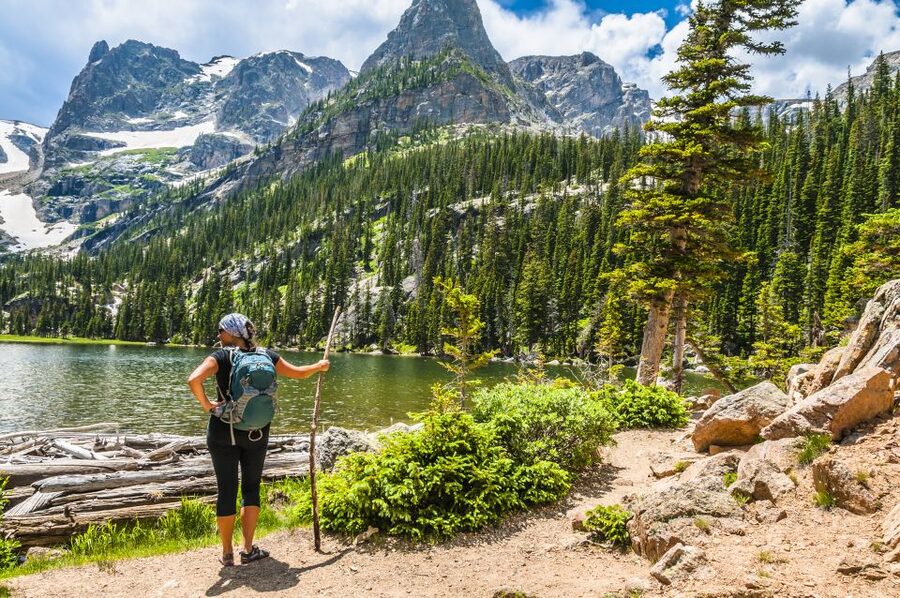
This Yellowstone National Park Rocky Mountain Explorer is built for travelers who want iconic places and wildlife chances, but also want someone else to handle the pacing and logistics. The weekly loop starts in Las Vegas, climbs into southern Utah, sweeps north through the Tetons, then lands in Yellowstone for two full days of geysers and wildlife-country driving.
The best part of this style of trip is that you’re not stuck with decision fatigue. When you’re trying to see Bryce, Salt Lake City, the Grand Tetons, Yellowstone, and the Rocky Mountains in one week, you need a framework. Here, that framework comes from an expert guide and a set route that keeps you moving while still leaving room for hikes, viewpoints, and time outdoors.
You can also read our reviews of more tours and experiences in Las Vegas.

Day 1: Las Vegas to Bryce Canyon via Cedar Breaks
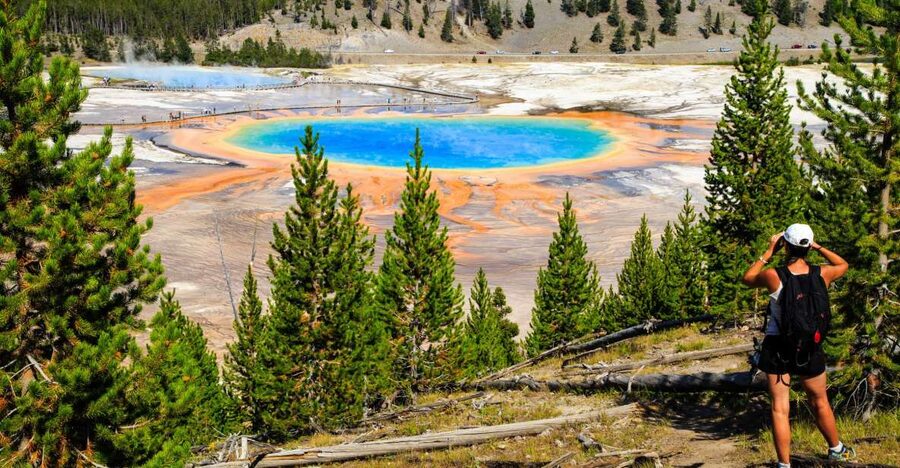
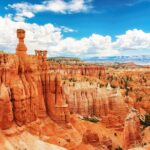
Day 1 is one of the smartest starts because it pairs a scenic climb with a proper arrival day. You leave Las Vegas and head through Cedar Breaks on the way up, with a stop at the 10,000-foot summit level for big views over ancient lava flows and the Sevier River Valley below. Even if you’ve seen plenty of desert-to-mountain scenery before, Cedar Breaks has that “you’re really changing elevation now” feeling.
When you reach Bryce Canyon, you land just in time for a picnic lunch before hiking. You’ll do both:
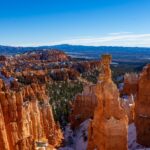
- a relaxing stroll along the rim of the amphitheater, and
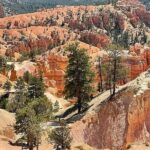
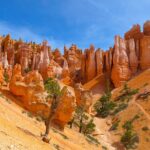
- a hike deeper into the canyon to get close to the hoodoos.
Then there’s a ranger talk about the park’s geology, which is a nice reality check: those rock formations are not random. They’re the result of how layers erode over time, and hearing the story makes the canyon look sharper, not just pretty.
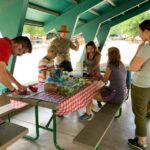
In the evening, you wrap up with an all-American BBQ, then sit around a campfire and finish with an outdoor hot tub soak under the stars. That combination matters more than it sounds. After a day of elevation and walking, you’ll want an easy decompression moment, and that hot tub is built for exactly that.
Practical note: the day is active. If you’re the kind of traveler who likes to linger on every viewpoint, you might find yourself wishing for more time at Cedar Breaks or on the Bryce rim. Still, the pacing is reasonable for a one-week sampler.
Day 2: Bryce Canyon to Salt Lake City and Mormon Pioneer landmarks
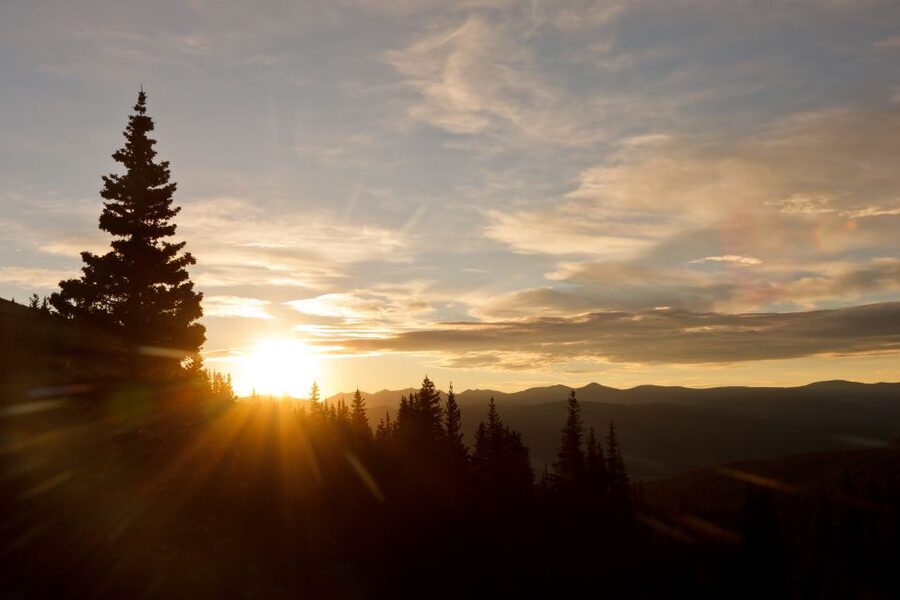
Day 2 shifts from national park terrain to city history. You head north to Salt Lake City for afternoon exploring, with time to see major Mormon sites and Pioneer-era storytelling.
Stops include the Salt Lake Mormon Temple and the State Capital Building, plus Brigham Young’s Territorial Governor’s Mansion. You’re also in the setting associated with the Tabernacle Choir, and even without a scheduled performance mentioned, the city’s cultural identity is clearly part of the experience on this day.
This is a good day for anyone who feels that “all nature, all week” can get monotonous. You get a break from trail time while still keeping the trip moving forward.
You’ll sleep at Hotel Crystal Inn (or a similar property). Having one hotel night in the middle is a helpful reset if you’ve been camping, since your body gets a softer landing before Day 3 and the Tetons.
Day 3: Grand Teton National Park viewpoints and wildlife-spotting walks
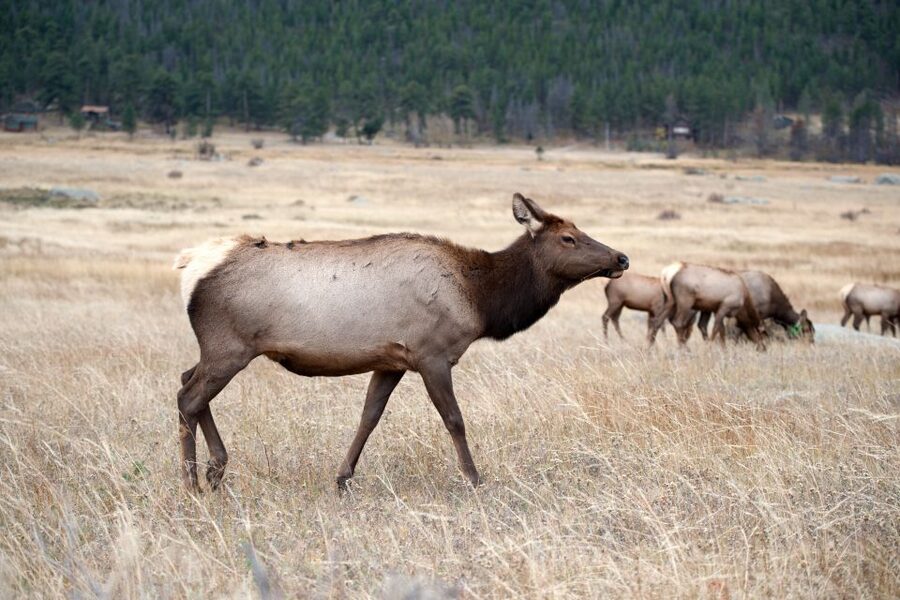
Day 3 is the “mountains meeting wildlife” day. The Grand Teton Mountain Range rises above lakes and valleys, and the trip’s plan is built around viewpoints and walkable scenery rather than one long, exhausting hike.
You’ll choose between time at Inspiration Point and a scenic stroll around Jenny Lake while looking up at the Tetons. Either option gives you the core Tetons vibe: steep peaks, water reflections, and lots of chances to spot wildlife.
You’ll also have a picnic, plus guided opportunities to look for animals. The tour specifically frames the Tetons as a place where you might spot moose, and even the potential for grizzly bear sightings is part of the way the day is set up.
What I like about this day is the tone. It’s quiet by design. Even with a group, you’re not doing a race through a dozen stops. You’re working with the land—watching for movement, scanning for signs, and letting the mountains do the heavy lifting.
One consideration: wildlife sighting is never guaranteed. This is the one day where expectations need to stay flexible. You’re going to be out there looking, but nature decides what you actually see.
Days 4–5: Yellowstone National Park geysers, Old Faithful, and the big loops
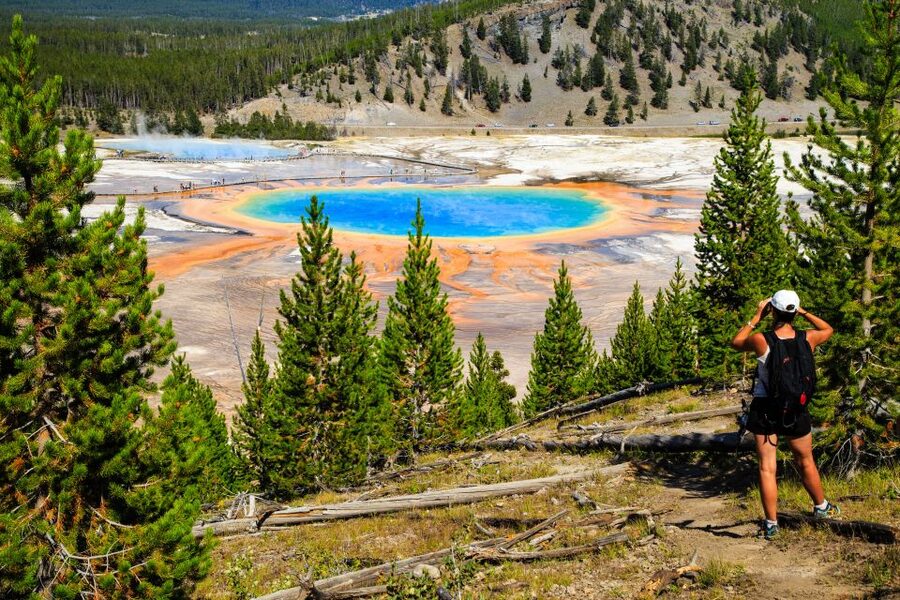
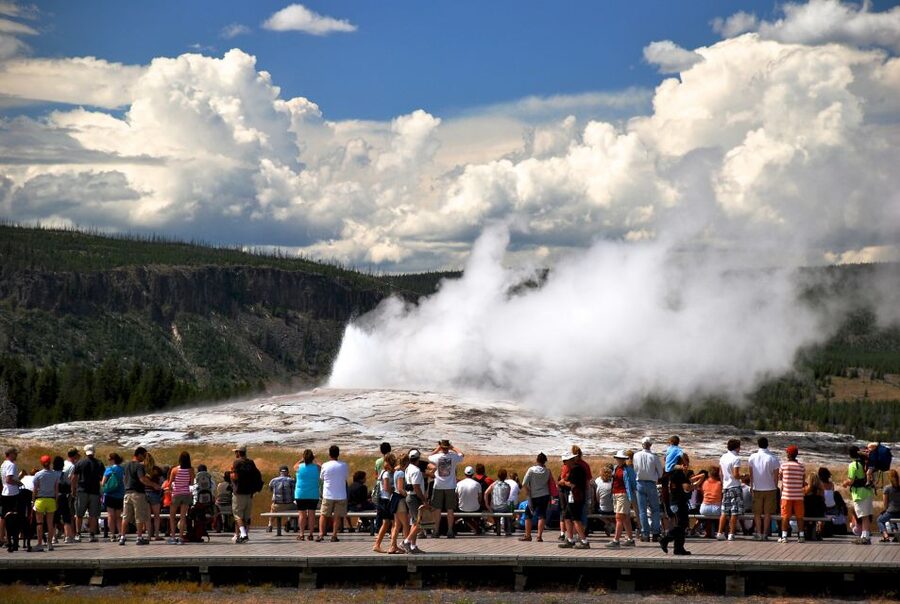
Now we get to the core of the trip. You spend Days 4 and 5 in Yellowstone National Park, with two days of exploration guided by an expert. This is the part of the schedule where you’ll feel the classic Yellowstone variety: thermal features, canyon views, and wildlife-country driving.
The itinerary hits the famous targets early:
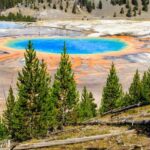
- Old Faithful, and
- Grand Prismatic Pool.
You also go to Yellowstone Canyon and explore geysers across both the North and South loop areas. That loop approach matters. Yellowstone’s thermal zones are spread out, and if you only hit one area, you miss how different the park feels from one geyser basin to another.
What you’re likely to appreciate most is how the guide helps you understand what you’re looking at. Geysers aren’t just random eruptions. They follow patterns, and the timing and layout of the areas change how you experience the thermal landscape. With live narration, you’re less likely to feel like you’re just standing near a landmark and waiting.
Camping ties into the Yellowstone days too: you’ll camp in Yellowstone for two nights. That keeps the trip immersed in the park schedule. You’ll trade hotel comfort for proximity to the sights, which is often how Yellowstone feels most alive.
The one potential drawback is simple: Yellowstone gets two days inside a seven-day trip. If your heart is set on more Yellowstone time than that, you may feel the limits of a multi-park itinerary. Still, the plan is built to hit both iconic sites and the breadth of geyser-country driving, not just one cluster of stops.
Day 6: Grizzly Bear and Wolf Discovery Center and Rocky Mountain scenery
Day 6 adds structure to the wildlife focus with a stop at Yellowstone’s Grizzly Bear and Wolf Discovery Center. This is an extra cost (about USD 25 per person), so it’s worth deciding if you want that add-on value. If wildlife education and animal behavior learning is your thing, it’s a meaningful step.
After that, you move into Rocky Mountain scenery for an afternoon walk and last stretch of big views. The plan includes more time to get outside on foot and a final night BBQ blowout, plus a camping night at Rocky Mountain Campground.
This day works like a transition. You’ve already seen Yellowstone’s thermal drama. Now you shift toward the broader mountain picture—where your eyes need to travel farther and you’re more likely to remember the week by the scale of the scenery.
Day 7: Valley of Fire State Park before returning to Las Vegas
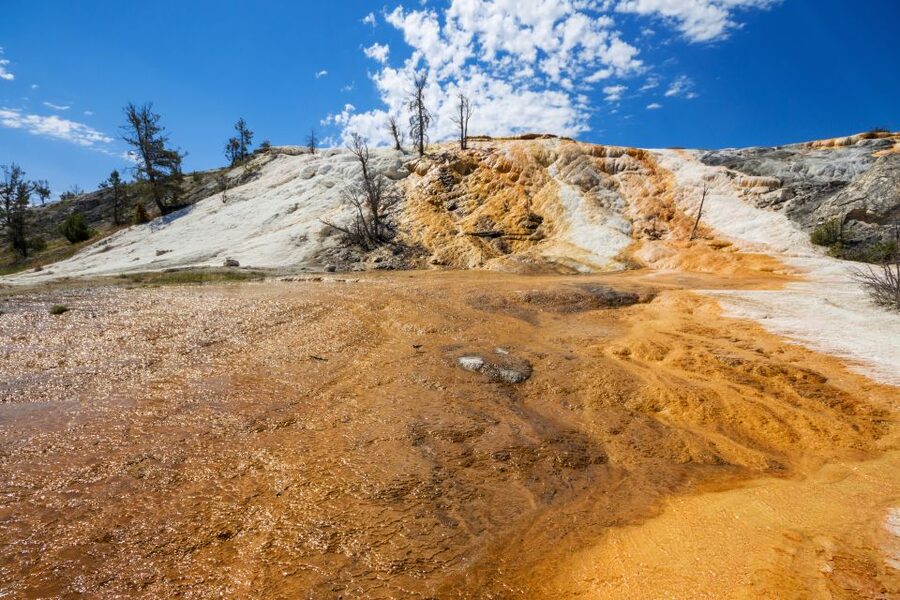
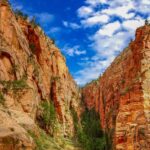
You end the trip with one last punch of scenery on the way back. Day 7 includes Valley of Fire State Park, where you’ll explore dramatic sandstone formations. The tour notes that many famous movies were filmed there, so the area has a cinematic feel even if you can’t place every scene.
You’ll then return to Las Vegas in the late afternoon, leaving time to relax and still get out for an evening if you want.
This is a smart ending for two reasons. First, it gives you an easy win after a week of active days. Second, it helps you land in Las Vegas without feeling like you have to rush right into a night out.
Price and value: what you’re paying for, and what to budget
The price is $1,895 per person for the full 7-day experience. That’s not a small number, so the real question is whether it’s buying you convenience, guidance, and access.
Here’s what the cost covers based on what’s included:
- expert tour guide throughout (live English),
- transportation,
- all park entries included,
- private or small groups available,
- camping equipment included,
- and a downloadable app with tour commentary in Spanish, Italian, Korean, Chinese, and Japanese.
It also covers the backbone of the itinerary: you’re doing Cedar Breaks, Bryce, Salt Lake City, the Tetons, Yellowstone geyser country, Rocky Mountain stops, and Valley of Fire, all without you planning daily driving and connection logistics.
What’s not included is also clear:
- a food kitty of $200 per person (covers 6 breakfasts, 7 lunches, 6 evening meals, plus 1 night in a hotel in Salt Lake City). The amount can change.
- the Grizzly Bear and Wolf Discovery Center fee (about USD 25 per person).
- additional park fees for non U.S. residents.
If you like the idea of paying for an organized week where meals, gear, park access, and interpretation are handled, this price can look fair fast. If you’re the type who wants to do everything on your own, you’d likely find cheaper options—but they come with planning, packing, and a lot more decision-making.
Guide quality and group vibe on long drives
On road-heavy itineraries, the guide can make or break your mood. The trip’s format leans hard into that, with live English commentary and an expert guide throughout.
In past departures, guides and drivers have been singled out for keeping the long driving days enjoyable. Names that have come up include Adriann and Chris, both praised for guiding the group and helping everyone stay engaged and hopeful about wildlife sightings.
That matters because wildlife-country days can turn into waiting and scanning. A good guide helps you stay present: explain what to watch for, adjust where possible, and keep the energy up without pretending sightings are guaranteed.
Also, this style of trip supports wildlife attention. The plan is framed around the chance to see moose, bears, and wolves, and it’s set up for looking, not just driving past scenic pull-offs.
What to bring and what to know upfront
This tour asks for basic ID (passport or ID card). That’s a must since park access and travel documents can come up quickly in multi-stop weeks.
Day-to-day, you’ll be active and you’ll camp. Camping equipment is included, which means you can focus your packing on personal items and weather readiness rather than hauling your whole camping setup.
Two other practical constraints:
- It’s not suitable for children under 7.
- It’s not suitable for wheelchair users.
If you’re deciding whether to join, I’d treat this as an outdoors-and-movement trip. Even with the hot tub and BBQ evenings, it’s still a week designed for walking, driving, and being flexible.
Who this trip suits best
This Yellowstone National Park Rocky Mountain Explorer fits you well if:
- you want a guided, multi-park week without planning all the daily decisions,
- you like doing both short walks and longer hikes when the itinerary offers them,
- you want Yellowstone’s geysers plus the Tetons and Bryce Canyon as part of the same story,
- and you’re okay with wildlife being a matter of chance, not a guarantee.
It’s a solid choice for couples, small groups, and active solo travelers who prefer structure. If you’re traveling with very young kids or mobility limitations, the tour isn’t set up for that.
Should you book this Yellowstone and Rockies combo?
My take: book it if you want a guided route that hits the headline sights across several famous parks, and you value having gear, park entries, and daily guidance handled. The hot tub night at Bryce and the Yellowstone circuit planning are the kinds of details that make the trip feel like more than just transportation between checklists.
Skip or rethink if Yellowstone time needs to be bigger than two days for you. This trip trades extra Yellowstone hours for broader coverage that includes Bryce, the Tetons, Rocky Mountain scenery, and Valley of Fire.
If you’re excited by the idea of Yellowstone geysers, Bryce hoodoos, and mountain wildlife-chance days under one organized umbrella, this is the kind of week that can be worth the price—especially when you’re counting on expert interpretation and a guide-led plan to keep everything moving smoothly.
FAQ
What is included in the tour price?
You get an expert tour guide throughout, transportation, all park entries, all camping equipment, and live English commentary. There’s also a downloadable app with tour commentary in Spanish, Italian, Korean, Chinese, and Japanese.
What is the food kitty and what does it cover?
There is a local food kitty payment of $200 per person. It covers 6 breakfasts, 7 lunches, 6 evening meals, plus 1 night in a hotel (twin share) in Salt Lake City. It is subject to change.
Do I need to pay extra at Yellowstone’s Grizzly Bear and Wolf Discovery Center?
Yes. Yellowstone’s Grizzly Bear and Wolf Discovery Center is not included and is approximately USD 25 per person.
How much time is spent in Yellowstone National Park?
You spend two days exploring Yellowstone National Park, with camping for 2 nights during Days 4 and 5.
Where does the tour pick up in Las Vegas?
As you exit the Palms Casino Resort main front entrance, turn right and follow the footpath to the east side of the building on Hugh Hefner Drive (past the Palms pool). The tour starts about a 4 minute walk from the main entrance curb, and the tour will not wait.
What languages are available for commentary?
Live commentary is provided in English. The downloadable app includes tour commentary in Spanish, Italian, Korean, Chinese, and Japanese.
Is there free cancellation, and how early do I need to cancel?
There is free cancellation up to 56 days in advance for a full refund.