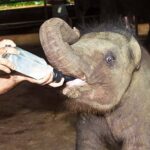
Early morning wild sightings start fast. This Yala National Park safari runs from Hikkaduwa with an organized pickup, a guide at the gate, and longer stops at watering holes where animals tend to show up.
I like the two clear departure windows (a 6:00 a.m. start or a 2:30 p.m. start), because you can pick the pace that fits your day. I also like that the park time is structured around habitat types—wetlands, grasslands, and forest patches—so you’re not just driving in circles hoping for luck. One drawback to keep in mind: you’ll want good communication on meeting up. One unhappy note from a previous booking said the driver didn’t arrive for an early pickup and the group waited for an hour, with no update.
In This Review
- Key Points to Know Before You Go
- From Hikkaduwa to Yala: Timing That Changes Everything
- The Meeting Up Process With Sameera Tours and Your Guide
- Inside Yala: How the Jeep Safari Works
- Wildlife Chances: Leopards, Sloth Bears, Elephants, and More
- Watering Holes and Photography Stops: Why the Pauses Matter
- Price and Value: Where the $160 Makes Sense
- What’s Included vs Not: The Small Planning Details
- Comfort, Group Size, and How a Private Tour Changes the Feel
- Weather and the Day-Of Reality in Yala
- Should You Book This Yala Safari From Hikkaduwa?
- FAQ
- What time does the morning Yala safari start?
- What time does the afternoon Yala safari start?
- Where do I meet the tour provider?
- What’s included in the tour price?
- What’s not included?
- What happens if the safari can’t run due to weather?
Key Points to Know Before You Go
- Two departure times: morning around 6:00 a.m., or afternoon around 2:30 p.m., each with a different feel and likely wildlife mix
- Guide-led entry at the park gate: you’re not figuring out Yala on your own
- Watering holes mean better odds: the plan includes longer pauses for quiet observing and photography
- Private tour format: it’s only your group, so the driver/guide can work to your pace
- Transfers are covered, park jeep is the question: bottled water and A/C transport are included, but safari jeep/driver may be extra depending on your exact booking
- Weather matters: if conditions are poor, your date may change or you may get a full refund
From Hikkaduwa to Yala: Timing That Changes Everything
You’re staying in Hikkaduwa, so this safari is built for that reality. Your day starts with pickup from your hotel area and then a drive to Yala. The big decision is which run you choose.
The morning half-day starts at 6:00 a.m. and typically finishes around 11:00 a.m.. Early hours are often when animals feel less stressed and visibility tends to be better for scanning. The afternoon run starts around 2:30 p.m. and typically ends around 6:00 p.m.. That later slot can be nice if you don’t want to be up at a ridiculous hour, and it can also line up well with animal routines around the evening light.
This is where the value shows: the tour isn’t vague. You know the start time, the approximate finish time, and the general rhythm. That makes it easier to plan breakfast, lunch, and rest time back at your hotel.
You can also read our reviews of more tours and experiences in Hikkaduwa.
The Meeting Up Process With Sameera Tours and Your Guide
You’ll meet a Sameera Tours driver first, then you meet your safari guide at the Yala park gate. That matters more than it sounds. Park entry can be confusing when you’re doing it independently—permits, timing, and where to actually check in. Here, you’re routed to the gate and then guided into the park in a jeep.
It’s also a good moment to set expectations with your guide: ask how the day is likely to go based on sightings so far, and when they expect to stop at watering holes. The itinerary includes those longer stops, and guides can often adjust where they spend time based on animal movement.
One thing to consider: one review mentioned a missed early pickup and a long wait. That doesn’t mean it’s common, but it is a good reminder to confirm your pickup details close to departure time and keep your phone available. Early tours live or die on meeting on time.
Inside Yala: How the Jeep Safari Works
Once you enter the park, you’re doing a guided jeep safari. The plan is to cover a lot of ground in Yala while also slowing down in the spots that matter. The route description includes multiple habitat zones: wetlands, grasslands, and forest patches. That mix helps because different animals use different cover.
You’re not just chasing one species. The guide is there to explain what you’re seeing and what the park offers—how the environment shapes animal behavior, where you might spot certain mammals, and why specific areas can be productive at certain times of day.
Practically, this also means your “work” is easy. You scan with the rest of your eyes, you follow the guide’s direction, and when the jeep stops, you get a chance to watch without constantly packing and moving. That’s the difference between a casual drive and a real safari session.
Also included: bottled water. Small comfort, big value on warm days.
Wildlife Chances: Leopards, Sloth Bears, Elephants, and More
Yala is famous for big cats, and this safari leans into that reality. You’ll keep an eye out for leopards and sloth bears, plus a range of other mammals and birds.
Here’s what you can realistically plan your expectations around:
- If leopards are active in the areas you visit, you may get sightings that feel like luck. But the itinerary is designed to maximize viewing opportunities by covering multiple habitats and stopping at watering holes.
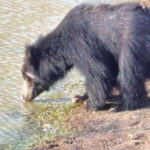
- Sloth bears are harder to read from a distance, so your guide’s scanning and interpretation are key.
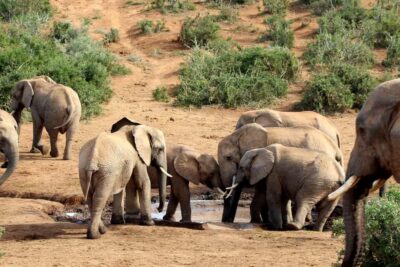
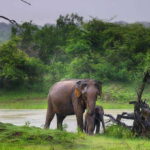
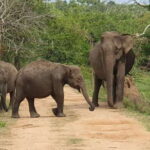
- Elephants and other larger mammals can show up when the drive takes you through the right cover and water sources.
- You’ll also see smaller wildlife and bird life—peacocks, jungle fowls, and other birds are mentioned as part of what you might encounter.
The guide’s explanations matter here. If you only care about spotting an animal, you’ll still enjoy the trip. But if you want to understand why the sightings happen, you’ll get more out of it. The plan encourages you to become more aware of the flora and fauna, which is what turns a few sightings into a day you remember.
Watering Holes and Photography Stops: Why the Pauses Matter
One of the best parts of this safari setup is the promise of longer stops at certain watering holes. In parks like Yala, water is gravity for wildlife. Even when animals don’t arrive right away, guides often choose stops based on patterns they know work.
For you, that means:
- More time to watch behavior (drinking, movement between trees, rest breaks).
- Better photo chances because you’re not always repositioning.
- A calmer pace for your brain. Safari days can feel frantic when the schedule is nonstop. Here, the longer pauses give you a breather.
If you’re bringing a camera or phone, you’ll want to be ready when the jeep stops. Have your settings sorted before you reach the water point, and keep your hand free for quick framing. Quiet observing often beats frantic shooting.
Also, you’ll finish the safari in Hikkaduwa, with drop-off at your hotel. That helps you avoid the common headache of ending a safari with unclear transport home.
Price and Value: Where the $160 Makes Sense
The price is $160 for an approx. one-day safari. That’s not just for “time in a jeep.” Your included items cover practical costs that add up fast:
- Hotel pickup and drop-off
- A/C car or van transfer
- Bottled water
- Mobile ticket use (less hassle at check-in)
But here’s the part you should check before you commit: the information says safari jeep and driver are not included. At the same time, the safari description says you’ll enter the park with your guide in a jeep.
So what’s going on? In real life, some operators bundle the park jeep fee into the package, while others separate it as an extra. You don’t want surprises on the day. I’d confirm what’s included in your final booking total:
- Is the park safari jeep fee already covered?
- Or will you pay extra for the jeep/driver once you arrive?
If the safari jeep is included, then the $160 looks solid because you’re paying for transfers plus the guided entry. If the jeep is extra, the value depends on that additional cost.
Either way, it’s still a fair deal compared with trying to coordinate transport and a guided safari on your own from Hikkaduwa—especially when you want an easy morning or afternoon option.
What’s Included vs Not: The Small Planning Details
Included:
- Bottled water
- Hotel pick up and drop off
- Transfer by A/C car or van
Not included:
- Tips and personal expenses
- Breakfast and lunch
- Anything not listed under inclusions
- Safari jeep and driver (as noted in the not-included list)
That means you should plan food the normal way. Since breakfast and lunch aren’t included, I recommend bringing a snack if you’re doing the morning run and you don’t want to go hungry during the long early hours. For the afternoon run, you may want a light early meal before pickup so you’re not thinking about food while trying to spot wildlife.
Also, bring some patience. Yala is wild. Even in a good safari, you might not see every headline animal every time. The value is in the time on the ground, the guide’s scanning, and the watering hole strategy.
Comfort, Group Size, and How a Private Tour Changes the Feel
This is listed as a private tour/activity, meaning only your group participates. That’s important because wildlife safari logic changes with group size. With fewer people, your guide can adjust movement and stop choices based on your interests and your pace.
In practice, a private setup often means:
- Less waiting around for slower walkers (you’re in a jeep, but schedules still matter)
- More flexibility in how long you want to stay at a point
- A smoother day if you’re sensitive to long drives or want more photo time
You also have transfers by A/C van or car, which is a genuine comfort upgrade in Sri Lanka’s heat. It’s also why the tour works well as a one-day add-on. You’re not hauling yourself around between distant logistics.
Weather and the Day-Of Reality in Yala
This experience requires good weather. If it’s canceled due to poor weather, you’ll be offered a different date or a full refund.
For you, that means two things:
- If you’re traveling during a season where rain is possible, keep one extra day of flexibility if you can.
- Don’t overpack your schedule. If you’re relying on the safari as your main Yala plan, build in some breathing room.
Also, keep your phone reachable. Even without delays, communication matters for early starts, and you don’t want a repeat of that one negative experience where a driver didn’t show.
Should You Book This Yala Safari From Hikkaduwa?
Book it if you want a well-timed, guide-led safari that’s designed for a smooth Hikkaduwa day trip. The combination of hotel pickup, guided entry at the gate, and watering hole stops is the kind of setup that turns “we’ll see what happens” into “we’ve got a plan.”
Consider booking something else or clarifying details first if you’re worried about missing the included parts. The biggest question to confirm is whether the safari jeep/driver is included in your exact package price, since one part of the info lists it as not included. If you get that straight, this is a strong option.
So my decision rule is simple: if you want an organized Yala day with minimal logistics and you’re okay with wildlife days being weather- and luck-dependent, this safari is a good match.
FAQ
What time does the morning Yala safari start?
The morning half-day tour starts at 6:00 a.m., and the safari typically finishes around 11:00 a.m.
What time does the afternoon Yala safari start?
The afternoon run starts at 2:30 p.m., and it typically finishes around 6:00 p.m.
Where do I meet the tour provider?
You start in Hikkaduwa, Sri Lanka. You meet the Sameera Tours driver first, and then you meet your safari guide at the gate entrance to Yala National Park.
What’s included in the tour price?
Included items are bottled water, hotel pick up and drop off, and transfer by A/C car or van. The mobile ticket is also mentioned.
What’s not included?
Not included are tips and personal expenses, breakfast and lunch, anything not listed under inclusions, and safari jeep and driver.
What happens if the safari can’t run due to weather?
The experience requires good weather. If it’s canceled due to poor weather, you’ll be offered a different date or a full refund.