REVIEW · TISSAMAHARAMA
Yala National Park: Safari Experience at Dawn or Dusk
Book on GetYourGuide →Operated by Ceylon Nature Tours · Bookable on GetYourGuide
Dawn in Yala feels like a movie. You’ll ride through forests and lagoons on a jeep safari at sunrise or sunset, with real chances to spot leopards, elephants, sloth bears, and more. Two things I really like are the small max-6 passenger jeeps (you don’t feel swallowed by a crowd) and the way your guide helps you read animal behavior, not just chase sightings. One drawback to keep in mind: the big attractions aren’t guaranteed, and the day can include searching time before you find what you came for.
What makes this safari extra useful is the birding angle. Yala’s habitats can support around 215 bird species, so even on slower wildlife moments you still have plenty to watch and photograph—peacocks included. I also like that the tour is flexible by time of day (morning, afternoon, or evening), so you can choose what fits your pace.
Before you book, do the math: park entry and service fees are about $40 per person and aren’t included. Add those to the listed price and you’ll avoid sticker shock later.
In This Review
- Key Points to Know Before You Go
- Kotapola Pickup and the Small-Jeep Advantage
- Yala at Dawn or Dusk: How the Timing Helps
- Inside the Park: Forests, Lagoons, and Scrub Routes
- Wildlife Checklist: The Animals You’ll Scan For
- Birding in Yala: 215 Species Changes the Whole Game
- Sunset and Photos: What the Evening Tour Does Well
- Guide Quality and the Luck Factor: How to Get Better Outcomes
- Price and Value: What You Pay (and What You Still Need to Budget)
- Who This Safari Fits Best
- Should You Book This Yala Jeep Safari?
- FAQ
- What’s included in the Yala safari package?
- What’s not included?
- How many people are in each jeep?
- How long is the tour?
- Does the tour include pickup?
- Is the guide available in English?
Key Points to Know Before You Go
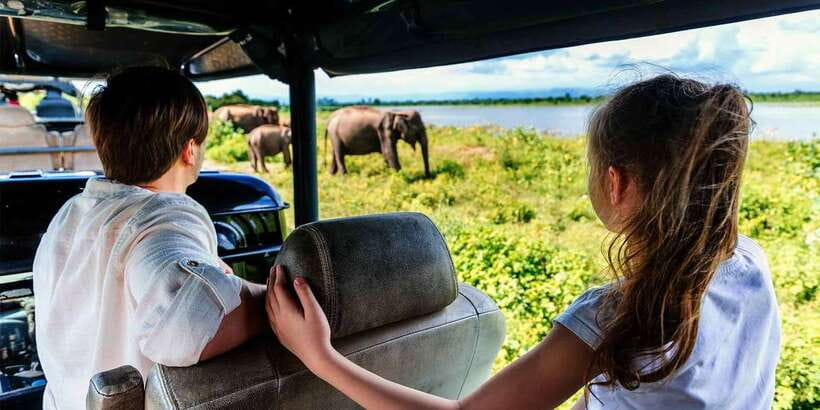
- Dawn or dusk timing is where Yala wildlife activity often feels strongest
- Max 6 passengers per jeep keeps the experience calmer and more personal
- A live English guide helps you spot animals and understand what you’re seeing
- Yala lagoons, scrub, and forest routes give you more chances than one single habitat
- Birdwatching matters here because Yala is known for a huge number of species
- Sunset photo time is part of the evening tour plan
Kotapola Pickup and the Small-Jeep Advantage
This safari runs from the Kotapola area, with pickup offered in and around Kirinda, Palatupana, Tissamaharama, Weerawila, and Kataragama. If you’re outside that zone, you may pay an extra cost for pickup, so it’s worth confirming your exact door-to-vehicle plan before morning comes.
The setup that makes a difference is the jeep size: up to 6 passengers per vehicle. In a place like Yala, that matters because everyone wants a window seat, everyone wants to see movement, and everyone wants a clear line of sight when the guide calls something out. Smaller groups usually mean fewer body-blocks and a better flow when you need to reposition within the park.
Also, this is a guided safari. You’re not just sitting and hoping. Your guide helps you interpret tracks, behavior, and sightings in context, which is how the drive turns into a learning experience instead of a long commute.
You can also read our reviews of more tours and experiences in Tissamaharama.
Yala at Dawn or Dusk: How the Timing Helps
Yala is famous for being active during the low light hours—so choosing dawn or evening is a smart move. In practice, that means you start early (or time your return late) so you’re in the right areas when animals are more likely to be moving, feeding, or at least visible.
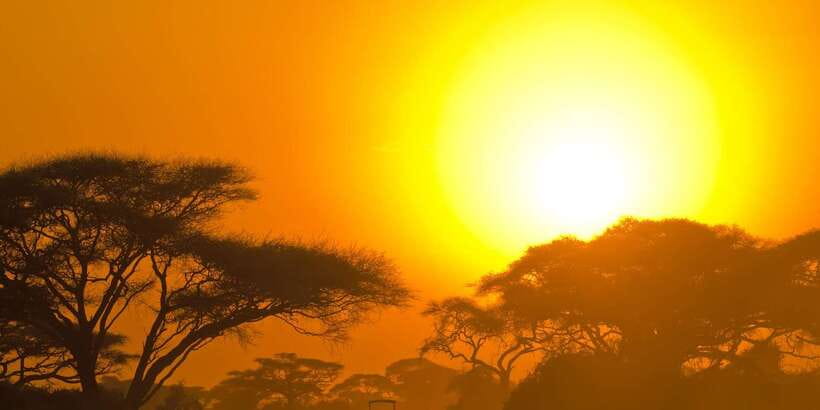
Morning tends to feel crisp and energetic. Evening tends to feel cinematic, especially if you’ve picked the sunset option. You’ll be in the park during golden-hour light, and that’s when photography often looks best from inside a jeep—brighter sky, warmer tones, and dramatic silhouettes against scrub and water.
Afternoon tours exist too, and they can work if you’re balancing other Yala-region activities. Still, if your priority is classic safari viewing, the dawn/dusk choices usually fit that goal better.
Inside the Park: Forests, Lagoons, and Scrub Routes
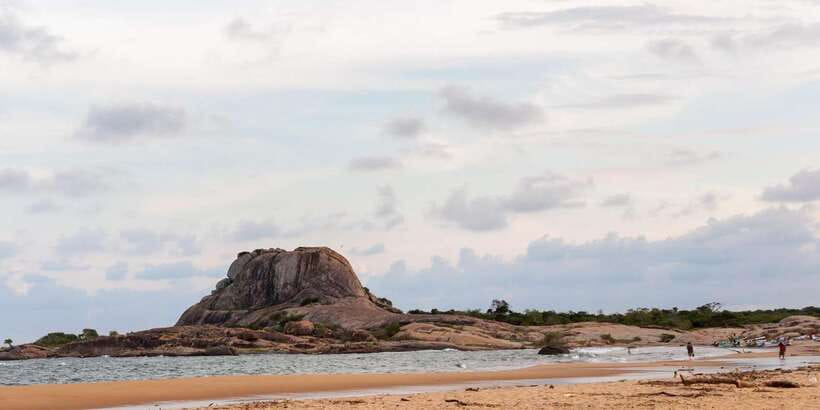
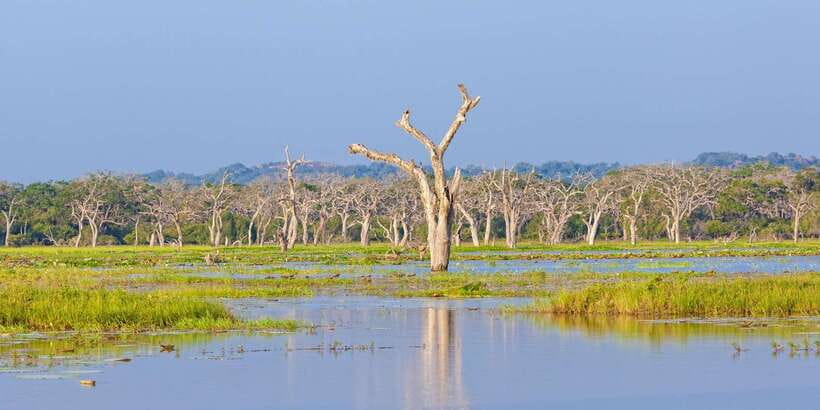
Yala’s area is big—about 378 square miles (979 square kilometers)—and your jeep drives you through more than one kind of terrain. The route concept is simple: you explore forests and lagoons, plus scrub areas where animals travel and rest.
Here’s why that matters for you. If you only stayed in one habitat, you’d miss the way wildlife shifts between water and cover. Lagoons can pull in animals looking for water, while forest and scrub offer shelter and ambush opportunities. Even if you don’t get the headline predator moment, you can still get great sightings because animals tend to move along habitat edges and travel corridors.
Your guide helps decide where to focus your attention as the drive progresses. Expect a rhythm: cruise, scan, pause when something looks promising, then reposition. On a good wildlife day, those pauses get longer and more frequent. On a quieter day, you may spend more time scanning without a clear payoff.
Wildlife Checklist: The Animals You’ll Scan For
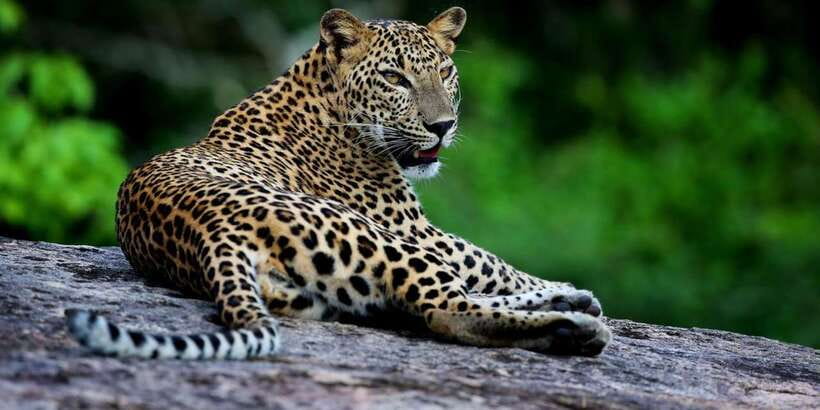
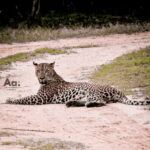
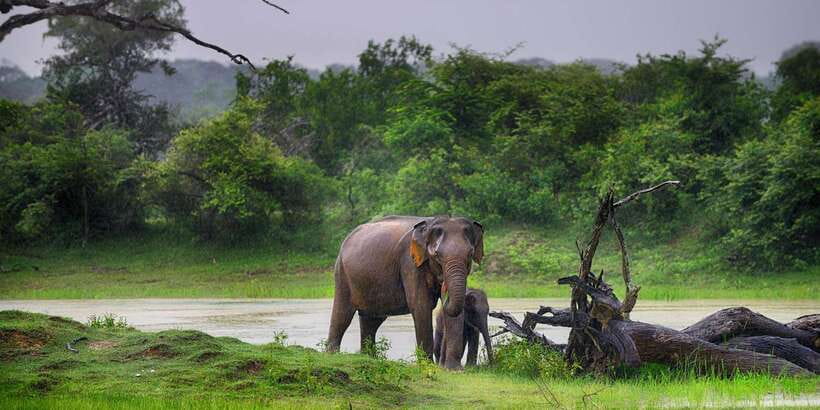
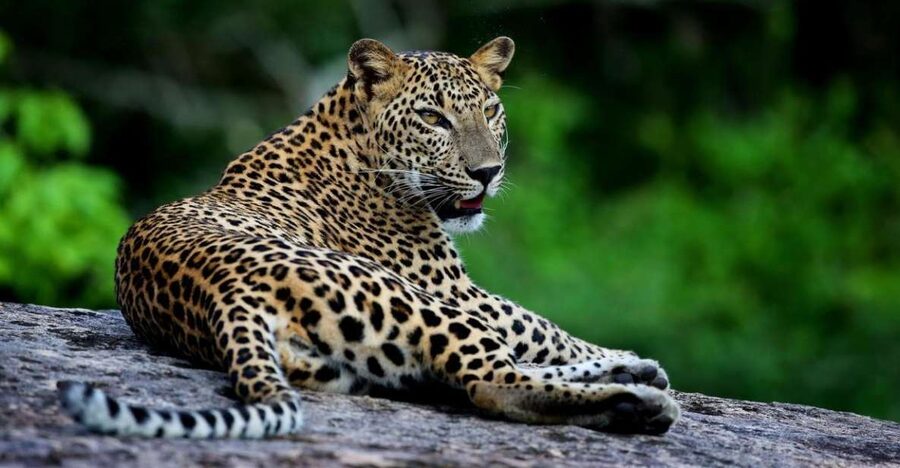
The headline target is leopards, but Yala is also about elephants and a whole cast of smaller wildlife. Based on what this safari aims for, you’ll be on the lookout for:
- Leopards (the big one everyone hopes for)
- Elephants
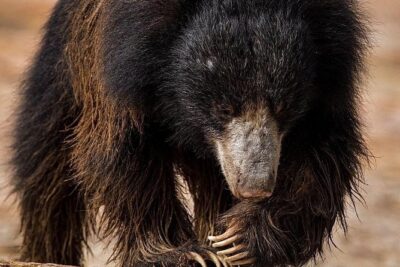
- Sloth bears
- Jackals
- Spotted deer
- Water buffalo
- Crocodiles (often near water edges)
- Plus other mammals you might spot while the jeep is cruising
The reality check: safari viewing is never a vending machine. One day you might see multiple elephants and a leopard; another day the park might feel busy but not reveal the exact animals you want most. Still, Yala’s variety means you usually won’t be staring at emptiness for hours. Even when the larger animals are quiet, there’s often smaller movement—birds, deer, tracks, and water activity.
Also, pay attention to how your driver handles the ride. Some safari experiences are smooth and careful; others can feel more chaotic if the driving style is aggressive or if there are rushed decisions. Either way, remind yourself: you’re on rugged park roads. Wear comfortable clothes, keep your balance, and don’t expect a city-car experience.
Birding in Yala: 215 Species Changes the Whole Game
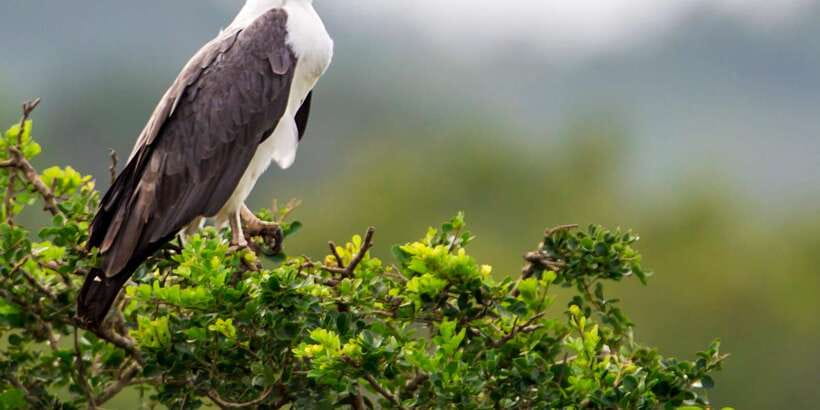
One reason this safari works even when big-game sightings are slow is the birding. The park is known for up to 215 bird species, and you’ll likely spot plenty of them as you drive through different habitats.
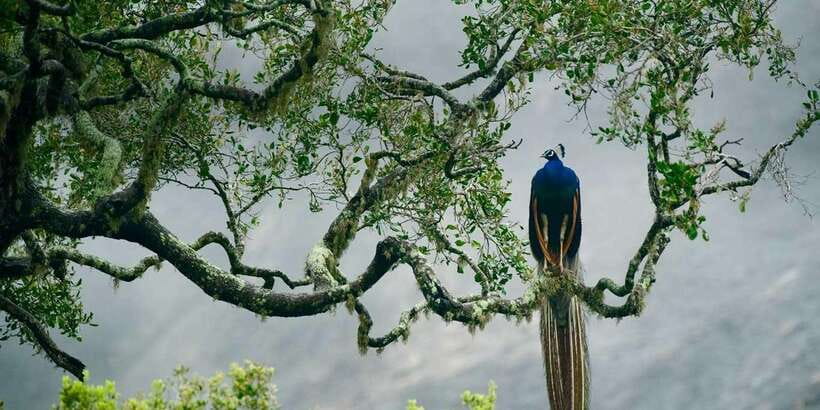
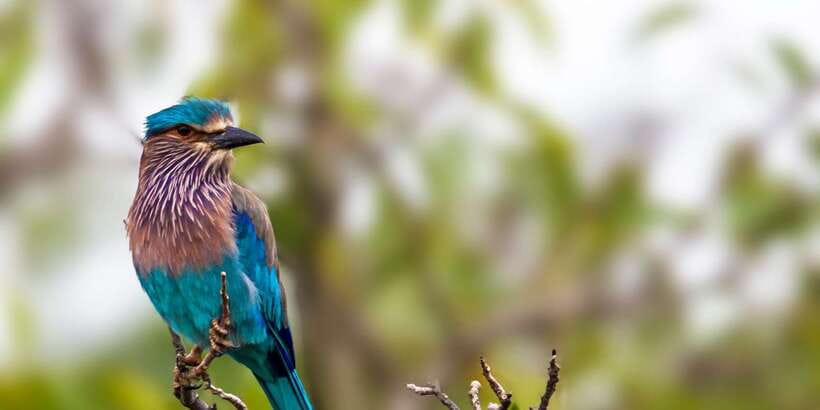
Peacocks are specifically mentioned as a bird you may see inside the park, and that’s actually a good sign for you as a visitor. Birds like peacocks tend to be more visible and photogenic than many shy mammals, so you can build a great set of photos even if the leopard window stays closed.
Birdwatching also gives your guide another way to keep you engaged. When there’s no obvious mammal moment, the guide can still point out behavior—feeding, calling, flight patterns, and where birds choose to perch relative to water and scrub. It turns scanning into a skill, not just waiting.
If you’re the type who loves wildlife photography but gets frustrated when nothing pops up, this bird focus is a real advantage. Your camera won’t sit idle.
Sunset and Photos: What the Evening Tour Does Well
If you choose the evening tour, you’re timed to catch sunset from inside the park. That’s not just for looks. Low light can change how animals appear—movement becomes easier to spot against darker cover, and you can sometimes see reflections and water activity more clearly.
Photo-wise, a jeep is both helpful and limiting. It’s helpful because you’re close enough for real detail, and you can angle your lens out the window when something moves. It’s limiting because you’re on the move, so you’ll want to keep your camera settings ready and avoid fumbling with gear.
My practical advice: bring a lens you can use quickly (not just the one that requires perfect focus and tripod setups). And keep your hands steady. If you’re trying to film or shoot bursts, remember that you’re also scanning for the next animal moment—so plan for quick framing, not long technical sessions.
Guide Quality and the Luck Factor: How to Get Better Outcomes
A good guide makes a noticeable difference in Yala. This safari includes a live English guide, and names from real experiences include guides like Muthu and Mr Tikiri, who are described as passionate and effective at finding animals.
What I take from that as a traveler is simple: guides do more than drive. They help you interpret what you’re seeing and where to look next. They’ll also manage the group’s patience—telling you when to hold position and when to move.
At the same time, I’d be honest about the luck factor. Even with a great guide, the park decides what you get. On some days you might spend time following a possible sighting and not get it. On other days you’ll get the kind of moments you dream about: multiple elephant sightings and a leopard in the same outing.
If you want the best odds:
- Choose dawn or dusk if you can
- Arrive with patience for repositioning and scanning
- Listen to the guide’s reasoning when they shift focus (it’s usually about habitat, timing, and movement patterns)
Price and Value: What You Pay (and What You Still Need to Budget)
The safari price is listed at $14 per person, with duration varying from about 4 to 12 hours depending on the start time and schedule. But the big budget line you must add is the park entry and service fees—about 13,000 Sri Lankan Rupees (roughly $40) per person—because those aren’t included in this package.
So what’s the real value? The value isn’t in a cheap ticket; it’s in the guided jeep time. For the money, you’re paying for:
- Hotel pickup and drop-off in the Yala area
- A guide (English)
- Transportation in a safari jeep
- Access to the experience design: dawn/dusk timing and habitat-focused scanning
After adding park fees, your total spend is more like a mid-range safari outing. At that level, your best protection is your expectations. Go in knowing you’re buying time in the park with a guide, not a guaranteed leopard.
Also, confirm the final total in advance, especially if you’re adding pickup outside the standard area. One of the most common sources of stress in safari tourism isn’t wildlife—it’s misunderstandings about what was included.
Who This Safari Fits Best
This safari is a strong match if you:
- Want a small-group jeep experience
- Prefer guidance and interpretation over random self-driving
- Are interested in both mammals and serious birdwatching
- Can handle a long day if you choose an extended window (the tour duration can run long)
It may not be ideal if you only want one specific animal at any cost. Yala doesn’t operate that way. Even with the best timing, you’re participating in a living system with its own schedule.
If you’re traveling with photography gear, the jeep format is practical, but you’ll still need patience. If you get stressed by scanning and repositioning, you might find yourself wishing the safari felt more predictable. On the other hand, if you enjoy being out in the wild with your attention switched on, you’ll get a lot from the ride itself.
Should You Book This Yala Jeep Safari?
If your plan is Yala anyway, I’d book it—especially if you can do dawn or dusk and you like the idea of seeing a mix of wildlife plus a heavy bird component. The small jeep size and the guide-driven approach are the reasons this can feel worth your time, even when the leopard moment takes its own sweet time.
Just go in prepared:
- Budget for park entry fees on top of the listed price
- Pick the time of day that matches your priorities (sunset for photos, dawn for energy)
- Expect variability in sightings, and use your guide’s scanning skills as your strategy
Do that, and you’ll end up with the kind of Yala memory that stays: water glinting under a lagoon, a sudden alert call, peacocks flashing color, and the feeling of being right where the animals choose to be.
FAQ
What’s included in the Yala safari package?
The package includes hotel pickup and drop-off, a tour guide, and transportation in a safari jeep.
What’s not included?
Park entry fees and service fees are not included. The estimate given is about 13,000 Sri Lankan Rupees (around $40 USD) per person.
How many people are in each jeep?
The safari uses a maximum of 6 passengers per jeep.
How long is the tour?
The duration is listed as 4 to 12 hours, depending on the tour’s starting time. Morning, afternoon, and evening options are available.
Does the tour include pickup?
Pickup is optional and is available from the Yala area, including Kirinda, Palatupana, Tissamaharama, Weerawila, and Kataragama. Pickup outside this area may cost extra.
Is the guide available in English?
Yes, the tour includes a live English-speaking guide.