REVIEW · NEGOMBO
Wilpattu National Park: Morning or Afternoon Safari
Book on GetYourGuide →Operated by Tiger Safaris · Bookable on GetYourGuide
Leopard odds plus easy hotel pickup is what makes this Wilpattu safari stand out for me. You get a guided 4-hour 4×4 jeep session in one of Sri Lanka’s oldest and largest parks, with a route designed for real wildlife spotting. My favorite part is the mix of habitats you’ll pass through, from scrub to open plains and watery areas.
The main drawback to keep in mind is that wildlife sightings are never guaranteed. Even when the guide is on point, weather and animal movement can change the outcome fast, and I’ve also seen notes about day-to-day English clarity.
In This Review
- What you’ll actually do in the park
- Key things that matter on this Wilpattu safari
- Wilpattu National Park: why this park is a serious leopard target
- Morning or afternoon safari: how to choose without overthinking it
- Pickup and drive time: where the day really starts to count
- Inside the safari: what that 4-hour jeep session is like
- Leopards, elephants, sloth bears, deer, and birds: what your odds look like
- The guide and English clarity: how to make the most of it
- Comfort and practical value: is $35 a good deal?
- What this tour includes (and what it doesn’t)
- Rules you should know before you go
- Who should book this Wilpattu safari?
- Should you book Tiger Safaris for Wilpattu?
- FAQ
- How long is the Wilpattu safari, from pickup to return?
- What’s included in the price?
- Do I need to pay park entry tickets separately?
- What should I bring for food and drinks?
- Is an English guide available?
- Is the safari allowed for pregnant women?
What you’ll actually do in the park
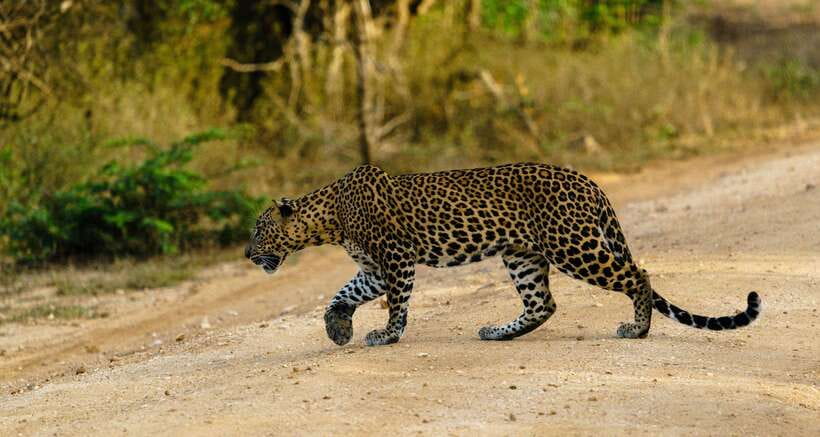
Once you reach Wilpattu National Park, the day shifts from “travel time” to “scan the trees, watch the ground, listen for movement.” The safari route is built around a few named areas—like Kudiramale Point, Pomparippu, and the park’s Villu (water) zones—so you’re not just driving in circles. Your guide navigates rugged terrain and hidden trails inside the park to maximize sightings, and you can take photos along the way.
Key things that matter on this Wilpattu safari
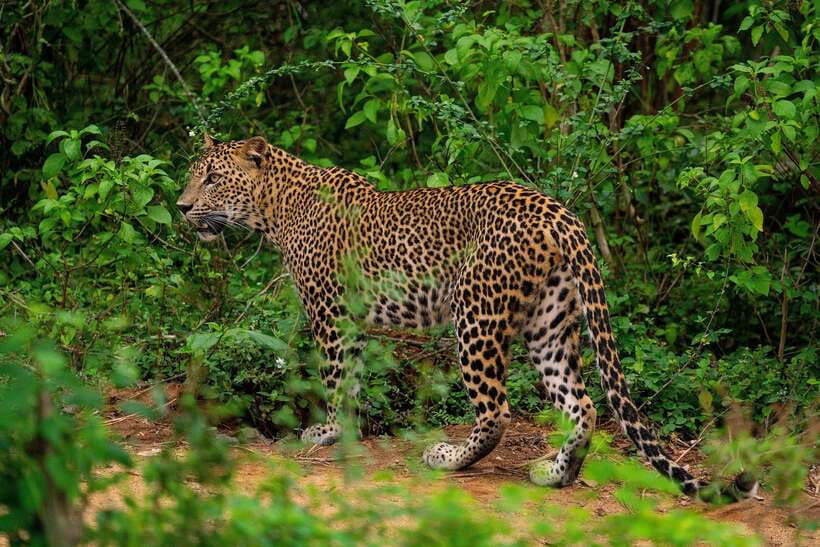
- Pickup and drop-off from several areas cuts down stress before and after the safari.
- A 4×4 jeep ride designed for park roads, not a comfort tour bus.
- Binoculars included, which helps a lot when wildlife is far off.
- Named stopping areas like Kudiramale Point and Pomparippu give structure to your spotting.
- The focus is on leopards, elephants, deer, sloth bears, and birds—not just “a general nature drive.”
- English is listed as available, but day-to-day staff communication can vary, so go in with realistic expectations.
You can also read our reviews of more tours and experiences in Negombo.
Wilpattu National Park: why this park is a serious leopard target
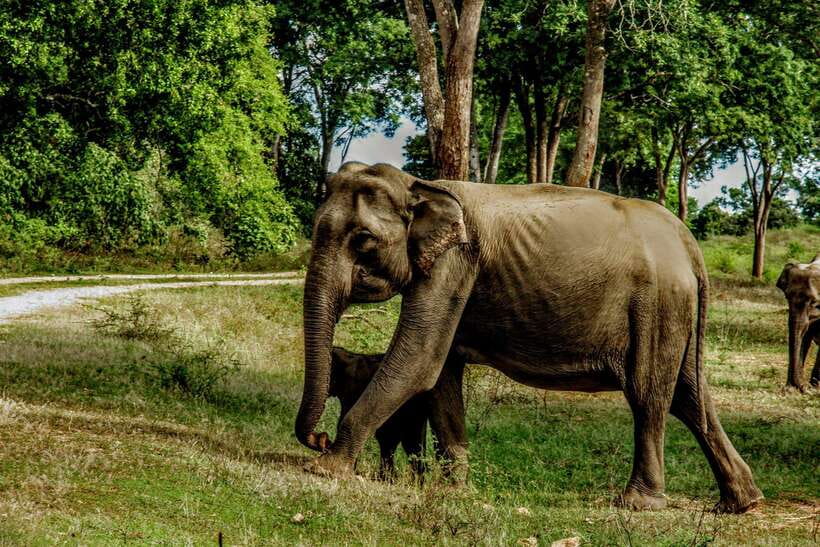
Wilpattu is known for its leopard population, and that matters because it changes how you plan your time. Instead of a “maybe we’ll see something” outing, this tour is built around a park where leopards are a realistic goal. You’re also in a place with lots of different cover—dense scrublands, open grassy plains, and water areas that reflect the sky like you’re driving through a postcard.
That habitat variety helps you in two ways. First, it lets your guide shift where they search as they read the terrain. Second, it increases the odds of seeing more than one animal type: elephants moving through thicker zones, deer in open areas, and birds using both edges and water.
And yes, sightings can still be unpredictable. One dark rainy day can reduce what you notice from the jeep. That’s not a tour failure—it’s wildlife country being wildlife country. But the park’s reputation for predators is the main reason people choose Wilpattu over “safer but less specific” options.
Morning or afternoon safari: how to choose without overthinking it
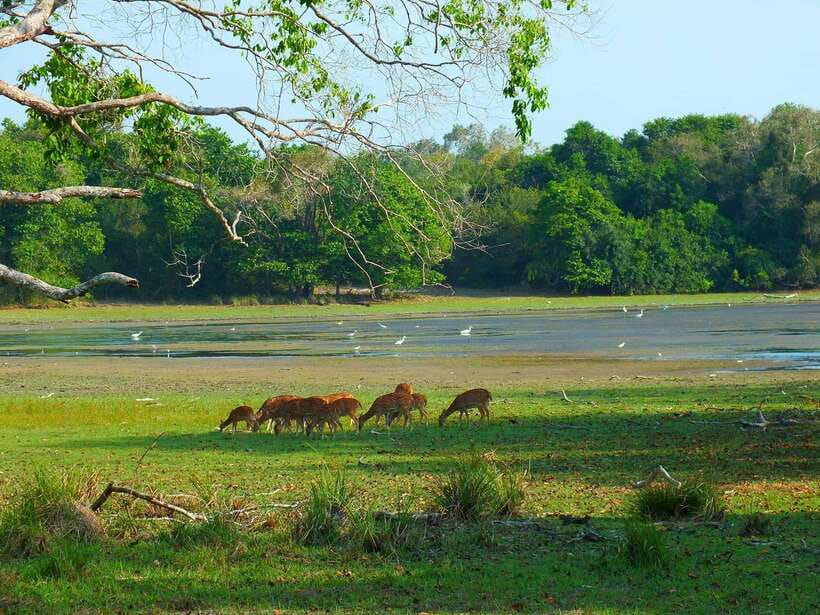
This specific tour runs as a half-day to full-day program depending on starting times, and your schedule will change based on your pickup and drop-off options. Since the safari time in the park is listed as about 4 hours, the biggest choice is when those 4 hours happen for you.
Here’s how I’d decide:
- If you want the day to feel less rushed, pick the time that gives you the easiest pickup-to-return flow from your location.
- If you’re chasing photos, match your timing to the light you’ll want from inside the park (you’ll likely be shooting through windshield glass and tree shade, so glare and contrast matter).
- If you’re sensitive to heat, choose the part of the day that fits your comfort level.
The truth is simple: leopards and elephants don’t run on our schedules. Your best move is to choose the time that you can stick with fully—no half-sleeping, no missed pickup, no “I’ll probably do it later.” You’ll scan better and notice more when you’re fresh.
Pickup and drive time: where the day really starts to count
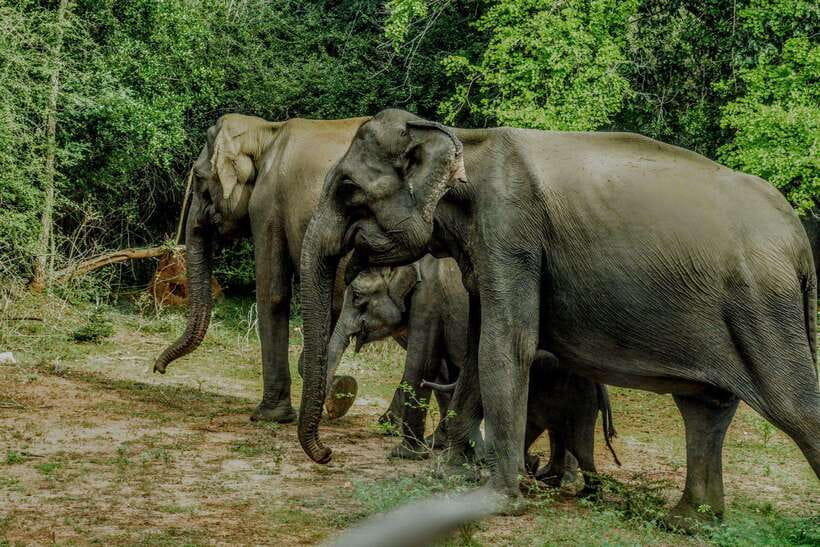
This tour includes complimentary pickup and drop-off from multiple locations, including Nochchiyagama, Sinharagama, Galkadawala, Anuradhapura, Negombo, and Colombo (and it also lists Wilpattu, Nochchiyagama, Sinharagama, and Negombo for return). The total duration is 5 to 10 hours, so plan your day for more than just the safari.
A practical tip: the tour notes that you should wait in the hotel lobby 10 minutes before your scheduled pickup time. With safaris, being early isn’t just politeness—it protects your whole timeline. If you’re traveling between regions, traffic and checkpoints can shift the start, and that can affect which habitats the guide has the best time to search.
I’d also think of the drive as part of the experience. You’re moving toward a different ecosystem, and when you arrive, you’ll be ready to focus. Still, if you hate long car time, this is something to factor in before you book, because this is not a “grab coffee and hop in” trip.
Inside the safari: what that 4-hour jeep session is like
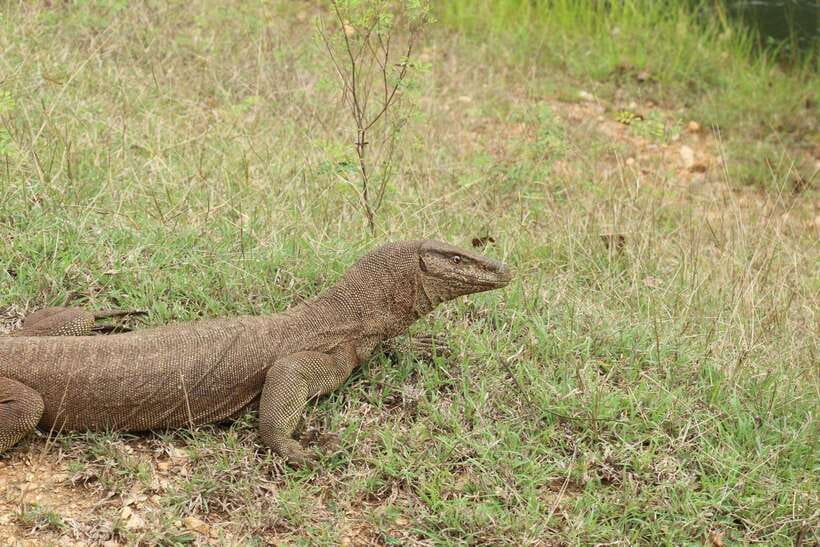
Your safari is set up as a 4×4 jeep ride with an experienced guide and a focus on spotting. That matters because Wilpattu’s roads and tracks require a vehicle that can handle uneven ground and sudden stops. It’s also why the tour includes binoculars: you’ll do a lot of “look first, then react.”
The guide leads you through rugged terrain and hidden trails to maximize your wildlife viewing opportunities. The route includes a handful of named areas—Kudiramale Point, Pomparippu, and the Villu zones—so you get some structure rather than a vague “we’ll see what happens.”
What you can do during the safari:
- Take pictures of wildlife during the drive.
- Watch for animals in both open sightlines and deeper cover.
- Use binoculars to confirm what you’re seeing before your camera snaps.
What you should expect to feel:
- Stopped often enough to scan properly.
- Adjusted for animal movement, not a strict “sightseeing clock.”
- Slightly bumpy, because this is a safari jeep and you’re off-road.
Leopards, elephants, sloth bears, deer, and birds: what your odds look like
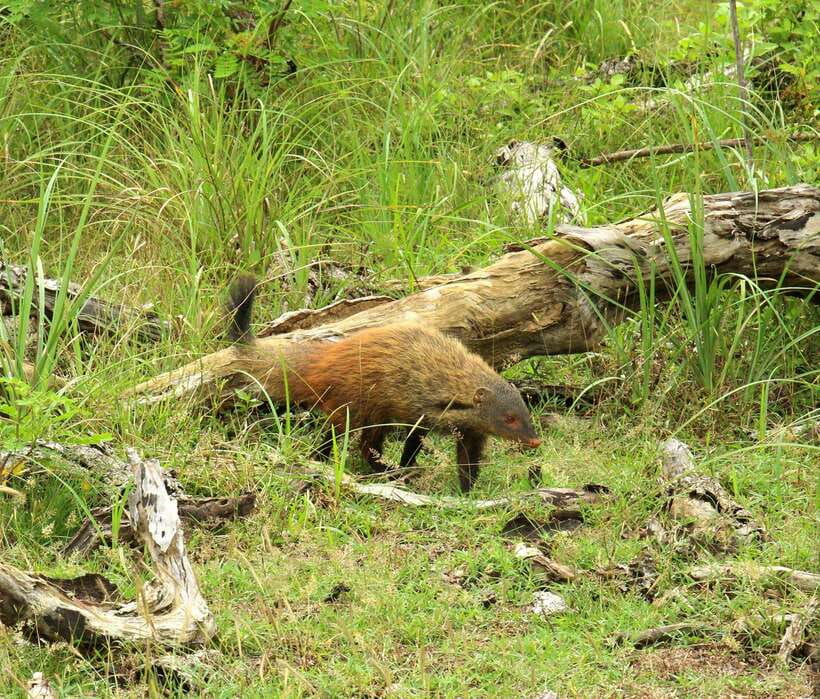
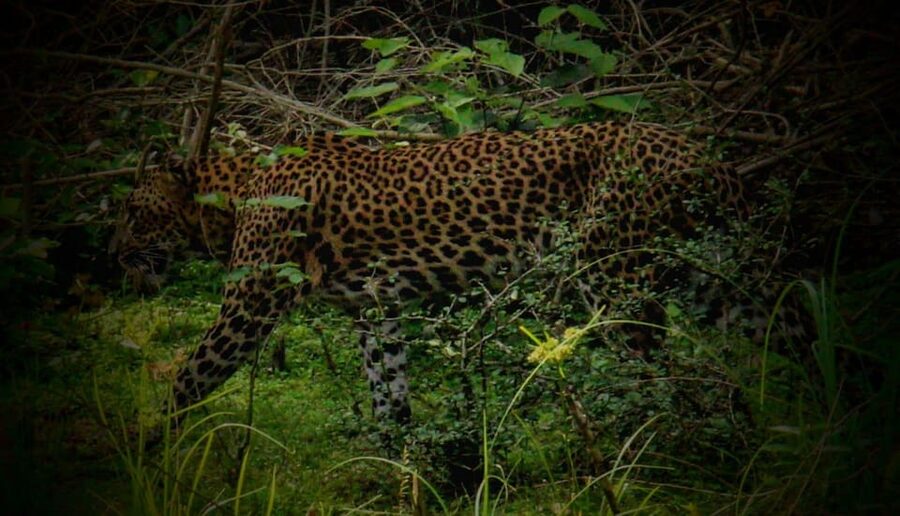
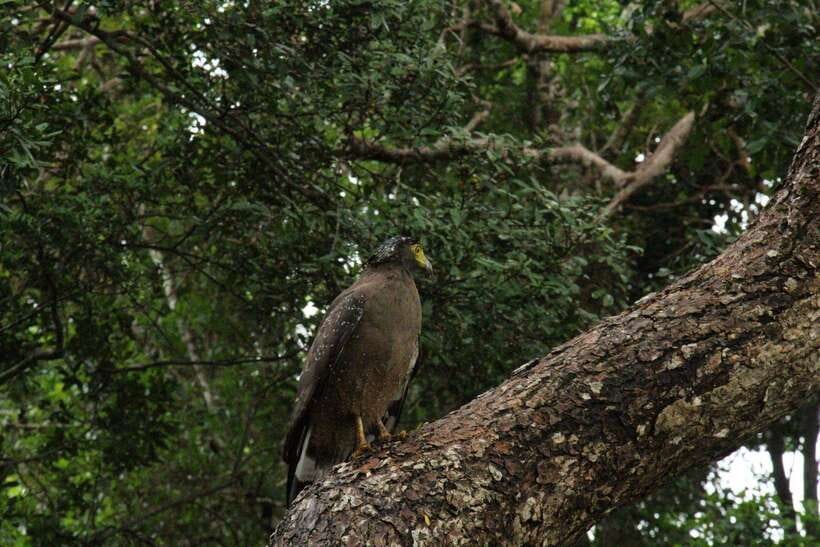
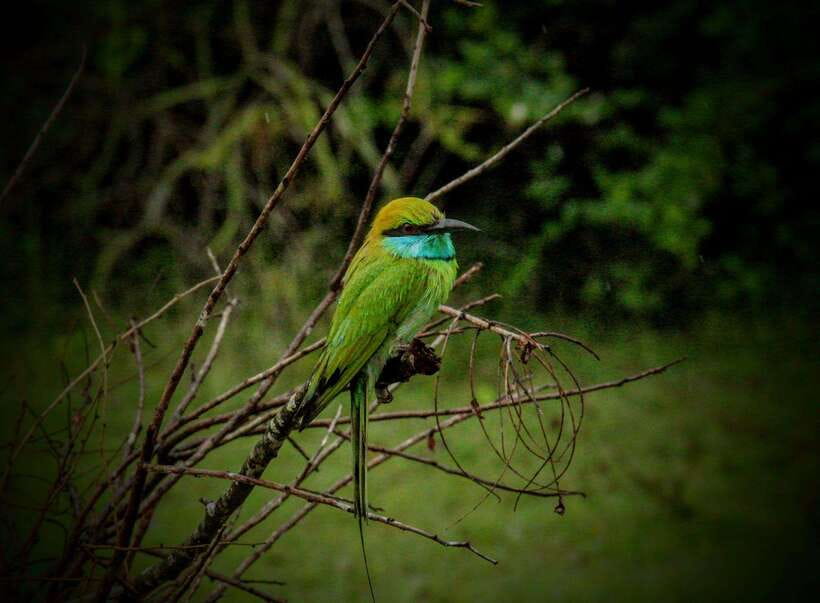
The tour’s promise centers on a few big targets: leopards, elephants, deer, and sloth bears, plus plenty of birds. That focus is helpful because it shapes how the guide searches. Instead of telling you generic facts, the guide is supposed to interpret the park and move you to likely areas.
Here’s the reality check I think you should plan for:
- Leopards are the headline, and Wilpattu’s reputation supports that.
- Elephants and deer are often easier to spot than the top predators, especially if you hit the right timing and visibility.
- Sloth bears can happen, but they’re harder to confirm in many safari settings.
I’ve also picked up from the pattern of outcomes that your best “stack” of sightings often includes one standout moment plus a bunch of smaller wins: an elephant sighting, lots of deer, and birds that keep showing themselves when you slow down and scan edges and waterlines.
Also pay attention to how weather changes the experience. Rain can cut activity and make spotting harder. When conditions are tough, a good guide still helps by reducing wasted time and pointing out what’s worth looking at—even if the big cat doesn’t show.
The guide and English clarity: how to make the most of it
This tour lists a live tour guide in English and an optional English audio guide. That’s a great baseline. But I’d still advise you to approach safari guiding like this: wildlife spotting beats talking, every time.
Based on the range of experience in the field, the quality of English communication can vary from day to day. The best guiding moments aren’t about perfect grammar—they’re about reading tracks, understanding habitat edges, and knowing what behavior to look for.
How you can make it easier on yourself:
- Go in with a short list of what you want to spot (leopard, elephant, sloth bear, deer, birds) so you can follow the hunt.
- When the guide points out an animal, use the binoculars right away. Don’t wait for explanation—watch first, listen second.
- If language is limited, still trust the spotting cues. The jeep driver’s skill matters, too.
If you’re extremely language-dependent, do some extra checking before you commit. A safari is worth it for the sightings, but a tour also should help you understand what you’re seeing.
Comfort and practical value: is $35 a good deal?
The listed price is $35 per person, and the safari experience runs 5 to 10 hours with a 4-hour time in the national park. The tour includes a comfortable spacious safari jeep, an experienced guide, driver/guide, and binoculars—plus hotel pickup and drop-off from several areas.
Now here’s the cost math you shouldn’t ignore:
- National Park entry tickets are not included, listed at about $37 (per person).
- Food and drinks are not included.
So you’re really budgeting closer to:
- $35 (tour)
- plus about $37 for park entry
- plus meals/snacks
That still can be good value, especially if you consider what you’re getting: a structured guided safari in a park with leopard potential, not a random drive. The “value” part comes from the combination of transportation, guide guidance, and time inside the park.
What you can do to protect your budget:
- Bring snacks or plan a simple meal stop on either end of the safari.
- Carry water, because you may be out longer than you expect once pickup time and return timing are factored in.
Where the value can dip: if your day has low sightings due to weather or animal movement, the cost still stands. That’s the one thing no tour can eliminate in safari tourism.
What this tour includes (and what it doesn’t)
Included:
- Comfortable jeep and a 4×4 jeep safari
- Experienced guides and driver/guide
- Binoculars
- Hotel pickup and drop-off at the listed areas
- Live tour guide in English
Not included:
- National Park entry tickets (about $37)
- Food and drinks
A small but important note: the tour doesn’t mention rest stops or meals inside the park. If you’re doing a longer pickup-and-drive day, treat food as something you’ll need to plan yourself.
Rules you should know before you go
This is a straightforward safari with a few clear boundaries:
- No alcohol and no drugs
- Not suitable for pregnant women
Those rules matter because they’re about safety and comfort in safari conditions—uneven ground, long sitting stretches, and real wildlife proximity.
Who should book this Wilpattu safari?
This is a smart fit if:
- You’re wildlife-first and want a guide-led plan aimed at leopards.
- You value pickup logistics because you don’t want to arrange your own transport into the park.
- You’re okay with the reality that wildlife spotting is unpredictable.
It’s less ideal if:
- You hate long driving time and prefer shorter city-based sightseeing.
- You’re only interested in guaranteed “big animal” sightings.
- You need constant language support from a highly trained English speaker (the tour lists English, but day-to-day clarity can vary).
Should you book Tiger Safaris for Wilpattu?
If you’re choosing Wilpattu because you want leopard potential and a structured safari hunt, I’d book this. The combination of 4×4 jeep time inside the park, binoculars, and pickup/drop-off from multiple areas makes it easy to execute as part of a Sri Lanka road trip or a north-central itinerary.
If you’re very sensitive to the possibility of low sightings, go in with the right expectations: nature sets the schedule. Your best chance to feel like the money paid off is to pick a time you can fully commit to, bring snacks/water so you don’t get distracted, and trust the guide’s route when the jeep slows down and everyone starts scanning.
FAQ
How long is the Wilpattu safari, from pickup to return?
The full experience is listed as 5 to 10 hours. Time inside Wilpattu National Park is listed as about 4 hours.
What’s included in the price?
The tour includes hotel pickup and drop-off from selected areas, a comfortable 4×4 safari jeep, an experienced guide, driver/guide, and binoculars. A live English guide is included.
Do I need to pay park entry tickets separately?
Yes. National Park entry tickets are not included and are listed as about $37.
What should I bring for food and drinks?
Food and drinks are not included, so you’ll want to plan your own snacks or meals for the day.
Is an English guide available?
Yes, the tour lists a live tour guide in English, and there’s also an optional English audio guide.
Is the safari allowed for pregnant women?
No. The tour is listed as not suitable for pregnant women.