REVIEW · WILPATTU NATIONAL PARK
Wilpattu National Park Guided Tour in a Safari Jeep Ride
Book on Viator →Operated by Experiential Traveller Sri Lanka · Bookable on Viator
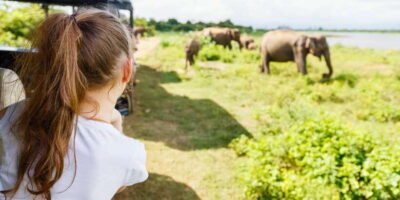
Leopards and elephants in one calm ride. A guided Wilpattu National Park safari jeep takes you through the park’s different habitats—villus waters, river forest, and dry scrub—while the guide follows a rules-first approach to wildlife viewing. It’s a great choice when you want more than just driving around and hoping.
I especially like two things here: the guide’s animal-spotting effort and the way you get context before the sightings heat up. With a guide such as Suranga (who’s known for patient searching and smart positioning), you’re set up to notice wildlife correctly, not just randomly pass by it. And before you chase mammals, you spend time looking at Wilpattu’s villus and forest ecosystems, which makes every sighting feel more meaningful.
One thing to keep in mind: wildlife sightings aren’t guaranteed, because this is not a zoo. Also, the jeep’s entry can involve a ladder, which may be awkward if you’re older or have mobility limits.
In This Review
- Key things to know before you go
- Wilpattu’s villus-and-forest mix is the real star
- The three stops: tickets, habitat views, then your best wildlife window
- Stop 1: Wilpattu Safari Hunuwilagama (getting in)
- Stop 2: Wilpattu National Park (habitats you can actually see)
- Stop 3: Wildlife and bird time (where attention pays off)
- Responsible jeep driving: what “ethical” looks like on the ground
- What you can realistically spot (and how to stay excited anyway)
- Price and value: is $75 for a 3-hour safari a smart spend?
- Getting comfortable in the jeep (and staying ready to spot)
- Timing: when 6:00 AM to 3:00 PM matters
- Who this safari suits best
- Should you book this Wilpattu guided jeep safari?
- FAQ
- How long is the Wilpattu National Park guided safari jeep ride?
- What time does the safari operate?
- What is included in the price, and what should I bring?
- How many people are in the group?
- Is wildlife sighting guaranteed on this safari?
- What is the cancellation policy?
Key things to know before you go
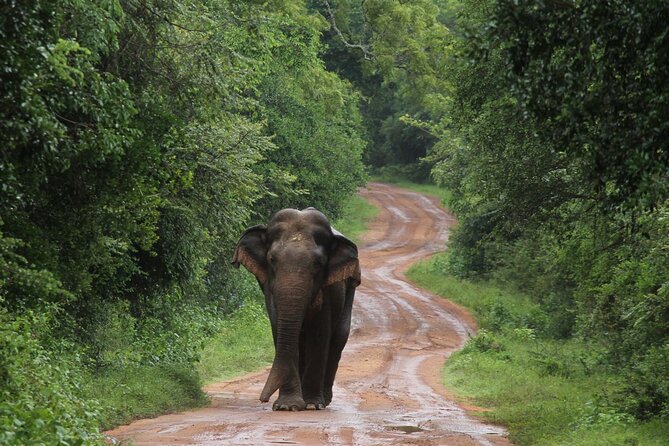
- Freshwater villus shape the whole park experience, drawing animals and birds year-round
- A careful, rules-based driving style helps you watch without pushing wildlife
- Three planned stop windows give you a mix of scenery, habitat learning, and animal time
- A small group size (max 6) keeps the safari feeling manageable
- Bring your own bottled water and snacks, since they’re not included
Wilpattu’s villus-and-forest mix is the real star
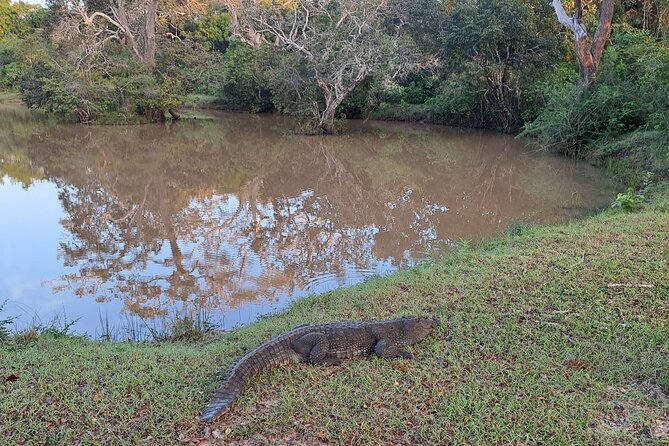
Wilpattu National Park is unusual in Sri Lanka because it includes freshwater villus—natural water pockets that help create a living landscape of wet and dry zones. That matters because animals don’t move through the park the same way every day. When water, cover, and food line up, you get better chances to see elephants, deer, water buffalo, and lots of birds.
The park sits in an intermediate climatic zone, meaning you’ll have wet and dry seasonal patterns. In practice, that affects where animals choose to linger and how birds behave. If you’re traveling from November to April, you can also expect a mix of resident birds and migratory visitors, which adds variety beyond the big mammals.
And yes, Wilpattu is famous for its chances at spotting iconic animals—Sri Lankan leopards and sloth bears are part of the story here. But even if you don’t land the headline animal, Wilpattu still rewards attention. You’ll be watching for movement, calls, and subtle signs in forest edges and open dry areas.
You can also read our reviews of more tours and experiences in Wilpattu National Park.
The three stops: tickets, habitat views, then your best wildlife window
This safari is built around a simple rhythm, and that’s a big part of why it feels organized instead of chaotic.
Stop 1: Wilpattu Safari Hunuwilagama (getting in)
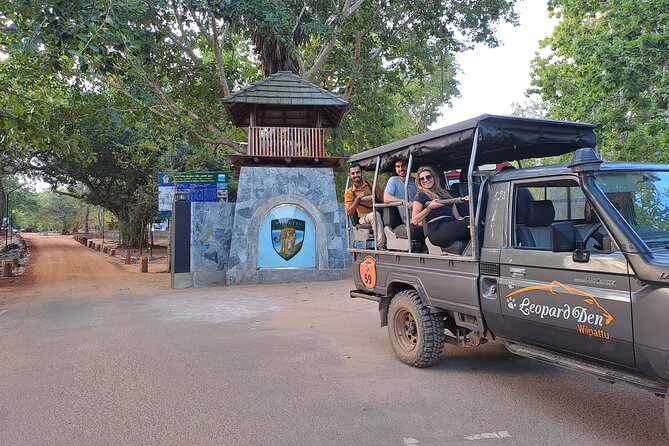
You start at Wilpattu Safari Hunuwilagama, where you enter the park. There’s time set aside for this step, and the schedule notes a ticket purchase moment here (with a note that admission ticket is not included at this stop).
At the same time, the overall inclusions list says entrance fee is included. Since those two details point in different directions, the smart move is to check what you’ll personally need to pay for on the day—especially if you don’t want surprises at the gate.
This first stop is where you get your bearings. The park can feel like a world of its own once you’re inside, so you’ll want to be ready to scan quickly after entry.
Stop 2: Wilpattu National Park (habitats you can actually see)
Next you shift into viewing time for the park’s ecosystem types, including mixed evergreen forests, riverine forests, dry pathana, and shrubland. You’ll also hear about the villus presence and how these habitat pockets influence where animals come and go.
This segment is short, but it’s valuable. Wildlife spotting is easier when you know what kind of cover you’re looking at. If you understand that river forest and villus edges attract different animals than dry shrubland does, you’ll interpret what you see faster—and you’ll miss fewer chances.
Stop 3: Wildlife and bird time (where attention pays off)
The final stop window focuses on sightings, with a checklist of animals and birds you might encounter, such as Sri Lankan leopard, Sri Lankan sloth bear, Asian elephant, wild boar, spotted deer, water buffalo, little green bee eater, kingfishers, egrets, storks, and monitor lizards.
This is the part where a strong guide makes the difference. The best safari moments often come from tiny decisions: where to pause, which track to take slowly, and when to stop so you don’t blow past something. If you get a guide who’s good at searching and spotting—as Suranga has been praised for—your odds improve because you’re not just driving; you’re actively watching.
And remember: the stop windows are time-limited. So the “game” is to stay calm, listen, and let the guide do the work.
Responsible jeep driving: what “ethical” looks like on the ground
You’ll get a safari that’s designed around respectful wildlife behavior. The operator emphasizes minimizing disturbance, keeping proper distance during sightings, avoiding fast driving, and following park speed limits.
That’s not just a feel-good promise. In a park like Wilpattu, going too fast or gathering too close can turn a potential sighting into a stressful moment—for animals and for you. Watching from a responsible distance also tends to give you better behavior to observe: feeding, walking, resting, or interacting, rather than just startled movement.
One note from real-world experience: Wilpattu can get busy, especially when groups all arrive at similar times. That can make elephants feel uneasy if many jeeps cluster near them. The good sign is that this tour is structured to avoid rushing and to keep the viewing approach controlled.
If you’re someone who wants wildlife photos without treating animals like targets, you’ll likely appreciate this approach more than a high-speed “chase” style.
What you can realistically spot (and how to stay excited anyway)
It’s fair to be honest: sightings aren’t guaranteed. This is where expectations need a little steering. The best way to enjoy the safari is to treat each sighting as a bonus, not a checklist task.
Still, the park’s mix gives you strong possibilities:
- Elephants, especially Asian elephants (including male elephants that are known as loners)
- Water buffalo and other grazing animals like spotted deer
- Wild boar and monitor lizards
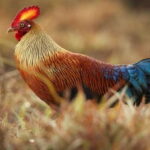
- Birdlife including kingfishers, egrets, storks, and the little green bee eater
And yes, there are headline options:
- Sri Lankan leopards
- Sri Lankan sloth bears
Here’s the practical mindset I recommend: focus on zones and behavior. If you see signs of water and dense cover near villus areas, you’re in a better watching pocket. If you see open dry pathana or shrubland, you might shift your attention to animals moving between feeding and shelter.
Also, let the guide handle the micro-decisions. Good guides reduce wasted time by not overreacting to every distant shape. They scan, reposition slowly, and then let you watch long enough to notice what the animal is actually doing.
Price and value: is $75 for a 3-hour safari a smart spend?
At $75 per person, this safari is positioned as a mid-range option for a guided jeep experience. The value comes from two things: (1) the paid safari jeep fee and (2) the fact you’re not doing a self-drive guessing game.
A key detail: duration is about 3 hours (approx.), and it includes travel time. That’s not a full-day commitment, which helps if you’re juggling other parts of Sri Lanka and still want a real wildlife outing.
Group size also affects value. With a maximum of 6 travelers, you’re less likely to feel like you’re sharing “spotting time” with a huge crowd. Smaller groups also tend to make it easier for the guide to position the jeep correctly during sightings.
My other value check: what you don’t get. Bottled water and snacks aren’t included, so plan to cover that. If you forget, you’ll spend time hunting for refreshments instead of watching. Pack smart and this $75 feels like a straightforward wildlife session rather than an expensive inconvenience.
One more detail: bookings are typically made about 93 days in advance on average. That’s a clue this safari gets planned early—so if you’re traveling during peak months, waiting too long can shrink your options.
Getting comfortable in the jeep (and staying ready to spot)
A jeep safari sounds casual until you’re actually climbing in and out, and that’s where you’ll want a little prep.
The jeep ride can involve a ladder at the back to get into the vehicle. For most people it’s fine, but if you’re a senior citizen or you don’t love step ladders, this is worth considering in advance. If that’s you, go slower with the steps and wear shoes with solid grip.
Other practical tips that fit this specific kind of short safari:
- Bring a hat and sunscreen, since you’ll likely spend time seated looking forward
- Wear comfortable, breathable layers so you can handle changing light and mild temperatures
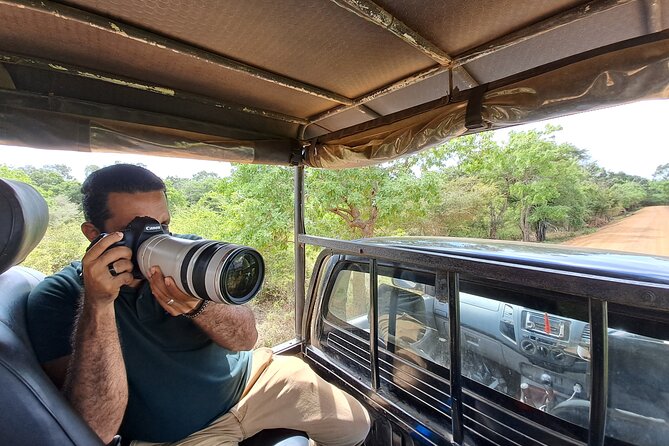
- Have your camera ready before the best moment starts, not during it
- Bring your own bottled water and snacks, because they’re not provided
Also, you’ll get a mobile ticket, which is convenient. Still, keep an eye on your phone battery. In rural areas, charging options can be limited.
Timing: when 6:00 AM to 3:00 PM matters
This tour operates between 6:00 AM and 3:00 PM, seven days a week. Since wildlife can be active at different times, your pickup timing can influence what you see.
If you choose the earlier side, you may get cooler conditions and animals that are more active around morning hours. If you go later in the day, you might see different behavior patterns—sometimes more relaxed grazing or movement toward shade. Either way, a responsible guide will adjust driving pace and viewing pauses to what’s happening in the park, not just a rigid script.
Confirmation is typically received within 48 hours of booking, subject to availability. Plan ahead so you’re not scrambling last minute.
Who this safari suits best
This Wilpattu National Park guided jeep ride is a strong fit if you want:
- A guided experience with ethical viewing practices
- A short safari that fits into a broader Sri Lanka plan
- A mix of learning and wildlife viewing, not just driving
- A manageable group size (up to 6)
It also works for most travelers, and it’s described as near public transportation. If you’re traveling as a family, the shorter format can be easier to manage than an all-day outing—especially when you’re watching for animals rather than rushing from one attraction to the next.
If your main goal is guaranteed big-cat action, you might feel frustrated. But if you enjoy nature, birds, and the thrill of good spotting, you’ll likely have a better time.
Should you book this Wilpattu guided jeep safari?
I’d book it if you care about respectful wildlife viewing, want a guided ride instead of self-driving uncertainty, and you’re comfortable with the real safari rule: sightings are never guaranteed.
You should think twice if mobility is an issue, because the jeep entry may involve a ladder, or if you need a tightly controlled schedule with predictable animal outcomes. This is about smart searching and watching carefully, not about making the park act like a theater.
If you go in with patience and the right expectations, this three-hour Wilpattu safari can deliver exactly what you want: animal sightings when luck and timing align, plus the kind of habitat awareness that makes the whole park feel alive.
FAQ
How long is the Wilpattu National Park guided safari jeep ride?
The tour duration is approximately 3 hours, and it includes travel time.
What time does the safari operate?
It runs daily (Monday to Sunday) from 6:00 AM to 3:00 PM.
What is included in the price, and what should I bring?
The price includes the safari jeep fee and an entrance fee. Bottled water and snacks are not included, so you’ll want to bring those.
How many people are in the group?
This activity has a maximum group size of 6 travelers.
Is wildlife sighting guaranteed on this safari?
No. Wildlife sightings are not guaranteed on this safari.
What is the cancellation policy?
You can cancel for a full refund up to 24 hours before the experience starts. If you cancel less than 24 hours before, the amount paid will not be refunded.