REVIEW · CANCUN
Snorkeling adventure at Puerto Morelos Reef National Park
Book on Viator →Operated by Clubvctravel · Bookable on Viator
Turtles can show up quickly. This Puerto Morelos Reef snorkeling outing gets you out on the water fast, with a licensed marine guide, top-notch snorkel gear, and a focus on helping you see real reef life. You’re also starting right in Puerto Morelos, so this feels more like a local coastal trip than a far-flung excursion.
I love two things most. First, the safety setup: you’ll get lifejackets and properly fitted snorkeling equipment, and the crew is described as capable and good at making people feel secure. Second, the wildlife odds are strong for a short trip—people specifically call out sea turtles and stingrays, plus plenty of colorful reef fish.
One drawback to think about: conditions can be rough. One group reported choppy water that made more than half of the boat feel too seasick to snorkel after the first stop. If you’re motion-sickness prone, pick a day with calmer seas and bring what you need—also know that one coordinator account wasn’t exactly warm.
In This Review
- Key highlights worth paying attention to
- Puerto Morelos Reef: why this short trip can feel so alive
- Where you meet (Faro Inclinado) and the transport reality
- Gear and lifejackets: the difference between stressful and fun snorkeling
- The two-hour flow: what happens from boat to reef to return
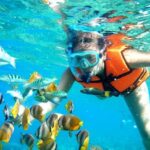
- Wildlife spotting: your realistic checklist for this reef
- Price and dock tax: the value math you should do first
- Weather and seasickness: how to protect your experience
- Service style: guides on the water vs. the coordinator on land
- Who should book this Puerto Morelos snorkeling tour
- Should you book it?
- FAQ
- How long is the snorkeling adventure?
- Where does the tour start and end?
- What is included in the $39.50 price?
- Is the dock tax included?
- How big is the group?
- Is the tour offered in English, and do I get a ticket on my phone?
- Will I get snorkeling equipment and a lifejacket?
- Can I get a full refund if I cancel?
Key highlights worth paying attention to
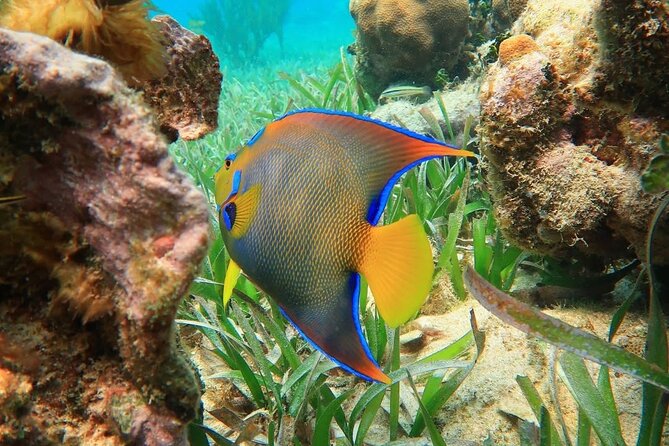
- Sea turtles and stingrays are common goals for this reef-focused route.
- Small-group size (max 25) helps the guide keep an eye on everyone.
- Gear and lifejackets are included, so you’re not hunting rentals at the last minute.
- Licensed maritime guide means you’re not just floating and hoping.
- Plan for choppy water on some days, especially if you get motion sick.
Puerto Morelos Reef: why this short trip can feel so alive
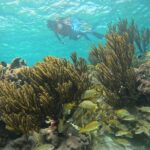
This tour centers on the National Reef Park of Puerto Morelos, a place known for coral structure close to the boat route. The payoff here is time-efficient: you don’t need a half-day cruise to get into meaningful snorkeling. Instead, you go out from near shore, then spend your snorkeling window working the reef areas your guide chooses.
The guides’ main job is matching you to the right conditions. That includes where you enter the water, how you move around coral without damaging it, and how you pace your snorkeling so you can actually look and not just work your way through the currents. In the better experiences, that guidance clearly matters—people report feeling safe and getting to the right reef spots rather than wandering around.
You should also expect your success to depend on what the water is doing that day. Calm water makes it easier to float, control your breath, and focus on what’s right in front of you. Choppy water does the opposite: you’ll work harder just staying comfortable, and it can become harder to spot turtles and rays that don’t hang around for long.
You can also read our reviews of more tours and experiences in Cancun.
Where you meet (Faro Inclinado) and the transport reality
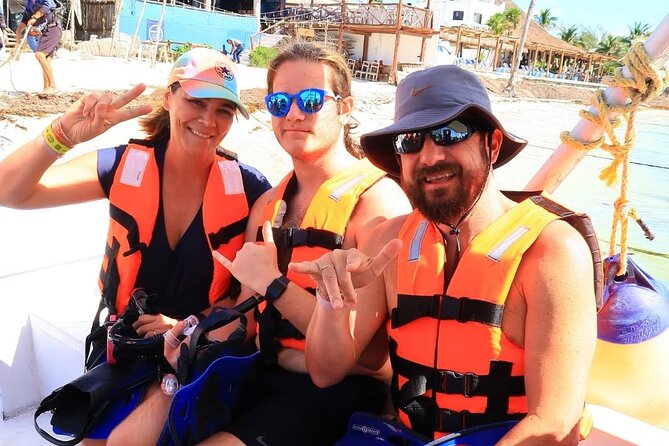
This starts and ends at Faro Inclinado, in the Puerto Morelos area (address listed as 77580 Puerto Morelos, Quintana Roo, Mexico). That’s good news if you’re already staying in Puerto Morelos or near public transport. It’s also a heads-up if you’re based deeper in the Cancun hotel zone.
One recurring theme from practical feedback: getting a reliable taxi or finding transport to the pickup point can be annoying. So I’d treat this as a Puerto Morelos–anchored outing. If you’re not nearby, plan your ride in advance and build buffer time.
If you’re used to tours that pick up from big hotel zones, this one may feel different. The meeting point is fixed, and you’re back there afterward. So don’t assume there’s a convenient shuttle timed to your hotel.
The good part? It’s simple on paper: you go out, you snorkel, you return. You’ll just want to make sure you can actually get to the start smoothly. A “smooth” start makes a huge difference once you’re on the boat.
Gear and lifejackets: the difference between stressful and fun snorkeling
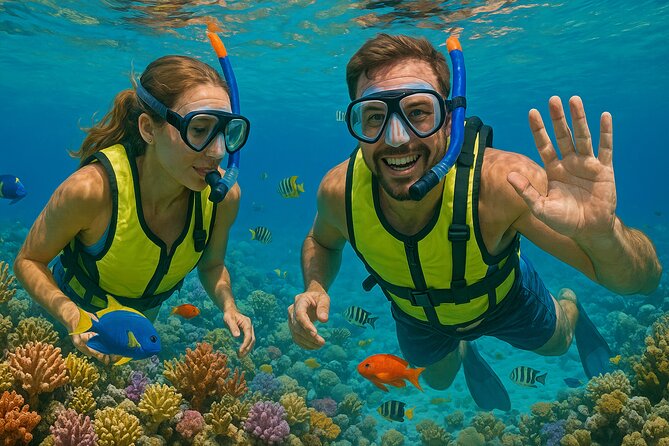
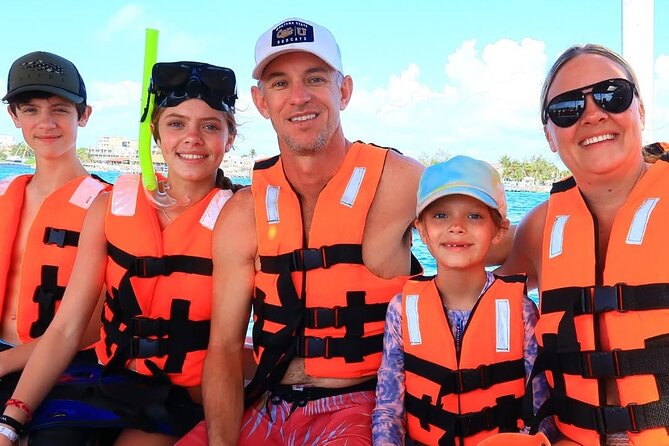
For $39.50, you’re not buying just access. You’re getting a full setup: snorkeling gear, boat use, and lifejackets for swimming, plus a licensed maritime guide. That combination is a big value lever because it solves three common trip problems at once: equipment hunting, safety uncertainty, and navigation.
People who feel most satisfied tend to mention that they felt safe with the crew and that the gear and guidance made it easy to enjoy the water rather than fight with your equipment. Even if you’re brand-new, the guide’s role is to get you comfortable fast—how to breathe, how to float, where to point your face, and how to stay oriented so you don’t panic when you lose sight of the boat.
What you bring can also matter. One account includes a note about sunscreen: the coordinator asked guests to use mineral sunscreen and specifically dealt with it during the interaction. So if you’re packing for this kind of reef trip, I’d bring sunscreen you’re comfortable using underwater and follow any message the operator sends.
The two-hour flow: what happens from boat to reef to return
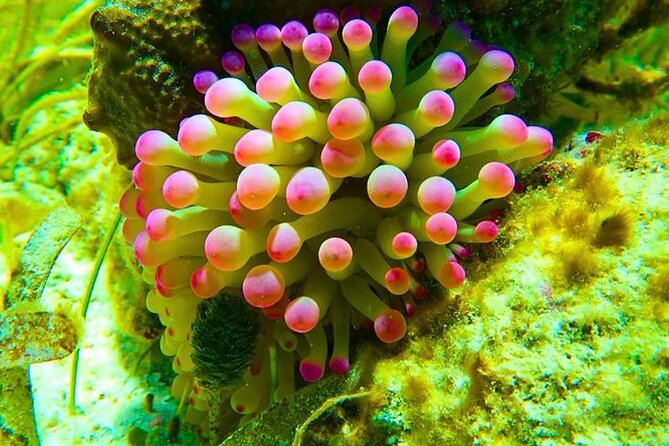
The overall duration is about 2 hours. In practice, you’ll experience it in chunks: getting geared up, leaving the dock, doing reef time (often more than one stop), then returning to the meeting point.
You’ll step aboard a boat that’s described as “good” and then get fitted with snorkeling equipment right away. From there, the guide leads you into the reef areas for spotting wildlife—coral structure, fish, and sometimes bigger visitors like rays and turtles. The best trips feel like you’re being guided to where you’ll actually see things, not just where it’s easiest to stop.
One point that comes up in real-world reports: the first time in the water can be the make-or-break moment if seas are rough. In a so-so experience, the water was choppy enough that more than half of the boat felt too seasick to snorkel after the first stop. That doesn’t mean the whole tour is doomed—but it does mean you should treat sea conditions seriously, because it affects whether you can get the full value out of the time you paid for.
If conditions are good, snorkeling here is typically described as “worth it,” even when it’s not effortless. Expect some physical effort—finning, holding position, and staying calm in saltwater. Then you’ll spend that effort looking for movement: fish weaving through coral, rays gliding below, and turtles that may take patience.
Wildlife spotting: your realistic checklist for this reef
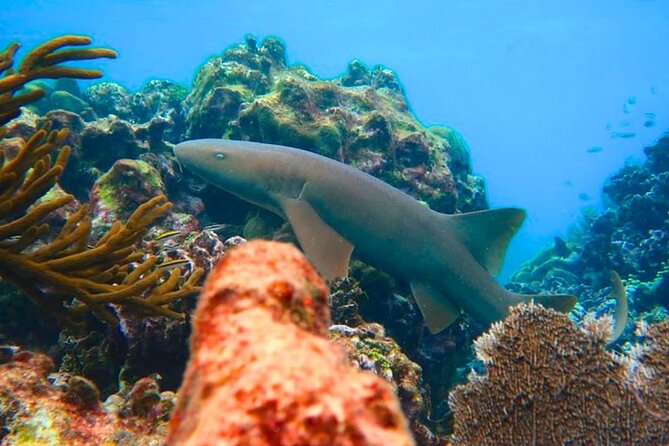
This tour’s success is strongly tied to what’s moving around that day. The most praised sightings include:
- Sea turtles
- Stingrays
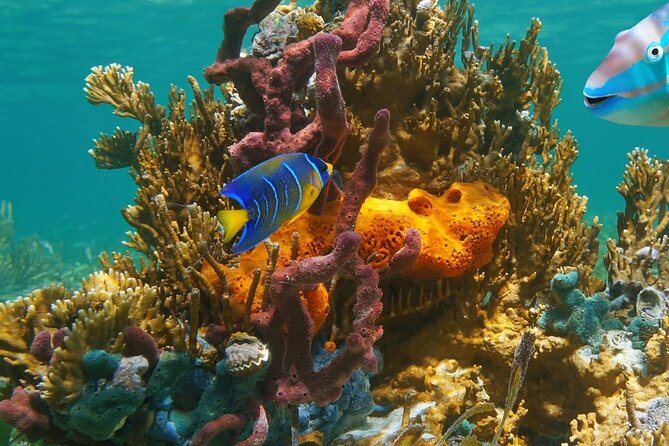
- Plenty of colorful fish around coral
That list tells you how the guide likely works: you’re not aiming for a single quick sighting. You’re working a reef area where animals use the structure. Rays and turtles tend to show up when you’re in the right zone and moving calmly enough to avoid spooking everything.
For you, the practical win is knowing what to look for. Look down for gliding motion near the bottom and watch for slower, deliberate movement. For fish, scan edges of coral rather than staring at open water. And remember: if you’re struggling with comfort or orientation, your ability to spot animals drops fast. That’s why gear fit and lifejacket use matter so much.
Also, don’t assume every trip will match the best one. Even within the same area, guides can only work with sea conditions and animal activity. The smartest move is to come in flexible and let the guide set the pace.
Price and dock tax: the value math you should do first
The price is $39.50 per person, for a 2-hour snorkeling adventure. What’s included is the real story: snorkeling excursion, boat use, snorkeling equipment, lifejackets, and a licensed maritime guide.
But you should budget one extra line item: a dock tax of $12 USD per person, which is not included. So your all-in number is closer to about $51.50 per person before any personal extras.
Is that fair value? For me, yes—because you’re getting the boat, the gear, and safety support bundled together. The dock tax is common for water-based activities, and it’s clearly listed as a separate charge. So the main value decision comes down to this: can you actually enjoy the water conditions that day?
If the sea is calm, you’re likely to feel like you got your money’s worth from a short, guided session. If it’s choppy and you end up too seasick to snorkel much, then the value shrinks fast. That risk is why I’d plan around weather and your motion-sickness tolerance.
Weather and seasickness: how to protect your experience
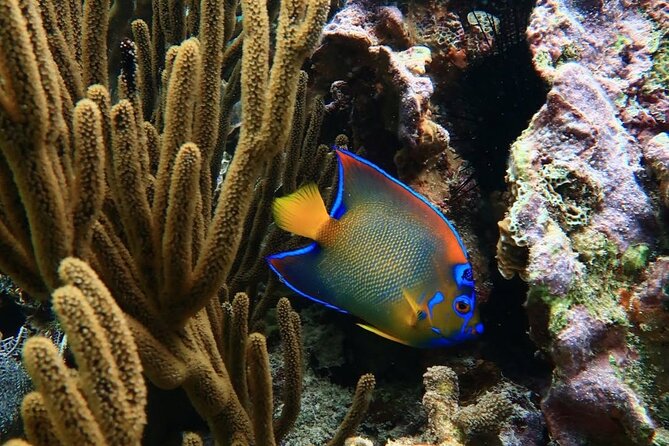
One review described choppy water and a rough outcome for many people on the boat, with a large chunk feeling too sick to snorkel after the first stop. That’s the kind of warning I take seriously, because it’s not about attitude—it’s about physical comfort.
So here’s how you can protect your day:
- If you’re prone to motion sickness, consider bringing what you normally use and take it early (follow label directions).
- Stay realistic: short tours don’t always allow you to “power through” discomfort.
- If you see the sea is choppy right when you get on the boat, brace mentally for the possibility that you might need to keep your snorkeling time limited.
On top of that, there’s a communication/coordination factor. One experience included complaints that the on-land coordinator was unresponsive and intense about collecting a dock fee, and that the group felt reprimanded about mineral sunscreen. That doesn’t mean every day is like that, but it does suggest a tone risk: be ready for rules, deadlines, and straightforward instructions, not casual back-and-forth.
Service style: guides on the water vs. the coordinator on land
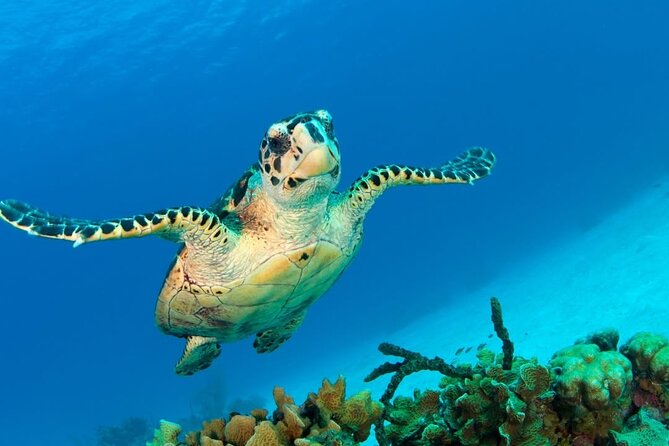
The snorkeling guide experience sounds like the strong point. People highlight capable crew behavior, a feeling of safety, and effective guiding to good reef areas. In one standout report, guides Omar and Olaf were credited with making the experience unforgettable and fun, and they helped with spotting harder-to-see wildlife like turtles.
So you can expect the water part to be the focus. Guides are there to keep you moving correctly and help you see what’s possible.
The one weak link some people experienced is the land-based coordination. If you need extra help finding parking or you have questions before arrival, don’t rely on instant replies. I’d plan to resolve logistics early on your side. Bring your own clarity: where you’re meeting, how you’ll get there, and what you’re carrying.
That’s the practical takeaway: show up prepared, follow instructions, and let the guide handle the snorkeling.
Who should book this Puerto Morelos snorkeling tour
This is a good fit if:
- You want a short, guided snorkeling outing in the Puerto Morelos reef area
- You like the idea of having equipment and lifejackets included
- You’re excited about sea turtles and stingrays as potential sightings
- You appreciate small-group attention (max 25)
It might be less ideal if:
- You know you get severely seasick on boats
- You’ll struggle to reach the meeting point reliably without planning ahead
- You want a super casual vibe from the coordinator side (some experiences suggest it can be brisk)
If you’re traveling from Cancun hotel zone, I’d treat transport as your first planning task. And if you’re a first-timer, you’ll likely do best when you listen, go slow, and accept that wildlife spotting can take patience.
Should you book it?
I’d book this if your priority is a guided reef session with gear, lifejackets, and a licensed maritime guide, and you’re okay paying a short-tour price plus the $12 dock tax. The repeated highlights—safe crew, effective guidance, and real animal sightings like turtles and stingrays—make it feel like a solid value for the time.
I would think twice if seasickness is a big issue for you or if you’re counting on easy hotel-zone pickup. For this one, the win comes from good sea conditions and arriving prepared.
If you can do those two things, you’re very likely to leave with photos, stories, and that calm feeling you get after a well-run snorkel session.
FAQ
How long is the snorkeling adventure?
It runs for about 2 hours (approximately).
Where does the tour start and end?
It starts at Faro Inclinado, Puerto Morelos (77580), and ends back at the same meeting point.
What is included in the $39.50 price?
The tour includes the snorkeling excursion, boat use, snorkeling equipment, lifejackets, and a licensed maritime guide.
Is the dock tax included?
No. A dock tax of $12 USD per person is not included.
How big is the group?
The maximum group size is 25 travelers.
Is the tour offered in English, and do I get a ticket on my phone?
Yes, it’s offered in English, and you receive a mobile ticket.
Will I get snorkeling equipment and a lifejacket?
Yes. Snorkeling equipment and lifejackets for swimming are included.
Can I get a full refund if I cancel?
Yes. You can cancel for free up to 24 hours in advance for a full refund.