REVIEW · SEQUOIA NATIONAL PARK
Sequoia National Park: Sherman Tree & Congress Trail Walk
Book on GetYourGuide →Operated by Big Trees Tours · Bookable on GetYourGuide
A giant tree teaches fast lessons.
This Sequoia outing turns the famous General Sherman Tree into a full-on learning walk, not a quick photo stop. I love that you’re led by Scott, a wildlife biologist and former bear-management ranger with 15 years in the parks, so you’re not just spotting animals—you’re understanding behavior and biology. I also like that the group stays small (fewer than 14 people), and the pace is built for real questions, not a rushed checklist of stops.
One consideration: it’s about 3 miles (4.8 km) and takes around 3 hours, at elevation above 6,000 feet, so bring hiking shoes and expect two hills with elevation gain around 300 feet each.
In This Review
- Key takeaways before you go
- Why the Sherman Tree area needs more than a quick stop
- Where you start at Upper Sherman Parking Lot (and why it helps)
- Safety first: how Scott helps you watch wildlife without chasing it
- General Sherman Tree: the 15-minute photo stop with real context
- Moving deeper into the Giant Forest (toward Congress Trail vibes)
- The pace, elevation, and group size: will your body enjoy this?
- Price and value: what $100 buys in the Giant Forest
- What to bring (this is where your comfort is won or lost)
- Who should book this tour?
- Should you book this Sherman Tree & Congress Trail walk?
- FAQ
- How long is the tour?
- Where do we meet for the Sherman Tree Trail walk?
- Is wildlife viewing guaranteed?
- What should I bring to stay comfortable during the walk?
- Are pets allowed?
- What’s included in the tour price?
- Is the price inclusive of park entrance fees and meals?
Key takeaways before you go
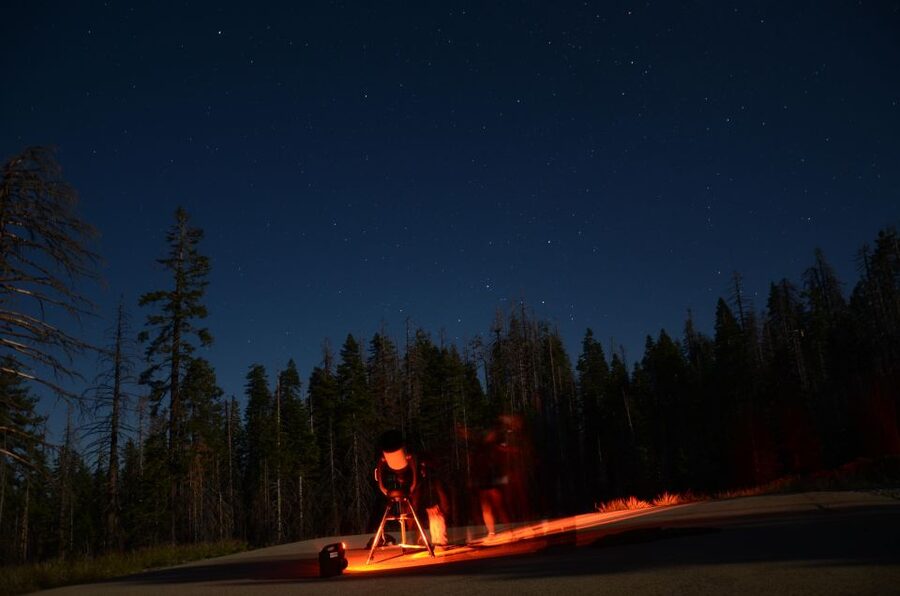
- Scott the wildlife biologist leads the walk, with a background in bear management and years guiding in Sequoia and Kings Canyon
- You’ll get multiple wildlife-viewing chances for birds, squirrels, and chipmunks, while bears and mule deer stay random
- The route is structured and safe, with a briefing and trained support (first aid/CPR, emergency medical contact device)
- Small-group feel with fewer than 14 guests, plus flexibility to pause for photos and questions
- You’re walking through the Giant Forest, not just to one tree, with several short guided stops along the way
Why the Sherman Tree area needs more than a quick stop
Sequoia National Park is famous for a reason, but if you visit on your own, it’s easy to miss the forest while you’re staring at the biggest tree. This tour fixes that problem by slowing you down in the Giant Forest and giving you a reason to look closer.
The biggest “value” here is that you’re not only seeing nature—you’re getting a human guide who explains how it works. Scott has a wildlife biology degree and real-world experience working with wildlife in park settings. That matters because animal sightings are rarely just luck. When you know what animals eat, how they move, and what they do at different times, you start noticing patterns instead of just hoping.
And yes, you still get the star: General Sherman Tree. But the walk is designed so you experience the setting that makes it special—the plants, the birds, and the way the forest changes as you move deeper.
You can also read our reviews of more tours and experiences in Sequoia National Park.

Where you start at Upper Sherman Parking Lot (and why it helps)
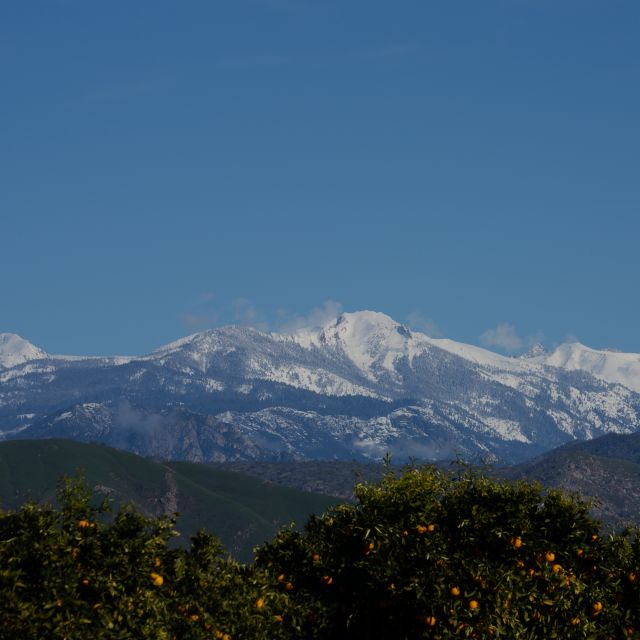
The meeting point is practical: the Sherman Tree Trail access near the restrooms and the shuttle stop at the Upper Sherman Parking Lot. Scott will be standing between the restrooms and the covered walkway, so you’re not wandering around trying to find a group.
Right away, you get what I call tour momentum. There’s a short safety briefing (about 10 minutes) before the walking starts. That’s not just formalities. It sets expectations for how you’ll behave around wildlife and how to keep the group moving smoothly without rushing.
This is also where the tour ends, which is great if you’re planning a longer day in the park. You don’t need to solve a transportation puzzle or figure out a complicated return route.
Safety first: how Scott helps you watch wildlife without chasing it

Wildlife watching in Sequoia is amazing, but it works only when people act right. This tour does that by putting a safety-trained guide at the center of the experience. Scott is first aid and CPR trained, there’s a basic first aid kit on hand, and there’s an emergency medical contact device.
That structure gives you confidence—especially in a place where you’re above 6,000 feet and walking several miles. Your best chance of a calm, enjoyable wildlife experience is also the easiest rule: don’t try to force sightings. The tour is set up for you to notice what shows up naturally.
What you can expect is a mix of reliable and random:
- You’re guaranteed to see sequoia trees, birds, squirrels, and chipmunks, plus views and guided stops that keep you engaged.
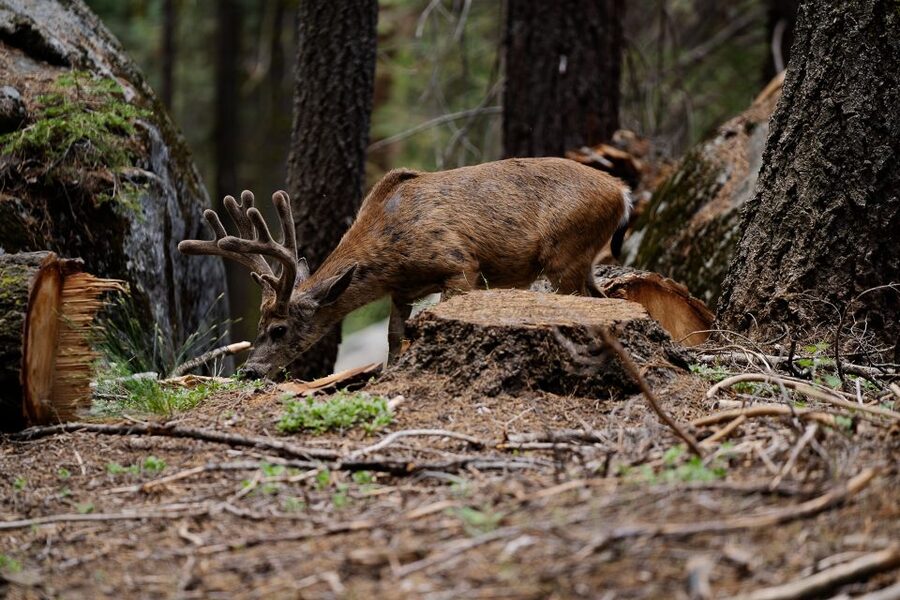
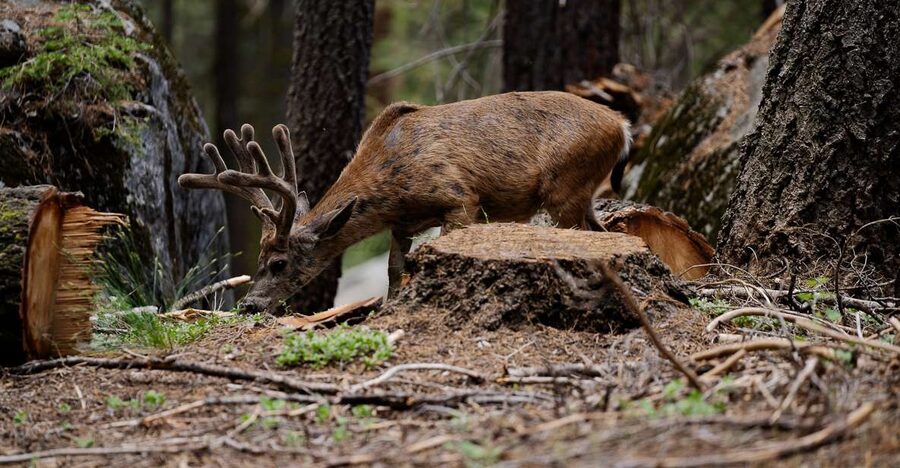
- Black bears and mule deer are possible, but random. Even if you’ve visited before, you can’t program wildlife. You can only give yourself the best opportunity—by staying attentive and following guide guidance.
Scott’s background matters here. He’s not doing wildlife talk from a textbook. He previously worked chasing black bears out of campgrounds, and that experience tends to translate into very grounded guidance for how people should act when wildlife is around.
General Sherman Tree: the 15-minute photo stop with real context
When you reach the General Sherman Tree, you’re not just allowed to snap a picture. You get a guided moment built around understanding what you’re looking at, plus a safety-first approach to staying aware while you take in the scale.
The stop is about 15 minutes, with a mix of:
- photo time
- sightseeing and guided explanation
- wildlife viewing while you’re there
This is where a guide earns their fee. Without context, the Sherman Tree is easy to treat like a big object. With context, it becomes a living story: how sequoias grow, why this forest structure matters, and how the ecosystem supports the animals you’ll keep spotting as you walk.
And Scott is big on making the information feel human. The humor is part of the teaching style—puns and jokes—so you’re more likely to remember what you learned.
Moving deeper into the Giant Forest (toward Congress Trail vibes)
After the Sherman Tree, the walk continues through the Giant Forest on foot. The pace is set for repeated look-and-learn moments rather than a nonstop march.
You’ll cover multiple walking segments with short guided photo and wildlife stops. The tour includes several times where you pause, look around, and let the forest come to you. That’s important because birds and small mammals don’t appear on command, but they do show themselves when you quiet down and pay attention.
You can think of this portion as two layers:
- The scenery layer: you get classic Giant Forest views and the feeling of being in a place that’s bigger than you
- The noticing layer: Scott points out plants and wildlife cues so you understand what your eyes are finding
This is also where the tour name makes sense. Even if you’re focused on Sherman first, the rest of the route keeps you moving through the classic trail areas people associate with the Congress section of the park. You’re not just circling the monument—you’re walking the forest.
You’ll likely see:
- birds calling or working the understory
- squirrels and chipmunks close enough to watch behavior
- sequoias in different stages that change how the light looks
If you’re lucky, you may spot a larger animal like a black bear or mule deer—but treat that as the fun bonus, not the plan.
The pace, elevation, and group size: will your body enjoy this?
This is a moderate walking experience: about 3 miles (4.8 km) in roughly 3 hours, and it’s at elevation above 6,000 feet. There are two hills with elevation gains around 300 feet each.
That doesn’t mean it’s extreme, but it does mean you should respect it. If you’re someone who tires quickly on climbs or gets winded at altitude, plan for a slower pace and bring water (you’ll want it). Scott’s small-group format helps because you’re not trapped in a line. In the right conditions, you can take breaks and regroup without feeling like you’re slowing down a tour machine.
Group size is also a big deal. It’s fewer than 14 people + guide. That keeps the experience personal enough for real questions. It also helps with safety because the guide can watch everyone instead of juggling a crowd.
A couple extra “fit” notes:
- No unaccompanied minors
- It’s wheelchair accessible, with accessibility accommodations
- Dogs aren’t allowed (assistance dogs are allowed)
Price and value: what $100 buys in the Giant Forest
At $100 per person for about 3 hours, the cost isn’t just paying for walking. You’re paying for expertise, safety, and time-saving context.
Here’s how the value works:
- You get a wildlife biologist guide, not a generic park narrator
- The guide is trained and experienced, with over 1,000 tours for NPS and nonprofit groups
- The group stays under 14, which is where the real difference shows up compared to bigger bus-style tours
- You get practical learning tools: access to local field guides and identification books
- There’s built-in support for planning and safety, including first aid/CPR readiness
Two things are not included:
- vehicle transportation
- park entrance fees
- food and drink
That last part matters. Plan to handle snacks and hydration yourself. The best approach is to bring water, expect a few pauses, and keep your energy steady.
Also, if you like “impact” tourism, this tour routes 3% of revenue back to the parks. It’s not a replacement for conservation funding, but it’s a nice signal that the operator is plugged into the long-term future of the place you’re visiting.
What to bring (this is where your comfort is won or lost)
For a short, scenic hike, people still forget the basics—then they feel it later. For this tour, pack like you’re spending time outdoors at elevation:
Bring:
- sunglasses
- sun hat
- hiking shoes
- sunscreen
- water
- rain gear
- comfortable clothes
- insect repellent
- daypack
The tour runs in changing conditions. It takes place rain or shine, but the operator can reschedule or cancel if hazardous weather, park closures, or other safety concerns show up. So it’s smart to check the park’s conditions within the week of your trip.
Who should book this tour?
This one is especially good if:
- you want to see the General Sherman Tree and still get meaningful forest education
- you care about wildlife behavior and not just wildlife luck
- you’re traveling with a mix of ages and skill levels and want a guided pace
- you have limited time and want the walk to feel efficient
It’s also a good “first Sequoia visit” option. The park is big, and the Giant Forest can be overwhelming if you don’t know what to look for. With Scott’s guidance, you get a clearer sense of what’s happening around you—and that makes the whole visit feel more satisfying.
Should you book this Sherman Tree & Congress Trail walk?
If your goal is a safe, well-taught hike that goes beyond a monument photo, I think this is a strong choice. The small group size, the wildlife biology background, and the structured pauses make it worth the money—especially if you’re not a frequent national-park hiker or you want more than surface-level facts.
Only skip it if you can’t comfortably handle about 3 miles at elevation with two moderate climbs, or if you strongly prefer self-guided wandering with no guide-driven pacing.
In short: if you want the Giant Forest to make sense, not just impress you, book the walk.
FAQ
How long is the tour?
It lasts about 3 hours.
Where do we meet for the Sherman Tree Trail walk?
You meet at the Sherman Tree Parking Access near the restrooms and the shuttle stop at the Upper Sherman Parking Lot. The guide stands between the restrooms and the covered walkway.
Is wildlife viewing guaranteed?
You are guaranteed to see sequoia trees, birds, squirrels, and chipmunks. Black bears and mule deer are possible but random.
What should I bring to stay comfortable during the walk?
Bring hiking shoes, water, sun protection (sunglasses, sun hat, sunscreen), rain gear, insect repellent, and a daypack with comfortable clothes for outdoors.
Are pets allowed?
Pets are not allowed. Assistance dogs are allowed.
What’s included in the tour price?
The tour includes a wildlife biologist guide, a trained guide, a small group/private guide setup with fewer than 14 other guests, first aid/CPR readiness, field guides for identification, wildlife safety knowledge, and trip planning.
Is the price inclusive of park entrance fees and meals?
No. Park entrance fees, food, and drink are not included.