REVIEW · SEQUOIA NATIONAL PARK
Sequoia National Park: Sherman Tree & Congress Trail Walk
Book on GetYourGuide →Operated by Big Trees Tours · Bookable on GetYourGuide
Big trees can change your scale of reality. This private Sequoia National Park walk through the Giant Forest takes you from the Sherman Tree Trail area toward the Congress Trail, with Scott guiding you through the wildlife, plants, and people who’ve lived here for generations. I like that it stays efficient even when you’re short on time, and I also like the human touch: Scott is a wildlife-biology guide who uses stories and jokes (including plenty of puns) to make the park feel understandable.
The main drawback is physical: you’re walking about 3 miles at altitude (over 6,000 feet) with two climbs around 300 feet each. If hills and steady walking aren’t your thing, you’ll want to plan your fitness level carefully.
In This Review
- Key highlights worth your attention
- A private Giant Forest walk between Sherman Tree and Congress Trail
- Meeting at Upper Sherman: quick start, easy logistics
- First stretch: safety briefing plus “small signs” of wildlife
- The vibe you’re aiming for
- General Sherman Tree: the main event, done with focus
- Wildlife reality check
- Deeper into the Giant Forest: Congress Trail energy without the guesswork
- The “ask questions” factor
- How long it really takes: pace, distance, and altitude
- What to bring (so you don’t regret it mid-walk)
- Price and value: $450 per group up to 7 people
- Who should book this Sequoia walk (and who might not)
- Extra details that shape your day
- Should you book this Sherman Tree & Congress Trail experience?
- FAQ
- How long is the Sherman Tree and Congress Trail walk?
- How far do we walk during the tour?
- Is the tour wheelchair accessible?
- What is the meeting point for the tour?
- Is this a private tour or a group tour?
- What’s included besides the guide?
- What is not included?
- What should we bring?
- Are pets allowed?
- Do we have to worry about bears and other wildlife?
Key highlights worth your attention
- Private group setup: you and up to 7 people, so you’re not sharing space with strangers.
- Scott’s wildlife + safety angle: wildlife safety rules and real-world park experience.
- General Sherman Tree photo stop: a focused moment to see and photograph the world’s largest tree.
- Guaranteed sequoias and more: you’re set up to see sequoia trees and lots of everyday wildlife (birds, squirrels, chipmunks).
- 3 professionally edited photos: a clean souvenir you don’t have to chase yourself.
- Rain or shine (with safety checks): it runs in most conditions unless weather or closures make it unsafe.
A private Giant Forest walk between Sherman Tree and Congress Trail
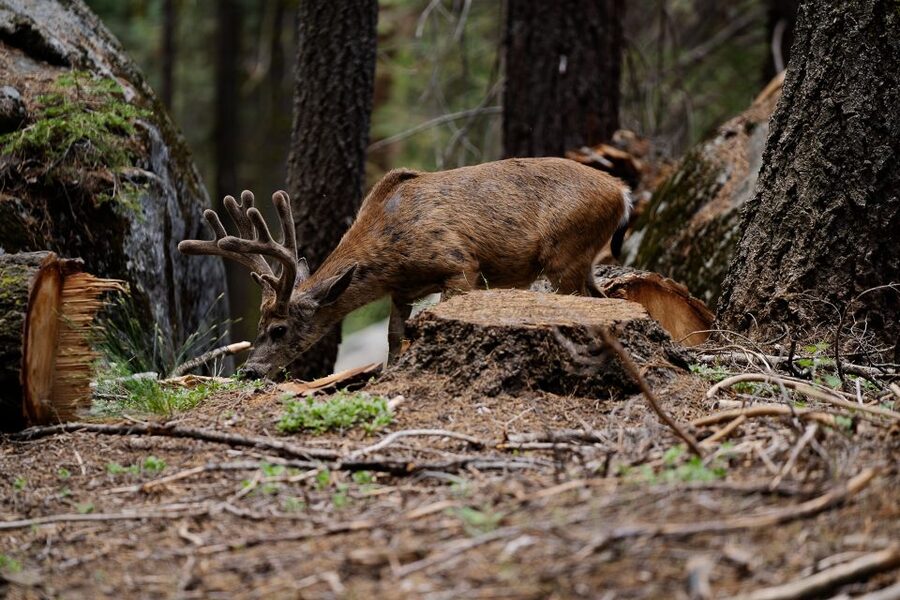
Sequoia’s Giant Forest is one of those places where you expect to be impressed by size—and then you realize the real wow is how the whole ecosystem works. This experience is built for people who want the essentials without wandering aimlessly: you move along a paved path, hit the biggest stop at the General Sherman Tree, then continue deeper so you can connect the trees to the animals and plant life around them.
What makes this tour feel practical is the way the guide paces things. You’re not just marching. You get explanations as you go, plus built-in pauses for photos and wildlife viewing. And because it’s private (up to 8 people total including the guide), the conversation can actually match your group—kids, adults, beginners, and experienced hikers all can keep up.
You’ll also appreciate how the tour treats safety as part of the story, not an add-on. The guide is trained in first aid/CPR and brings a basic first aid kit, plus an emergency medical contact device. That matters in a remote national park setting where help may not be instant.
Meeting at Upper Sherman: quick start, easy logistics
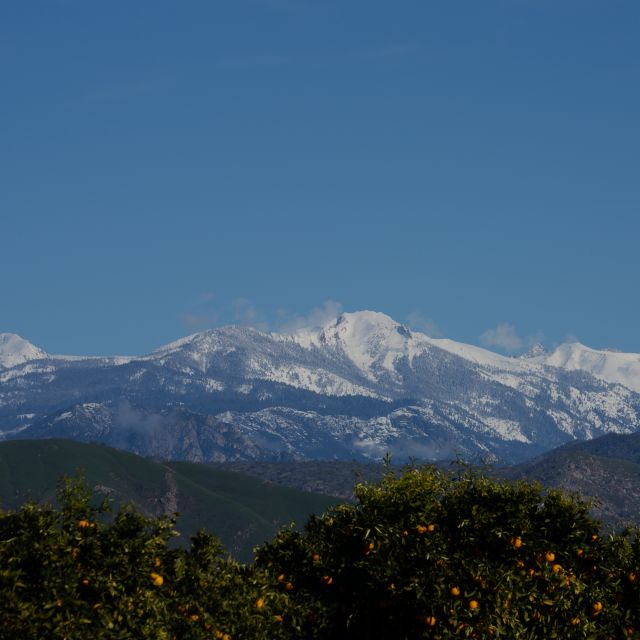
You meet at the Sherman Tree Trailhead area in the Upper Sherman Parking Lot zone. The setup is easy to find: a paved walkway around boulders, a covered walkway, restrooms, and a shuttle stop nearby. The guide stands between the restrooms and the covered walkway, so you shouldn’t spend your time playing guessing games.
This is a smart start location for two reasons:
- It reduces stress. You begin where facilities and transit connections are right there.
- It keeps the tour tight. You’re not losing time to long car shuffles or unclear trailheads.
The tour ends back at the same meeting point, so you don’t have to worry about a shuttle scramble later.
First stretch: safety briefing plus “small signs” of wildlife
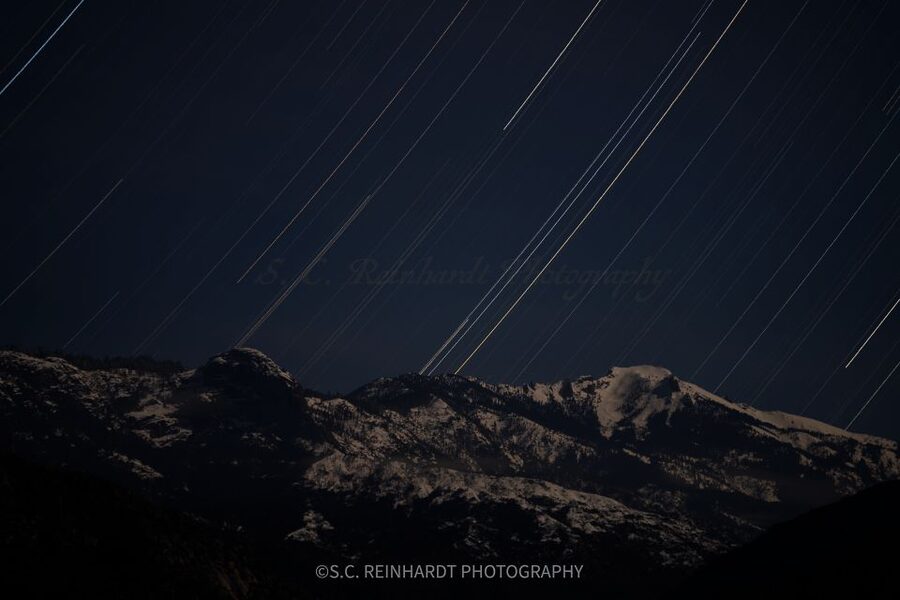
Right away, you’ll get a safety briefing before you really get moving. Expect this to cover the basics that let you enjoy wildlife without turning it into chaos—how to watch quietly, how to keep respectful distance, and what to do if you see animals on or near the trail.
Then you head on foot through the Giant Forest. This early part is where the guide helps you shift from sightseeing to noticing. You’re in a place with a lot happening at eye level and below. Even if you don’t see something dramatic, you’ll learn to read clues like:
- what certain plants suggest about the environment,
- how birds and small mammals use the forest,
- and why the Giant Forest has a rhythm that feels different at different times of day.
This is also where your group’s pace matters. Because it’s private, you can slow down for questions without feeling like you’re holding up a crowd.
The vibe you’re aiming for
The best moments here are rarely the ones you plan. They’re the ones that happen while you’re paying attention. You might see birds, squirrels, or chipmunks right along the trail. The tour is designed to make those sightings feel possible—not random.
General Sherman Tree: the main event, done with focus
Your biggest highlight is the stop at the General Sherman Tree. You’ll spend time here for guided touring, sightseeing, and a wildlife viewing window, with a photo stop built in.
This isn’t a “stand at the fence and move on” moment. The guide uses the tree as a teaching tool—how the forest shapes life around it, and why sequoias matter in the bigger story of the park. If you’ve never visited Sequoia, this is a great place to get your bearings fast: it gives your brain a reference point for everything you see afterward.
You also get a practical photo advantage. Your group will be professionally photographed and those images are included: 3 professionally taken and edited photos. You’ll still want your own phone camera for close shots, but having edited group photos removes the pressure of trying to coordinate everyone at the same time.
Wildlife reality check
Black bears and mule deer are described as random occurrences. So you’re not guaranteed to see them. But you are guided to the right kind of wildlife mindset—stay alert, watch calmly, and follow the guide’s viewing safety rules. Also note an important truth: doing multiple tours doesn’t increase your chances at seeing a specific animal. The guide can’t control wildlife behavior, and he’s not going to pretend he can.
If you do spot wildlife, it’ll feel earned because you learned what to watch for—and how to react.
Deeper into the Giant Forest: Congress Trail energy without the guesswork
After the Sherman Tree moment, you keep walking deeper into the Giant Forest. This is where the tour becomes more than a single landmark visit. The path takes you through forest scenes where the guide’s knowledge matters most—he’s helping you connect plants, animals, and the human presence that shaped how people used and protected this landscape.
You’ll have additional on-foot segments and multiple photo opportunities. Translation: you’re not rushing through the forest after the main tree. You get time to slow down and absorb.
This is also where the guide’s background shows up. Scott has a degree in wildlife biology and prior experience that includes chasing black bears out of campgrounds—so his animal-sense is grounded. That doesn’t mean he’s trying to scare you. It means he can explain why encounters happen, how to reduce risk, and what calm behavior looks like in a real park setting.
Expect the kind of explanation that turns the forest into a set of understandable relationships. Plants aren’t just “pretty.” Animals aren’t just “cute.” It becomes a living system.
The “ask questions” factor
A private format changes how you learn. You’re not forced to wait your turn behind a bus group. You can ask about safety, wildlife behavior, or what you’re seeing right now—and the guide can tailor answers to kids versus adults.
And yes, Scott keeps things light. The puns and humor show up often enough that the tour doesn’t feel like a lecture.
How long it really takes: pace, distance, and altitude
This tour is about 3 hours total, including briefing and stops. The walking is roughly 3 miles (4.8 km) on a mix of paved trail.
Elevation matters here:
- The tour happens above 6,000 feet (1,828 m).
- There are two hills with elevation gains around 300 feet (91 m) each.
So even if the route seems straightforward on paper, you’ll feel it if you’re not used to altitude or steady uphill walking. The good news is that pacing is guided, with time built in for photos and wildlife viewing. You’re not expected to race through.
What to bring (so you don’t regret it mid-walk)
You’ll get the best experience by dressing for a range of weather and staying hydrated. Bring:
- hiking shoes,
- water,
- sunscreen and sunglasses,
- sun hat,
- rain gear,
- comfortable clothes,
- insect repellent,
- and a daypack.
This tour is rain or shine. You don’t want to be hunting for shelter with wet clothes and no plan.
Price and value: $450 per group up to 7 people
The price is $450 per group up to 7 people. That sounds steep if you’re thinking per-person like a shuttle or a public tour. But this is priced like a private experience, with multiple built-in add-ons that you don’t get on self-guided walks.
Here’s how I’d judge the value:
- If you’re a family or a small group, the cost spreads out fast compared to hiring a guide on a solo basis.
- You’re buying time-efficiency. The guide helps you see the key places without wasting steps, which is a big deal when you only have a day or two in the area.
- You get included professionally edited photos, which are rarely free on other guided experiences.
- You also get trained wildlife safety knowledge and real first aid readiness—less exciting than a landmark, but very real value in a remote park.
Also, the provider is described as a new local small business and has provided over 1,000 tours for NPS and nonprofit tour groups. That doesn’t automatically guarantee quality, but it does suggest they’re experienced with how park settings work and how groups need to be handled.
Finally, a note that feels good: 3% of revenue goes back to the parks.
Who should book this Sequoia walk (and who might not)
I’d book this if:
- You want a private guide and you don’t want to share the experience with strangers.
- You’re visiting Sequoia for the first time and want your time to feel organized and meaningful.
- Your group includes different ages or skill levels and you want explanations that work for all of them.
- You care about wildlife safety and prefer calm, structured viewing over wandering.
I’d reconsider if:
- Your group struggles with steady walking at altitude. Those two hills around 300 feet each are the main physical challenge.
- You’re hoping the guide can guarantee black bears. The tour doesn’t promise that, and the guide won’t claim control over wildlife.
- You’re traveling with unaccompanied minors. The tour doesn’t allow unaccompanied minors.
Good to know: it’s wheelchair accessible, and the guide provides accessibility accommodations.
Extra details that shape your day
These small elements matter more than you’d think once you’re on the trail.
- Wildlife viewing is safe by design: you’ll learn how to watch without disrupting animals or putting yourself in the wrong spot.
- Field guide support: you’ll have access to local field guides and identification books, which helps if your group likes to name what you see.
- Emergency readiness: first aid kit, CPR/first aid training, and an emergency medical contact device.
- Occasional berry eating: berries may be offered when in season and with parent permission. It’s not described as guaranteed, so go into it with a flexible mindset.
- No pets: pets aren’t allowed, but assistance dogs are.
Rain gear is worth packing even if the forecast looks friendly. Weather can change quickly at elevation.
Should you book this Sherman Tree & Congress Trail experience?
If you want the Giant Forest highlights with the least amount of stress, I think this tour is a strong fit. It’s designed for first-timers who don’t want to spend their day guessing where to go and when to pause. The private group size, Scott’s wildlife background, and the fact that you get included photos all point to a day that feels planned—but still alive.
Book it if you’re ready for a moderate walk on paved terrain with two uphill sections and you’ll pack for altitude and weather. Skip it or choose a gentler alternative if your group isn’t comfortable with 3 miles at over 6,000 feet.
If you do book, do one thing that improves everything: ask questions right away. The best learning on this tour comes when your guide can connect what you’re seeing to what the forest needs.
FAQ
How long is the Sherman Tree and Congress Trail walk?
The tour lasts about 3 hours. Starting times depend on availability.
How far do we walk during the tour?
You’ll cover about 3 miles (4.8 km) in total.
Is the tour wheelchair accessible?
Yes, the tour is wheelchair accessible and includes accessibility accommodations.
What is the meeting point for the tour?
You meet at the Sherman Tree Trailhead area near the restrooms and the shuttle stop in the Upper Sherman Parking Lot. The guide will stand between the restrooms and the covered walkway.
Is this a private tour or a group tour?
It’s a private group tour. Your group can be you plus up to 7 friends or family members.
What’s included besides the guide?
The tour includes trained private tour guiding, 3 professionally taken and edited photos of your group, first aid and CPR training (with a first aid kit), an emergency medical contact device, and access to local field guides and identification books. It also includes wildlife safety/knowledge and trip planning.
What is not included?
Park entrance fees, vehicle transportation, and food and drink are not included.
What should we bring?
Bring sunglasses, a sun hat, hiking shoes, sunscreen, water, rain gear, comfortable clothes, insect repellent, and a daypack.
Are pets allowed?
Pets are not allowed. Assistance dogs are allowed.
Do we have to worry about bears and other wildlife?
Black bears and mule deer are described as random occurrences. You will be taught wildlife safety rules and how to practice safe wildlife viewing during the tour.