REVIEW · JASPER
Morning Jasper National Park Wildlife Tour
Book on Viator →Operated by Maligne Adventures · Bookable on Viator
Morning wildlife in Jasper can feel like a secret. A 3-hour minibus tour gets you rolling at 8:30 am while animals are still out feeding, and guides help you interpret what you are seeing. It’s a simple plan that adds real value: professional driving, comfort, and a trained eye watching for bear, moose, and more.
I especially like two things. First, most viewing happens from the inside of an air-conditioned (and enclosed) vehicle with big windows, so you can stay comfortable while scanning the slopes and roadside edges. Second, guides such as Jamie and Sam bring the animals to life with practical stories and on-the-spot education, from how bears move to why wildlife management matters in the park.
One thing to keep in mind: wildlife sightings are frequent, but never guaranteed, and the group’s pickup schedule can affect how early you actually start seeing the best roadside action.
In This Review
- Key highlights I’d plan around
- Morning Jasper Wildlife: Why 8:30 am matters
- Inside the bus: Comfort, safety, and real viewing time
- The guide factor: Better odds than pure luck
- Jasper National Park stop: Slow cruising, windows, and quick viewpoint breaks
- What you might see: Typical targets and the “almost” moments
- Learning on the move: Wildlife protection plus animal clues
- Timing and pickups: The part that can make or break a morning
- Price and value: Is $65.32 worth it for 3 hours?
- Group size and vibe: A calm hunt, not a sprint
- Weather and everyday practicality
- Should you book the Morning Jasper wildlife tour?
- FAQ
- What time does the Morning Jasper National Park Wildlife Tour start?
- How long is the tour?
- What is the price per person?
- Do I get hotel pickup?
- What do I do during the drive—do I walk a lot?
- Is wildlife spotting guaranteed?
- How big is the group?
- Are service animals allowed?
- Are pets allowed?
- What is the cancellation policy?
- Is admission included?
Key highlights I’d plan around
- A small group (max 22) in a comfortable enclosed bus makes wildlife watching easier than juggling your own timing
- 8:30 am departure targets the morning feeding hours when wildlife are most active
- Your guide chooses the route based on seasonal wildlife movement to improve your odds
- Mostly window viewing, with short outside moments only when it’s worth it
- High success rate: the tour reports wildlife spotting on 95% of trips
- Photo-friendly setup, with occasional brief stops or short walks at the guide’s discretion
Morning Jasper Wildlife: Why 8:30 am matters
Jasper National Park is a “right place, right time” kind of wildlife destination. Starting early matters because animals tend to be more visible while they are actively feeding, especially in the morning hours when you’d rather be out than stuck indoors.
This tour is built around that timing. You meet at 8:30 am, then settle in for a slow drive through the valley and nearby areas, with the guide scanning constantly and adjusting the route as needed.
It also helps that the trip is only about 3 hours. That short format is a good fit for mornings when you want wildlife without turning your whole day into a vehicle-and-waiting marathon.
You can also read our reviews of more tours and experiences in Jasper.
Inside the bus: Comfort, safety, and real viewing time
If you’ve ever done wildlife viewing and spent half your time fighting for a good seat, this is calmer. The experience is designed around an enclosed, air-conditioned vehicle (and in at least some cases, heated as well), with a professional driver handling the roads while you focus on spotting.
The big win for me is the viewing style. You are mostly looking out from inside the bus, and that means you keep your eyes trained on the same stretch of roadside without constantly losing focus each time you get in and out.
Because the group stays together, the guide can also manage the “watch and wait” parts of wildlife viewing. That patience is where a lot of the magic happens, and it showed up in standout examples where guides stayed on an animal longer rather than rushing to the next pull-off.
The guide factor: Better odds than pure luck
A wildlife tour lives or dies by how well the guide reads the area. Here, you get a local perspective and a trained eye that helps you see what you might otherwise miss.
Guides are also active educators, not just drivers. You may hear how wildlife is protected, what makes Jasper special, and how the park balances habitat, safety, and human access. Several guides named in guest stories (like Jamie, Ross, Chloe, Jake, and others) are praised for staying calm, waiting for movement, and positioning the bus when an animal comes back into view.
That last part matters more than it sounds. Wildlife rarely stays posed. Good guides anticipate behavior and set up the vehicle so you get repeated chances to spot and photograph the animal as it shifts.
Jasper National Park stop: Slow cruising, windows, and quick viewpoint breaks
The heart of the experience is a drive through Jasper National Park with slow, deliberate scanning. The route isn’t fixed no matter what day you go. The guide uses expertise to select where to go based on seasonal wildlife movements, aiming to match the area to what animals are likely doing right now.
You will pass mountain views and wilderness stretches while you look out through the bus windows to capture photos. At the guide’s discretion, there may be times for brief outside moments at viewpoints or short walks.
This is a good setup for most people because it reduces the pressure to be in constant hiking mode. At the same time, it’s smart to be ready for a little walking if the guide calls for it—especially if you want those best photo angles.
What you might see: Typical targets and the “almost” moments
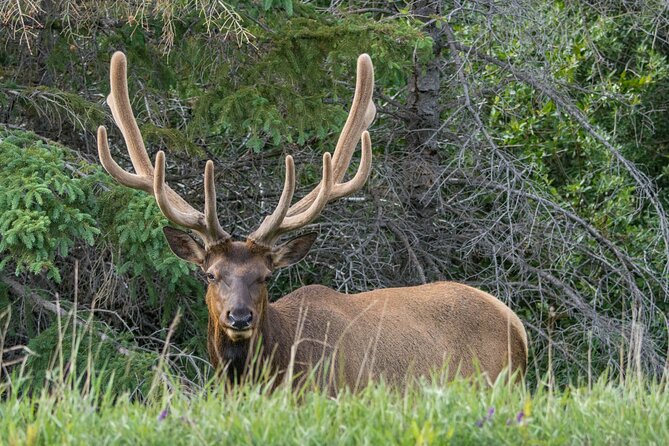
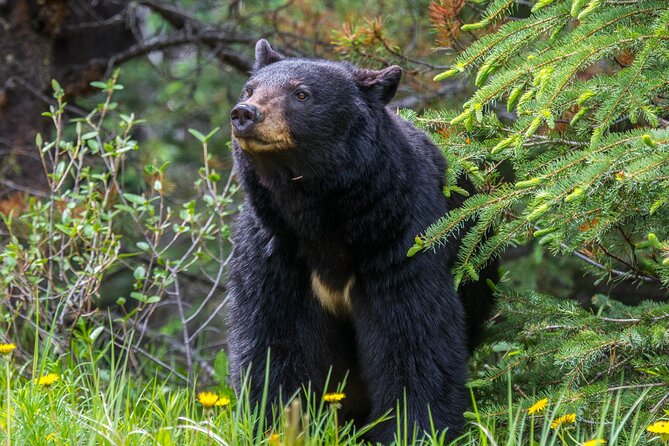
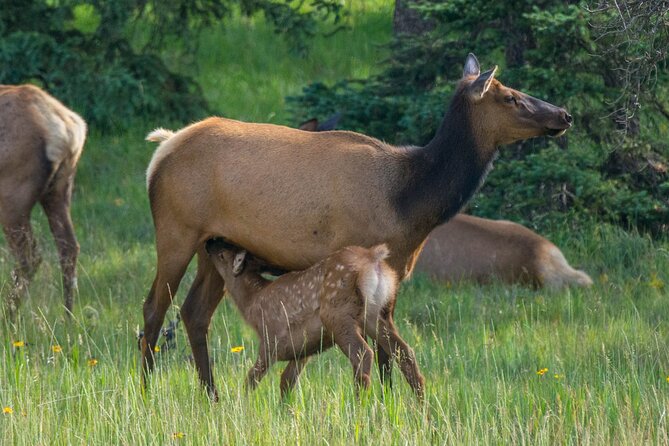
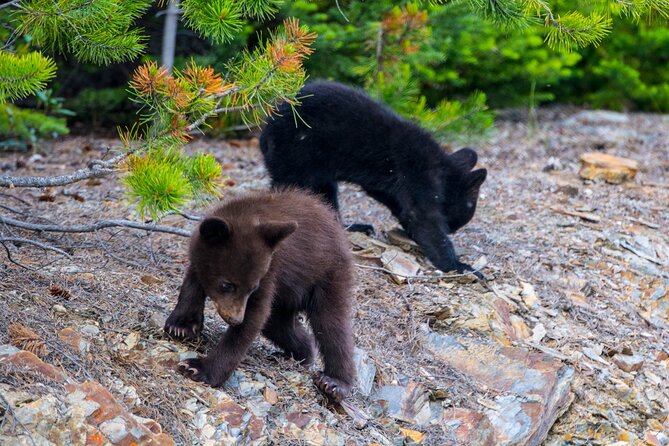
The tour is aimed at classic Jasper wildlife: bear, moose, elk, and more. Wildlife sightings are common, and the tour says wildlife is spotted on 95% of tours, but it still stays honest that every day is different.
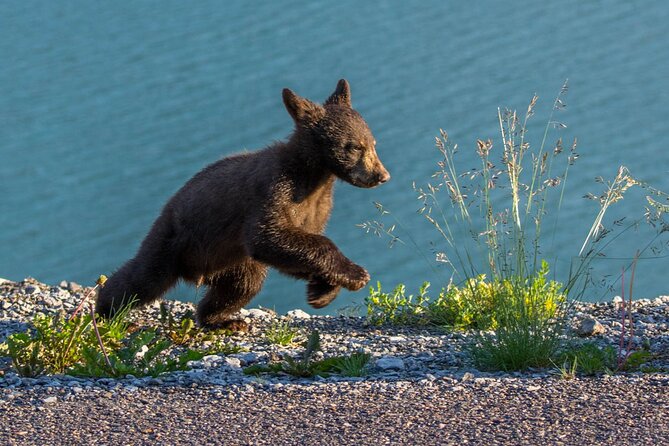
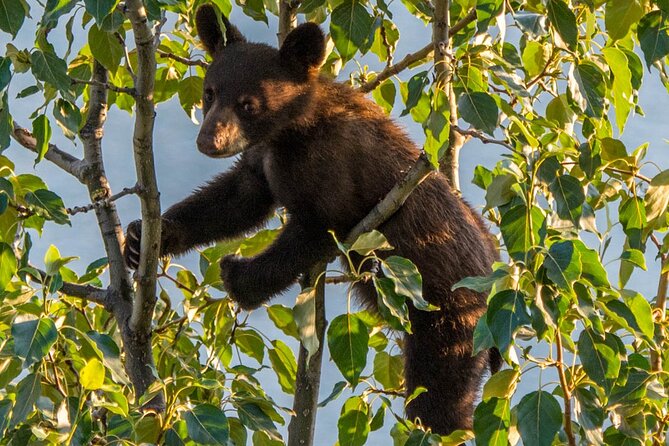
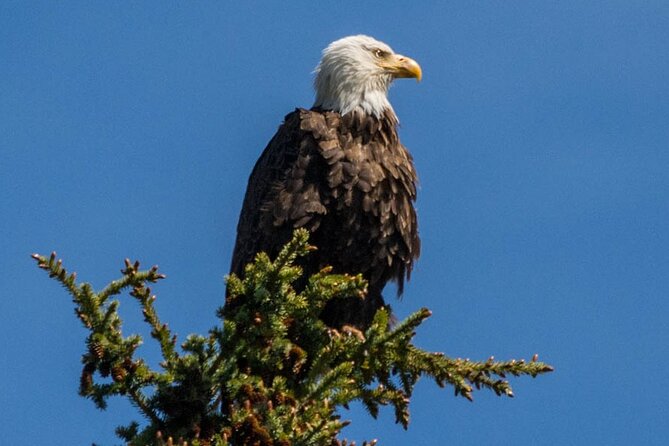
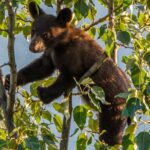
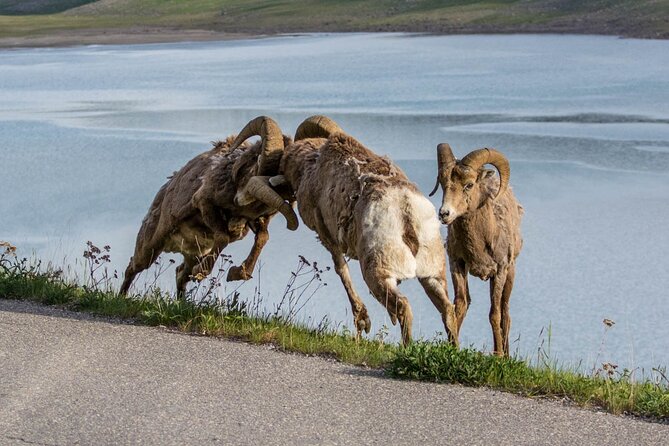
Based on guest experiences shared with the operator, you might spot a mix like grizzlies and black bears, bighorn sheep, osprey and bald eagles (including eagles near nests), coyotes at dens, and different elk sightings. Even when one target doesn’t show up, a good guide can often replace it with another interesting animal if the timing lines up.
A practical note: some people come in expecting a guarantee of every animal listed. This tour doesn’t promise that. If you need certainty, you’ll be disappointed by any wildlife plan in Jasper. If you like the hunt—watching for signs, scanning quietly, learning what you’re looking at—this format is exactly the kind of experience that works.

Learning on the move: Wildlife protection plus animal clues
One of the best values of a guided wildlife search is the extra layer of meaning. You don’t just see animals—you learn how and why they behave the way they do.
In guest notes, guides have explained topics like wildlife management challenges and the park’s approach to protecting animals. You might also hear stories tied to the park’s natural history, including fire-related context and how animals change through seasonal cycles.
For your day-to-day watching, the most useful learning is often the simple stuff:
- how to recognize animal behavior from distance
- what to watch for in movement patterns
- how to interpret tracks or physical clues (some guides incorporate materials like paw prints or horn/antler education)
That kind of guidance helps you feel like you earned the sighting, not just happened to be in the right place.
Timing and pickups: The part that can make or break a morning
The start time is 8:30 am, but pickup timing can shift how early you actually get into the best viewing areas. The operator confirms pickup times after booking, and you are told to be ready before departure—sometimes 15 minutes early in town, and 30 minutes early for properties outside the townsite.
That’s normal for a shared tour. Still, be aware of a pattern mentioned by some guests: when pickup loads run long, the early part of the wildlife morning can shrink. If your main goal is to catch the earliest roadside action, give yourself a bit of buffer with expectations.
It’s also useful to know where you may meet if you’re not being picked up. The central meeting point is the Two Brothers Totem Pole across from the Jasper Park Information Centre on Connaught Drive. Parking is available there if you’re driving in.
Finally, the tour is primarily from inside the vehicle, with outside moments only when the guide decides it’s worth it. That keeps the morning flexible when wildlife is active and unpredictable.
Price and value: Is $65.32 worth it for 3 hours?
At $65.32 per person for about 3 hours, you are paying for three things: transportation, a guide, and the ability to focus on wildlife watching instead of driving and plotting your own route.
This can be good value in Jasper, where wildlife viewing is hit-or-miss and where the park’s scale can make DIY planning feel like guesswork. You also get pickup from many Jasper area accommodations, which removes the effort of arranging transport at 8:30 am.
Admission is listed as free, which helps make the math cleaner: you’re not stacking extra park entry costs onto the tour. And with a group size capped at 22, it stays small enough that the guide can actually manage the viewing moments.
If you already have your own car and you’re comfortable driving the park roads slowly, you can absolutely spot wildlife on your own. But you’ll be doing a lot more “blind scanning” and not getting the same route logic or animal education.
My take: this is worth booking if you want an easier morning and you care about learning while you watch. It’s less of a slam dunk if you only want wildlife and you’d rather drive yourself at your own pace with zero guide narration.
Group size and vibe: A calm hunt, not a sprint
With a max group of 22 travelers, you aren’t stuck shoulder-to-shoulder like some bigger buses. That size supports a calmer vibe during waiting periods when animals are deciding whether to show themselves.
The best versions of this tour come when the guide slows down and stays put. Some guest accounts highlight moments where guides waited patiently for animals to come closer or moved the vehicle to improve viewing as the animal changed position.
That patience is also why this works well if you’re traveling as a couple, a solo traveler, or even with kids who might not love constant driving but can still get excited by sudden wildlife sightings.
Weather and everyday practicality
The morning format is a good match for days when you want an outdoor activity but don’t know if you’ll get clean weather. Since much of the tour is done from inside the vehicle, it doesn’t fall apart the way a hike-based plan might if the skies shift.
You will still be outdoors for small photo or viewpoint moments. So dress for Jasper mornings and for occasional short walks, even if you mostly stay seated with the heat/AC doing its job.
Should you book the Morning Jasper wildlife tour?
Book it if you want a simple plan that removes the stress of DIY wildlife searching. The mix of morning timing, comfortable viewing from inside a small group, and guides who help you read animal behavior (including guides like Jamie and Sam) makes this a strong choice for most visitors.
Skip it or manage expectations if your top priority is a specific animal on a specific day. Wildlife can be excellent or just okay, and this kind of tour can’t promise everything.
My best advice: if you’re short on time, or you don’t want to spend your morning driving and second-guessing routes, this is one of the easiest ways to experience Jasper’s wild side without turning your trip into a logistics project.
FAQ
What time does the Morning Jasper National Park Wildlife Tour start?
The start time is listed as 8:30 am.
How long is the tour?
The duration is about 3 hours.
What is the price per person?
The price is $65.32 per person.
Do I get hotel pickup?
Pickup is offered from most Jasper area hotels and selected accommodations. Pickup times vary and are confirmed upon booking. If your hotel is not listed, you meet at the Two Brothers Totem Pole across from the Jasper Park Information Centre.
What do I do during the drive—do I walk a lot?
Viewing is primarily from inside the minibus with big windows. There may be occasional outside stops or short walks at the guide’s discretion, but the tour is mostly vehicle-based.
Is wildlife spotting guaranteed?
Wildlife sightings are frequent, but not guaranteed. The tour reports wildlife is spotted on 95% of tours.
How big is the group?
The maximum group size is 22 travelers.
Are service animals allowed?
Service animals are allowed.
Are pets allowed?
No pets are allowed, except service dogs with valid paperwork.
What is the cancellation policy?
You can cancel up to 24 hours in advance for a full refund. If you cancel less than 24 hours before the start time, you are not refunded. The experience requires good weather, and if it is canceled due to poor weather, you will be offered a different date or a full refund.
Is admission included?
Admission is listed as free for this experience.