REVIEW · LA GOMERA
La Gomera: The Rain Forest (national park)
Book on GetYourGuide →Operated by Timah Trekking · Bookable on GetYourGuide
Rainforest trails on La Gomera feel timeless. This hike takes you through primeval forest in Garajonay National Park, then down into the Green Heart with a guide who focuses on the living relationships between mosses, lichen, and trees. You get sweeping views at the high point, and you also get context for what you’re seeing, not just a pleasant walk.
I especially like the way the botanically guided pace makes you notice small stuff. The route includes views from Pico del Garajonay, short breaks at key stops, and plenty of time to talk plants during the descent. One thing to consider up front: there’s no restaurant break at the end—your bus is waiting at an old sough—so you’ll want to plan your snacks and water.
Because this is a real hike, the fitness piece matters. You’ll be walking about 10 km with an ascent of 280 m and a descent of 700 m, so sturdy hiking shoes and a rain layer are not optional.
In This Review
- Key highlights worth your time
- Garajonay’s rainforest: what you’re really walking into
- From Valley Gran Rey pickup to the rainforest trail
- Climbing to Pico del Garajonay: the view is earned
- Garajonay National Park guided walk: why moss and lichen matter
- The pilgrimage chapel stop and reaching the Green Heart
- The end at an old sough: plan your food and don’t count on restaurants
- How hard is it, really? Pace, distance, and the numbers that matter
- What to pack for a rainforest day (and why it matters here)
- Price and value: why $40 makes sense for what you get
- Language, group feel, and the guide impact
- Who should book this tour, and who should skip it
- Should you book La Gomera: The Rain Forest?
- FAQ
- What is the total duration of this tour?
- Where does pickup happen in Valley Gran Rey?
- How much walking is included?
- What are the ascent and descent like?
- Is lunch included?
- What should I bring?
- What group size and languages should I expect?
Key highlights worth your time
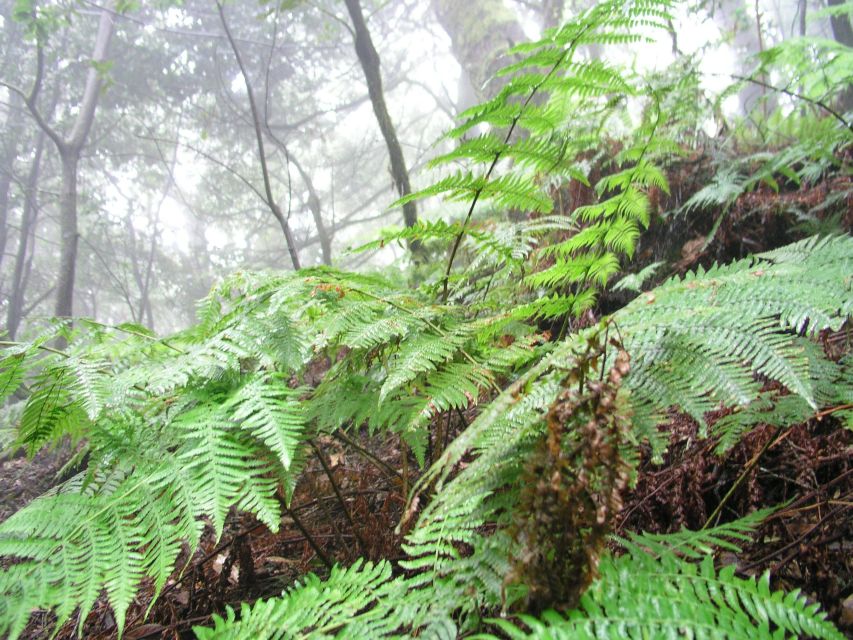
- Primeval La Gomera cloud-forest scenery in Garajonay National Park, a setting that feels ancient.
- Botanical guidance on moss, lichen, and tree relationships, explained in a way that makes the forest click.
- High-to-low route with strong viewpoints after the climb to Pico del Garajonay.
- Small group size (max 15), which keeps the hike from feeling crowded.
- Short breaks at standout cultural and nature spots, including the island’s best-known pilgrimage chapel.
- Finish at an old sough with the bus waiting, so your timing stays predictable.
Garajonay’s rainforest: what you’re really walking into
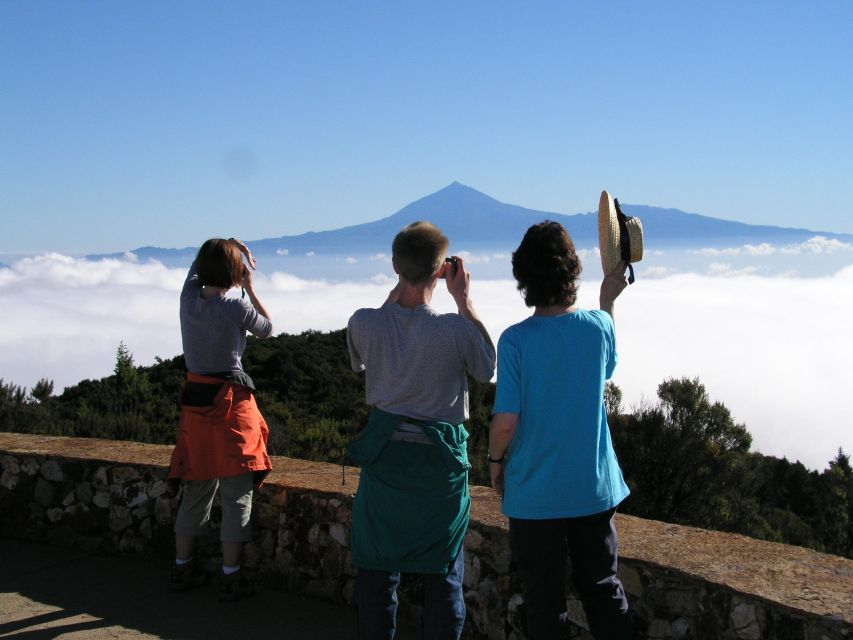
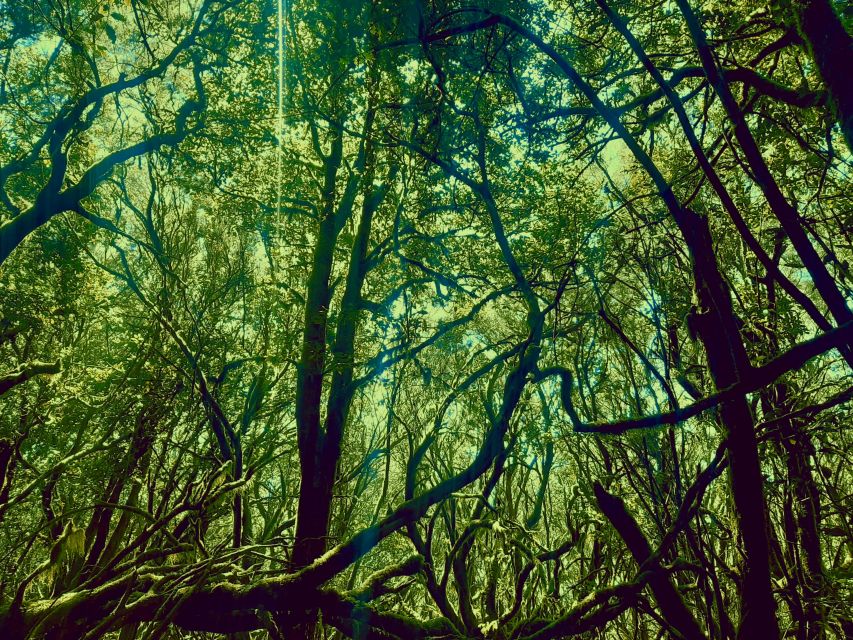
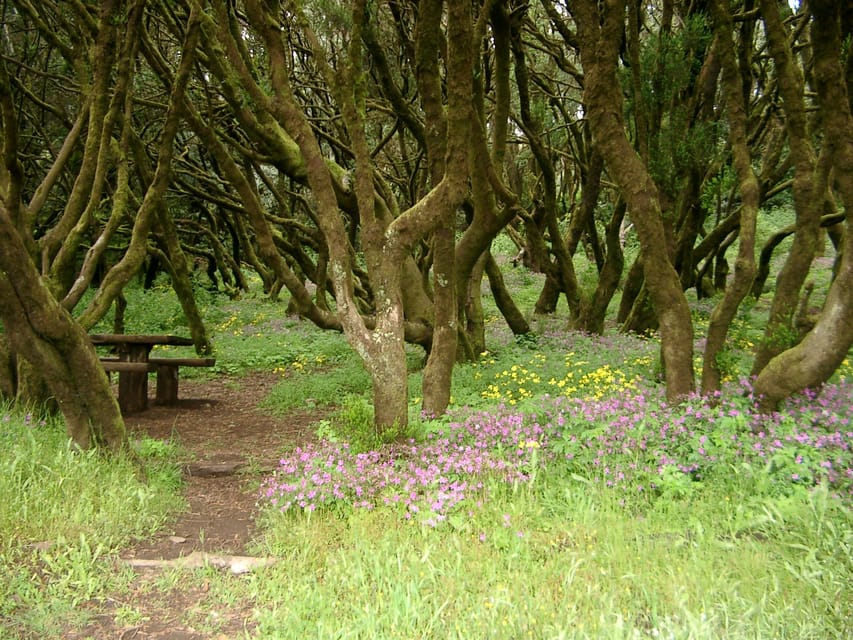
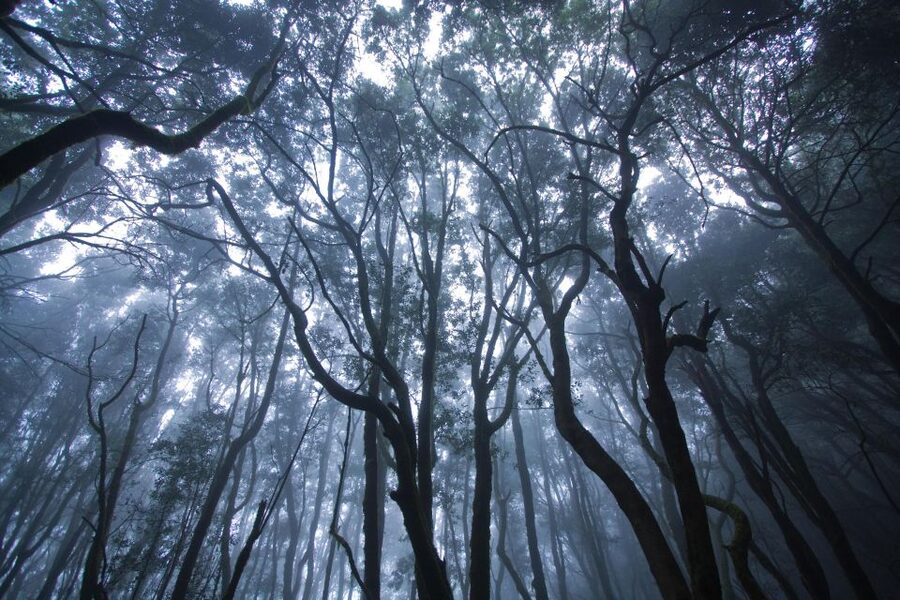
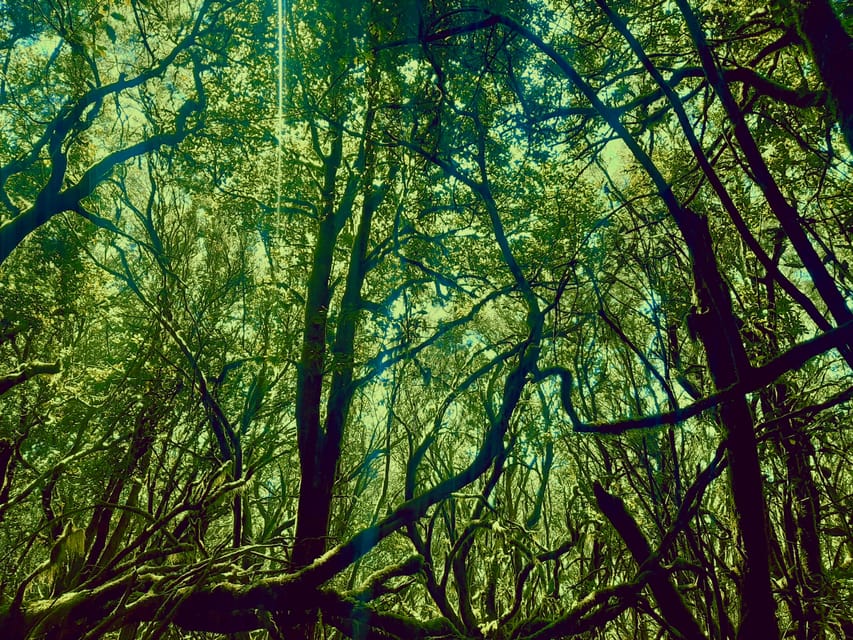
Garajonay National Park is known for its rainforest-like, misty mountain feel. What makes it compelling for me is that the tour doesn’t treat it like a generic nature trail. You’re there to understand how this environment works—how the forest holds moisture, how tiny growth (like moss and lichen) connects to the trees around it, and why this kind of mountain forest is rare.
This is also one of those places where the scenery is dramatic even when the weather turns moody. If you get clouds moving through, the forest atmosphere makes sense. If it clears, the viewpoints are the reward for climbing up to the island’s high point.
And because it’s part of the UNESCO world cultural heritage, the walk has a “place” feeling, not just a “hike” feeling. You pass a well-known pilgrimage chapel and reach the Green Heart area—stops that ground the rainforest in local meaning.
You can also read our reviews of more tours and experiences in La Gomera.

From Valley Gran Rey pickup to the rainforest trail
Your day starts in Valley Gran Rey, with multiple pickup locations offered. You choose the one that’s closest to where you’re staying, and the tour takes it from there. The listed pickup points include Lepanto 74, C. Baja Secreto 2T, the bus stands at Charco del Conde and El Caidero, and Av. Marítima La Playa–La Puntilla 34 (in other words, you’ll have options along the main areas of the resort zone).
After pickup, there’s about 1 hour by coach to reach the trail region. This matters more than you’d think. La Gomera’s roads are winding, and that first transfer helps you arrive ready to hike rather than scrambling to figure out transport.
Once you’re dropped off, your guided hike begins in earnest. You’ll walk through the national park with qualified hiking guides, and the route is designed as a high-point climb followed by a long descent into the Green Heart.
Two practical notes for your morning:
- Go easy on heavy breakfast if you’re sensitive on climbs. The day has a steady uphill start.
- Wear shoes that handle damp trails. Even if the forecast looks calm, mountain forests can stay slick.
Climbing to Pico del Garajonay: the view is earned
The route goes “to the Green Heart via the highest point of the island.” In your body, that means you’ll feel the ascent first. Expect about 280 m up before you fully earn the payoff.
The real reason to care about the climb: it sets you up for the next phase of the hike. After reaching the high point, you’re rewarded by fantastic views of Pico del Garajonay. That viewpoint isn’t just scenery for scenery’s sake—it gives you a sense of scale for what comes next as the trail drops down into the national park.
When the guide calls out what you’re seeing, the altitude perspective helps. You start connecting the plant details to the broader conditions—how this mountain environment supports growth and how moisture and shade shape the forest.
If you’re the type who likes to stop for photos, this is the part where you’ll naturally want to. The best moments tend to happen where the path opens up and the view takes over. Just remember the group pace: you’ll be moving with a small group, max 15 people, so don’t plan on long detours off the trail.
Garajonay National Park guided walk: why moss and lichen matter
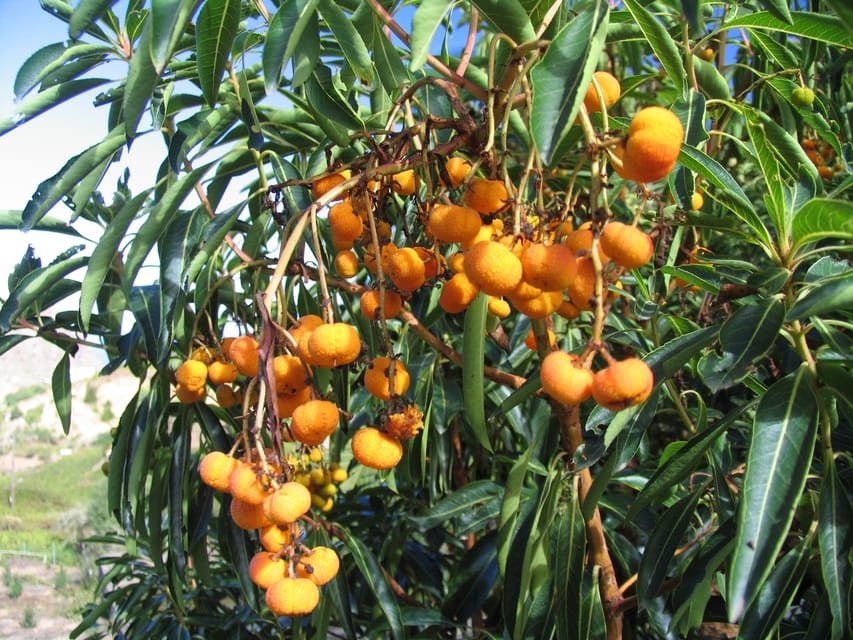
About 4.5 hours of walking are guided inside Garajonay National Park. The standout here is the botanically guided approach. Instead of a lecture-only style, the guide ties explanations to what’s right in front of you.
You’ll receive information about the relations between mosses, lichen and trees in this unique tropical mountain forest. I like this kind of guidance because it changes your perception fast. Moss isn’t just decoration. Lichen isn’t just a patch on bark. Trees, moisture, and microclimate work together—and the guide helps you see those connections.
This section also matters because it’s the heart of the experience: the part that makes the rainforest feel special, not generic. The forest is primeval-feeling, and the guide gives you a way to interpret that feeling. You’re walking through a living environment that’s both ancient in character and fragile in detail.
You’ll also pass through the kind of terrain where it’s easy to get distracted by footing and forget to look around. The guide’s pacing and focus help you slow down at the right moments. That balance is key on a hike that’s around 10 km total, with a much bigger descent than ascent (700 m down).
The pilgrimage chapel stop and reaching the Green Heart
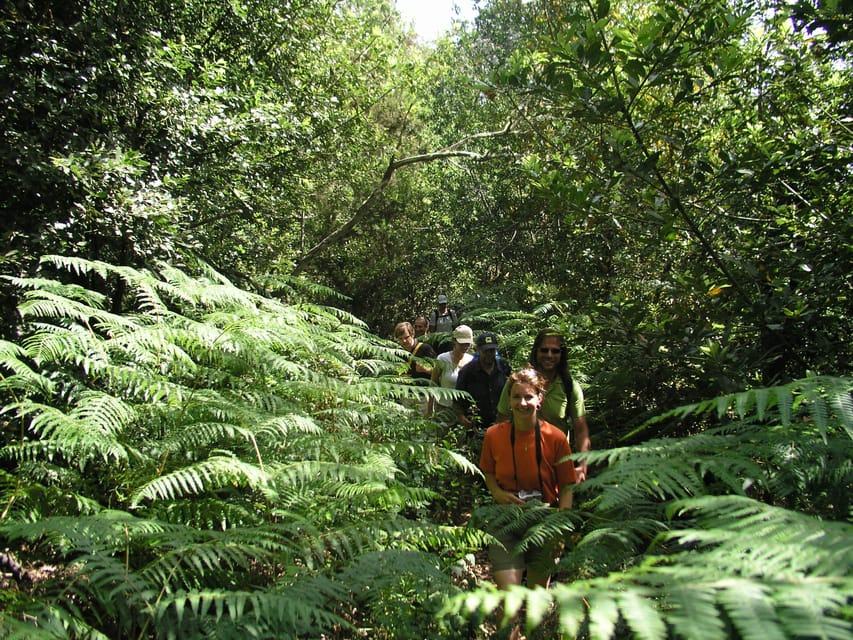
As you move along the route, you’ll pass the island’s best-known pilgrimage chapel. There are short breaks at major points, and that chapel stop is one of them. Even if you’re not there for religious sites, it’s a useful pause. It gives your legs a moment to reset, and it adds cultural context to what would otherwise be only a nature walk.
Then you reach the Green Heart of La Gomera. Think of this as the spiritual-and-ecological center the route is aiming for: an area where the rainforest atmosphere is strongest and the forest feels most alive.
The short breaks at both key places are more valuable than they seem. On a long descent, your knees feel every step. Brief pauses keep the day comfortable, and they also give you time to absorb what the guide has been explaining—the moss and lichen relationships make more sense when you can actually look at the forest without rushing.
The end at an old sough: plan your food and don’t count on restaurants
The hike ends at an old sough, which is where the bus is waiting for you. That’s a smart setup for a day trip because it keeps the schedule tight and predictable.
But it comes with a clear limitation: there’s no opportunity for a break at a restaurant. So the common mistake is showing up with only water and hoping you’ll grab a bite later. Don’t.
Bring:
- Snacks that won’t turn into a stressful, sticky situation mid-hike
- Drinks you can sip throughout (not just at the beginning)
- Anything you need to stay comfortable during a long walk
The route timing also helps you plan. The full day tour runs from 9:30 a.m. to around 4:00 p.m., including bus transfers. You’ll want your food to cover the entire window, especially since the walking portion is long enough that hunger usually shows up well before you’re back on the bus.
How hard is it, really? Pace, distance, and the numbers that matter
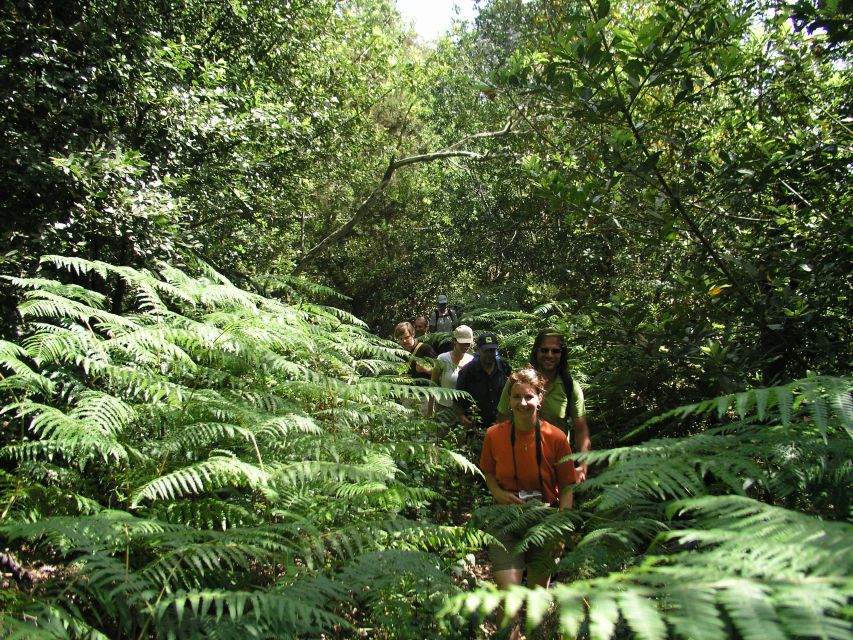
This is a hike for people who are fit, healthy, and have some walking experience. If that describes you, you’ll likely feel fine. If you’re coming off long travel days, do yourself a favor and pack lightly and move steadily.
Here are the hard numbers:
- Walk time: about 4 hours
- Total distance: about 10 km
- Ascent: 280 m
- Descent: 700 m
- Departure: 9:30 a.m.
- Return: around 4:00 p.m.
The big thing is the descent. A longer down-slope can be harder on your knees than you expect, even if your legs feel okay on level ground. I recommend keeping steps short and controlled, especially on any damp sections.
Also note the tour isn’t set up for slow wandering. It’s not a relaxed stroll with unlimited stopping. You’ll have guided explanations and short breaks, but the route expects forward motion.
Weather is another factor. The guide info calls for rain gear and a jacket. Even if the day starts sunny, mountain forest conditions can shift. Bring layers you’ll actually wear, not just pack.
What to pack for a rainforest day (and why it matters here)
You’ll get the best experience with gear that matches damp, cool shade, and changing light. The tour specifically recommends bringing:
- Hiking shoes (this is the big one)
- Jacket and rain gear
- Sun hat and sunglasses (yes, even in a rainforest-style hike)
- Snacks and drinks
- Comfortable clothes and a daypack
- Comfortable backup sports shoes if your hiking shoes are new or stiff
My practical take: don’t rely on a “quick dry” shirt to keep you comfortable if you get misty wind. Layers help you regulate. And keep your water easy to reach—when you’re descending, you’ll want quick sips rather than stopping to fumble.
If you’re someone who tends to get cold in shaded areas, pack a warmer layer than you think you need. The forest canopy can make the environment feel cooler than the coastline.
Price and value: why $40 makes sense for what you get
At around $40 per person, this isn’t a bargain-ticket bus ride. It’s a guided, national-park hike with transport and a long walking segment.
Here’s why that price can be good value:
- Small group size (up to 15) means you get more guide attention than on large coach tours.
- You get qualified hiking guides and a botanically guided experience, not just a map and a route.
- The walk includes about 4.5 hours of guided time inside the national park.
- The tour provides pickup and drop-off within Valley Gran Rey plus coach transfers to and from the trail area.
What you give up is the chance to buy lunch on-site. Since lunch isn’t included, your real cost depends on how you plan your food. If you pack smart, it stays straightforward. If you forget and end up buying extra snacks later, it can feel less like a deal.
For me, the “value equation” is simple: you’re paying for time with a guide who helps you understand the forest. If that kind of interpretation makes the hike more meaningful for you, the price feels fair.
Language, group feel, and the guide impact
The tour operates with live guides in English and German. That matters because the botanics component only works if the explanation lands. When you’re walking through primeval-feeling forest, the ability to understand what moss and lichen are telling you makes the experience far more satisfying.
One review-highlight that came through clearly is the guide’s approach—Barbara was praised for being very informative. Even if you don’t know the guide’s name in advance, the key is that this tour’s value depends on the guide doing their job: making the forest understandable, not just passable.
You’ll also feel the small-group size. With fewer people, the pace stays more human, and questions are easier to answer. If you like guided hikes where you can ask something simple—what you’re seeing, why it grows there—that setting helps.
Who should book this tour, and who should skip it
Book it if you:
- Enjoy guided nature walks and want more than scenery
- Like botany-style interpretation without needing a science degree
- Are comfortable with a 10 km hike and a significant descent
- Want a day trip that still feels like an experience, not just transportation
Skip it if you:
- Have mobility issues or need accessible routes (this isn’t designed for that)
- Have heart problems
- Are traveling with kids under 6
Also be honest about rain. The tour asks for rain gear, and the forest can stay wet. If you hate hiking in damp conditions, consider whether a different day trip fits you better.
Should you book La Gomera: The Rain Forest?
I think you should book this tour if you want a guided rainforest hike that teaches you how to look. The climb to Pico del Garajonay gives you big views, and the guided walk through Garajonay’s primeval forest gives you the meaning behind the misty green.
The main reason not to book is also pretty clear: there’s no restaurant stop at the end. If you’re counting on buying lunch during the tour, this setup will annoy you. If you plan snacks and water and you’re comfortable with the descent, you’ll be happy you went.
If you want to make it even better, treat it like a whole-morning experience: pack early, wear proper shoes, and stay ready for shifts in weather.
FAQ
What is the total duration of this tour?
The tour runs for about 7 hours, and the schedule operates as a full-day program from 9:30 a.m. to around 4:00 p.m., including bus transfer time.
Where does pickup happen in Valley Gran Rey?
Pickup is offered from specific locations in Valley Gran Rey, including Lepanto 74, C. Baja Secreto 2T, Parada de autobuses Charco del Conde, Parada de autobuses El Caidero, and Av. Marítima la Playa – la Puntilla 34. You choose one during checkout.
How much walking is included?
The guided walking time in Garajonay National Park is about 4.5 hours. The full hike covers about 10 km total.
What are the ascent and descent like?
You’ll face an ascent of about 280 m and a descent of about 700 m, so the downhill portion is the tougher part for many people.
Is lunch included?
No. Lunch is not included, and there is no restaurant break at the end of the hike.
What should I bring?
Bring hiking shoes, a jacket, rain gear, a daypack, sunglasses, a sun hat, comfortable clothes, and snacks and drinks.
What group size and languages should I expect?
The group is limited to 15 participants. The live guide offers English and German.