REVIEW · TAMARINDO
Kayak to the Heart of the National Park
Book on Viator →Operated by Sol Eco Adventures · Bookable on Viator
A quiet kayak cuts through the mangroves. You’ll paddle into Las Baulas National Marine Park, then hop ashore for a guided hike and an archaeological climb with big bird views. It’s active, nature-first, and timed to the tides so you don’t miss the best access.
I especially like the “no cars” setup: the only practical way in is by boat-style access, and kayaking keeps things calm and close to wildlife. I also like the mix of skills and learning—there’s a brief paddling lesson before you go, and you’re coached on what to watch for on the water and along the trails with guides like Luis (also called Luis Ernesto), plus Tom and Victor in some runs.
One possible drawback: expect some wet, uneven footing when you step off and back into the kayak. If you’re sensitive to slippery ground, bring proper shoes with grip and take the re-entry slow.
In This Review
- Key points before you go
- Entering Las Baulas by kayak feels more personal
- Pangas Beach Club start: facilities, brief lesson, and what to pack
- The mangrove paddle: your first wildlife and plant spotting
- Hike time: trails, big trees, and a climb to an indigenous site
- Expect wet footing when stepping off and back into the kayak
- Timing with tides: why your start time is non-negotiable
- Price and value: what you get for $65 and what you bring yourself
- Who this kayaking-and-hike tour is best for
- Should you book Kayak to the Heart of the National Park?
- FAQ
- How long is the tour?
- Where do we meet, and is there a place to park?
- Do I need kayaking experience?
- What’s included in the price?
- What should I bring that isn’t included?
- How physically demanding is it?
- Why is the tour scheduled before high tide?
- What’s the maximum group size?
Key points before you go
- Las Baulas by kayak: quiet mangrove channels with wildlife potential, not a crowded boat ride
- Small groups (max 10): more personal pacing on both water and land
- Tide timing matters: schedule is set 60–90 minutes before high tide
- Hike + archaeological viewpoint: climb to a rock-built indigenous site for canopy bird views
- Gear is mostly covered: kayak, life jacket, dry bag, plus snacks and bottled water
Entering Las Baulas by kayak feels more personal
Las Baulas National Marine Park is part of Costa Rica’s coastline story where mangroves do the heavy lifting. Instead of hearing engines all morning, you glide through shallow water corridors that birds and monkeys treat like home.
Because cars aren’t allowed inside the park, kayaking (and a short walk once ashore) becomes the practical way to reach the heart of the area. That matters for your experience: you don’t just see nature—you move through it at slow speed, which makes spotting animals and plants much easier.
Pangas Beach Club start: facilities, brief lesson, and what to pack
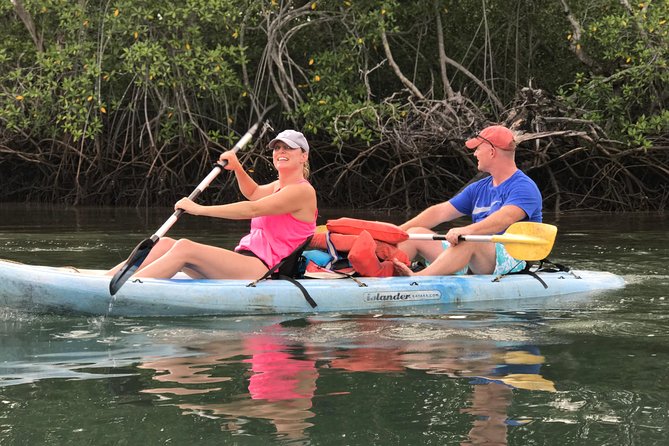
You meet at Pangas Beach Club in Tamarindo. The location is practical for a tour morning: there’s parking, bathrooms, and even showers so you can rinse off before heading back toward town.
Before paddling, your guide gives a short safety and technique briefing. If you’re new to kayaking, this is the moment to ask questions and get your body position right—single or double kayaks have cushioned seats, back rests, and life jackets, and you’ll use them right away.
What you should pack (based on what’s not included): bring mosquito spray and wear suitable walking/tennis shoes. And bring a willingness to get a little damp—this is a mangrove-and-hike morning, not a dry museum visit.
The mangrove paddle: your first wildlife and plant spotting
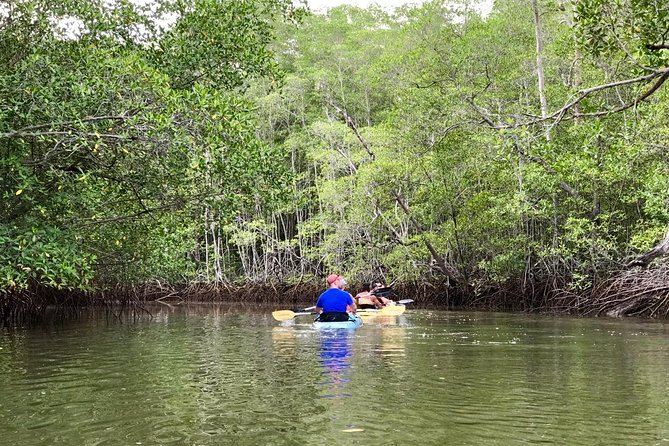
The first leg is about a 35-minute kayak through lush mangroves toward the park’s central area. The water route is where the morning usually feels most special, because mangroves are full of small movement—birds hopping, branches swaying, and occasional surprises along the banks.
Your guide keeps you moving safely and also points out what you’re seeing. The park’s edge habitat supports creatures like howler monkeys, iguanas, and a mix of birds (parrots, herons, cranes show up in the story of the area), plus smaller wildlife such as squirrels. Depending on conditions and timing, you might also spot larger reptiles along the riverbanks.
The paddling itself isn’t just transportation. You’re also learning what to look for: mangrove structure, how animals use shaded channels, and which plants tend to show up in certain patches. That “watching with purpose” is what turns a nice paddle into a memorable nature lesson.
Hike time: trails, big trees, and a climb to an indigenous site
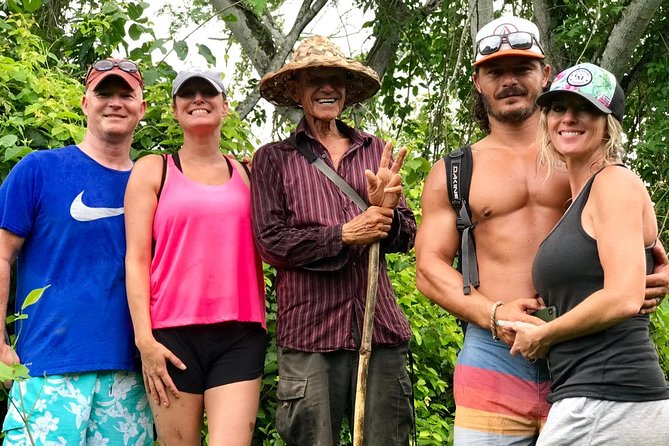
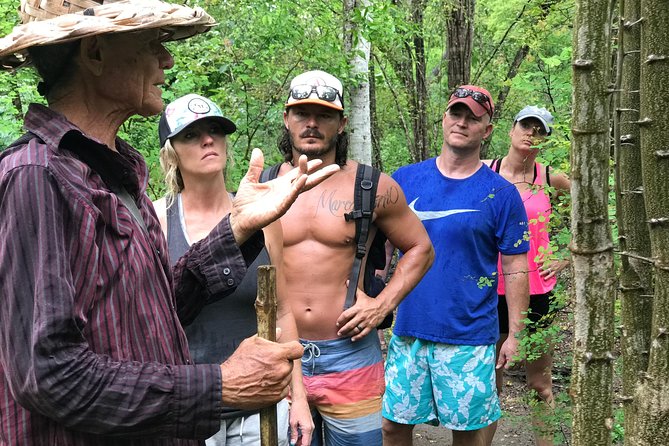
Once you reach the right area, you leave the kayaks and step onto land for a guided nature hike. This is where the tour shifts from water skills to leg-powered exploration on numerous trails, with the guide explaining animal behavior and plant life as you go.
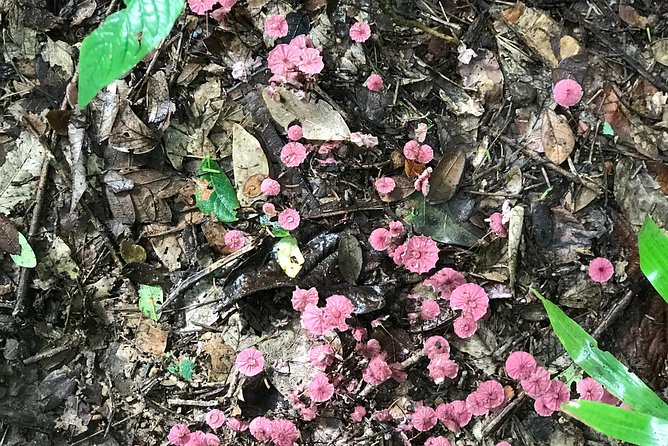
The hike is designed for close observation. You’re looking for both animals and plants—think dragonfruit cactus, wild hibiscus, mushrooms, and standout trees including the garden-of-the-forest style canopy and the national guanacaste tree.
Then comes one of the most distinctive parts: you’ll visit and climb to the top of an archaeological site built by ancient indigenous people using rocks brought from nearby. The climb is not just for the view; it’s a way to change your perspective and see the canopy from above, which can help you spot birds high in the trees.
This is also where the tour’s rhythm becomes important. Some people love hikes that are packed with facts and stops; others prefer quiet wandering. If you like active interpretation—listening while you walk—you’ll likely enjoy this portion.
Expect wet footing when stepping off and back into the kayak
Here’s the practical reality: you step ashore and later re-enter the kayak from a shoreline that’s affected by tides. The whole experience is scheduled 60–90 minutes before high tide, which helps with access, but mangrove edges can still be muddy and slippery.
So take this part seriously:
- Wear your proper shoes (not bare flip-flops).
- Move carefully during re-entry.
- If you’re unsure of your balance, tell your guide early so they can position you and slow down the process.
I’m calling this out because a good tour still has physical moments that can feel risky if you rush or if your footwear is wrong. When it goes well, it feels smooth and controlled. When it doesn’t, the shoreline can turn into the main obstacle instead of the wildlife.
Timing with tides: why your start time is non-negotiable
Tides drive the schedule here. Because the shoreline conditions change daily, the tour is scheduled 60–90 minutes before high tide to keep the kayak-to-trail transition workable.
Plan for heat and humidity too. Even when you’re not doing an all-day trek, you’re paddling, then hiking, and you’ll want to stay hydrated throughout. The tour includes bottled water and snacks, but bring your own extra if you tend to drink a lot during active mornings.
If you’re the kind of traveler who hates being on a clock, this is a good tour to do earlier rather than later. Go when your body and schedule are ready for the tide window. It makes a big difference in how relaxed the morning feels.
Price and value: what you get for $65 and what you bring yourself
At $65 per person for about 3 hours, this tour prices itself as mid-range adventure. The value comes from three things you can’t fake:
1) kayaking access into mangrove channels where wildlife lives
2) guided land time with botany and animal behavior explanations
3) a special stop—an archaeological climb with a canopy viewpoint
You’ll also get a lot of core equipment included: a single or double kayak with padded seats and back rests, life jackets, a protective dry bag, plus snacks and bottled water. That cuts down on what you need to rent or buy separately.
Still, don’t leave for Tamarindo without the two add-ons you’re told aren’t included: mosquito spray and suitable walking shoes. I’d also consider bringing additional water even though the tour provides it—some groups have had to ask for more during hot conditions.
The other value factor is group size. With a maximum of 10 travelers, the pace is more flexible than on bigger tours, and the guide can spend time adjusting to novice paddlers.
Who this kayaking-and-hike tour is best for
This works well if you want wildlife and plants but still like a structured morning. The guided format helps you notice details you’d likely miss if you were renting a kayak and wandering on your own.
It’s also a good fit for:
- moderate fitness travelers (you’re hiking trails and paddling, not sprinting)
- people who want a smaller-group nature experience in Tamarindo
- couples, solo travelers, and families who enjoy guided explanations
Where you should be cautious:
- If you have trouble with balance on muddy steps, bring the right shoes and communicate with the guide.
- If you want a very laid-back pace with lots of “wandering only,” this hike is guided with stops, so you’ll be moving with the group.
Most days, the best part is the feeling of quiet water followed by a shaded walk through the forest—two different environments in one morning.
Should you book Kayak to the Heart of the National Park?
Book it if you want a nature-focused morning that combines mangrove paddling, a guided forest hike, and a climb to an indigenous archaeological viewpoint. It’s one of those tours where the time on the water is only half the story—the land portion adds the “why should I care” context about plants, wildlife, and place.
Skip it (or choose another option) if wet, slippery shore re-entries are a dealbreaker for you, or if you know you’ll struggle with uneven footing. If you can handle that one physical challenge and you come prepared with shoes and mosquito protection, you’ll likely leave feeling like you saw more than just a coastline view.
FAQ
How long is the tour?
The activity lasts about 3 hours (approx.).
Where do we meet, and is there a place to park?
You start at Pangas Beach Club in Tamarindo, which has parking plus bathroom and shower facilities.
Do I need kayaking experience?
No experience is stated as required. Before heading out, the guide provides a brief lesson on safety and paddling techniques.
What’s included in the price?
You get a single or double kayak with seat pads/back rests and life jackets, bottled water, snacks, and a protective dry bag.
What should I bring that isn’t included?
You’ll want mosquito spray and suitable walking/tennis shoes.
How physically demanding is it?
The tour is listed for travelers with moderate physical fitness.
Why is the tour scheduled before high tide?
Tidal changes affect access, so the tour is scheduled 60–90 minutes before high tide.
What’s the maximum group size?
The maximum group size is 10 travelers.