REVIEW · ARNHEM LAND REGION
Jabiru: Guided Flight over Kakadu National Park
Book on GetYourGuide →Operated by Kakadu Air · Bookable on GetYourGuide
Kakadu looks different from the sky. This 1-hour guided flight gives you the big picture fast, with changing ecosystems and UNESCO World Heritage scenery you can actually trace in the air. You’ll fly fixed-wing over Australia’s largest national park while a pilot/guide talks you through what matters.
I love the window-seat views that make places like Jim Jim and Twin Falls feel close enough to count. I also like the guided commentary that explains what you’re seeing and why the park looks so different between the wet and the dry seasons.
One thing to consider: this isn’t a big commercial jet. It can be very hot on board, and the ride may not suit people with motion sickness.
In This Review
- Quick Reasons This Flight Is Worth Your Time
- Kakadu From Above: What This Flight Gets Right
- Price and Value: Is $183 a Good Deal for 1 Hour?
- Meeting Jabiru the Right Way: Where You Start
- Wet vs Dry Season Routes: How the Flight Changes What You See
- If You Fly in the Wet Season
- If You Fly in the Dry Season
- Arnhem Plateau Views: Jim Jim and Twin Falls From the Air
- Double Falls, Deaf Adder Gorge, and Lightning Dreaming
- Magela Floodplains and the Crocodile Hotel: Water Country in Plain Sight
- What the On-Board Experience Feels Like (and What to Pack)
- What to bring
- Accessibility and Comfort: Who Should (and Shouldn’t) Book
- Group Size and the Surprise Factor
- Should You Book Kakadu Air’s Guided Flight?
- FAQ
- How long is the flight over Kakadu National Park?
- What does the price include?
- Do I need a Kakadu National Park pass?
- Where do I meet for the tour?
- Is there live commentary during the flight?
- Do you fly different routes depending on the season?
- Which major sites can you see on the flight?
- What should I bring?
- Who is this not suitable for?
Quick Reasons This Flight Is Worth Your Time
- Seasonal flight paths: wet season and dry season routes change what you’ll see
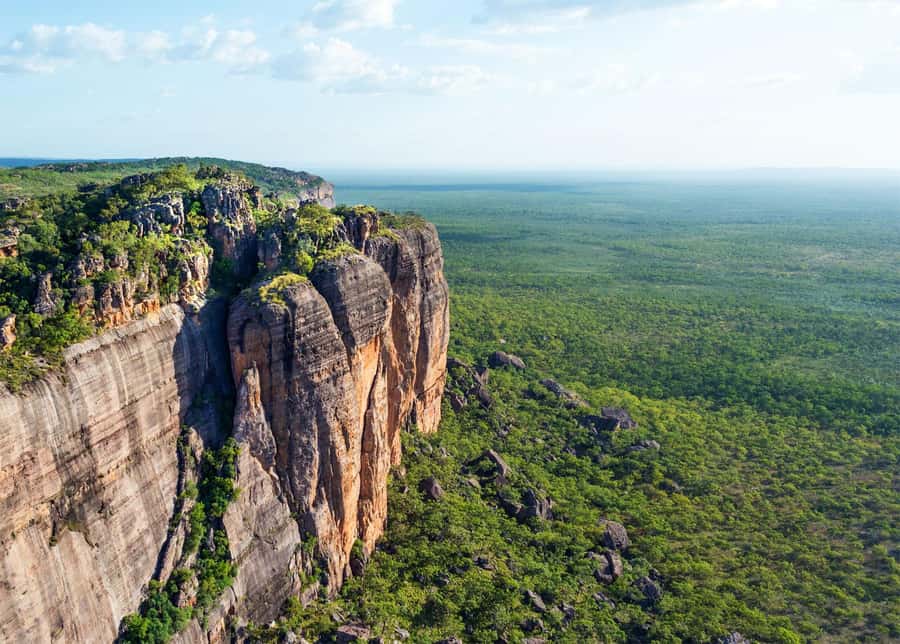
- Arnhem Plateau highlights: get aerial views of Jim Jim and Twin Falls
- Water in the air, water on the ground: pass over places like the Magela floodplains
- Clever storytelling from the cockpit: pilot/guide narration adds meaning to the scenery
- Small-touch comfort: cold bottled water and window seating are included
Kakadu From Above: What This Flight Gets Right
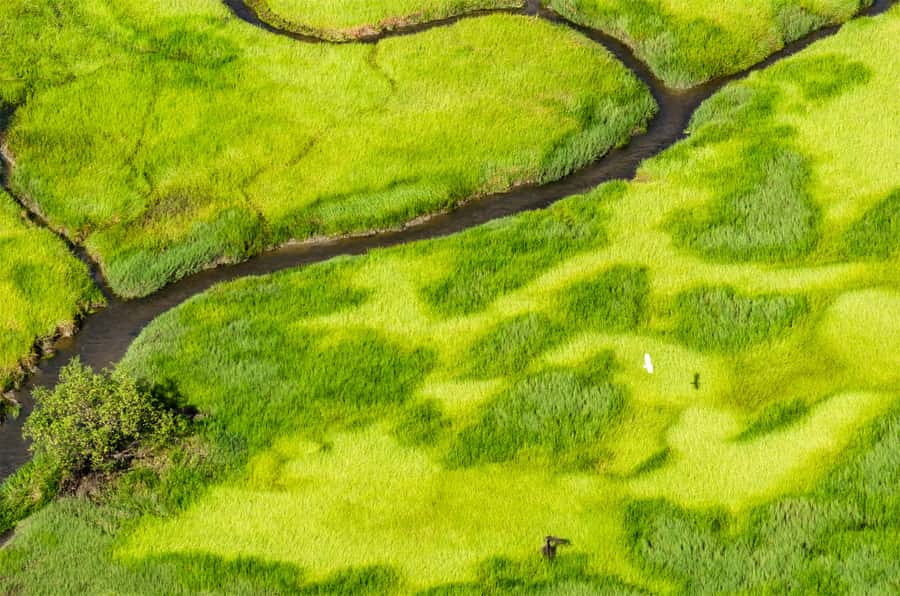
If you only have a short window in Northern Territory, this is one of the most time-efficient ways to understand Kakadu. You don’t need a full day of driving to get the scale. From the air, the park’s patterns show up quickly: rivers snake, floodplains widen, and big rock country reveals its structure.
You’ll also get a proper guide voice in your ear. The pilot/guide provides live commentary in English, and an English audio guide is included. That combo matters, because Kakadu can feel like a list of names until someone helps you connect the dots between where you are and what you’re seeing.
And since the park is a UNESCO World Heritage site, the flight hits a sweet spot: it’s not just sightseeing. It’s a quick, guided orientation to a protected area with real ecological rhythms.
Price and Value: Is $183 a Good Deal for 1 Hour?
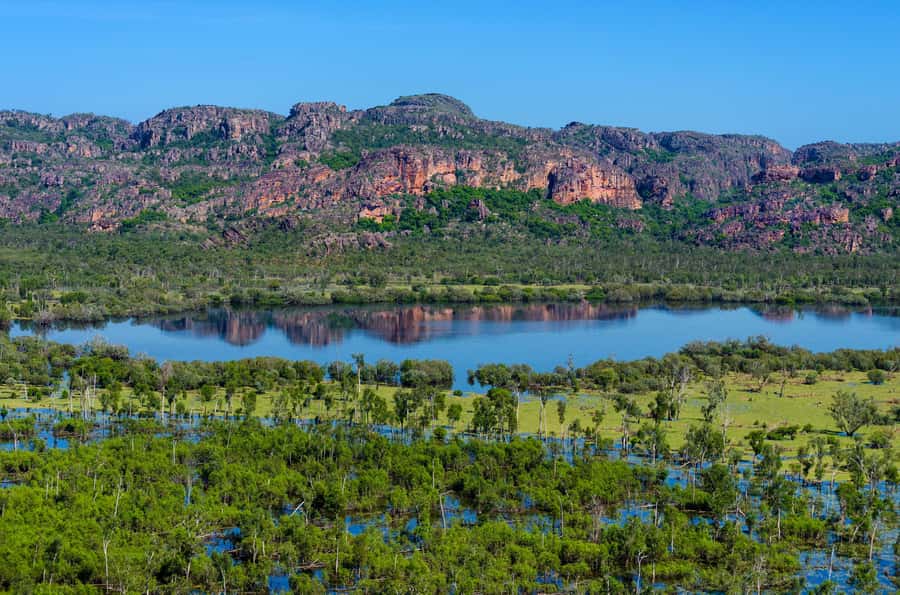
At about $183 per person for a 60-minute scenic flight, you’re paying for two things: access and perspective. You’re not buying a long tour. You’re buying a sky-level route that’s hard to replicate any other way in Kakadu.
Here’s how I think about value for a flight like this:
- Time saved is the big currency. A one-hour aerial tour compresses what could take much longer by road into a single, guided loop.
- Included extras help you feel less nickel-and-dimed. You get window seats, cold bottled water, and guided narration.
- Your Kakadu entry pass is separate. You’ll need to purchase a Kakadu National Park pass before entering Kakadu, so plan for that extra cost in your overall budget.
If you’re doing Kakadu for just a couple days, the price can feel reasonable because you’re essentially “buying” a first look at the park that makes the rest of your trip easier to enjoy.
Meeting Jabiru the Right Way: Where You Start
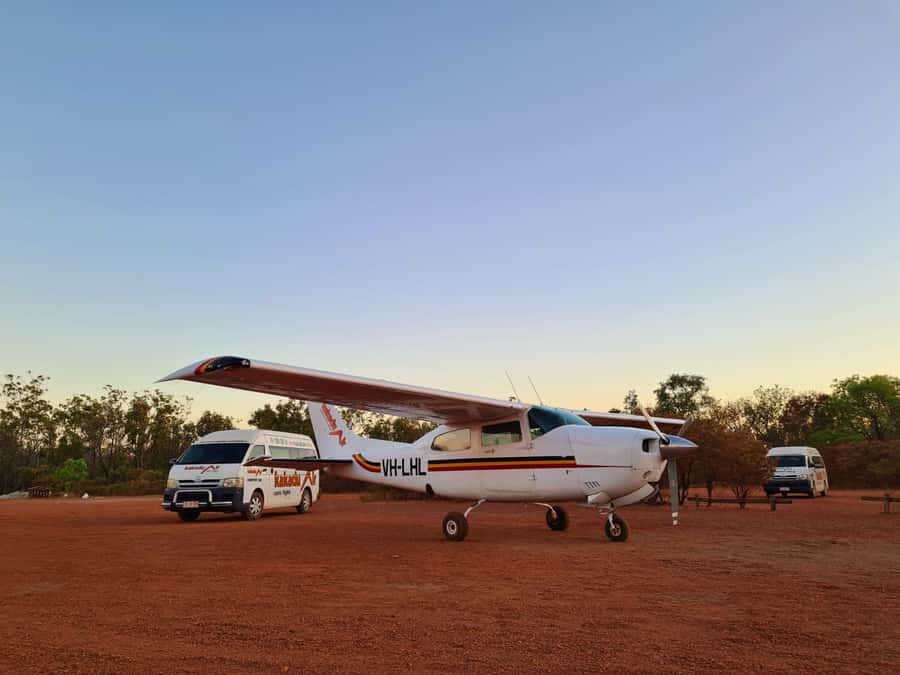
Your flight begins at Jabiru Aerodrome in Northern Territory. The meeting point is the last stop after you follow the Arnhem Highway all the way to the end. Once you park, head to the reception area in the main and only building.
Two small practical notes based on what’s provided:
- Show up with enough time to check in smoothly, especially in the heat.
- Bring your basics for outdoors: sunglasses and a hat help a lot once you’re on the ground.
The upside of Jabiru as a base is simple: it keeps your logistics straightforward before you head out over the park.
Wet vs Dry Season Routes: How the Flight Changes What You See
Kakadu has two major climatic seasons—the wet and the dry—and your flight route changes with the season you choose. That’s one of the best reasons to consider flying rather than just driving. You’re not guaranteed the same highlights every time; the park looks different, and the tour reflects that.
If You Fly in the Wet Season
Expect a southern route that brings in some standout features:
- Passing the Ranger Uranium Mine
- Flying by Mt. Brockman and the escarpment toward Lightning Dreaming
- Crossing Deaf Adder Gorge
- Taking in Double Falls
- Continuing over the Arnhem Plateau toward Jim Jim and Twin Falls
The wet-season experience tends to emphasize water systems and dramatic, seasonal flow. Even from the air, you can often “read” where water has been moving and collecting.
If You Fly in the Dry Season
The dry season route shifts north and inland, with a stronger focus on river country and floodplain edges:
- Starting by passing the Ranger Uranium Mine to Dinosaur Valley
- Going through Upper East Alligator Valley
- Following the twists and turns of the river as your route threads through the system
- Crossing over the Magela floodplains
- Seeing the famous Crocodile Hotel
Dry season flying can feel more about patterns—where channels run, where the land opens up, and how the floodplain geometry changes when water recedes.
Arnhem Plateau Views: Jim Jim and Twin Falls From the Air
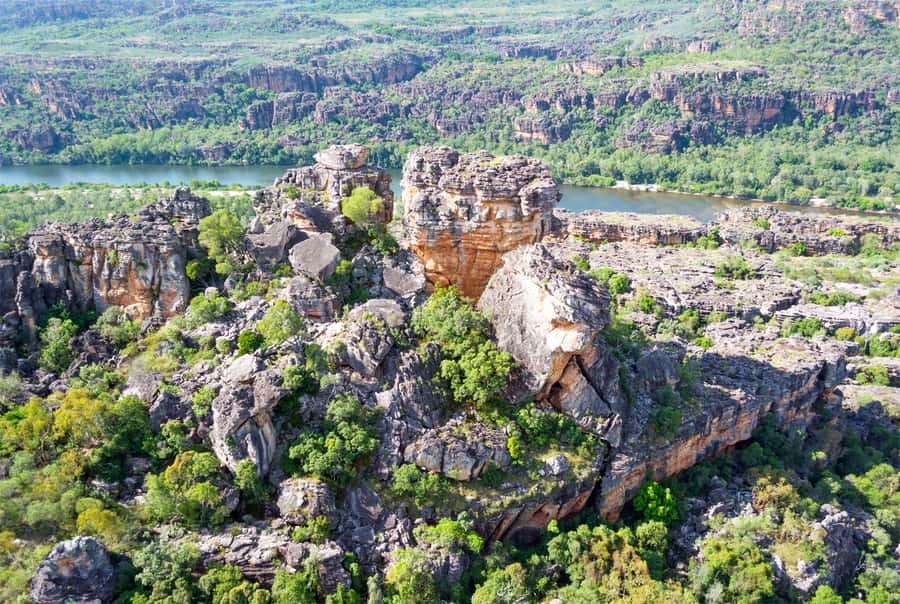
One of the core payoffs on this flight is Arnhem Plateau. In both wet and dry descriptions, the route ultimately moves toward the viewpoint area where Jim Jim and Twin Falls appear.
From the air, waterfalls and escarpments can look surprisingly different than you expect. You’re not getting the ground-level scale and spray; you’re getting the structure—how cliffs step down, how water drops align with the terrain, and how the surrounding country shapes the flow.
This is also where the guided commentary helps you most. When you hear what you’re looking at, those names stop being checklist items and start becoming landmarks in your mental map.
Double Falls, Deaf Adder Gorge, and Lightning Dreaming
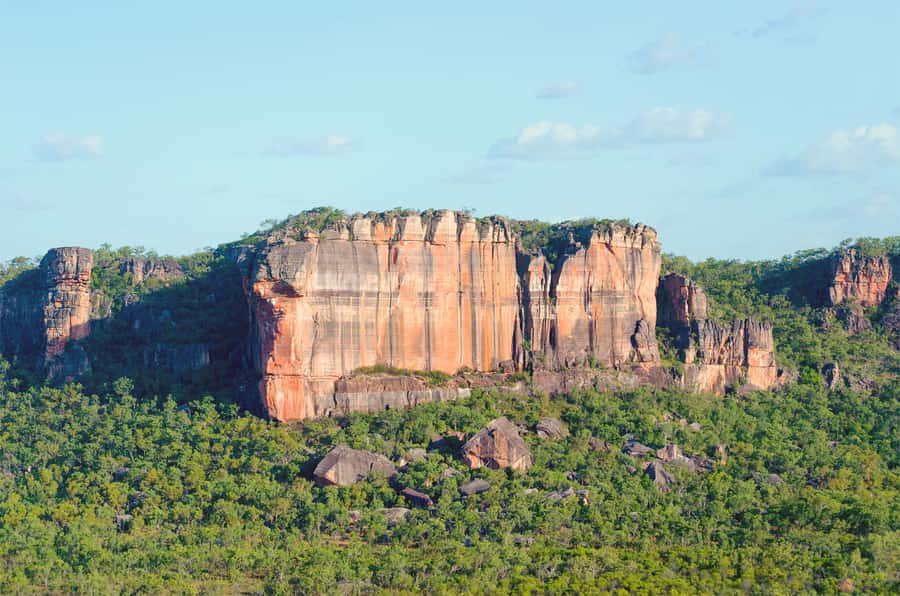
If your timing lines up with the wet season, you’ll likely pass across some heavier hitters early in the flight.
Deaf Adder Gorge and Double Falls are exactly the kind of features that benefit from aerial viewing. On the ground, it’s hard to grasp both the “where” and the “how” in one glance. From above, you can see how the gorge cuts through, and how waterfalls relate to the wider system.
Lightning Dreaming is another name you’ll hear tied to the route. Even if you don’t know Kakadu’s cultural context before your flight, the guide’s narration can give you enough orientation to make that section feel more meaningful than a random landmark.
If you’re the type who likes to connect geography to story, this is one of the best segments of the flight.
Magela Floodplains and the Crocodile Hotel: Water Country in Plain Sight
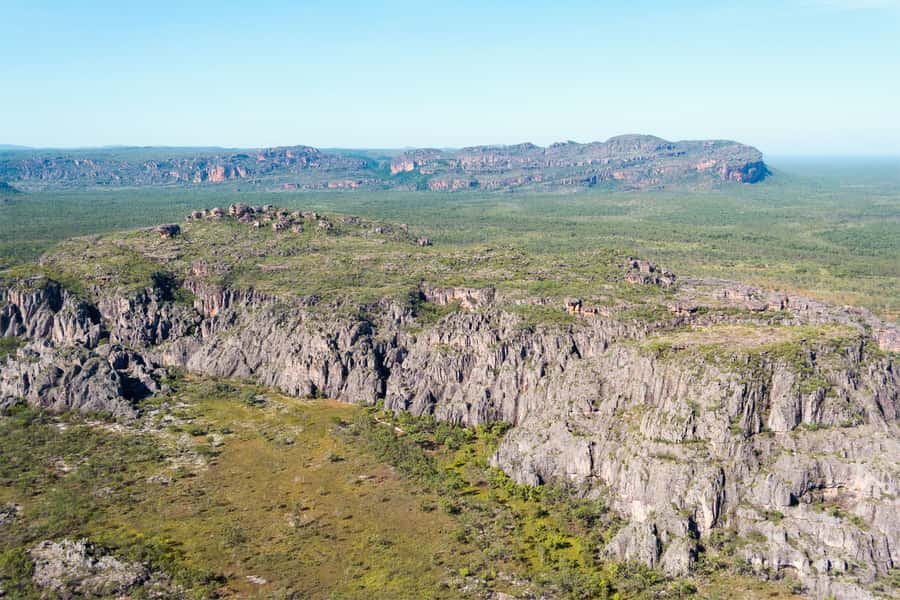
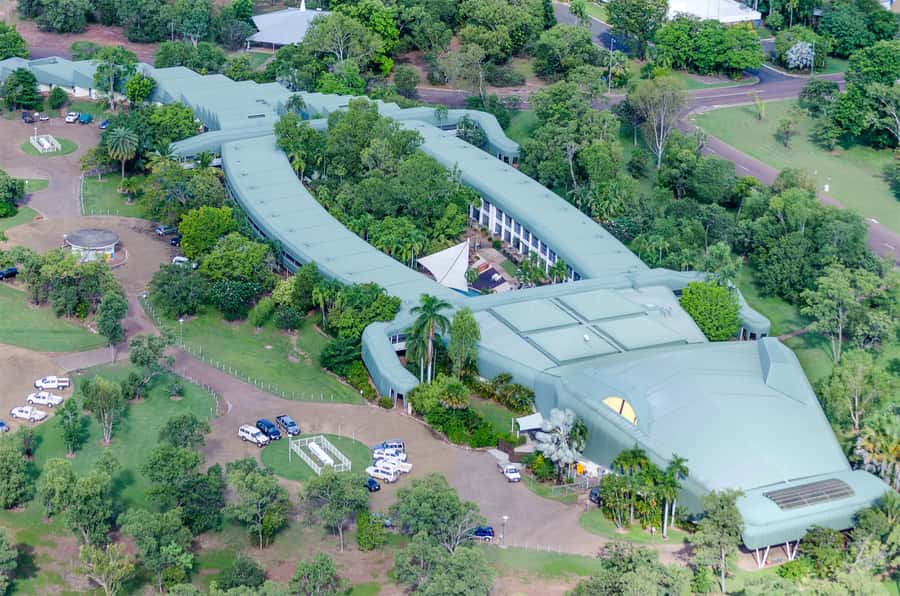
Dry-season routes add a memorable aerial pass over the Magela floodplains, plus a view of the famous Crocodile Hotel.
Floodplains are where Kakadu’s ecology becomes most obvious from the air. You get a sense of how wide the water’s influence is, and how channels and open areas shape the ecosystem. The Crocodile Hotel sighting helps too because it gives you a recognizable anchor point, so you can place what you see in relation to the human geography of Jabiru and the wider region.
This part of the flight is also where I’d expect people to take the most photos, because the aerial perspective makes the geometry of water and land boundaries much easier to capture.
What the On-Board Experience Feels Like (and What to Pack)
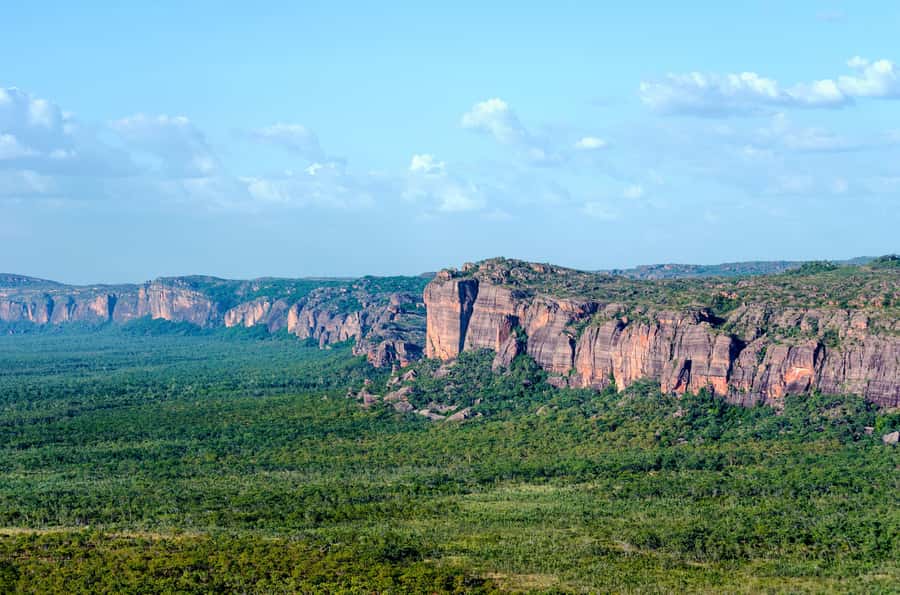
This is a fixed-wing scenic flight with pilot/guide narration and included window seats. Cold bottled water is part of the package, which is genuinely useful in Northern Territory heat.
Based on feedback you can use as a reality check:
- It’s not a commercial plane with typical comfort.
- It can run hot inside.
- You should dress for the heat and stay hydrated.
What to bring
You’re specifically advised to bring:
- Sunglasses
- A hat
- A camera
My practical add-on: wear breathable clothing and keep your camera settings ready. You’ll have only a short time to frame photos as the route hits the major features.
Accessibility and Comfort: Who Should (and Shouldn’t) Book
This flight is not suitable for:
- People with mobility impairments
- People over 287 lbs (130 kg)
- People with motion sickness
That last one is important. If you’re even mildly prone to motion sickness, don’t gamble. A short flight is still a flight, and the environment can be hot and close.
If you’re comfortable in small aircraft and you’re okay with limited onboard space, this experience is usually a strong fit—especially for couples, solo travelers, and families who can handle the brief duration and are comfortable being outdoors before and after.
Group Size and the Surprise Factor
A high-rated operator and pilot can make a big difference in a short flight. The experience is rated 4.9 with 33 reviews, and transport performance is highly scored.
You may find the onboard dynamic can be smaller than you’d expect. In one instance noted, the group was so small it felt almost private. That doesn’t mean it’s always private, but it does suggest you’re not guaranteed a crowded cattle-car experience.
If you care about having room to move, take photos without elbows everywhere, and hear the commentary clearly, this likelihood is a plus.
Should You Book Kakadu Air’s Guided Flight?
I’d book this flight if:
- You want Kakadu highlights without spending a full day driving around first
- You like aerial perspectives and can work with a shorter time on each feature
- You’re curious how Kakadu changes between wet and dry seasons, and you want that context from a guide
- You want a photo-driven overview that sets up the rest of your trip
I’d think twice if:
- You get motion sick in small aircraft
- You hate heat and don’t handle close cabin conditions well
- You need fully accessible arrangements for mobility
Final verdict: for 1 hour and an included guide voice, the value is strongest as an orientation to Kakadu. It’s not a replacement for walking, driving, or longer stays. It’s a fast, guided way to understand the park’s major features and ecosystems before you commit more time on the ground.
FAQ
How long is the flight over Kakadu National Park?
The scenic flight duration is 60 minutes.
What does the price include?
It includes the 60-minute scenic flight, cold bottled water, window seats, and the pilot/guide.
Do I need a Kakadu National Park pass?
Yes. You need to purchase a Kakadu National Park pass before entering Kakadu.
Where do I meet for the tour?
Meet your guide at Jabiru Aerodrome. After driving Arnhem Highway to the very end, it’s the last stop. Follow signs to the reception area in the main and only building.
Is there live commentary during the flight?
Yes. There is a live tour guide in English, and an English audio guide is also included.
Do you fly different routes depending on the season?
Yes. The flight takes two different paths depending on whether you choose the wet season or the dry season.
Which major sites can you see on the flight?
On the route you may see Arnhem Plateau highlights like Jim Jim and Twin Falls, plus features depending on the season such as Double Falls, Deaf Adder Gorge, Lightning Dreaming, and views over the Magela floodplains including the Crocodile Hotel.
What should I bring?
Bring sunglasses, a hat, and a camera.
Who is this not suitable for?
It’s not suitable for people with mobility impairments, people over 287 lbs (130 kg), or people with motion sickness.