REVIEW · BAR HARBOR
Guided Ebike Tour of Acadia National Park Carriage Roads
Book on Viator →Operated by Island Time Ebike Rentals & Tours · Bookable on Viator
E-bike wheels roll you through Acadia fast. This guided ride threads the Acadia Carriage Roads between Hulls Cove and classic pond-and-bridge viewpoints, letting you cover ground without feeling cooked. It’s also built for small groups, so you’re not just biking through scenery—you’re moving with a plan.
I really like the way the tour balances big views with smart pacing. With guides such as Wilton, Thomas, Merrill, and Dave, you get practical coaching plus stories about what you’re seeing—wildlife moments included. I also like the route’s stop style: you hit the signature spots, then get short breaks at places that actually help (restrooms, food options, and time to take photos).
One thing to consider: even though it’s listed at about 4 hours, the ride can run longer, and the distance is not tiny. Pack snacks, plan for pedal-powered work, and wear layers for Acadia’s sun-and-shade rhythm.
In This Review
- Key things to know before you go
- Hulls Cove to Paradise Hill: the views that set the tone
- Duck Brook Bridge to Eagle Lake: the beaver pause and pond-side riding
- Eagle Lake to Jordan Pond: bridges, mountains, and a real photo circuit
- Jordan Pond House: grab food, use the restroom, and keep your momentum
- Bubble Pond: quiet miles through forest, streams, and pond edges
- The return loop: Eagle Lake sun, Breakneck Pond, and Witch Hole Pond
- E-bikes here: help on the hills, and still real pedaling
- Why the guide experience matters on Carriage Roads
- Practical tips for a smoother ride (and better photos)
- Price and value: is $190 worth it?
- Who should book this Acadia e-bike tour?
- Should you book this Acadia carriage-road e-bike tour?
Key things to know before you go
- Intimate group size (up to 9) means easier traffic-free cruising on the Carriage Roads
- Restrooms at key points like Duck Brook Bridge and Bubble Pond keep the ride comfortable
- Wildlife potential is real, with a planned beaver-pond break you’ll want your eyes on
- You cover a lot of Acadia (about 22 miles of Carriage Roads) without white-knuckle effort
- Guides shape the day, with clear safety instruction and history/geology talk when it fits
- You still pedal, so this is more active sightseeing than a sit-and-glide tour
Hulls Cove to Paradise Hill: the views that set the tone
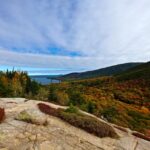
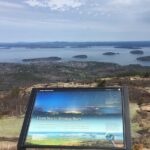
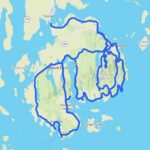
You start at Hulls Cove Visitor Center (25 Visitor Center Rd) and head out from there at 10:00 am. The first climb goes up Paradise Hill, and that early effort pays off with a sweeping look over Bar Harbor, Porcupine Island, and Frenchman’s Bay. It’s a great moment because you get orientation fast—you’ll understand where you are before you start moving through the Carriage Roads.
Right after the view, the tour continues along the east end of Witch Hole Pond area, working toward Duck Brook Bridge. This is where the Carriage Roads really start to feel like their own world: wide enough to ride comfortably, calm enough to let you spot birds and small movement near the edges of water.
If you’re the type who likes photos, bring that mindset from minute one. The early viewpoint is the kind you’ll want to frame a few different ways—wide shot, then something tighter with the coastline in the background.
You can also read our reviews of more tours and experiences in Bar Harbor.
Duck Brook Bridge to Eagle Lake: the beaver pause and pond-side riding
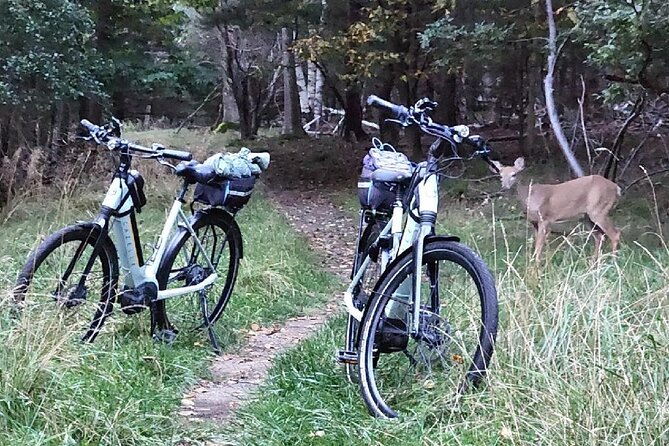
After the segment toward Duck Brook Bridge, there’s a restroom stop available there—worth it because the tour keeps rolling. From Duck Brook Bridge, you ride about 4 miles toward the south end of Eagle Lake, heading down the west side.
This is one of the smartest parts of the day: your operator typically takes a break at a beaver pond area where you can watch a beaver community working on their dam and house. It’s the kind of wildlife moment that’s hard to manufacture on your own, because you need the right timing and patience.
Then it’s back to the bike and toward Eagle Lake. Riding along a lake gives you steady visual payoff—water, trees, and those occasional flashes of movement that remind you this is an active ecosystem, not a museum.
Here’s what I’d watch for if you want the wildlife factor: keep your speed under control and stay alert when the group slows down. Those pauses are where the best sightings usually happen.
Eagle Lake to Jordan Pond: bridges, mountains, and a real photo circuit
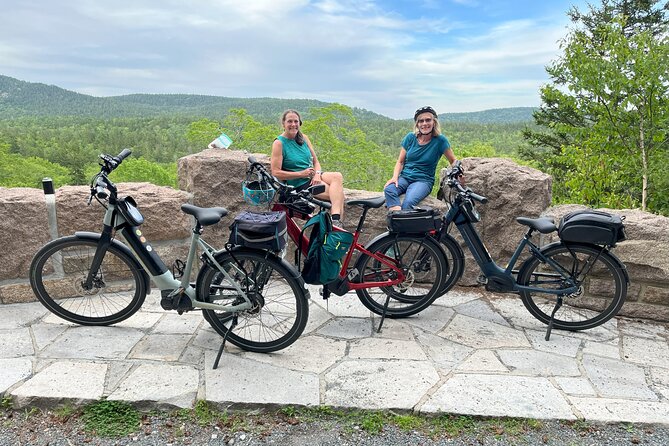
Once you pass Eagle Lake, you reach the west side of Jordan Pond, where views open toward the Penobscot and Pemetic mountain areas. You’ll also see multiple Carriage Road bridges—stops built around specific structures—so you’re not just riding past things, you’re learning how the roads connect the park’s water and terrain.
The tour includes stops for the West Branch Jordan Stream Bridge, the Cliffside Bridge, and the Amphitheater Bridge. Each one is a different angle on the same idea: Acadia’s carriage roads are engineering made for scenery.
From there, you ride about 6 miles to the southern end of Jordan Pond. You’ll get a break—around 20 minutes—at Jordan Pond House, or you can use that time for a short loop ride to the Cobblestone Bridge if you’d rather keep moving than sit.
One practical note: the Carriage Roads can be shaded in some stretches and sunny in others. If you run cold easily, start early with a light layer. If you run warm, bring something you can shed fast—this tour’s rhythm includes both.
Jordan Pond House: grab food, use the restroom, and keep your momentum
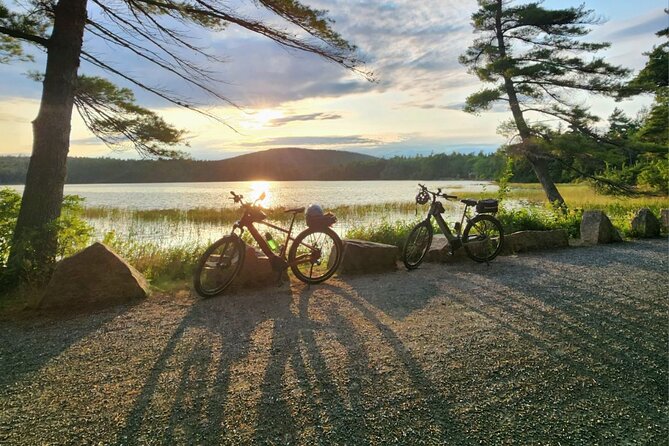
Jordan Pond House is your main on-route food and facilities stop. There’s no admission fee just to access the area, and you have about 15 minutes there, so it’s not a sit-down lunch. The upside is that the stop is timed to help your ride rather than break it—grab-and-go food, a gift shop, and restrooms are available.
This is a good place to reset your energy without turning the tour into a long meal. If you’re the snack-pack type, you can top up here even if you brought your own supplies.
Also, if you’re waiting on the rest of the group, don’t just stand around. Use the quick time to take a couple of postcards worth of photos, then move back to the bikes so you stay on schedule.
Bubble Pond: quiet miles through forest, streams, and pond edges
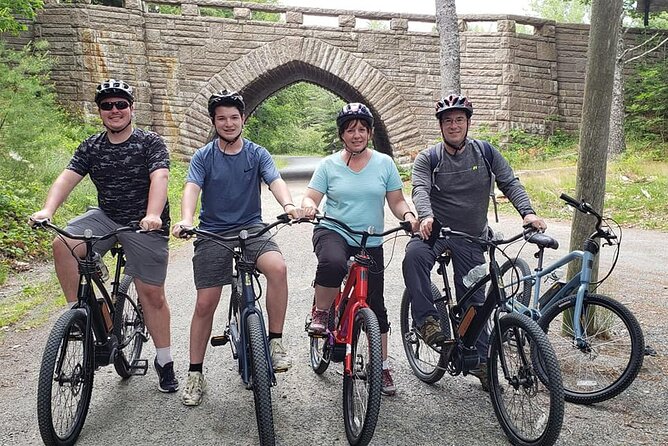
After Jordan Pond House, you ride about 5 miles on the Carriage Roads until you reach the north end of Bubble Pond. This section is noticeably calmer in feel—more wooded, with streams and pond edges that create those “wait, slow down” moments for photos.
A restroom is available at Bubble Pond, which matters because you’ll likely have a mix of rider comfort levels across a small group. A planned restroom reduces the stress of trying to find facilities mid-ride, especially if you’re riding with new e-bike users.
You also get a short stop here, about 15 minutes. That’s long enough to stretch, take a few pictures, and let the group regroup, but not so long that you lose the smooth momentum that makes the day work.
If you want a tip for this segment: don’t lock into a single lane or speed. Use the terrain changes and keep your eyes moving. Bubble Pond’s best moments often come from noticing the small stuff—water reflections, birds hopping at the edges, or the way light shifts under tree cover.



The return loop: Eagle Lake sun, Breakneck Pond, and Witch Hole Pond
From Bubble Pond, the last part of the ride runs about 5 miles and brings you back toward the starting area. You head up to the east side of Eagle Lake for afternoon sun, then ride along Breakneck Pond and the west side of Witch Hole Pond.
This return section is a nice way to close the day because it mixes the open feel of water with the steady rhythm of Carriage Road riding. You’ll also get a final descent from the Carriage Roads back to Hulls Cove.
Expect the end to feel a bit different from the start. The first half often feels like you’re earning the views. The back half feels like you’re already in park mode—settled, curious, and focused on what you might still spot before you park the bikes.
E-bikes here: help on the hills, and still real pedaling
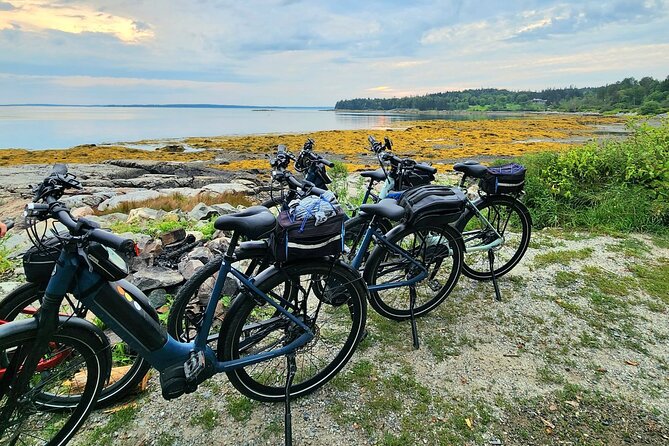
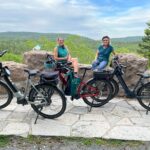
A key detail that changes the whole experience: these e-bikes are there to help you pedal, not to replace pedaling entirely. One rider put it plainly—they helped you pedal but weren’t motorized, meaning you still get the workout along with the sightseeing.
That’s a good thing for most people because the Carriage Roads can still feel like a long outing. With the assistance, you can keep a steady pace without feeling like you need to be a road-riding cyclist.
If you’re new to e-bikes, the coaching makes a real difference. Multiple guides described in the group stories are known for thorough safety checks and setup help—things like getting your seat height right and making sure you’re comfortable before you set off.
Also, remember the roads are not paved in the typical city sense. You’ll be riding non-paved Carriage Roads, so good tires and careful control matter, especially when the group hits shaded or uneven stretches.
Why the guide experience matters on Carriage Roads
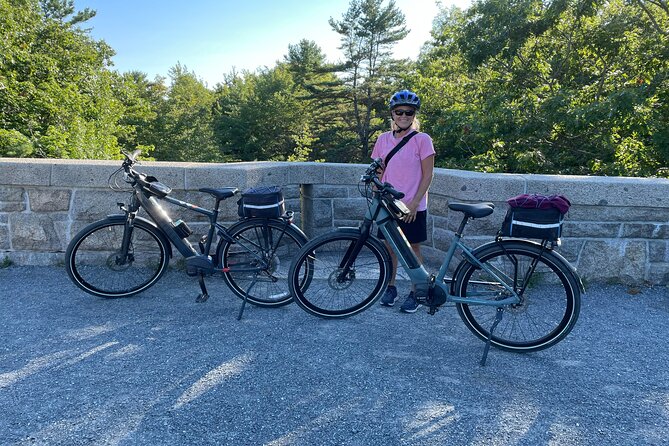
This tour doesn’t just provide bikes. The guide is what turns the route into a story you understand as you go.
Guides such as Wilton, Thomas, Merrill, Dave, and Paul are repeatedly praised for being both fun and practical: safety instruction upfront, clear group leadership, and a tone that fits mixed rider abilities. That matters a lot on a route where people vary—from first-time e-bike riders to folks who ride more often.
What you get from the guide side is also varied. Some tours include deeper context when there’s a specialist in the group, like a geologist offering explanations of geological formations the roads pass by. Even without that extra layer, the guide can point out what’s worth noticing and why the roads and bridges exist where they do.
If you’re someone who likes history, you’ll get it—but in a way tied to what you’re physically seeing. That makes the information feel useful rather than like a lecture you have to mentally translate while moving.
Practical tips for a smoother ride (and better photos)
Plan like it’s an active half-day outdoors. You’re riding about 22 miles of Carriage Roads overall, and the brakes, shoes, and energy you bring matter.
Here are the things that make the biggest difference:
- Bring snacks and water. The ride is long enough that a planned food stop won’t cover everything you might crave.
- Wear layers. Sun and deep shade alternate on the Carriage Roads, so you’ll feel temperature swings.
- Don’t overthink fitness. Many first-timers do fine, but you should be ready for sustained pedaling.
- If you’re prone to getting cold, keep a light layer handy so you can adjust when the shade hits.
Also, keep your phone and camera charged, but don’t rush. The tour’s most photogenic moments are often the ones where the group pauses. If you want a great shot, give yourself time instead of sprinting between stops.
Price and value: is $190 worth it?
At $190 per person, this is not a budget activity. The question is what you’re buying beyond scenery.
You’re paying for three things that self-guided biking can’t easily match:
1) Guided pacing and route planning across iconic Carriage Roads segments (with built-in rest breaks).
2) E-bike support that helps you cover more ground without needing top fitness.
3) Local interpretation, including wildlife attention like the planned beaver-pond break and storytelling tied to bridges and views.
If you’re short on time in Bar Harbor, this tour can feel efficient in the best way. You get multiple headline spots—Paradise Hill, Eagle Lake, Jordan Pond bridges, Bubble Pond—without spending your whole day figuring out where to go and when to stop.
If you already know you want a slow, sit-and-look kind of day, this price may feel steep. But if you want to move and see a lot while still getting guided value, it’s easier to justify.
Who should book this Acadia e-bike tour?
This tour fits best if you want a guided way to experience the Carriage Roads and you like seeing several signature areas in one day.
It’s especially good for:
- First-time e-bike riders who want coaching and a safety-first setup
- Couples and friends who like intimate group travel
- People who want wildlife moments, not just scenery photos
- Visitors who want to cover around 22 miles without treating it like a full cycling training day
It might be less ideal if you’re expecting mostly flat, effortless riding or if you hate any structured stops. Even with the e-bike help, you’ll still be riding and paying attention.
Should you book this Acadia carriage-road e-bike tour?
If your ideal Acadia day includes views, ponds, bridges, and a chance at wildlife, this is a strong pick. The small group format, short breaks with restrooms, and guides who can handle mixed rider levels make it feel both organized and fun.
I’d book it if you’re excited by the idea of seeing multiple headline spots in one half-day and you’re okay with pedaling for a while. I’d think twice if you want a very light outing, or if you’re the type who needs long meal breaks built into your day.
If you do book, go in ready with snacks, layers, and a flexible attitude about timing. This is the kind of tour where the best moments often happen during the pauses.