REVIEW · MONTANA
Glacier National Park: Whitewater Rafting with Dinner
Book on GetYourGuide →Operated by Glacier Raft Company West Glacier · Bookable on GetYourGuide
Cold river, warm dinner. This Glacier National Park rafting outing hits the sweet spot of Class II–III rapids and big West Glacier views, all set on the Flathead River. I like that you get a real safety briefing up front and then spend about two hours on the water—calm floating mixed with punchy sections—plus you end with a riverside BBQ dinner that actually feels like part of the experience, not just an afterthought. One thing to plan for: the trip runs rain or shine, so you’ll want to be ready to get wet and stay comfortable.
You’ll start in West Glacier, right near the Alberta Visitor Center, and the schedule is tight but not rushed. Check in happens about 30 minutes before departure, then you roll out by coach, gear up, and head to the river. From the water, the scenery around West Glacier and the Flathead River is the kind you remember on the drive back.
If you’re picturing a calm scenic cruise only, this is not that. Even though it’s guided and well-run, you should expect real whitewater effort on the rapids—and you’ll need to meet the minimum weight requirement to fit the personal flotation device.
In This Review
- Key Takeaways Before You Go
- West Glacier Check-In: Where the Day Starts (And Why It Matters)
- Safety Briefing First: A 30-Minute Primer on Whitewater
- The Coach Ride to the River: Quick, Simple, Included
- Down the Middle Fork Flathead: What Class II–III Really Feels Like
- Views You’ll Actually Notice From the Water
- Glacier National Park History: Learning While You’re Moving
- The Bridge Finish and the 5-Minute Walk Back
- Riverside BBQ Dinner in West Glacier: Food That Feels Like Reward
- Gear and Clothing Rules: The Small Stuff That Keeps You Comfortable
- Rain or Shine: Planning for a Wet Montana Afternoon
- Seasonal Reality: Why Water Levels Change Your Rapids
- Price and Value for $123: What You’re Actually Getting
- Who Should Book This Rafting with Dinner?
- Should You Book This Glacier Rafting with Dinner?
- FAQ
- Where is the meeting point for this rafting trip?
- Do I need a Glacier National Park pass for this activity?
- What rapids level should I expect?
- How long is the rafting portion and the full tour?
- What happens during the dinner portion?
- Does the tour run in bad weather?
- What gear is included, and do I need water shoes?
- What weight limits apply?
- Is there a cancellation option for a refund?
Key Takeaways Before You Go
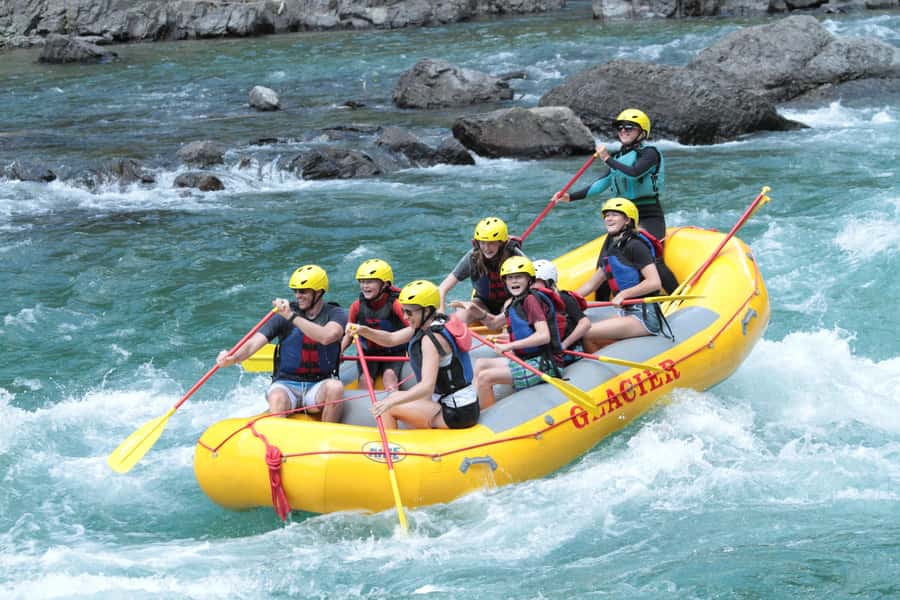
- Class II–III rapids with guided steering, plus calmer stretches to catch your breath
- 30-minute safety briefing first, so you know what to do when the water gets noisy
- Riverside BBQ dinner at the end, with multiple meat and veggie options
- Wetsuits and core river gear included, with weather-dependent splash tops
- Mid-afternoon pacing: about 3.5 hours total, with a short walk back after you finish
West Glacier Check-In: Where the Day Starts (And Why It Matters)
This trip starts in West Glacier, at the office located right next to the Alberta Visitor Center, across the street from the West Glacier Post Office. If you’re using a phone map, look for that exact landmark area first—trying to find it after you’re already running late is how fun turns into stress.
Check in is about half an hour before the scheduled departure. That’s not just bureaucracy. It gives you time to fit your gear properly and settle in before the safety briefing. And the safety briefing isn’t a token “quick talk” either—this is the kind of step that keeps everyone relaxed once you’re on the raft.
A nice detail from the guide experience: names like Tim, Bridget, Elliot, and Brooke (called Trout) show up repeatedly in the way people describe the guides. The common thread is practical river know-how and a friendly vibe, not just “be careful” instructions.
Safety Briefing First: A 30-Minute Primer on Whitewater
Before you touch the river, you’ll get a safety briefing that lasts about 30 minutes. This is where you learn how the raft works, what the guide expects from you, and what to do when the current changes.
In plain terms, this kind of briefing is what makes whitewater feel manageable. You’re not guessing. You’re listening, then practicing in your head. When the raft hits the class II–III sections, you already know how to brace and where your attention should go.
Also, guides have a track record of keeping things upbeat while they explain. People describe guides as funny, energetic, and quick to answer questions, which matters a lot when you’re trying something that feels a bit risky on paper.
The Coach Ride to the River: Quick, Simple, Included
After the briefing, you board a bus/coach for about 10 minutes. This takes the work out of logistics. You don’t have to coordinate separate parking or shuttles, and you get to stay in “tour mode” until you’re actually on the river.
This also explains the trip’s overall rhythm. You’re not spending the afternoon lost in transit—you’re spending it on water.
Down the Middle Fork Flathead: What Class II–III Really Feels Like
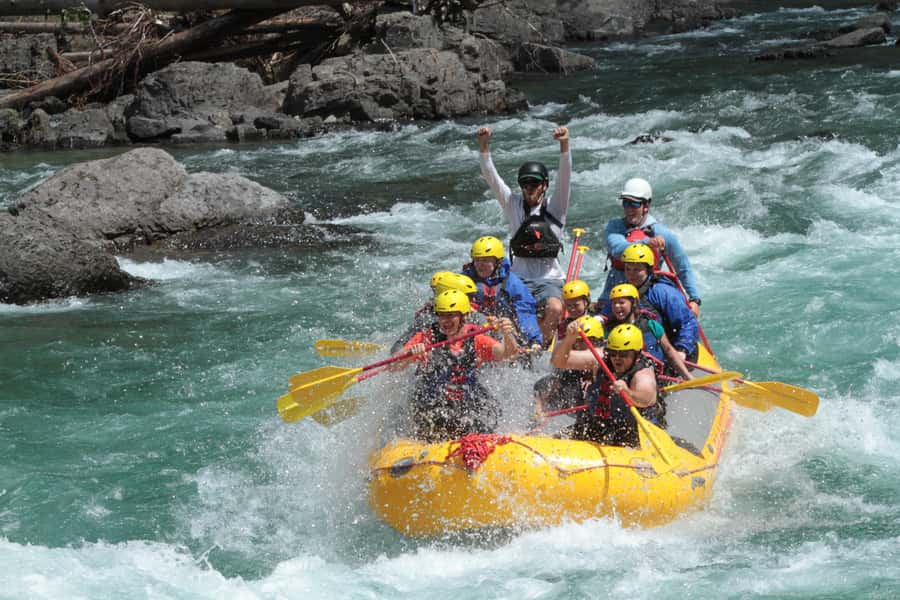
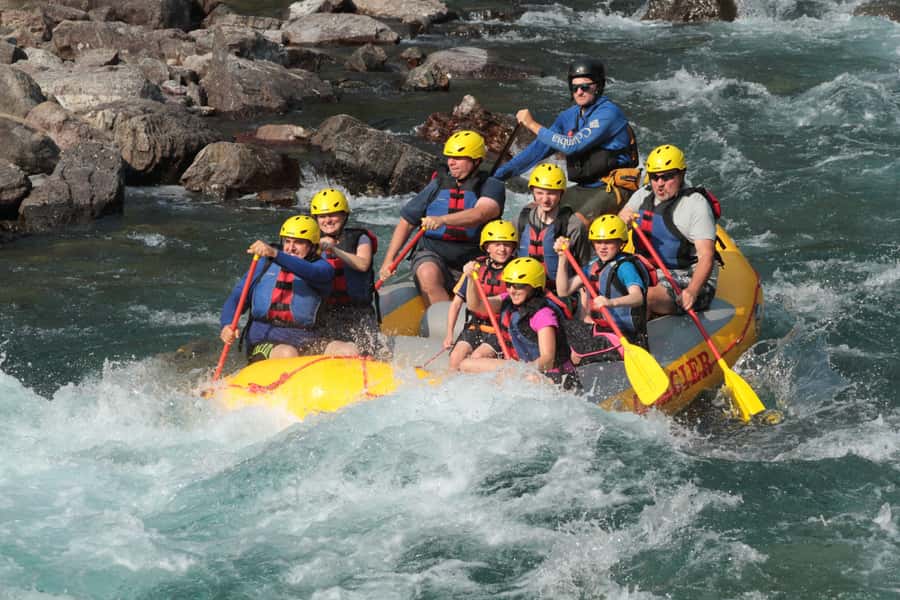
The rafting portion is about two hours on the Middle Fork Flathead River. The ride is a mix: you’ll float through some calmer sections, then hit class II–III rapids that bring real splashes and action.
Here’s the practical part: class II–III usually means you’ll feel the raft get moved around, and you’ll need to pay attention when the guide calls out how to react. It’s exciting, but it’s not “extreme-only.” People in the feedback talk about feeling safe the whole time—even when younger riders were on board—because the guide choices and instructions were clear.
A couple of useful notes from the trip stories:
- Guides actively steer and organize the group’s actions, so you’re not stuck doing all the work nonstop.
- The boat flipping rate isn’t random chaos. People mentioned surprisingly few flips, and that’s usually a sign the crew is good at reading conditions and coaching the raft position.
Views You’ll Actually Notice From the Water
This is one of those trips where the scenery is part of the payoff, not just a background detail. You’ll be looking at West Glacier and the Flathead River from the raft, which feels different than looking at it from a lookout point.
Even if you’ve seen photos of Glacier National Park, being on the river gives you a “this is real scale” sense—water level, bank height, and how fast the current moves.
Glacier National Park History: Learning While You’re Moving
You also get a history angle during the trip. That matters because Glacier can feel big and abstract if you only rely on signs and visitor centers.
On the raft, the guide can connect what you’re seeing to how the park is shaped by water, land, and seasons. Expect the kind of talk that helps the scenery make sense while you’re still physically doing something. It’s the rare way to learn without turning the day into a lecture.
If you like guides who answer questions on the spot, you’ll probably appreciate this setup. People repeatedly mention guides being able to explain things clearly and respond to whatever you asked while you were on the water.
The Bridge Finish and the 5-Minute Walk Back
When the rafting ends, you’ll finish at a bridge in West Glacier. Then there’s a short walk—about five minutes—back to the original meeting point.
That’s a good structure for two reasons. First, it avoids a long, awkward “everyone stand around” moment at the end. Second, you’re already in the right area for the dinner portion to kick in smoothly.
Riverside BBQ Dinner in West Glacier: Food That Feels Like Reward
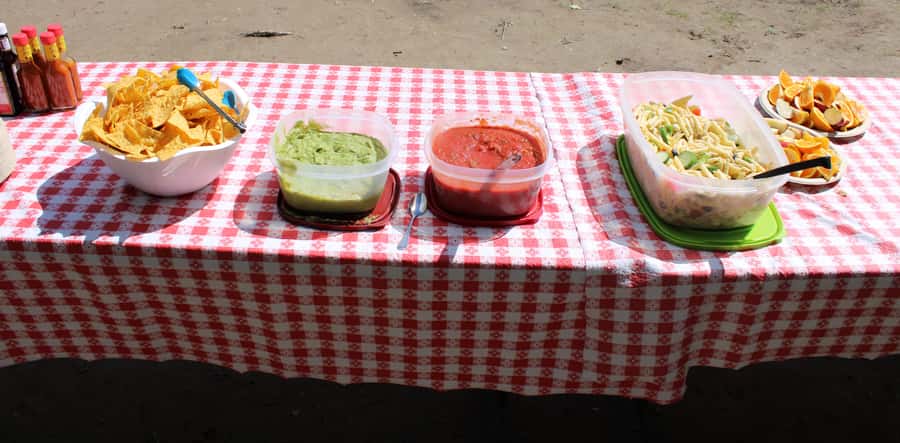
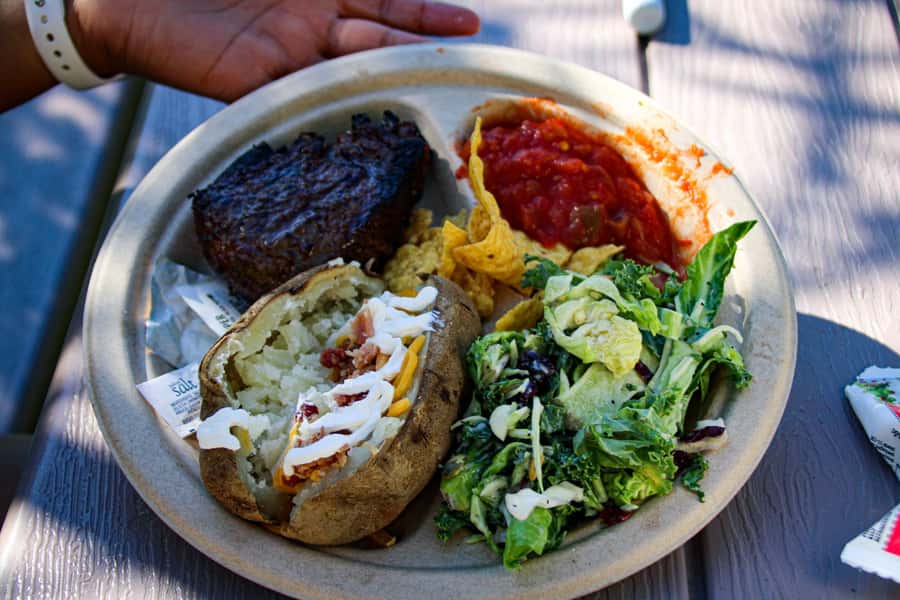
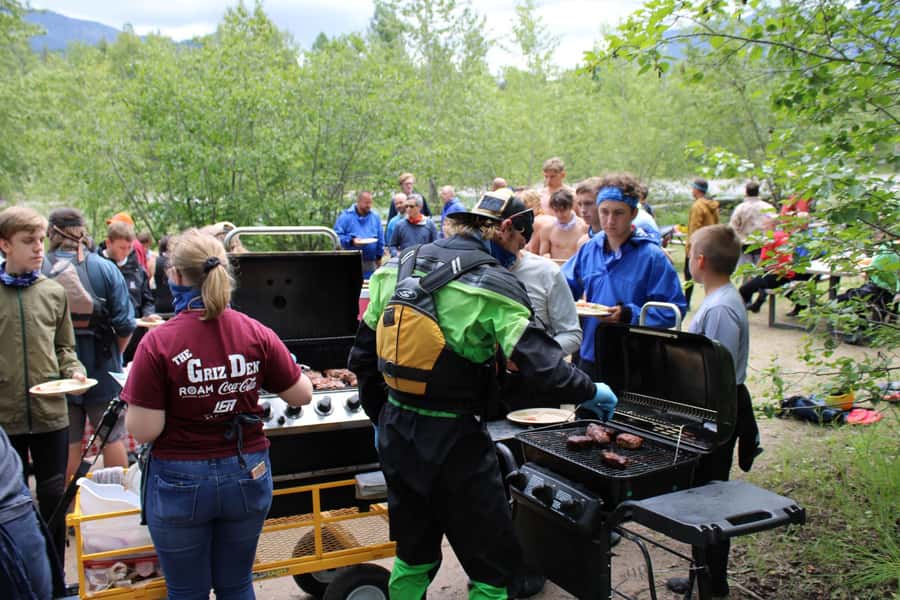
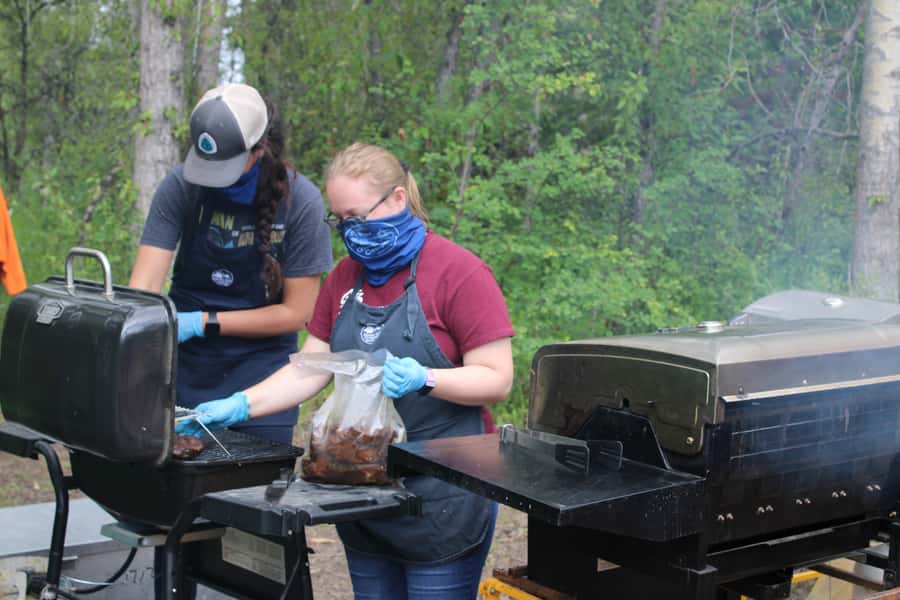
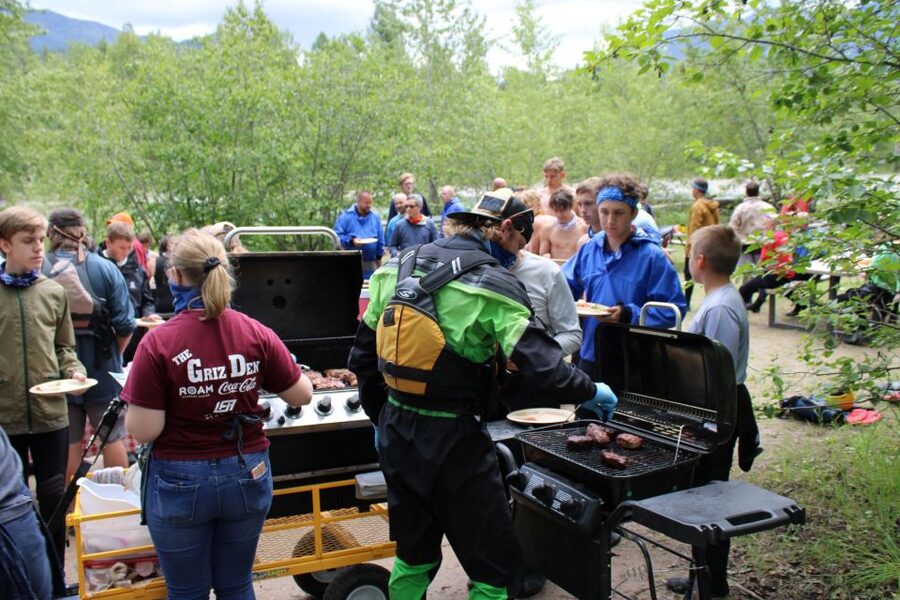
After the river, you’ll head back for BBQ dinner, about one hour long. This is riverside barbecue, and the menu includes options like steak, BBQ chicken, BBQ ribs, bison burgers, and veggie choices (with veggie options available by request). There are also sides, salads, and dessert.
What I like about pairing dinner with the rafting is simple: you’re hungry for real. Cold water work builds appetite fast. And because you’re done with the hardest part of the day, you can actually taste the meal instead of eating it while stressed about what comes next.
Practical note: expect a proper “relax and refuel” hour. It’s long enough to cool down, grab food, and compare stories about which rapid was your favorite.
If you care about staff energy, this is where it shows. People describe the guides and crew as friendly and helpful, and dinner is often mentioned as delicious and filling.
Gear and Clothing Rules: The Small Stuff That Keeps You Comfortable
This tour includes a lot of the gear you’d otherwise have to buy or rent. You’ll get helmets, paddles, and a personal flotation device. Wetsuits and booties are included, and splash tops may be provided depending on the weather.
Two more things you should know before you get dressed:
- No sandals or flip flops. Wear footwear that can handle wet conditions.
- Water shoes are not included, but they can be rented for $7.
Also, there’s a luggage rule: no large bags or luggage. Keep it light so the staff can move fast and you don’t end up juggling belongings while changing gear.
If you’re the type who hates being uncomfortable in cold water, the wetsuit setup is a big deal. People mention thrilling cold-water jumps in wetsuits, which tells you the outfit is doing its job.
Rain or Shine: Planning for a Wet Montana Afternoon
The trip runs in rain or shine. That can sound intimidating until you realize it’s exactly why the gear list includes wetsuits and weather-dependent layers.
If it’s raining, the raft ride may feel even more intense—because you’ll see water move, spray more, and feel the weather on your skin. But you’re not going into it in street clothes. The whole setup assumes you’ll get wet.
Bring a practical mindset: plan for wet hair, wet clothes after the river, and a need to change if you have the option. You won’t be asked to suffer; you just need to show up ready.
Seasonal Reality: Why Water Levels Change Your Rapids
One of the best practical tips from the experience is seasonal timing. In August, people mentioned the rapids felt less powerful due to lower water levels. Translation: you still get class II–III action, but the intensity can shift.
If you want the most punchy feel, you might choose to go earlier in the season. If you want a calmer, still-fun day with less aggressive water energy, late summer can work just fine. Either way, the guide will adapt the raft strategy to conditions.
Price and Value for $123: What You’re Actually Getting
At $123 per person for about 210 minutes (just over 3.5 hours), this is a “half-day adventure with food” price. What makes it feel fair is that the big costs are handled for you:
- Round-trip transportation from the meeting point
- River equipment (helmet, paddle, PFD)
- Wetsuit setup and weather-dependent splash tops
- Dinner by the river
The extra costs are limited based on the information you’re given—water shoes rental is $7, and gratuities are not included. That helps you estimate your total budget without surprises.
If you were doing this on your own, you’d pay for equipment, transportation, guide supervision, and a meal plan separately. Here, you’re paying for one guided package that includes the whole flow: briefing, rafting, and dinner.
Who Should Book This Rafting with Dinner?
This fits best if you want a guided whitewater experience in Glacier with minimal logistics. You don’t need to be an athlete; you do need to be ready for cold water, splashes, and following directions.
You’ll likely enjoy it if:
- You want real rapids (class II–III), not just a float
- You like learning while doing something physical
- You prefer an organized half-day over a full-day commitment
- You want dinner included at the end
It’s not suitable for children under 50 lbs (and you must weigh at least 50 lbs to participate). Participation also requires you to fit the personal flotation device, so even if you meet the minimum weight, the fit matters.
Should You Book This Glacier Rafting with Dinner?
If you want a high-value half-day that mixes guided whitewater with a relaxed riverside meal, I’d book it—especially if you’re looking for something that’s handled end-to-end. The combination of a real safety briefing, included wetsuit gear, and a full dinner makes it easier to relax and enjoy the river.
I’d skip it only if wet conditions and getting splashed would stress you out too much, or if your group can’t meet the 50 lbs minimum for the flotation device. Also, if you’re going for peak adrenaline, consider timing—water levels can soften rapids later in the season.
If your schedule is flexible, you can reserve without paying right away, which takes pressure off your planning.
FAQ
Where is the meeting point for this rafting trip?
The office is in the West Glacier Village next to the Alberta Visitor Center, across the street from the West Glacier Post Office.
Do I need a Glacier National Park pass for this activity?
No. You do not need to get your park pass to go on this trip.
What rapids level should I expect?
The rafting includes class II–III rapids, with a mix of calm floating and more exciting sections.
How long is the rafting portion and the full tour?
The full tour is about 210 minutes. The rafting portion is about 2 hours, and the BBQ dinner is about 1 hour.
What happens during the dinner portion?
You’ll enjoy riverside barbecue dinner with options including bison burgers, BBQ ribs, BBQ chicken, and a veggie option available by request, plus sides, salads, and dessert.
Does the tour run in bad weather?
Yes. The tour takes place rain or shine.
What gear is included, and do I need water shoes?
Helmets, paddles, and a personal flotation device are included, along with wetsuits and booties. Water shoes are not included, but they’re available for rent for $7. Sandals or flip flops are not allowed.
What weight limits apply?
You must weigh at least 50 lbs (23 kg) to participate and fit the personal flotation device. Children under 50 lbs are not suitable.
Is there a cancellation option for a refund?
Yes. You can cancel up to 24 hours in advance for a full refund.