REVIEW · BELLEVUE
From Seattle: Full-Day Mt Rainier National Park Tour
Book on GetYourGuide →Operated by PLATFORMPOINTS LLC · Bookable on GetYourGuide
Clouds can steal the show.
This full-day Mount Rainier National Park tour from Seattle is interesting because it mixes big scenery with guided stops in multiple ecosystems, all with a small-group pace. You’ll spend guided time in the park, then hop from classic waterfall viewpoints to Reflection Lakes for a quieter feel.
What I like most is the emphasis on how to see Rainier properly: a professional guide helps you time the day around weather and crowds while pointing out what you’re looking at. I also like that you get a real mix of stops, from the heavily visited Paradise area down to waterfall country like Narada Falls, plus a focused look at Reflection Lakes and its rules.
One drawback to plan for: if the day starts foggy or rainy, Rainier’s summit views can disappear. That’s weather, not poor planning, but it can change what you’ll actually see up there.
In This Review
- Key Takeaways Before You Go
- From Seattle Pickup to Paradise: How the Day Really Unfolds
- Light Breakfast Stop En Route: A Small Start That Saves Time
- Guided Time in Mount Rainier: Old-Growth Forests to Wildflower Meadows
- Narada Falls: A 45-Minute Waterfall Stop That’s Worth the Detour
- Jackson Memorial Visitor Center: Use It Like a Compass
- Reflection Lakes on Stevens Canyon Road: Reflections With Real Rules
- Christine Falls: A Short Stop With Big Scenery Payoff
- Learning the Park’s Story: Plants, Wildlife, and the Volcano Behind It
- Pace and Comfort: What to Plan for on a 9-Hour Day
- Price and Value: Is $285 a Fair Deal?
- Who This Tour Fits Best (and Who Should Skip It)
- The Big Things That Can Affect Your Day
- Should You Book This Seattle to Mount Rainier Tour?
- FAQ
- Where does the tour start and end?
- How long is the Mount Rainier National Park tour?
- How long is the guided portion inside the park?
- What stops are included during the day?
- Is food included?
- Is park entrance fee included?
- What group size should I expect?
- Does Reflection Lakes allow boating or fishing?
- Is cancellation allowed?
Key Takeaways Before You Go
- Small group size (max 5) means you’re more likely to get personal attention and flexible pacing
- Paradise and wildflower meadows are the main event, with classic Rainier viewpoints
- Reflection Lakes have clear trail rules you’ll be expected to follow, especially in summer
- Narada Falls and Christine Falls deliver that thundering-water feeling without a marathon hike
- 3 hours of guided time in the park helps you connect plants, wildlife, and the volcano’s drama
From Seattle Pickup to Paradise: How the Day Really Unfolds
This is a straight-to-the-park day that starts with pickup in Seattle and returns the same evening. The total duration is about 9 hours, with around 3 hours of guided touring inside Mount Rainier National Park, plus scenic drives and timed stops.
The flow matters here. Instead of doing a random grab-bag of viewpoints, the schedule is built around a logical sequence: you enter the park, get your bearings with guide-led exploration, then layer in major highlights like waterfall stops and Reflection Lakes. The small group size helps keep transitions smooth, because the guide can react to what’s happening on the road and in the weather.
Light Breakfast Stop En Route: A Small Start That Saves Time
Before you reach the park entrance, there’s a stop for a light breakfast outdoors on the way in. That’s not just a nice touch. It’s a practical move when your first big stop is early and you want energy for walking, viewpoints, and that outdoor picnic window later.
Because the tour’s listed food isn’t included, I’d treat breakfast as something you’ll likely purchase yourself during that stop. Bring a reusable water bottle too, even though bottled water is included on the tour—your day will feel easier if you’re not hunting for refills during drives.
Guided Time in Mount Rainier: Old-Growth Forests to Wildflower Meadows
Once you’re in the park, the biggest chunk of time is guided (about 3 hours). This is where you’ll get the “why this place matters” version of Rainier, not just the postcard scenery.
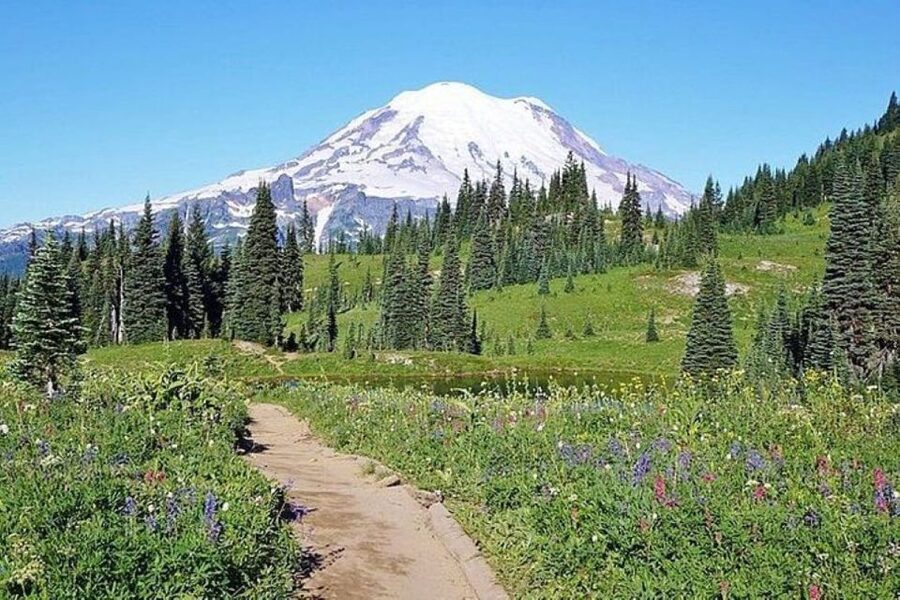
You’ll likely see a mix of scenery and ecology: old-growth forest areas, world-famous Paradise views, and the wildflower meadows that show up when the season is right. The guide’s job is to connect those dots—what you’re seeing now, what tends to grow there, and what kinds of wildlife and plant life you might spot around the route.
Also pay attention to the way the day is paced. The guide is factoring in weather and crowd avoidance, which is huge at Rainier. Paradise is the most heavily visited area for a reason: it’s accessible and it delivers strong views when skies cooperate. On a good day, you’ll feel why people keep coming back. On a mediocre day, you’ll still get a solid nature experience because you’re not locked into one spot.
Narada Falls: A 45-Minute Waterfall Stop That’s Worth the Detour
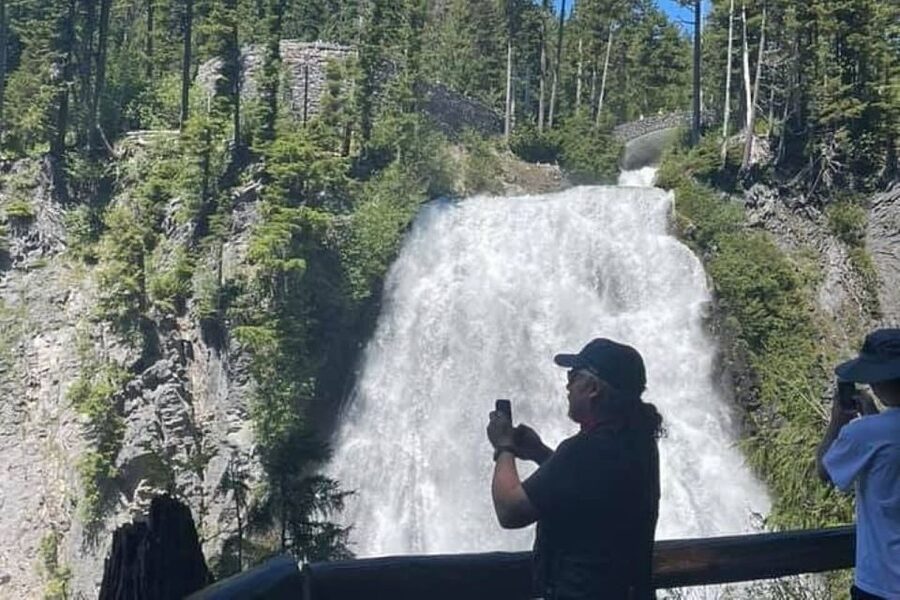
Narada Falls is next, with about 45 minutes for sightseeing and scenic driving. This is the kind of stop that balances impact and effort: you don’t need to plan a long hike to feel the park’s power.
Narada Falls is famous for a reason—water drops with energy, and the air around the falls tends to feel cool and damp. Even if you’re not doing a big trek, this stop can reset your whole mental picture of Rainier. You go from wide views to something immediate: rushing water, changing light, and the sound that makes you stop talking and just listen for a minute.
If you’re the type who likes photos, Narada is also a good place to test different angles. But don’t let your camera run the day—give your body a chance to breathe in the forest air.
Jackson Memorial Visitor Center: Use It Like a Compass
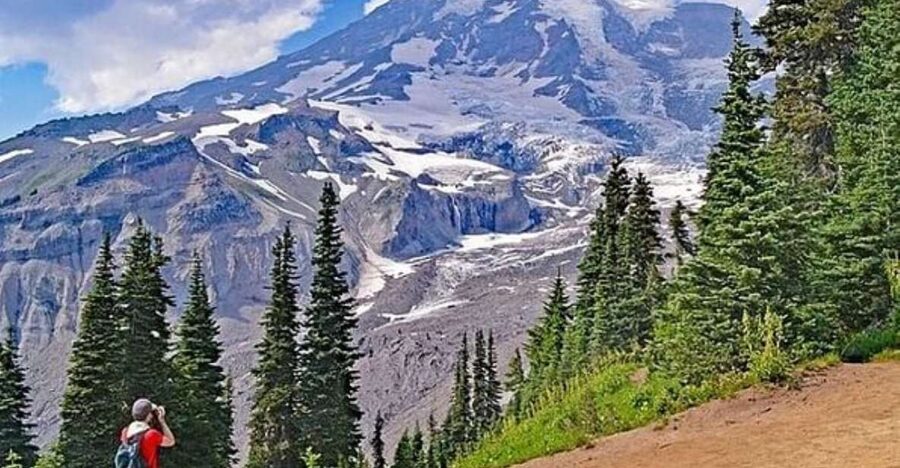
The Jackson Memorial Visitor Center is a longer stop (about 2 hours) and it’s a smart inclusion. This is where you can take a break, warm up or cool down (depending on the season), and get context that makes the rest of the day click.
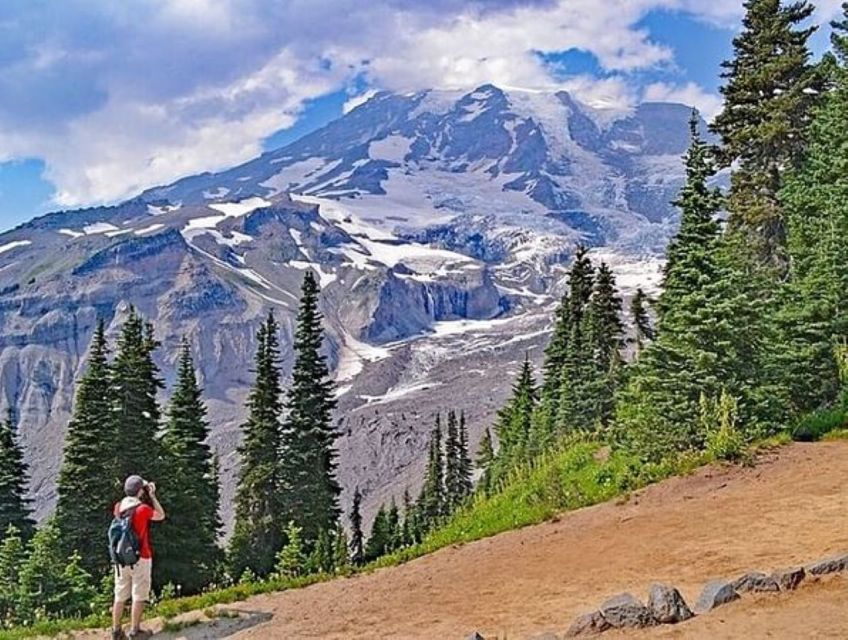
Mount Rainier is a volcano that rises to 14,410 feet above sea level, with snowfields and deep glaciers shaping the view. That kind of scale can feel abstract until you’re standing near viewpoints and walking trails. The visitor center helps connect what you’re seeing—steep valleys, glacier-fed waterways, and why the mountain looks the way it does.
I like this stop because it also helps you travel smarter. If the weather isn’t cooperating, you can still decide where to spend energy based on conditions, and you’ll understand what’s happening around you instead of guessing.
Reflection Lakes on Stevens Canyon Road: Reflections With Real Rules
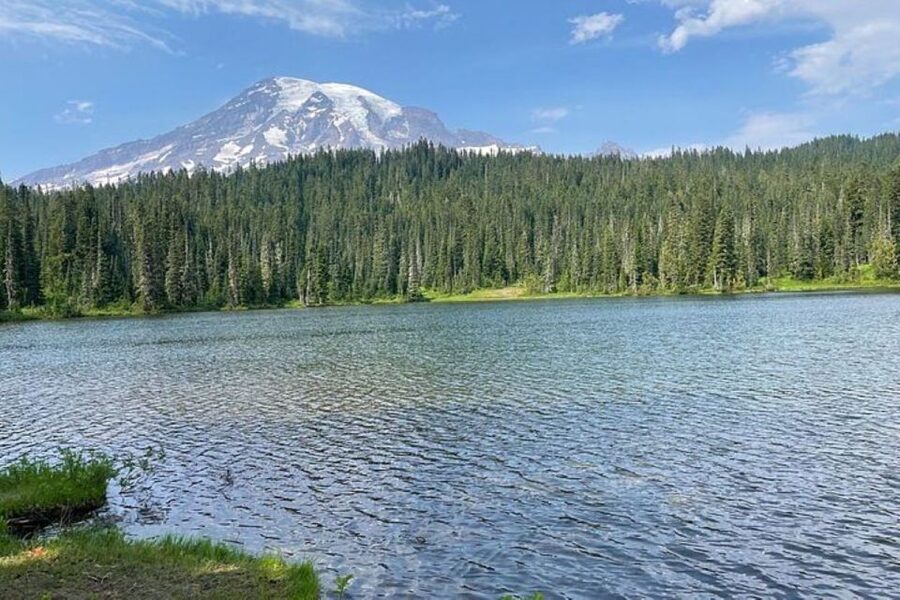
Reflection Lakes is the stop that feels a little different from the rest. You’ll spend about 45 minutes for sightseeing and a walk, along Stevens Canyon Road.
Here’s what matters most: Reflection Lakes is named for how it can reflect views of Mount Rainier. But it’s not a free-for-all. In summer, hikers must stay on trails to protect delicate subalpine meadows around the lake. And boating and fishing are not permitted.
During summer, Stevens Canyon Road is open to vehicles typically from June to September, so your access may depend on when you’re traveling. In winter, snowshoers and hikers can still access the area, and you might even find winter camp around the snow-covered lake.
That mix makes Reflection Lakes more than a pretty stop. It gives you a chance to slow down and notice the quieter side of the park—less thunder, more stillness. Even on a day when the summit is hiding, the walk around the lake area can be satisfying because it’s about the terrain and the atmosphere, not only the reflection shot.
Christine Falls: A Short Stop With Big Scenery Payoff
Christine Falls is a quick one—about 15 minutes for sightseeing and scenic views while en route. Think of it as a “stretch and reset” moment between bigger blocks.
Small stops like this can be great in a full day itinerary. They add variety without draining the schedule. In Rainier country, those short roadside viewpoints often let you see the same water systems and forest textures from a different angle than the longer stops.
If you’re feeling tired, don’t rush this one. Even a brief pause can help you keep a good pace for the rest of the drive back toward Seattle.
Learning the Park’s Story: Plants, Wildlife, and the Volcano Behind It
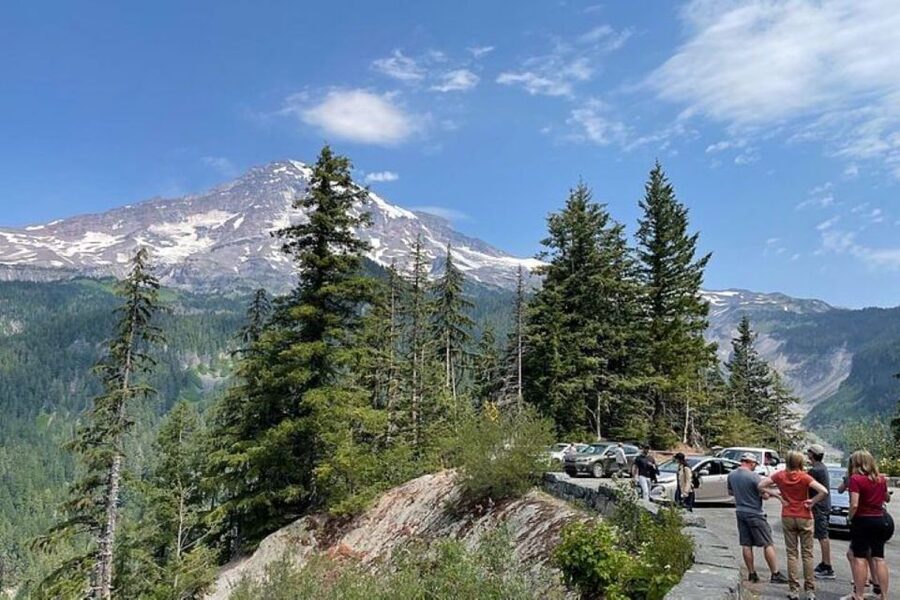
One of the best parts of a guided day is that the guide doesn’t just point at scenery—they help you understand what’s underneath it. This tour is built around learning about wildlife and plants, plus why the park looks so dramatic.
Mount Rainier is shaped by steep valleys and fast-moving rivers, and the volcano itself has a sharp, pyramidal summit with snowfields and deep glaciers. You’ll see how that translates to real ground-level features: how water routes carve through the valleys, why different trails pass through different ecosystems, and why places like Paradise and Reflection Lakes feel so distinct from each other.
You’ll also get plenty of opportunities to connect what you’re seeing to what the guide calls out. That matters because Rainier’s beauty is layered. If you only look at the mountain, you miss the rest of the story—old-growth forest textures, wildflower meadows, and the plant life that makes seasonal changes so noticeable.
Pace and Comfort: What to Plan for on a 9-Hour Day
A full-day tour like this can feel like a lot, even with a small group. The good news is that the itinerary mixes walking with scenic drive time and planned stops, so you’re not stuck hiking for hours on end.
Still, you should expect:
- Short walks and viewpoint time (especially around Reflection Lakes)
- Standing and walking on uneven natural surfaces
- Weather shifts, since this is a mountain environment
Bring layers. Rainier can change fast, and that can affect whether summit views are clear. Also wear shoes you trust. Trail etiquette is important here, and Reflection Lakes in summer specifically emphasizes staying on trails.
As for food: bottled water is included, but food isn’t. The schedule includes a light breakfast stop and time for a picnic-style outdoor meal, so plan to bring or buy what you need. I’d treat lunch as something you actively manage, not an afterthought.
Price and Value: Is $285 a Fair Deal?
At $285 per person for a 9-hour day, you’re paying for several things at once: private transportation, pickup and drop-off, bottled water, and importantly, all fees and taxes plus park entrance fees. You’re also paying for a live English-speaking guide and a small-group cap of 5 participants.
When this feels like good value: if you want a low-stress way to hit the “must-see” highlights without coordinating drives, parking, and figuring out logistics on the fly. This is especially helpful at Rainier, where weather and road access can change the day’s experience.
When it might not feel like value: if you’re traveling with a flexible group and you’re comfortable doing the routes and ticket planning yourself. In that case, you might spend less by going DIY.
But for solo travelers or couples who want a guided, curated day and don’t want to wrestle with logistics, the price makes more sense. In practice, small-group guidance can save you time and help you see more of the park’s variety in one go.
Who This Tour Fits Best (and Who Should Skip It)
This is a good fit if you want an efficient, guided Rainier day that still includes variety: Paradise area views, waterfall stops, and Reflection Lakes trail time. I’d especially recommend it if you:
- Prefer a guide to help you interpret scenery and ecosystems
- Want crowd avoidance built into the day plan
- Like having a schedule but not a punishing pace
It’s not suitable for people with mobility impairments, and it’s also not appropriate for babies under 1 year. If mobility is a factor for you, you’ll want to look for options that are specifically designed around accessible paths and shorter distances.
The Big Things That Can Affect Your Day
Weather is the #1 wildcard at Mount Rainier. If the day is foggy, summit views can vanish even when you’re in the right places. That’s why a good guide matters: the day can still work if the focus shifts toward forests, waterfalls, visitor center context, and the areas that are enjoyable even with clouds.
The second wildcard is logistics timing. Because your day is measured in hours, a delayed pickup can create stress and reduce your flexibility. For the smoothest experience, confirm pickup details ahead of time and be ready to start when you’re told.
Finally, set expectations for walking. This is not described as a high-mountain trek, but there is walking time and trail etiquette—especially at Reflection Lakes.
Should You Book This Seattle to Mount Rainier Tour?
If you want a well-paced, guide-led Rainier day with Paradise viewpoints, Narada Falls, Jackson Visitor Center context, and a Reflection Lakes walk with clear trail rules, I think this is a strong choice. The small group cap and guided time are the main reasons it can feel worth the price.
I’d book it with one condition: be mentally flexible about views. If you’re coming primarily for a crisp summit photo, remember clouds can happen. If you’re happy to enjoy the park’s forests, waterfalls, and learning moments even when visibility is limited, this tour is a very practical way to get the most out of one day.
FAQ
Where does the tour start and end?
The tour includes pickup in Seattle and returns you to Seattle at the end of the day.
How long is the Mount Rainier National Park tour?
The duration is 9 hours.
How long is the guided portion inside the park?
You’ll have about 3 hours of guided touring in Mount Rainier National Park.
What stops are included during the day?
Stops include Mount Rainier National Park (guided time), Narada Falls, Jackson Memorial Visitor Center, Reflection Lake, and Christine Falls.
Is food included?
No. Food is not included.
Is park entrance fee included?
Yes. Park entrance fees are included.
What group size should I expect?
This tour has a maximum of 5 participants.
Does Reflection Lakes allow boating or fishing?
No. Boating and fishing are not permitted at Reflection Lakes.
Is cancellation allowed?
Free cancellation is available up to 24 hours in advance for a full refund.