
REVIEW · HILO
From Hilo: Hawaii Volcanoes National Park Tour
Book on GetYourGuide →Operated by Malahini Tours · Bookable on GetYourGuide
Volcano smoke and waterfall mist in one day. I love how this tour threads Hawaii Volcanoes National Park and Rainbow Falls into a tight, satisfying route, with a real guide doing the talking instead of handing you a headset and walking away. You’ll also get stops that make sense for first-timers, from Liliuokalani Gardens to Big Island Candies. One possible drawback: at only 5 hours, you’re moving, not lingering, so it’s best if you like efficient sightseeing more than long, slow hangs.
A highlight for me is the guide style. Names like Kimo, Don, and Dan show up in firsthand accounts, and the common thread is clear storytelling—plus patience with families—on the road from Hilo to the park and back. The van is also described as a large seater with AC, plus bottled water and even a local fruit snack.
Just pack smart. Wear comfortable shoes, and bring a light jacket or sweater because Hawai‘i Volcanoes National Park can feel cooler and cloudier than the coast.
In This Review
- Key Things I’d Prioritize on This Hilo Tour
- A 5-Hour Big Island Day From Hilo: What You Really Get
- Banyan Drive, Celebrity Trees, and the Quick Culture Hit You’ll Appreciate Later
- Liliuokalani Gardens: A 25-Acre Japanese Connection Near Hilo
- The Kamehameha Statue and the One-Rule Story You Pass On the Way
- Rainbow Falls at Wailuku River: Mist, Myth, and Photo-Ready Views
- Hawai‘i Volcanoes National Park: Crater Rim Lookout, Steam Vents, and Thurston Lava Tube
- Crater Rim Lookout: The Big View Moment
- Steam Vents: Smell the Truth
- Thurston Lava Tube: Walk Through Solidified History
- Big Island Candies: Omiyagi-Style Sweet Stops That Actually Make Sense
- Price and Value: Is $175 for 5 Hours Fair?
- Small But Important Practicalities (That Affect Your Day)
- Who This Tour Fits Best (And Who Might Want Something Different)
- Should You Book This Hilo Volcanoes Tour?
- FAQ
- FAQ
- How long is the tour from Hilo?
- What does the $175 per person price include?
- Where can the pickup happen?
- What should I bring for the tour?
- Is food included?
- Are there any rules about scooters or accessibility?
- What are the main stops inside Hawai‘i Volcanoes National Park?
- What language are the guides speaking?
Key Things I’d Prioritize on This Hilo Tour
- A real local driver guide with story-based stops, not just driving service (people mention Kimo, Don, and Dan)
- Three Volcanoes National Park stops: Crater Rim Lookout, Steam Vents, and the Thurston Lava Tube walk
- Rainbow Falls at Wailuku River with a myth connection tied to Hina and Maui
- Liliuokalani Gardens and its Japanese sister-city relationships (including Nago, Hatsukaichi, and Ikaho)
- Big Island Candies for practical gift ideas, including omiyagi-style shortbread half-dipped in chocolate
A 5-Hour Big Island Day From Hilo: What You Really Get
This is a classic “first taste of the Big Island” tour. It’s designed around one simple goal: get you from Hilo into Volcanoes National Park, then add a waterfall stop and a local candy shop without turning it into a two-day logistics puzzle.
At 5 hours, you’ll cover a lot of ground, and the order matters. You start with cultural and scenic stops near Hilo, then head toward Hawai‘i Volcanoes National Park while you still have enough daylight for both steam vents and a lava tube walk. After that, you end with Rainbow Falls and Big Island Candies, which is a nice way to finish with something easy and purchase-friendly.
If you’re hoping to do everything slowly, this may feel like a sprint. But if you want a guided overview that helps you decide what to revisit later on your own, it hits the sweet spot.
You can also read our reviews of more tours and experiences in Hilo.
Banyan Drive, Celebrity Trees, and the Quick Culture Hit You’ll Appreciate Later
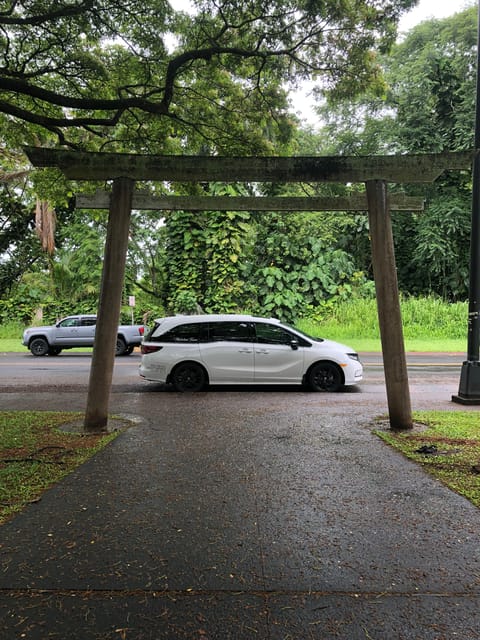
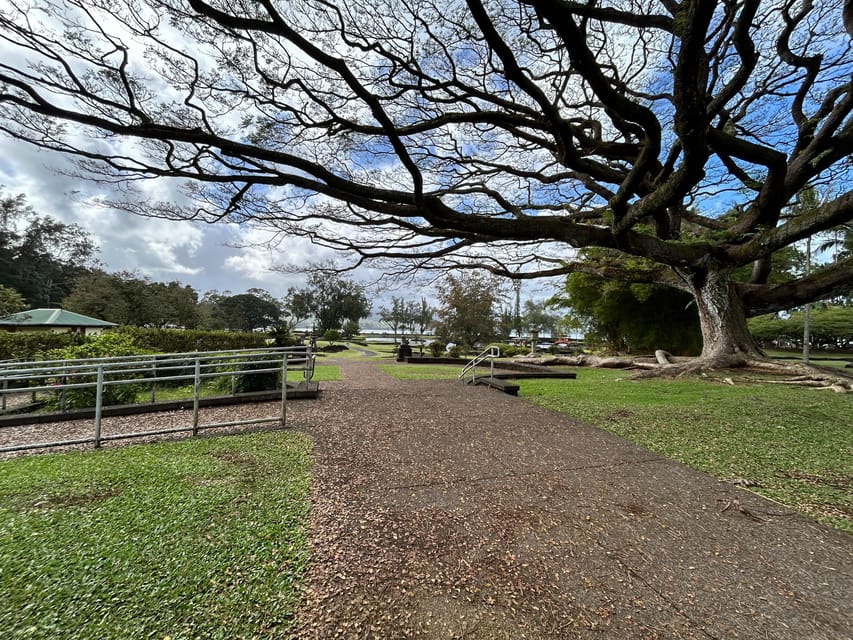
You begin with a drive through Banyan Drive, also known as Hilo’s own celebrity walk of fame. The point here isn’t the names for their own sake. It’s that Hilo’s streets and shoreline area have a layered identity—Hawaiian royalty, visiting history, and pop-culture fame—grown and shaped over decades.
You’ll pass banyan trees planted in the early 1900s by celebrities, including Amelia Earhart, Princess Abigail Kawananakoa, President Roosevelt, and even Babe Ruth. That blend is part of what I like: it gives you an instant sense that Hilo isn’t just a launchpad for volcanoes. It has its own story happening right there on the roads you’ll use all day.
This stop also works as a gentle warm-up. Before you step into lava terrain, it helps you shift from “I arrived in Hawai‘i” mode to “I’m moving through Hawai‘i” mode.
Liliuokalani Gardens: A 25-Acre Japanese Connection Near Hilo
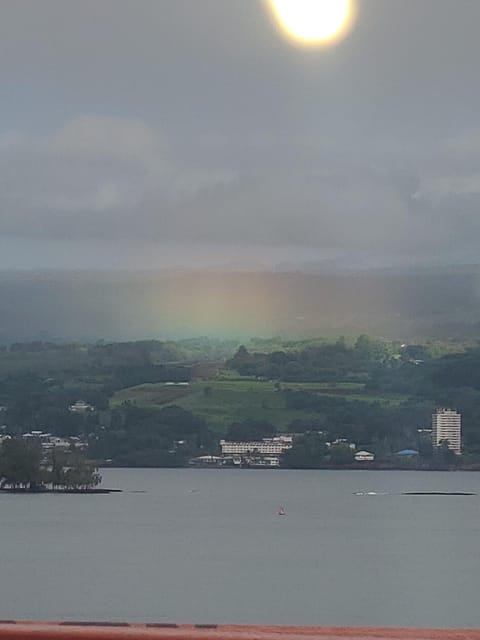
Then you go to Liliuokalani Gardens, a 25-acre park centered on Japanese décor. The garden is named after Queen Liliuokalani, and it connects to the relationships between Hilo and Japanese cities.
If you like travel that feels specific (not generic), this part is worth it. The park reflects sister-city ties that include Nago City, Hatsukaichi, and Ikaho. So even if your visit is short, you’re seeing a living map of friendship links—not just landscaping.
One practical note: gardens mean walking on paths. You won’t need hiking shoes, but your comfortable footwear really matters, especially if you want an easy transition into the cooler conditions near the volcano.
The Kamehameha Statue and the One-Rule Story You Pass On the Way
Next is a drive by the Kamehameha statue. This isn’t just a photo stop. It’s a quick storytelling moment about Kamehameha’s rise—how he built power that brought the island chain under one rule.
Even if you don’t want a long history lecture, passing by a landmark like this helps you frame what you’re seeing later in the day. Volcanoes are about geology and science, sure. But Hawai‘i is also about people and leadership, and this stop gives you a bridge between those two ways of understanding the island.
For many people, it’s the kind of stop you don’t think you’ll care about—until you catch the context.
Rainbow Falls at Wailuku River: Mist, Myth, and Photo-Ready Views
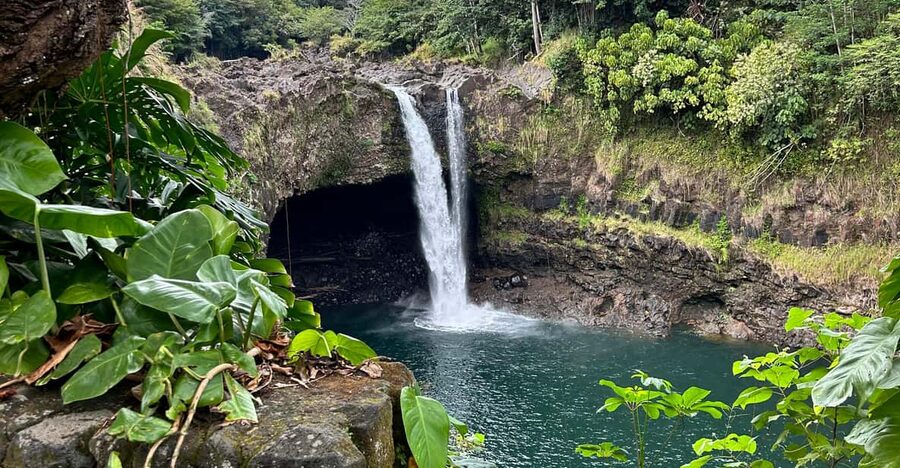
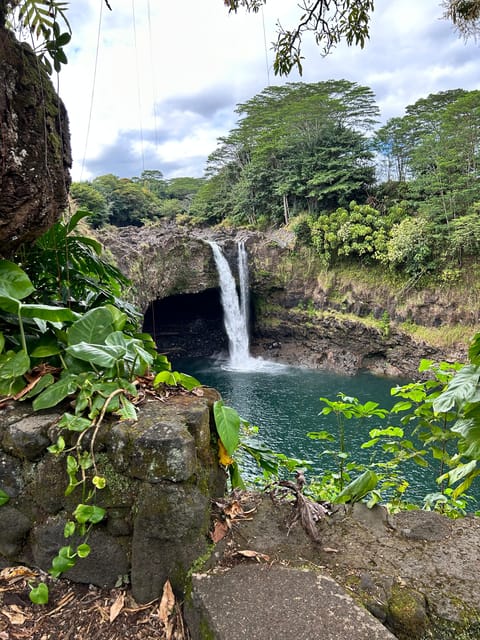
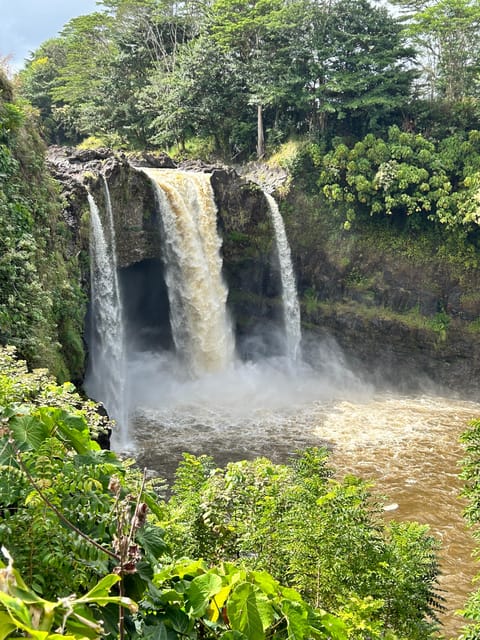
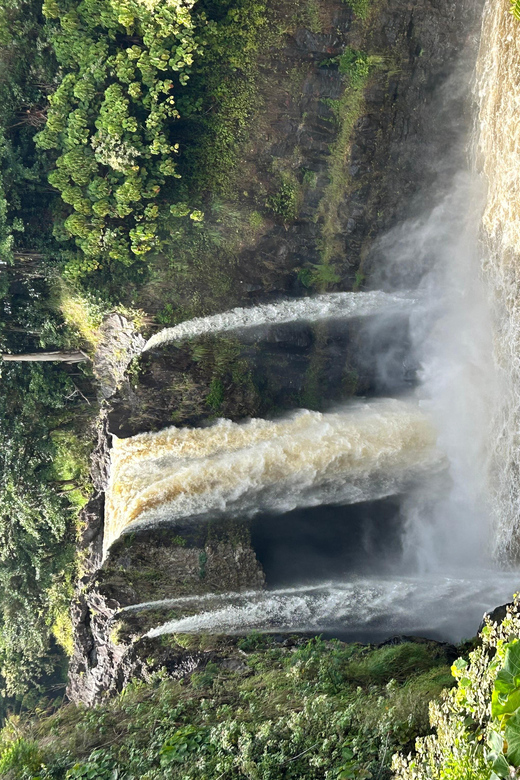
Rainbow Falls is one of those places that lives up to its reputation. You visit it at the Wailuku River. The big draw is the mist: when conditions line up, the spray can create rainbow-like colors, and it’s easy to see why the waterfall has become a favorite.
This stop also has a mythology layer. Rainbow Falls is tied to the Hawaiian moon goddess Hina, and Hina is described as the mother of the demi god Maui. You don’t need to be an expert to appreciate it. The best part is that the guide can explain how these stories connect to the places you’re standing in front of.
Photo tip: plan for wet mist. A light poncho or just your own tolerance matters. And if you’re sensitive to chilly spray, dress like you expect to stand still for a few minutes.



Hawai‘i Volcanoes National Park: Crater Rim Lookout, Steam Vents, and Thurston Lava Tube
This is the heart of the tour. The plan includes three stops inside Hawai‘i Volcanoes National Park: the Crater Rim Lookout, the Steam Vents, and a walk through the Thurston Lava Tube.
Crater Rim Lookout: The Big View Moment
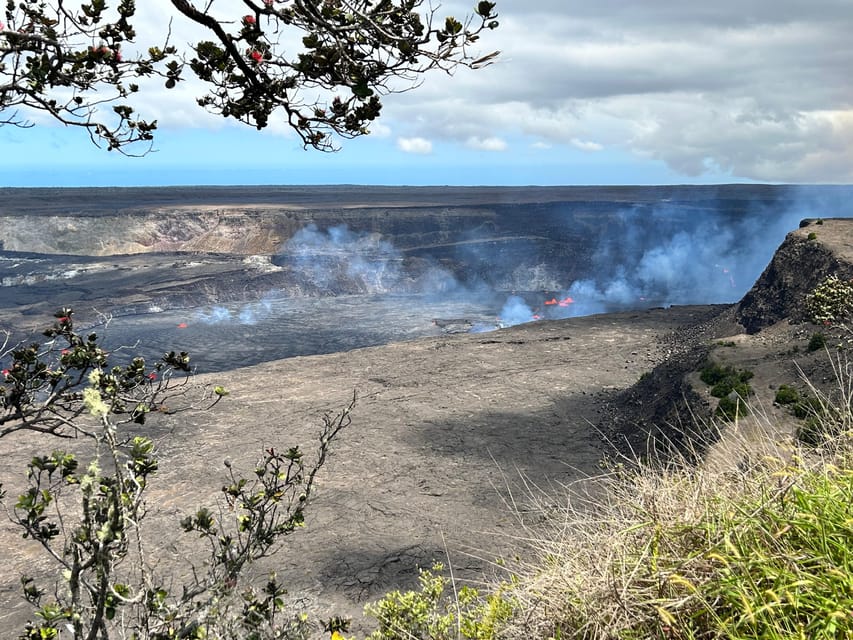
The Crater Rim Lookout is your first chance to orient yourself. You’re looking at a scale that’s hard to understand from a distance. It’s the kind of viewpoint that helps you grasp how Kilauea fits into the park’s volcanic drama.
Because the tour is guided, you’ll likely get pointers on what to notice—steam behavior, changes in terrain, and how volcanic activity can be visible even when you don’t see fresh explosions.
Steam Vents: Smell the Truth
Steam vents sound simple, but they’re practical. They show active geothermal energy without waiting for a dramatic spectacle. If you’re traveling when volcanic activity is moderate, this is where you still feel the park is alive.
Expect the air to feel different. There can be warmth and a noticeable smell around geothermal areas, and the steam can change quickly.
Thurston Lava Tube: Walk Through Solidified History
Then you walk through Thurston Lava Tube. This is the stop that turns “I read about volcanoes” into “I walked through one.”
The lava tube creates a cool, enclosed feeling compared with the outside trails. It’s not a full-on cave adventure in the data you’re given, but it is a real walk through volcanic formations, and comfortable shoes matter here more than anywhere else.
A bonus: one guided experience described spotting lava erupting in the evening. That’s not something you should assume will happen every day, but it’s a good sign that the day’s pacing can align with real activity when timing allows.
Big Island Candies: Omiyagi-Style Sweet Stops That Actually Make Sense
Finishing at Big Island Candies is a smart wrap-up. This is a generational candy factory and, more importantly, it gives you an easy buy for gifts.
The tour focuses on Japanese “omiyagi,” which are gift items you bring back for others. That cultural framing helps: you’re not just grabbing random candy. You’re selecting something that fits the idea of traveling and sharing.
One specific treat highlighted is shortbread cookies that are hand half-dipped in chocolate. It’s the kind of thing that holds up as a souvenir, so you can bring it home without turning your bag into a sticky mess—at least in most normal circumstances.
Price and Value: Is $175 for 5 Hours Fair?
At $175 per person for a 5-hour guided outing, the value comes down to two things: the included entry fee and the fact that you’re not figuring out timing and routing yourself.
You get:
- hotel/airport/port pickup from Hilo areas
- entry to Hawai‘i Volcanoes National Park
- visits to Liliuokalani Gardens, Rainbow Falls, and Big Island Candies
- bottled water
- a local driver guide
That matters because Volcanoes National Park entry plus guided interpretation can be the difference between seeing “a few stops” and actually understanding what you’re looking at. Several guides mentioned—Kimo, Don, and Dan—are praised for making the day feel like more than a bus ride, with explanations of native history and plants, plus patience with kids.
Is it a bargain? No. But for a guided day that includes transport and park entry without you planning every turn, it’s priced like a convenience product with real payoff.
Small But Important Practicalities (That Affect Your Day)
A few details can quietly make or break your experience.
- Shoes: Comfortable footwear is a must, especially for the lava tube walk.
- Weather: Bring a light jacket or sweater. You may feel a temperature shift once you’re in and around the park.
- Food: Food and drinks aren’t included. Bottled water is included, but plan to add your own snacks if you need more than the tour provides.
- Snacks on board: One described experience noted waters and a local fruit snack. Even if that’s not guaranteed in every run, it’s a sign the day is planned with small comforts in mind.
- Who can use what: Mobility scooters aren’t allowed, and accessibility information is a bit mixed in the details you’re given. If wheelchair access matters for you, double-check before booking.
Also, this is a guided day with a set route. If you’re the kind of traveler who wants to wander off-track for an hour, you’ll feel constrained. If you enjoy guided pacing and want the highlights with context, you’ll likely be happy.
Who This Tour Fits Best (And Who Might Want Something Different)
This tour works especially well if:
- you’re based in Hilo and want a one-day hit at volcano sights
- you want interpretation—my favorite part—so you understand what you’re seeing at the crater rim and lava tube
- you’re traveling with kids and want a guide who can handle energy and questions (that’s been specifically noted)
It may not be ideal if:
- you want long time at a single location (you won’t get it in a 5-hour format)
- you rely on mobility scooters
- you’re more interested in independent hiking than guided viewpoints
If your goal is a guided overview with a couple of signature experiences, this is a solid match.
Should You Book This Hilo Volcanoes Tour?
If you want a fast, guided, first-timer-friendly day that pairs Volcanoes National Park with Rainbow Falls and a practical sweet souvenir stop, I’d book it. The price isn’t low, but it’s supported by real inclusions—park entry, pickup, bottled water, and a guide who explains what you’re looking at.
My tipping-point advice is simple: book this if you’d rather spend your energy watching and learning than mapping and timing. If your ideal day is slow, self-guided wandering with lots of downtime, you might prefer a longer stay or a more flexible format.
FAQ
FAQ
How long is the tour from Hilo?
The tour duration is 5 hours.
What does the $175 per person price include?
It includes pickup from the Port of Hilo, Hilo International Airport, or your local hotel; entry to Hawai‘i Volcanoes National Park; visits to Liliuokalani Gardens, Rainbow Falls, and Big Island Candies; a local driver guide; and bottled water.
Where can the pickup happen?
Pickup can be from the Port of Hilo, Hilo International Airport, or your local hotel.
What should I bring for the tour?
Wear comfortable shoes. It’s also a good idea to bring a light jacket or sweater.
Is food included?
No. Food and drinks are not included.
Are there any rules about scooters or accessibility?
Mobility scooters are not allowed. The information provided also includes mixed statements about wheelchair suitability, so it’s worth confirming based on your needs before booking.
What are the main stops inside Hawai‘i Volcanoes National Park?
The tour makes three stops: the Crater Rim Lookout, the Steam Vents, and walking through the Thurston Lava Tube.
What language are the guides speaking?
The tour is offered with an English live tour guide.