REVIEW · BANFF
Banff: Guided Sunset and Stargazing Tour
Book on GetYourGuide →Operated by Banff & Canmore Tours · Bookable on GetYourGuide
Stargazing in Banff starts before dark. This guided sunset-to-stars walk takes you into calmer trail spots, so the night sky unfolds while you’re still moving through the park. You’re not stuck staring at a parking lot view.
I love two things about it right away: you get proper gear like headlamps for the dark hike, and you have a guide who helps you spot constellations as the sky goes deep black. I also like how the pace feels built for real people, with safety front and center.
The main drawback to plan around is weather and cloud cover. If skies are heavy-clouded, the tour won’t run, and even with partial cloud or a bright moon, stargazing can be less dramatic than the clearest-night photos you’ll see online.
In This Review
- Key Highlights That Make This Tour Different
- Sunset-to-Stars Starts at the Cave and Basin Parking Lot
- What the First Stops Feel Like (As the Sun Drops)
- The 5 km / 3.5 Mile Trail: Mostly Easy, Still Dark
- Your Guide’s Job: Constellations, Stories, and Safety With Bear Spray
- Northern Lights, Shooting Stars, and Satellites: Manage Expectations the Right Way
- Night Hike Photo Tips You’ll Actually Use
- Wildlife Spotting With Headlamps and Lanterns
- Gear You Need (and the One Thing You Might Forget)
- Price and Value: $66 for Two Hours With Real Guide Support
- When the Sky Won’t Play Along
- Who This Tour Fits Best in Banff
- Should You Book This Banff Sunset and Stargazing Tour?
- FAQ
- Where is the meeting point for the tour?
- Is hotel pickup or drop-off included?
- How long is the guided sunset and stargazing tour?
- How far do you hike?
- What’s included, and what’s not included?
- What should I bring, and what is not allowed?
- Does the tour run year-round, and what happens if the sky is cloudy?
Key Highlights That Make This Tour Different
- Sunset timing on purpose: you’re on the trail as the last light fades, not after it’s gone
- Small-group feel: multiple guides mention small groups that can make the experience more personal
- Hands-on sky help: you get help finding constellations and tips for phone photos
- Northern lights possibility: you’ll look for aurora and shooting stars when conditions allow
- Night safety is real: guides carry bear spray and have safety equipment
- Walk is manageable: it’s about 5 km / 3.5 miles, with breaks at longer stop points
Sunset-to-Stars Starts at the Cave and Basin Parking Lot
Your evening begins at the Cave and Basin National Historic Site area, specifically the Welcome Building parking lot. You meet outside, show your voucher, and the guide will be holding a clipboard. It’s convenient because you can drive in and park for free.
The tone right away is outdoors-first. You’re going to be walking on a trail route built for dusk and darkness, not just standing around with a crowd. That matters in Banff, where the best views come from putting yourself in the right spot at the right moment.
You can also read our reviews of more tours and experiences in Banff.
What the First Stops Feel Like (As the Sun Drops)
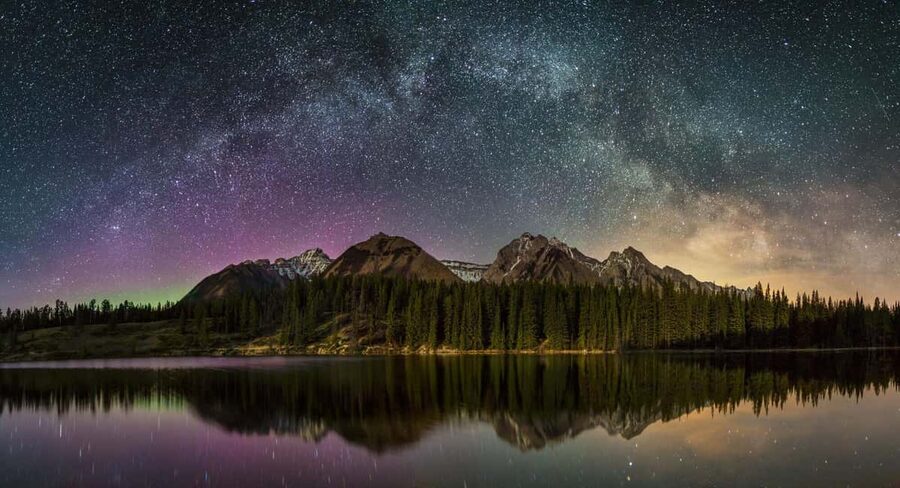
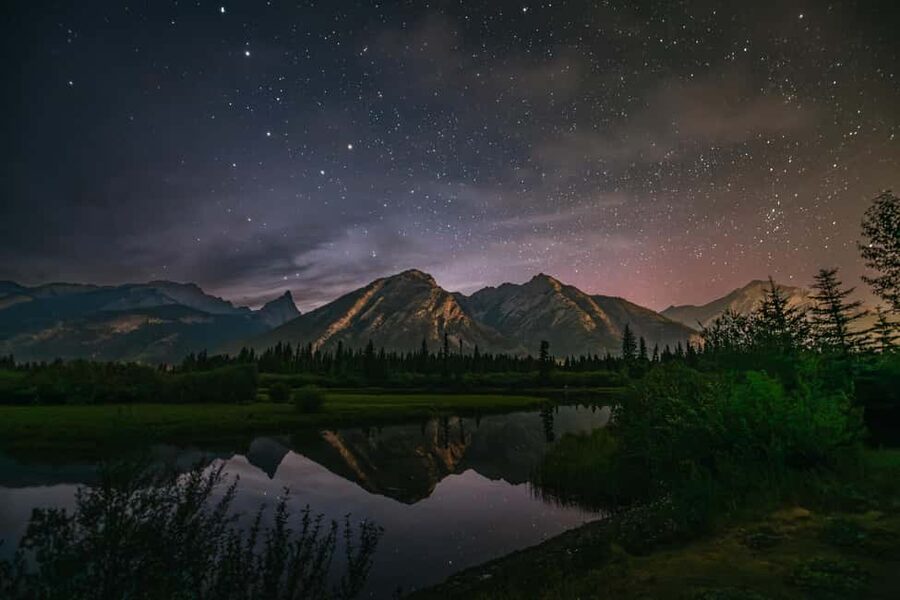
This is a two-hour experience designed around one simple idea: the sky changes fast after sunset. You start just after sunset seasonally, so you’re already transitioning from warm colors to cool twilight while you hike. Then the first stars show up in stages, and the guide times those viewing moments for when your eyes adjust.
You’ll likely stop more than once. That’s when the “look up” part becomes real, because your headlamp and the guide’s pointing out constellations help you stop guessing. It’s especially useful if you don’t have a star app or if you’ve tried to use one and it just bounces you between apps and frustration.
The 5 km / 3.5 Mile Trail: Mostly Easy, Still Dark
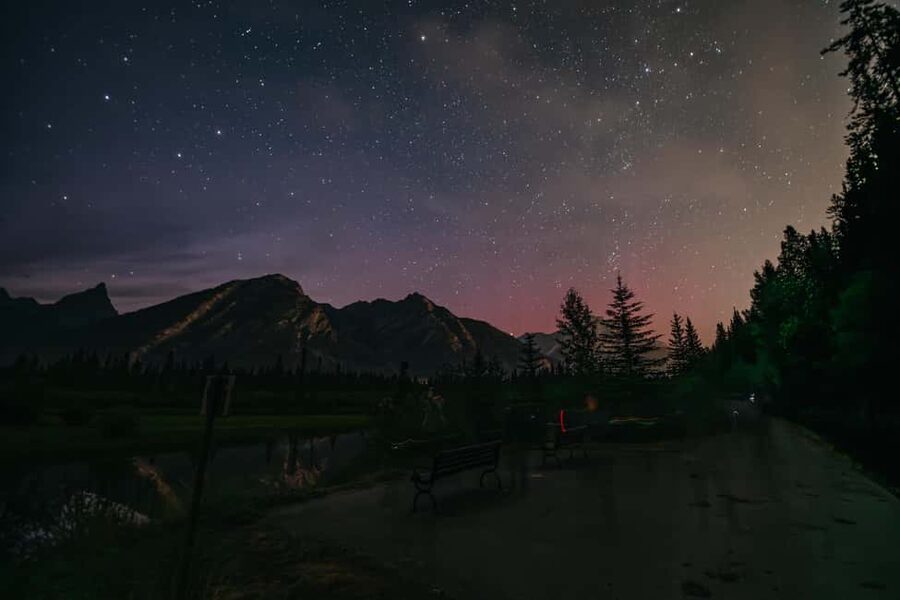
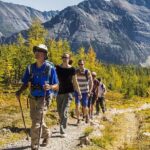
The hike distance is 5 km, or about 3.5 miles, and you’re out for roughly two hours. For most people, that’s a comfortable commitment for an evening activity, especially because you’re not doing a long day hike with big elevation demands listed for this tour.
One detail I appreciate: the walk is designed to be approachable. In practice, you should expect a route that includes paved stretches and flat sections, with some mixed surfaces like boardwalk or dirt depending on where the guide is leading you. There are also breaks where you can regroup, and some longer stops may include benches.
The dark part is the real thing to prepare for. This is why headlamps are included and why your shoes matter. Good hiking shoes help you stay confident on mixed footing when it’s dim and your brain is busy staring upward.
Your Guide’s Job: Constellations, Stories, and Safety With Bear Spray
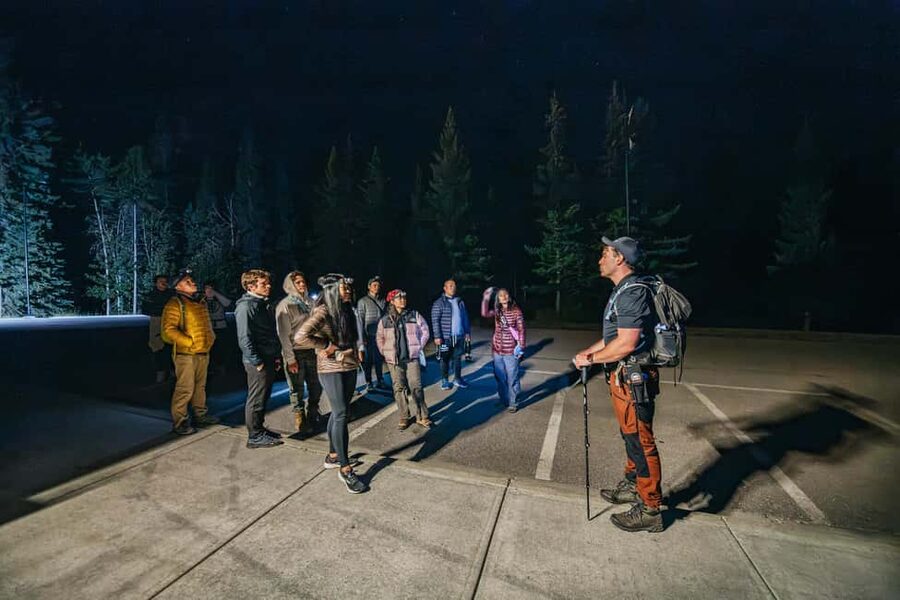
This tour runs with a professional mountain guide, and that guide is doing three jobs at once: leading the trail, managing the group’s safety, and teaching you what you’re actually looking at.
Safety is explicit. All guides carry bear spray and other safety equipment, and that gives you a baseline comfort walking at night in a wildlife-rich area. You’ll also hear how to stay aware of what’s around you while you focus on the sky.
For the “sky lesson,” guides help you spot constellations as the night deepens. Different guides have different styles, and names you may encounter include Kale, Yuin, Ewan, Ben, Jacob, and Isla. The common thread is that they keep it practical: they point out what’s visible, share stories tied to the stars, and help you make sense of the sky without turning it into a lecture.
Northern Lights, Shooting Stars, and Satellites: Manage Expectations the Right Way
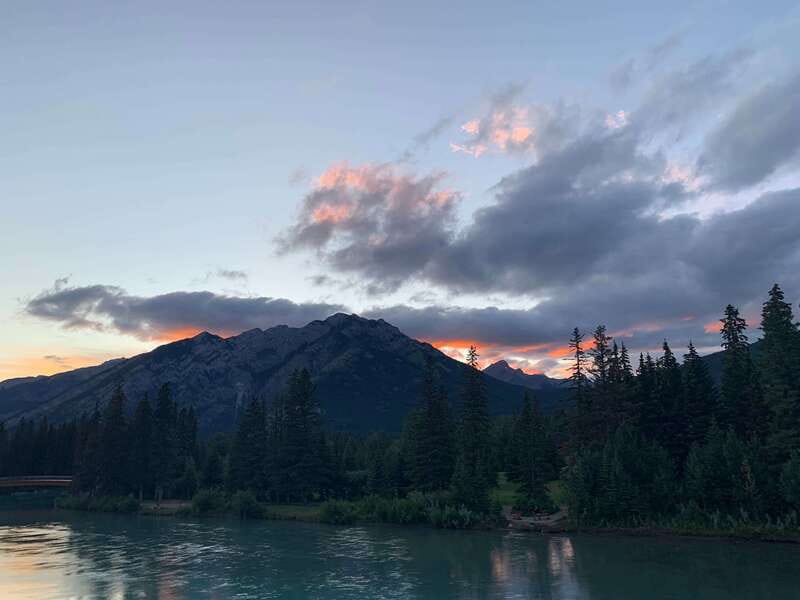
The highlights promise a chance to see Northern Lights and shooting stars, and that’s the big reason people book. But the sky doesn’t cooperate on a schedule, so the smartest mindset is to treat aurora as a bonus, not a guarantee.
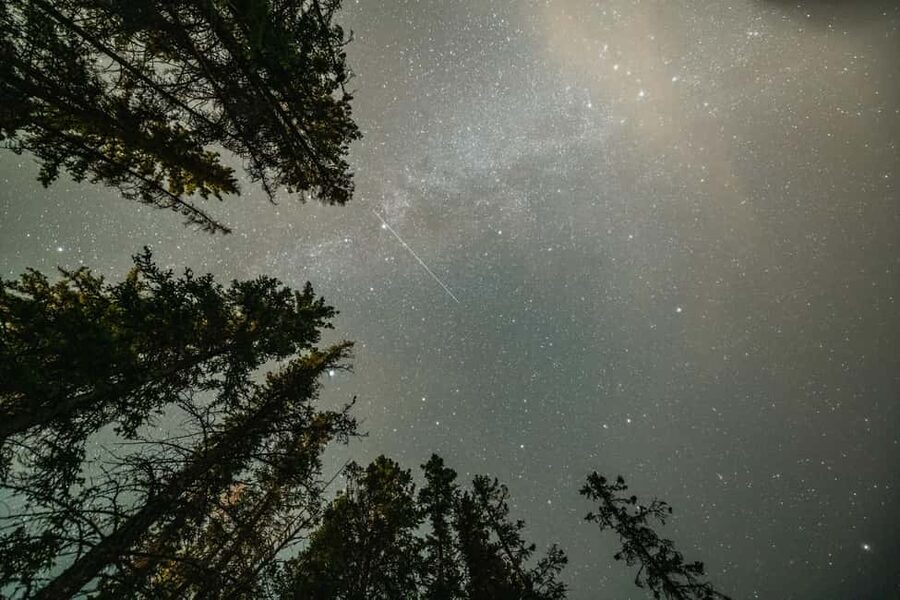
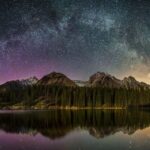
Even when conditions aren’t perfect, you can still have a great night. A bright moon can wash out faint stars, and smoke or haze can dull the contrast, but guides can still help you find constellations and often point out other sky highlights like satellites. On some nights, people have reported seeing the Milky Way, shooting stars, and even meteors or comets depending on how clear things were.
Here’s what helps you get the most out of the experience: listen to the guide’s timing. When the sky is getting darker, the guide will tell you what’s easiest to see right then, and when to look longer. That small shift can be the difference between spotting a couple stars and actually enjoying the sky like a real stargazer.
Night Hike Photo Tips You’ll Actually Use
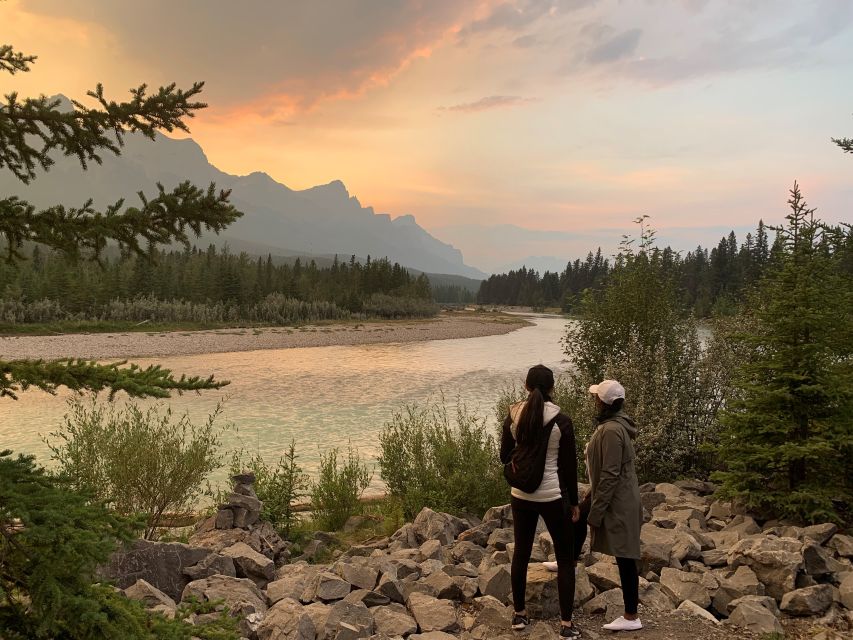
One of the most praised parts of this tour is that you don’t just look. You learn how to photograph what you see in the dark.
People have shared that guides help with phone settings for night shots, including iPhone night mode ideas, and sometimes long-exposure-style techniques to capture star trails or aurora hints. Even if you just use your phone, those tips can level up your results because you’ll know what to try and what to avoid when it’s dark and you’re walking around.
You’ll also get a calmer pace at stops, which helps your hands steady and gives you time to frame shots. If you’ve ever tried to take a night photo while someone is rushing you, you know why this matters.
Wildlife Spotting With Headlamps and Lanterns
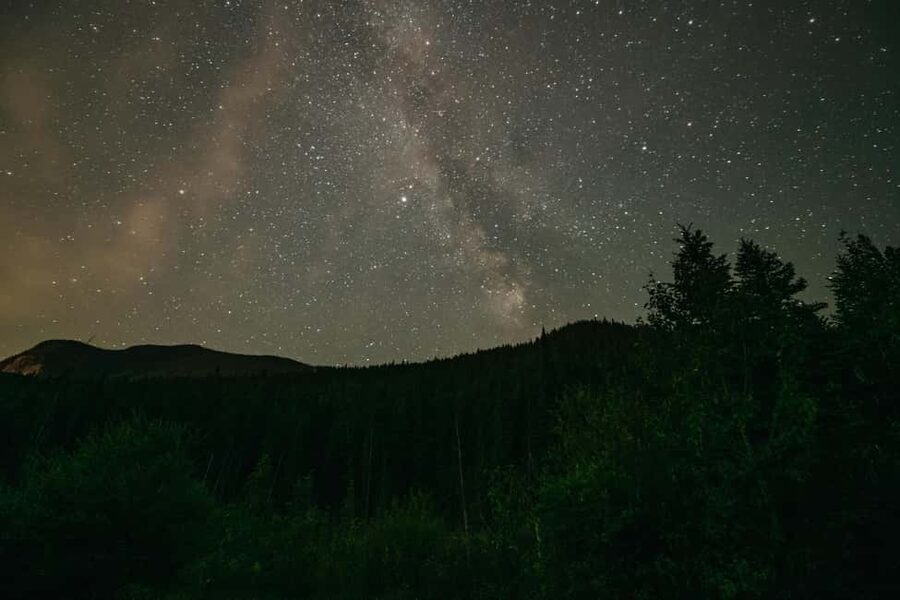
The tour includes a nocturnal wildlife component. You’ll use headlamps and lanterns, and the guide will help you look for movement and signs of animals that are active after dark.
This doesn’t mean you’ll definitely see something specific, but it does mean you’re not completely guessing. The best part is that you’re in control of your attention. You’re walking, and when the guide calls something out, you know where to look and when.
You should also expect some insects, especially in warmer seasons. One review-style detail that’s worth taking seriously: mosquitoes can be aggressive at the start during certain times of year. If you’re going in summer or early fall, consider packing mosquito deterrent so you’re not distracted by itching when you want to focus on stars.
Gear You Need (and the One Thing You Might Forget)
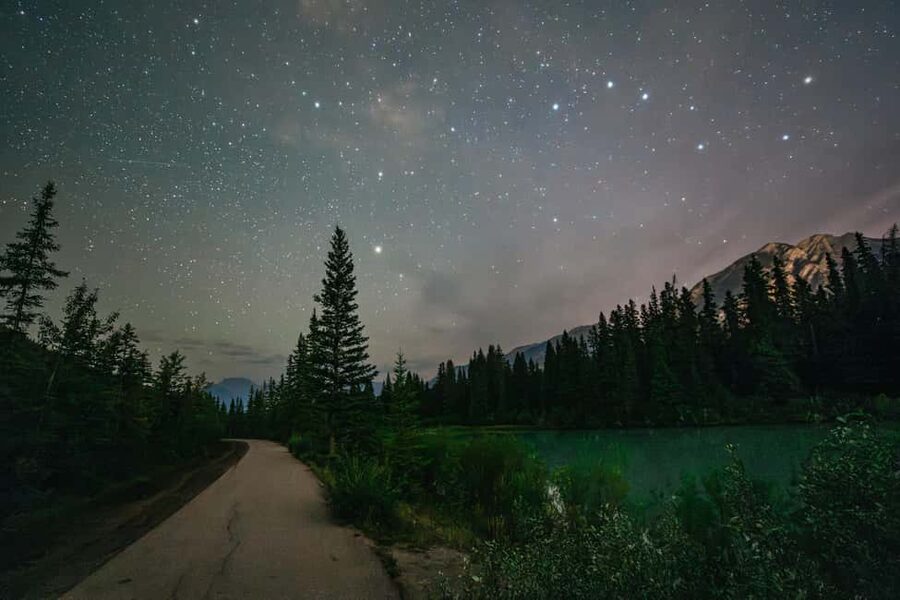
What to bring is simple: hiking shoes. That’s not just a formality. In the dark, shoes affect how stable you feel, especially if your route has mixed surfaces.
Good news: key gear is handled for you. You’ll have headlamps for the hike, and if conditions require it, ice cleats are included. That ice cleat line matters if you’re booking in winter, when timing and trail texture can turn slippery fast.
What you should not bring: pets. Also, alcohol and drugs are not allowed. If you want to keep your night smooth and calm, plan on water and snacks outside the tour (since food and drink aren’t included).
Price and Value: $66 for Two Hours With Real Guide Support
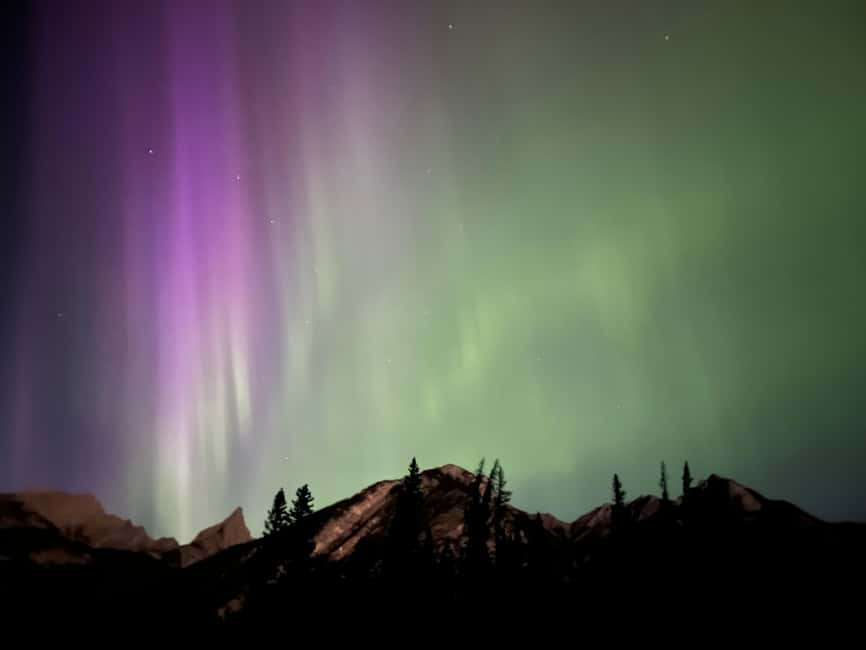
At $66 per person for a two-hour guided hike, this is priced like an experience, not a casual stroll. The value comes from what’s included: a professional mountain guide, headlamps, and ice cleats when required.
You’re also paying for the parts you can’t easily DIY. In Banff, star visibility and trail access both depend on conditions. A guide can help you pick the best moments to look up, and they can help you stay safe with bear spray and group management while you’re on a dark trail.
In my view, this is a good match if you want more than a selfie with a mountain behind you. If you want a guided night experience where you learn the sky and come away with usable photo tips, the cost feels more reasonable.
When the Sky Won’t Play Along
This is the part to plan around before you go in with high expectations.
The tour will not operate in heavy cloud cover. If that happens, the guide will contact you 12–24 hours before departure and issue refunds. That’s a fair approach because heavy cloud cover basically erases the whole point of the experience.
Even with partial cloud, you can still end up with a meaningful night. People have done the tour despite some cloud and still found constellations. A bright moon can also reduce the contrast, so you might see fewer faint details, but you’ll still learn what’s visible and where to look.
Who This Tour Fits Best in Banff
This tour is best for adults and kids 8 and up, since it’s listed as not suitable for children under 8. It’s also not suitable for pregnant women, people with mobility impairments, people with pre-existing medical conditions, and those who’ve had recent surgeries.
One small note you should take seriously: the activity info lists wheelchair accessible, but it also lists mobility impairments as not suitable. If you’re in that gray zone, I’d contact the provider before booking so you can confirm what route and pace they can safely support for your situation.
Should You Book This Banff Sunset and Stargazing Tour?
If you want the most relaxing kind of Banff adventure, this is a strong yes. I’d book it if you like being outside after dark, want help finding constellations, and care about safety and comfort with headlamps and gear. It’s also worth it for phone photography tips, because those moments make your memories feel tangible.
I’d skip it if you’re expecting guaranteed Northern Lights every time. This tour is built for the sky-changing experience, not a promise of aurora on a schedule. And if you’re not comfortable walking at night for about 5 km, or if you’re sensitive to insects during warm seasons, plan accordingly.
If you match the vibe, you’ll come away feeling like you actually understand the night sky a little more than you did before.
FAQ
Where is the meeting point for the tour?
Meet outside the Welcome Building at the Cave and Basin National Historic Site Parking Lot. The guide will be holding a clipboard, and you’ll present your voucher there.
Is hotel pickup or drop-off included?
No. Hotel pickup and drop-off are not included.
How long is the guided sunset and stargazing tour?
The duration is 2 hours.
How far do you hike?
The trail distance is 5 km, or about 3.5 miles.
What’s included, and what’s not included?
Included: a professional guide, headlamps, and ice cleats when required. Not included: food and drink.
What should I bring, and what is not allowed?
Bring hiking shoes. Pets are not allowed, and alcohol and drugs are not allowed.
Does the tour run year-round, and what happens if the sky is cloudy?
The tour runs year-round and departs just after sunset seasonally. It will not operate in heavy cloud cover; the guide will contact you 12–24 hours before departure and issue refunds.