REVIEW · NEW DELHI
8 Day Golden Triangle Private Tour with Ranthambore National Park
Book on Viator →Operated by Indo Routes · Bookable on Viator
India hits fast, then slows for tigers. What I like most is the private transportation that keeps the days moving without the stress of public connections, and the two Ranthambore safaris that make this more than a sightseeing checklist. One thing to consider: the schedule is packed, so you’ll want comfortable shoes and a flexible attitude about timing.
This tour stitches together major stops in Delhi, Agra, and Jaipur, plus a full nature detour into Ranthambore. You also get small practical touches—mineral water, Wi‑Fi in the car, and snack breaks—that matter when you’re bouncing between cities.
It’s a strong fit if you want big sights with clear guidance, and you’re traveling as a family or a small group. If you prefer lots of free time and slow museum wandering, you might find the pace a little intense.
In This Review
- Key highlights I’d plan around
- Golden Triangle plus Ranthambore: what this mix actually delivers
- Day 1 in Delhi: land, settle, and get your bearings
- Old Delhi: Red Fort, Jama Masjid, Chandni Chowk, and Raj Ghat
- Delhi Sultanate highlights: Humayun’s Tomb, Qutub Minar, and the walk between eras
- Sunrise Taj Mahal and the Agra Fort day: where timing matters most
- Ranthambore National Park: two safaris and the real value of a nature break
- Jaipur in the evening: rose-pink energy plus a cultural show
- Amber Palace, Jantar Mantar, City Palace, and the markets: built for maximum impact
- What you’re paying for: value of $540.10 with private travel and safaris
- Last evening back in Delhi: farewell dinner and a smooth airport run
- Should you book this private 8-day Golden Triangle with Ranthambore?
- FAQ
- FAQ
- How long is the Golden Triangle private tour with Ranthambore?
- Where does the tour start?
- Is pickup included?
- How many safaris do you do in Ranthambore National Park?
- When do the Ranthambore safaris operate?
- What sites and areas are included across Delhi, Agra, and Jaipur?
- How many UNESCO world heritage sites are included?
- What’s included in the price?
- What’s not included?
Key highlights I’d plan around
- Two Ranthambore safaris in the afternoon and morning slots (Oct to June departures)
- Taj Mahal at sunrise, timed for the best light and fewer crowds
- Old Delhi by rickshaw through Chandni Chowk lanes, then Red Fort and Jama Masjid
- Jaipur’s top trio: Amber Palace views, City Palace, and Jantar Mantar
- Private, driver-led travel between cities with an on-the-ground English/Spanish/Italian guide
Golden Triangle plus Ranthambore: what this mix actually delivers
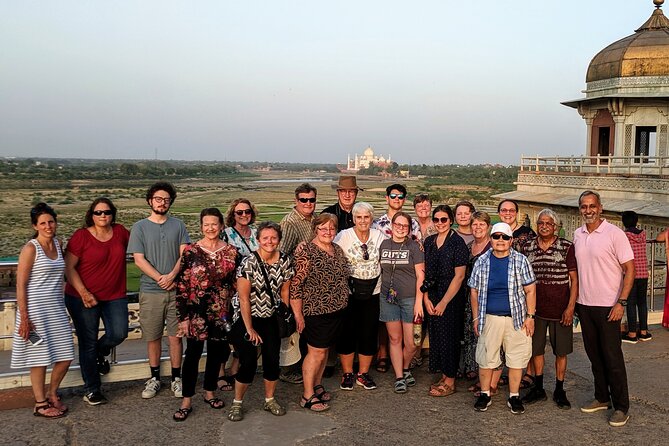
Most Golden Triangle trips focus on monuments first and everything else second. This one flips the script slightly by adding Ranthambore as a real “pause” in the middle of the rush. After Delhi and Agra’s marble-and-stone days, the safari drives you into a different rhythm: early mornings, quiet anticipation, and long stretches of waiting.
The result is a route that feels varied. You get the headline icons—Taj Mahal, Agra Fort, Jaipur’s major forts and observatories—then you switch to something you can’t fake: the mood of tiger-country. Even if you don’t see a tiger on safari (no operator can guarantee wildlife), the experience is still about being in the habitat and learning how Ranthambore works.
You’ll also appreciate how the tour is set up for smoother logistics. It’s private, with pickup at Indira Gandhi Intl Airport in Delhi, and a Wi‑Fi enabled car with a professional chauffeur. That adds up when you’re covering multiple cities in just 8 days.
You can also read our reviews of more tours and experiences in New Delhi.


Day 1 in Delhi: land, settle, and get your bearings
Day 1 is simple by design: you land at Indira Gandhi Intl Airport, get welcomed, and transfer to your hotel. After that, the rest of the day is free, which I think is a smart buffer—especially if your flight schedule is tight.
Why this matters: Delhi can feel overwhelming. A free evening helps you avoid the classic “first day cram” problem where everyone is too tired for good decisions. You can also do a quick grocery/snack run or plan your first meal.
You’ll likely stay in a similar-category hotel, and the tour handles the accommodation placements across the trip. The big benefit is you won’t waste time sorting check-ins and transport between neighborhoods.
Old Delhi: Red Fort, Jama Masjid, Chandni Chowk, and Raj Ghat
Old Delhi is the kind of place where your senses do the guiding. You’ll visit the Red Fort complex, then head to Jama Masjid, India’s largest mosque. Next comes Chandni Chowk Bazaar, where you’ll do a rickshaw ride through the narrow lanes.
This is one of the most fun parts of the trip because it breaks up the “walk in a straight line to the next ticket booth” feeling. The rickshaw ride helps you cover ground and also gives you a small dose of the local pace—without requiring you to navigate the lanes yourself.
You’ll also visit Raj Ghat, the resting place of Mahatma Gandhi. That shift—from commerce and architecture to a reflective memorial—is a good moment to reset before the evening. The day ends with a welcome dinner at the hotel, which is practical after a long stretch of sights.
Possible drawback: Old Delhi can be physically demanding. The bazaars involve plenty of walking and shoulder-to-shoulder areas, so plan for that and keep your daypack light.
Delhi Sultanate highlights: Humayun’s Tomb, Qutub Minar, and the walk between eras
The next day focuses on Delhi’s major historical monuments. You’ll see key landmarks such as Humayun’s Tomb and Qutub Minar, plus stops like India Gate and Gandhi Smriti Bhawan (Birla House Lane area). The flow is “see the big story” rather than “memorize details,” and that works well for a first-time visitor.
I especially like how this day connects different eras without feeling chaotic. Humayun’s Tomb is a major Mughal landmark, and then Qutub Minar adds an older, stone-focused dimension. Together, they give you a sense of how Delhi’s power centers evolved.
You’ll also get a war memorial stop dedicated to Undivided Indian Army soldiers who died during World War I. It’s not the typical “must-see” postcard, but it adds context and human scale to the historical sweep.
Then you continue on toward Agra. That’s important: it saves you from wasting the precious morning hours on repeated transfers later.
Sunrise Taj Mahal and the Agra Fort day: where timing matters most
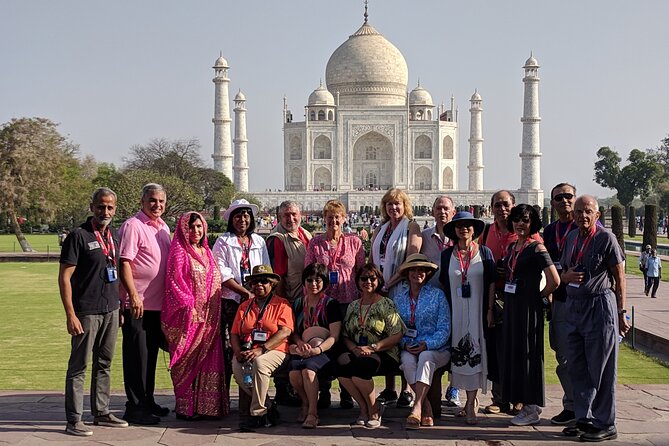
Taj Mahal at sunrise is the centerpiece of the entire Golden Triangle. The timing is the whole point. You’re visiting the Taj Mahal built between 1631 and 1648 at first light, when the atmosphere is calmer and the marble tends to look its best in soft lighting.
After the Taj, Agra Fort comes next. It served as the main residence of Mughal emperors until 1638, when the capital shifted to Delhi. That detail isn’t trivia—it helps you understand what you’re standing in. Forts like this aren’t just walls; they were homes of power.
Then you’ll explore Fatehpur Sikri, built by Emperor Akbar. You’ll also witness Buland Darwaza there. Fatehpur Sikri often feels like a place where time slows down; the scale and design read like a whole city planned for a purpose.
Mehtab Bagh is listed as part of the tour features in the Agra area. If your schedule includes it, it’s a nice counterpoint: more garden and riverbank vibe than “inside the main monument rush.”
Possible drawback: this is a long day with multiple big sites. If you’re the type who gets museum-fatigue fast, bring breaks into your routine—water often, and don’t be shy about stepping aside when you need air.
Ranthambore National Park: two safaris and the real value of a nature break
Ranthambore is why this trip feels like more than a standard Golden Triangle. You’ll drive into Rajasthan and then do a first safari in the afternoon, followed by an overnight stay. The next morning includes another safari before you move on.
The tour runs two safaris through Ranthambore National Park for October to June departures. You’ll also have snacks and seasonal fruit during the tour, plus mineral water bottles and those small comfort details that help when you’re spending long stretches outside.
Here’s what’s genuinely valuable about doing two safaris instead of one: you get two chances to spot wildlife, and you also learn how the day changes. Morning safari conditions and animal behavior can feel different from afternoon, and that changes the “feel” of the drive and waiting.
I’d also mentally prepare for the nature of safari days: time isn’t fully in your control. You follow the park rhythms, the guide’s advice, and what’s happening on the ground. If you go in expecting guaranteed tiger sightings, you’ll be disappointed. If you go in expecting a serious wildlife experience in tiger country, you’ll likely have a memorable day even without the dramatic photo.
Practical note: wear layers. Mornings can be cooler than you expect.
Jaipur in the evening: rose-pink energy plus a cultural show
Jaipur is where the trip starts to feel more colorful again—literally. You’ll drive to the rose pink capital of Rajasthan and check into your hotel. Then you’ll enjoy a Rajasthan cultural dance performance with dinner.
That evening cultural slot is a good piece of pacing. After safari and monument days, it gives you variety without requiring another major walking block. It’s also a low-effort way to get a sense of local performing traditions in North India.
You’ll sleep in Jaipur overnight so the next day can focus on the big hilltop and palace areas.
Amber Palace, Jantar Mantar, City Palace, and the markets: built for maximum impact
Your main Jaipur sightseeing day starts with Amber Palace and the hilltop views. Amber is the kind of place where the setting matters as much as the architecture. From there, you’ll visit the Palace of Winds and the Water Place, plus Jantar Mantar and City Palace.
Jantar Mantar is a UNESCO World Heritage site, and the tour specifically highlights its astronomical instruments and the world’s largest stone sundial. It’s a rare stop that’s both educational and visually striking, and it helps break the pattern of “palace, fort, palace again.”
You’ll also visit the Monkey Temple and spend time around the colorful markets. That part is often what you remember later: the chance to slow down, browse, and pick up small items you can actually use at home.
Potential drawback: Jaipur’s main attractions are concentrated, but the day is still packed. If you’re traveling with kids or older adults, bring a realistic plan for rest breaks and keep water in mind.
What you’re paying for: value of $540.10 with private travel and safaris
At $540.10 per person, this tour isn’t cheap, but it’s also not just paying for tickets to monuments. You’re paying for the hard-to-solve parts: private transportation between New Delhi, Agra, Ranthambore area, and Jaipur; hotel stays; entrance fees and game-park access; a guide for your language needs; and two safari rides.
That’s the key value point. Many budget tours look cheaper until you add separate transport, multiple ticket lines, and the hassle of figuring out timing on your own. Here, the structure is built around efficient transfers and guided sight access.
The included items also cover practical comforts that reduce travel friction: Wi‑Fi in the car, mineral water bottles, and snacks like seasonal fruits and biscuits. You’re also getting breakfast for 7 days, plus dinner on specific days (welcome dinner in Delhi, cultural dance show with dinner in Jaipur, and a farewell dinner in Delhi on the last evening).
What you should budget separately is also clear: international airfares, insurance/visas, and tips/gratuities aren’t included. If you’re a traveler who expects to tip heavily, build that into your total planning.
Also note: the tour is private, but there’s guidance depending on group size. For groups up to 05 persons you get a local English/Spanish/Italian speaking guide. For 06 persons and above, a tour escort joins in.
Last evening back in Delhi: farewell dinner and a smooth airport run
You return to Delhi on Day 8 and check in until 08:30 pm at Vivanta by Taj or similar, then enjoy a farewell dinner. After that, you transfer to Delhi airport for your flight home.
Why I like this pattern: it avoids the “sleep on the airport floor” problem. You get a real hotel room for at least part of the day, plus a final meal that marks the end of the trip.
It also lets you decompress after Jaipur. You’re not cramming more major attractions on the last day, which keeps the ending from feeling rushed.
Should you book this private 8-day Golden Triangle with Ranthambore?
I’d book it if you want a single trip that covers the top India highlights with guidance, while also getting a genuine nature experience in Ranthambore. The mix of Taj Mahal at sunrise, Old Delhi by rickshaw, major Jaipur landmarks, and two safaris makes it feel balanced instead of one-note.
I’d pass—or at least reconsider—if you hate tight schedules. This itinerary packs in major sights across multiple cities, and safari days add early starts. Also think about your expectations for wildlife: safaris can’t guarantee tiger sightings, but you will be in the right place, at the right times, with the right setup.
If you’re a first-time visitor, a family group, or someone who likes a structured plan with minimal transport hassle, this is a solid pick for your first Golden Triangle plus tiger-country experience.
FAQ
FAQ
How long is the Golden Triangle private tour with Ranthambore?
It’s about 8 days and 7 nights.
Where does the tour start?
The meeting point is Indira Gandhi Intl Airport in New Delhi, India.
Is pickup included?
Yes, pickup is offered.
How many safaris do you do in Ranthambore National Park?
You do 2 safaris through Ranthambore National Park.
When do the Ranthambore safaris operate?
The safaris are listed for October to June departures.
What sites and areas are included across Delhi, Agra, and Jaipur?
The tour includes major highlights such as the Red Fort and Jama Masjid in Delhi, Qutub Minar and Humayun’s Tomb, Taj Mahal and Agra Fort (and Fatehpur Sikri), plus Amber Palace, City Palace, and Jantar Mantar in Jaipur.
How many UNESCO world heritage sites are included?
The tour states it includes 08 UNESCO world heritage sites.
What’s included in the price?
Accommodation (as mentioned/similar category), all sightseeing and transfers by private transportation, entrance to museums/sites/game parks as mentioned, guides (English/Spanish/Italian), safaris, breakfast (7), mineral water bottles, and Wi‑Fi in the car, plus seasonal fruits/biscuits/snacks during the tour.
What’s not included?
International airfares, insurance/visas, and tips/gratuities are not included.