REVIEW · SIGIRIYA LION ROCK
Wasgamuwa: Wasgamuwa National Park Private 3-Hour Safari
Book on GetYourGuide →Operated by Lakpura® · Bookable on GetYourGuide
Elephants in the morning make time feel short. A private 3-hour safari through Wasgamuwa National Park gives you a focused wildlife outing near Polonnaruwa without the hassle of big tours.
I especially like the way this ride targets the park’s dry tropical forest and the water spots where animals actually gather. I also love that your tour is private, so your driver can make smart decisions about where to stop and how long to watch.
One consideration: entrance tickets and meals are not included, so you’ll want to budget for that and plan to eat before or after your safari.
In This Review
- Key points to know before you go
- Why Wasgamuwa is ideal for a short safari near Polonnaruwa
- Meeting at the entrance gate: your first hour starts fast
- The dry-forest drive in a private 4×4 (and why it helps wildlife spotting)
- Elephant odds at Wasgamuwa: what “largest herds” really means
- The land-mammal buffet: from deer to langurs to buffalo
- Birding moments you can actually enjoy in 3 hours
- Water pools and aquatic life: where the action clusters
- Driver skill makes the safari, and you may meet Sajith or Radja
- Price and value: $27 for a private 3-hour wildlife session
- What to bring (and what not to) for a smoother safari
- Who this private safari fits best
- Should you book Wasgamuwa: the honest decision
- FAQ
- How long is the Wasgamuwa National Park private safari?
- Where does the safari start?
- Is a guide included, and what language do they speak?
- Are entrance tickets included in the price?
- Is breakfast, lunch, or dinner provided?
- Is this tour suitable for everyone?
Key points to know before you go
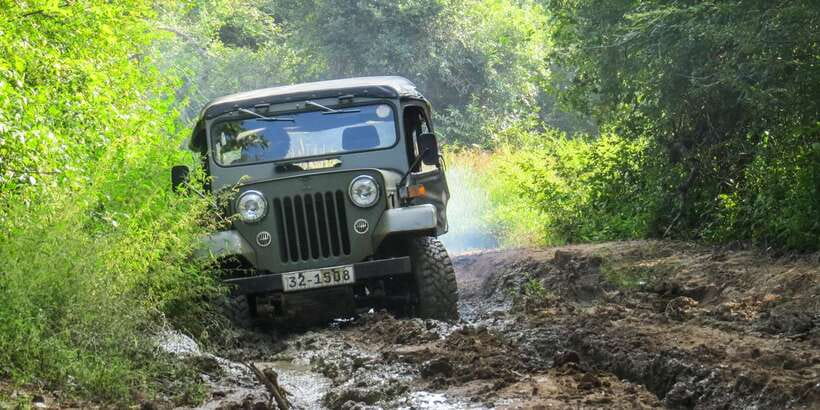
- Private 4×4 time for 3 hours inside Wasgamuwa, starting at the entrance gate
- Elephant herds are the main prize, with the best odds in Nov–May
- Water pools act like animal magnets for crocodiles, monitors, and lots of birds
- Dry-forest mammals you might spot include sambar, spotted deer, buffalo, and more
- English guide with an experienced driver, tuned for wildlife viewing stops
- Bring the basics (shoes, sunglasses, sunscreen) because it’s daytime and outdoors
Why Wasgamuwa is ideal for a short safari near Polonnaruwa
Wasgamuwa National Park sits close to Polonnaruwa, so it works well if you want wildlife without giving up your sightseeing time. In practice, that means you can pair ancient sites in the morning or afternoon and still get a real safari drive during the other part of the day.
What I like about Wasgamuwa is the park’s feel. You’re in dry tropical forest country, not a jungle trek where you hike into dense vegetation. You’re riding roads in a 4×4 and scanning open spots: tree lines, clearings, and those small water pools that bring wildlife right into view. That’s why a 3-hour format can still feel satisfying. You’re not chasing for days. You’re watching closely for the moments that matter.
Also, if you care about the full cast of animals, Wasgamuwa gives you more than just one big species. You have land mammals to look for, birds that show up in color and motion, and aquatic life around water. It’s a good park if you want variety without needing a long expedition.
Meeting at the entrance gate: your first hour starts fast
Your safari starts at the Wasgamuwa National Park entrance gate, and the whole point of a 3-hour private ride is momentum. You’re not waiting around for pickup timing inside a maze of tour offices. The start is straightforward, and you’re quickly in position to see what’s moving.
Once you’re driving, pay attention to how the vehicle’s stops guide your viewing. The best wildlife moments often happen when you’re patient for a few minutes in the right spot, then ready to move when activity shifts. Since this is a private group, you’re not trapped behind a long line of jeeps arguing over who gets the best angle.
If you’re the kind of traveler who likes to photograph, this first stretch is where you should set your rhythm. Keep your camera ready, but don’t crank up ISO and hope for miracles. In a safari vehicle you’re often shooting through gaps or at changing light, so steadier habits win.
And yes, you’ll hear the park as much as you’ll see it. Expect the background sound of crickets and birds while you ride. It’s one of those small details that makes the experience feel alive instead of just mechanical.
The dry-forest drive in a private 4×4 (and why it helps wildlife spotting)
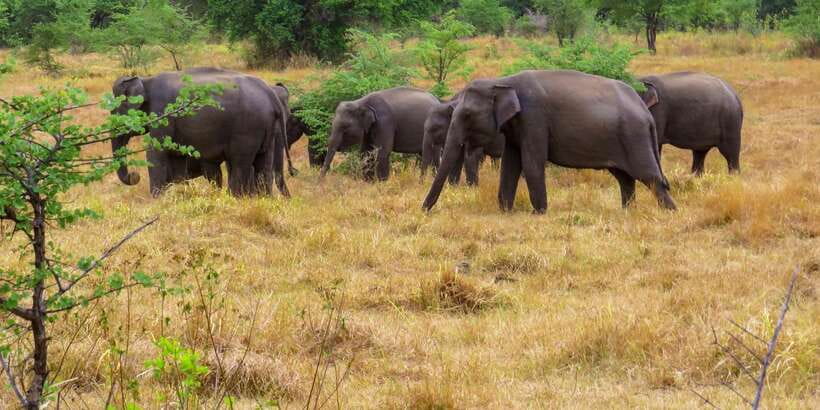
The ride itself is part of the value. A private 4×4 jeep means your driver can adapt the route to what’s actually happening that day. In wildlife viewing, conditions can shift fast: animals move between feeding and resting areas, and bird activity spikes around certain trees and water edges.
What you can realistically hope for is a mix of scanning and short waiting periods. Your driver is there to get you into viewing positions without wasting the whole time driving past possibilities. That’s especially important in a 3-hour safari, where every stop needs to pay off.
You might also find that the driving feels easier than some other regions. One of the big advantages of doing this in the central area is that the safari roads can feel manageable, which helps you stay focused on spotting rather than bracing for every bump.
This is also a good time to remember a simple rule: animals don’t show up when you’re frantic. If you see fresh tracks, droppings, or disturbed ground, that’s often the lead. Stay with it for a bit.
Elephant odds at Wasgamuwa: what “largest herds” really means
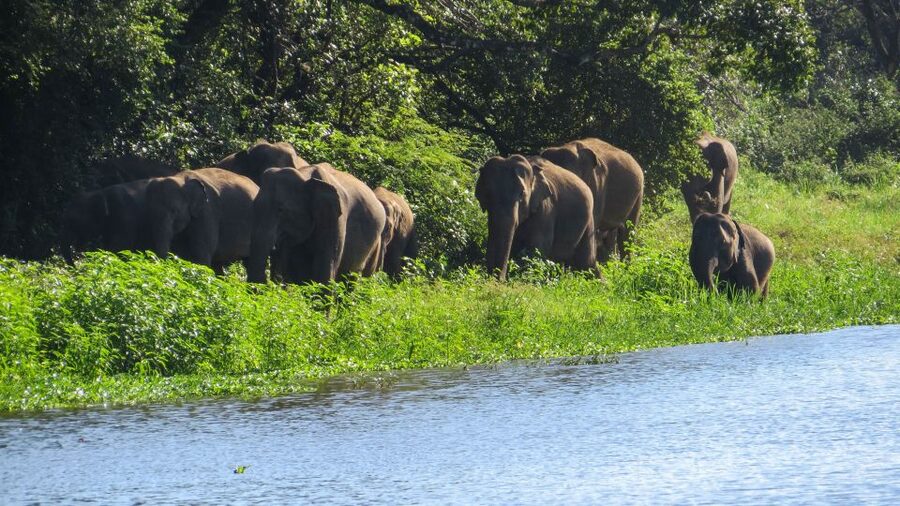
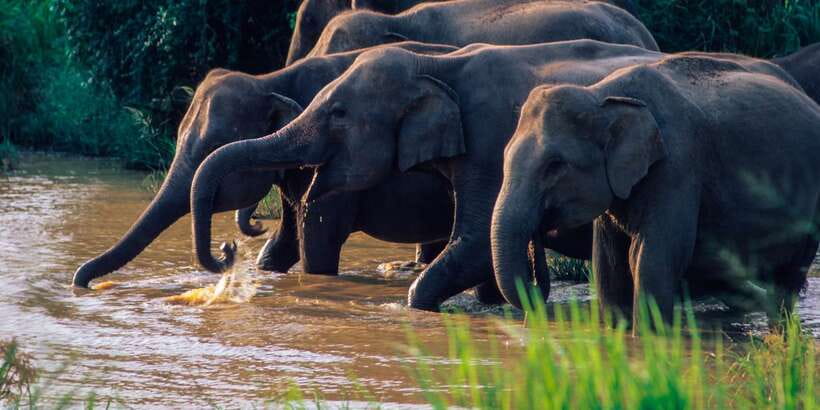
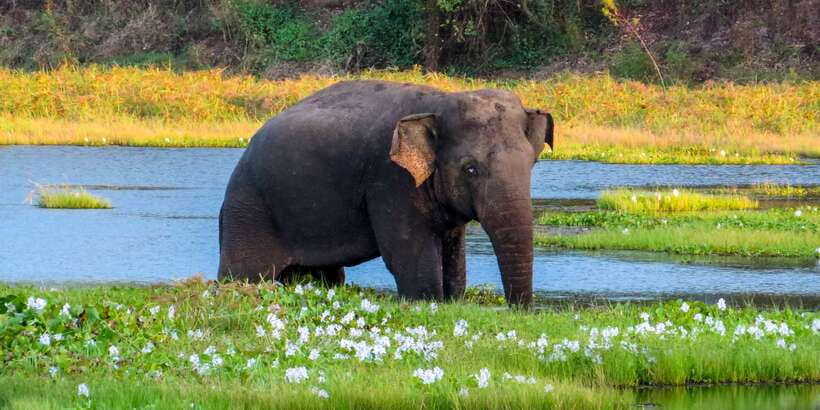
Elephants are the headline here, and the park is known for some of the largest herds of elephant in Sri Lanka. The real-world takeaway is that you’re not just looking for one lonely animal. You’re hoping for a group dynamic: mothers, calves, and the way a herd uses routes and water.
Timing matters. The best chance for larger herds is November to May. If your dates fall outside that range, you can still get elephants, but the frequency and herd size may vary.
When elephants do show up, watch behavior, not just size. A herd that is feeding may move slowly enough for you to settle in and get photos. A herd that is alert might angle toward cover. If you get close enough for good viewing, you’ll likely notice the calm logic of the herd: they shift positions, younger elephants test the edges of the group, and everyone keeps close enough to stay connected.
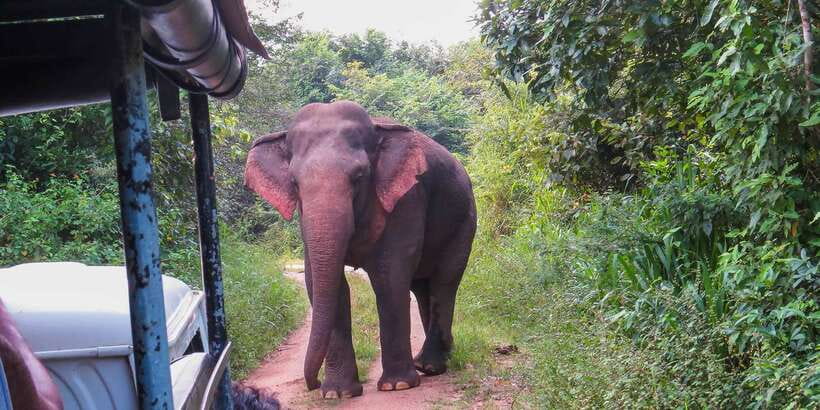
In terms of viewing style, you should expect a range. Sometimes elephants appear at a distance and you’ll work with heat shimmer and long-lens framing. Other times, you might be in position for very close sightings where you can see trunks, ears, and movement clearly. When that happens, it stops feeling like a checklist activity and starts feeling like a real encounter.
The land-mammal buffet: from deer to langurs to buffalo
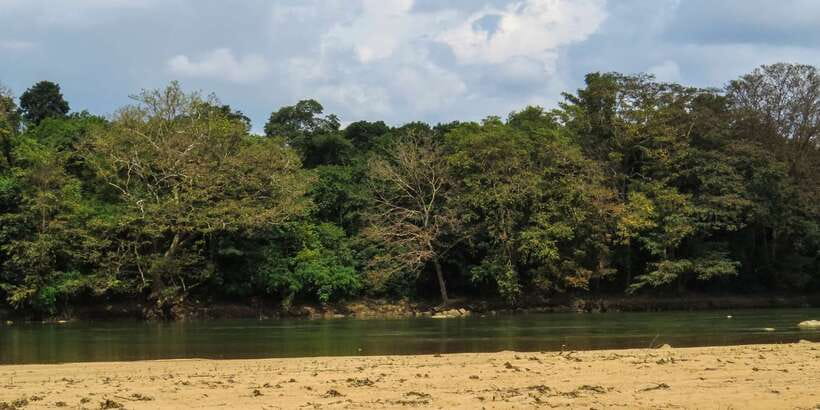
Wasgamuwa isn’t only elephants. The park can show you other mammals in the dry forest setting, and that’s where your interest in variety pays off.
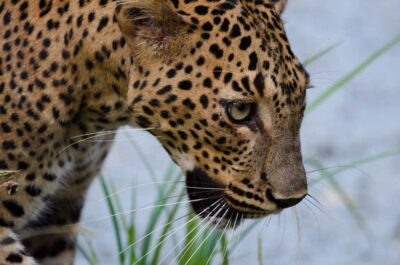
Some of the mammals you might spot include sambar, spotted deer, buffalo, wild boar, and predators or near-predators like leopard and sloth bear. You may also see purple-faced langur monkeys in the right trees, though it’s less about guaranteed sightings and more about being ready when they appear.
Endemic bird life is a bonus, too. The park is home to the endemic yellow-fronted barbet, and you may also catch other colorful species when the driver stops near the trees that hold feeding birds.
A tip that’s practical: when you’re scanning for mammals, don’t ignore the edges. Many animals move along the periphery of clearings or near denser lines of shrubs. If you only look straight ahead, you’ll miss the slow arrivals.
Also, if you’re using a phone for photos, switch off aggressive “beauty” modes. Safari light can be harsh and you want natural contrast. A simple approach helps you get usable shots when the action changes fast.
Birding moments you can actually enjoy in 3 hours
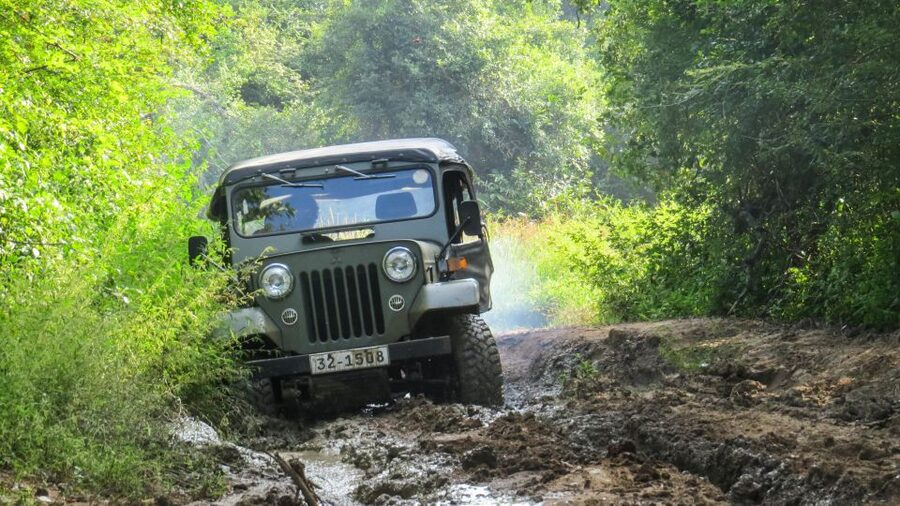
Birds can be easier to spot than mammals because they pause, perch, and display. In a 3-hour safari, birds are often what keeps your eyes busy between bigger sightings.
The park supports an impressive mix of land birds, and you might see everything from small perching species to larger raptors. One highlight you could get: eagles resting in a tree, where you get a chance to observe shape and posture rather than just a flash of wings.
If birds are your priority, look for patterns:
- trees near open ground
- areas near water pools
- places where the driver stops and then keeps the vehicle steady
The goal isn’t nonstop searching. It’s choosing a viewing spot and letting bird activity come to you.
And since your tour includes an English live guide, you’re not stuck guessing what you’re seeing. Even if the focus is wildlife first and explanations second, having someone keep an eye on the birds helps you notice details you might miss alone.
Water pools and aquatic life: where the action clusters
One of the smartest parts of a Wasgamuwa safari is the focus on small water pools scattered through the park. Water draws animals in the dry season, and it also attracts birds that feed near the edges.
This is where you might spot water monitor lizards, crocodiles, and even python-type sightings around the water areas. You may also see aquatic birds that use the pools for feeding or quick dips.
Practically, water-pool stops can be the most rewarding because they combine different kinds of wildlife in one view. You might watch a monitor while birds land nearby and then suddenly notice movement closer to the edge. It’s a good place to slow down and watch for patience-paying behavior: approach, pause, feed, and move.
If you’re focused on photography, water pools can be tricky because of glare and reflections. Try to shoot slightly angled rather than straight-on. Keep an eye on where the sun hits and adjust your position when the driver shifts you.
In short: if elephants are the headline, water pools are often the whole entertainment schedule.
Driver skill makes the safari, and you may meet Sajith or Radja
A private safari is only as good as the driver’s instincts, and here you’re getting an experienced driver and an English-speaking guide. That matters because wildlife timing is real. The difference between a decent sighting and a memorable one is often knowing when to stop, when to move, and when to let animals settle.
You might be with drivers such as Sajith, known for making multiple stops to show different animals and helping the group connect with elephants when the timing clicks. Another name you could hear is Radja, who has helped spot animals like crocodiles and a range of birds, including birds perched or resting in view.
Even if your guide is different from those examples, the pattern is what counts: they should work the route with a spotting mindset, not just drive you around and call it a day.
If English is your main language, you’ll appreciate having a live English guide. On safari, quick explanations about what you’re seeing can keep you from missing the key moment while you’re busy trying to identify species yourself.
Price and value: $27 for a private 3-hour wildlife session
At about $27 per person for a 3-hour private safari, this is a value play if you want real time with a driver inside the park. What makes it feel reasonable is what’s included: the experienced driver, the 3-hour safari, and taxes and service charges.
Two costs to keep in mind. Entrance tickets are not included, and meals aren’t included either. In practical budgeting terms, you might treat this as a safari service fee plus park access and your food plans before or after.
Is it worth it? If you’re traveling with just a couple of people or want the flexibility of a private group, the math often works better than you’d expect. You’re paying for time in the park with fewer distractions and better control over viewing stops.
Where it may not be the best fit is if you’re trying to squeeze in too many activities back-to-back. This is daytime outdoors. You’ll be more comfortable if you don’t plan another long trek immediately after. Build in downtime afterward so the safari doesn’t feel like another chore.
What to bring (and what not to) for a smoother safari
Keep your packing simple and practical. For this safari, bring comfortable shoes, sunglasses, and sunscreen. Those three cover most of the everyday discomfort: sun glare, uneven road conditions, and standing or shifting in the vehicle for better viewing.
Also note the rules:
- no pets
- no smoking
- no alcohol and drugs
Plan around food, too. There’s no breakfast, lunch, or dinner included. If you’re doing a morning safari, eat beforehand. If it’s an afternoon safari, you’ll want something in your day plan after. A quick meal plan can be the difference between enjoying wildlife calmly and feeling grumpy because your stomach is doing its own scouting mission.
And if you’re sensitive to pregnancy-related restrictions, this safari is not suitable for pregnant women, based on the activity notes.
Who this private safari fits best
I think this is a smart choice if you:
- want a short, high-focus wildlife experience
- prefer a private group over shared jeeps
- are near Polonnaruwa and want to add safari time without changing regions
- care about both elephants and bird life, plus the chance of reptiles near water
It’s also great for photographers because 3 hours is long enough to get multiple viewing angles, but short enough to adjust your camera settings without losing patience.
If you’re traveling with kids, you can still enjoy it, but the key is managing expectations. Some stops can be quiet and waiting-based. The payoff comes when the driver positions you well and the park delivers sightings.
If you’re chasing a strict, long list of animals on demand, no safari can promise that. What you can control is your attention, and a private setup helps you do that.
Should you book Wasgamuwa: the honest decision
Book it if your dates fall in Nov–May and you want a high chance at elephant herds, plus a real shot at birds and aquatic wildlife around water pools. The private 3-hour format is especially good if you’re already planning Polonnaruwa or Dambulla and don’t want to burn half a day traveling.
Skip or reconsider if you hate driving in daylight heat, you need guaranteed meals included, or you’re looking for a long guided walking experience instead of a jeep safari. Also, if the pregnancy restriction applies, this isn’t the right fit.
If you’re on the fence, my advice is simple: a focused safari like this is one of the easiest ways to add wildlife credibility to your Sri Lanka trip. The dry forest roads can feel calm, the elephant moments can feel unforgettable, and the water-pool stops often deliver the kind of “wait, did you see that” wildlife that makes a trip stick.
FAQ
How long is the Wasgamuwa National Park private safari?
It lasts 3 hours of safari time.
Where does the safari start?
You meet at the Wasgamuwa National Park entrance gate.
Is a guide included, and what language do they speak?
Yes. The tour includes a live guide in English.
Are entrance tickets included in the price?
No. Entrance tickets are not included.
Is breakfast, lunch, or dinner provided?
No meals are included. No breakfast, lunch, or dinner is provided on this tour.
Is this tour suitable for everyone?
It is not suitable for pregnant women, and pets, smoking, and alcohol or drugs are not allowed.