REVIEW · BOZEMAN
Private Lower Loop Tour of Yellowstone National Park
Book on Viator →Operated by Obsidian Expeditions · Bookable on Viator
Yellowstone is one of those places that feels impossible until you’re there. This private Lower Loop tour strings together the park’s best geothermal scenes and wildlife zones in one long, well-paced day. You also get a local guide who can read the park in real time, then point you toward what’s worth your time.
I especially like that you’re not stuck with a bus schedule. You get Vortex spotting scopes and binoculars, plus time at the prime wildlife meadows and river corridors. And I like the food setup: breakfast snacks, lunch (salad, sandwich, or wrap), bottled water, and more snacks keep you fueled without detours.
The main drawback to plan for is that this is a full day outdoors with some walking on trails and boardwalks. If your pace is slow or you need long sit-down breaks, you’ll want to bring that up early so your guide can adjust the stops.
In This Review
- Key highlights at a glance
- A private Yellowstone day that starts in Bozeman
- Choosing the right loop: Lower Loop hits big icons
- Getting around: 4WD van, spotting scopes, and smarter timing
- The Lower Loop itinerary, stop by stop
- Yellowstone National Park (Lower Loop foundation)
- Gibbon Falls: quick waterfall reset
- Norris Geyser Basin: Yellowstone’s geothermal chaos
- Grand Canyon of the Yellowstone: big canyon time
- Hayden Valley: where wildlife odds get real
- Sulphur Caldron: steam, sulfur smell, and boardwalk time
- Yellowstone Lake: big water, calmer pace
- West Thumb Geyser Basin: geothermal on the lake edge
- Old Faithful: the iconic eruption moment
- Grand Prismatic Spring: color first, scale always
- Fountain Paint Pot: mud pots and color textures
- Meals and comfort: included food that keeps the day enjoyable
- Wildlife viewing without the guesswork
- Price and value for $450 per person
- Who should book this Lower Loop tour
- Should you book the Private Lower Loop Tour?
- FAQ
- How long is the Lower Loop tour?
- Where does the tour start and is pickup available?
- Is this a private tour?
- What food and drinks are included?
- Are Yellowstone park entry fees included?
- Which major stops are included on the Lower Loop?
- Does the tour include spotting gear?
- What if weather is poor?
Key highlights at a glance
- Private day with customization options between Lower Loop, Upper Loop, or a full Grand Loop style outing
- Wildlife-focused stops like Hayden Valley for bison and other animals, guided with spotting gear
- Major geyser and hot spring hits including Old Faithful, Grand Prismatic Spring, West Thumb, and more
- A pro guide team with avalanche safety, CPR, and Wilderness First Aid certifications
- Food included with a light breakfast snack setup and a lunch you can choose
- 4WD transportation in a Chevy Suburban or Ford Transit van from Bozeman, with pickup available
A private Yellowstone day that starts in Bozeman
Most Yellowstone plans feel like a math problem: drive times, parking, and crowds, all fighting for your attention. This one starts with you in Bozeman and ends back there, with private transportation handled in a 4WD Chevy Suburban or Ford Transit van. That matters because Yellowstone is spread out, and spending less time negotiating roads usually means more time looking at the real stuff.
This tour is designed for a single group, not a rotating mix of strangers. That privacy is great when you want flexibility, like lingering at a viewpoint because the light changed, or moving faster when the day is running long.
You’ll get a mobile ticket at booking time, and the tour runs in English. If you’re planning around mobility needs or a slower pace, the best move is to mention it up front so the guide can keep the day realistic.
You can also read our reviews of more tours and experiences in Bozeman.
Choosing the right loop: Lower Loop hits big icons
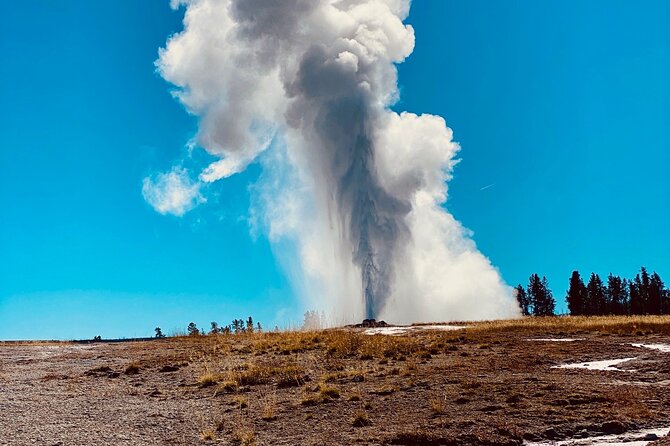
The Lower Loop is the route built for the classic Yellowstone checklist, but with enough time at each stop to actually enjoy it. You’ll cover a cluster of geothermal wonders and wildlife zones, including Old Faithful, Grand Prismatic Hot Spring, Yellowstone Lake, and the Grand Canyon of Yellowstone area.
If you’re also thinking about the Upper Loop later, it helps to know what you’re trading. The Upper Loop route goes toward places like Lamar Valley for stronger odds at bison and other wildlife, plus Mammoth Hot Springs. The tour you’re reading about is about the Lower Loop, and it leans hard into geysers, hot springs, and famous scenery moments.
If you want the best balance of geothermal wow and wildlife chances in one shot, the Lower Loop is a smart pick for many first-timers. It’s also a good option when you only have one day and you want the biggest hits without cutting too much.
Getting around: 4WD van, spotting scopes, and smarter timing
Transportation is in a spacious 4WD Chevy Suburban or Ford Transit van, and pickup is offered if you’re in the right area. For Yellowstone, that’s not just comfort. It’s also about timing—your guide can position you for the best viewing window and keep transitions efficient.
One of my favorite practical touches is the Vortex spotting scopes and binoculars included with the tour. Hayden Valley is a good example of why this matters: you’re often looking across distance to catch movement. When you can zoom in without sharing gear with a crowd, the wildlife experience improves right away.
Your guide also brings safety coverage with current avalanche safety, CPR, and Wilderness First Aid certifications. That doesn’t mean the day is dramatic—it just means you’re traveling with someone who takes the environment seriously.
The day runs long (about 10 to 12 hours), and you’ll be outside a lot. Even with stops timed for walking and viewing, you’ll feel the pace. Bring layers, water, and an honest expectation: this is a tour that moves, not a sightseeing slideshow.
The Lower Loop itinerary, stop by stop
Below is what you can expect, including what each stop is good for and what to watch for. The order can shift depending on conditions, but the flow is built around geothermal intensity and wildlife viewing.
Yellowstone National Park (Lower Loop foundation)
You start with time inside Yellowstone National Park, with the overall tour built around the Lower Loop highlights. This is where your guide sets the tone, explains what you’re going to see, and helps you understand how Yellowstone’s geothermal system shapes what you’ll notice later.
This first segment is also where your guide can suggest tweaks, especially if you’re deciding between Lower Loop only or a bigger Grand Loop style day. If weather or road timing shifts, you’ll feel it most at the start—so it’s nice to be flexible from the first meeting.
Gibbon Falls: quick waterfall reset
Next up is Gibbon Falls for about 30 minutes. The best use of this stop is simple: photography, a slow walk for viewpoints, and a chance to break from the longer boardwalk routes later.
This is also a good wildlife-style pause. The area along the Gibbon River can offer deer and birds if you move quietly and look beyond the main feature.
Norris Geyser Basin: Yellowstone’s geothermal chaos
You’ll spend about 30 minutes at Norris Geyser Basin, one of the park’s geothermal heavyweights. The feature here is how active and changeable the area feels, with trails leading past geysers, hot springs, and fumaroles.
You’ll hear about Steamboat Geyser, known as the tallest active geyser in the world. Even if you don’t catch a major eruption, the visual texture of steaming vents and mineral colors makes the stop worth it.
Practical note: geothermal areas can be steamy and slippery. Stay on the path, and keep your phone handy for photos but your eyes on where you’re walking.
Grand Canyon of the Yellowstone: big canyon time
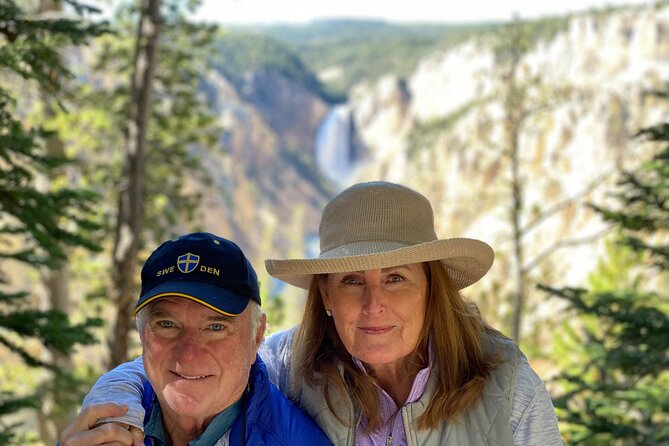
Then it’s about 1 hour 30 minutes at the Grand Canyon of the Yellowstone area. This is a slower, longer stop designed for views and photos without rushing you through.
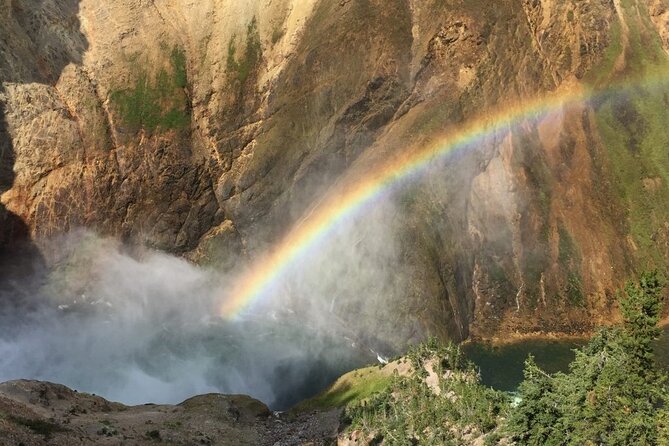
Compared to the more scientific, close-up geothermal basins, the canyon area is where you’ll appreciate scale. Look for color changes across the rock and how water patterns or mist shift during the day.
Hayden Valley: where wildlife odds get real
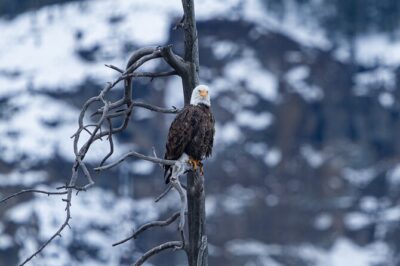
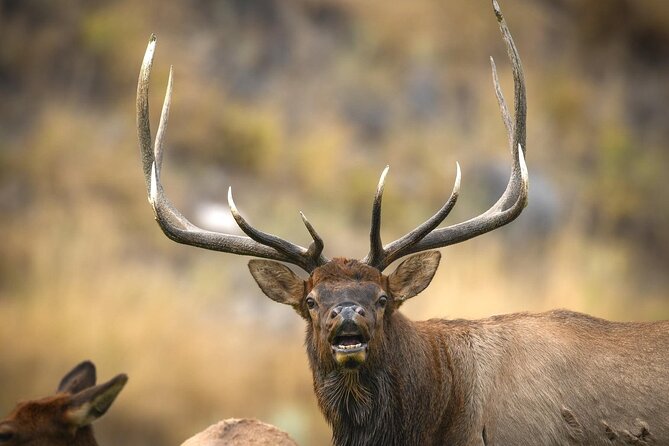
Hayden Valley is one of the best places on the Lower Loop for wildlife viewing, with about 1 hour here. It’s known for meadows and rivers that can hold herds of bison grazing peacefully, and it can be a good spot for grizzlies, elk, and lots of birds.
Even when you don’t see a predator, Hayden Valley usually delivers something: a bison photo, a bird in flight, or a distant animal silhouette. Having binoculars and scopes makes a big difference, especially if you’re waiting for movement far out in the valley.
If you want sharper wildlife viewing, stay patient. Your guide will watch for activity and time your viewing so you’re not just waiting blindly.
Sulphur Caldron: steam, sulfur smell, and boardwalk time
At Sulphur Caldron, you’ll have about 30 minutes. This stop focuses on bubbling, sulfuric hot springs and that distinct sulfur odor that tells you you’re close to real geothermal action.
The area is explored via boardwalks, so this is often easier physically than a rougher trail day. You’ll also learn what’s happening geologically while watching the steam and bright mineral colors.
Wildlife can show up around geothermal features, too. Birds and small mammals are possible, and the guide can help you keep your eyes on the right spots without losing your chance to look at the main features.
Yellowstone Lake: big water, calmer pace
You’ll get about 1 hour at Yellowstone Lake, which is the largest high-elevation lake in North America. This is your calmer mid-tour stop, where you can take in mountain views, do a gentle shoreline walk, or use nearby viewpoints for photos.
The lake area also supports waterfowl and sometimes otters. If the day feels packed, this is the kind of stop that lets you breathe and reset your eyes.
West Thumb Geyser Basin: geothermal on the lake edge
Next is West Thumb Geyser Basin for about 45 minutes. This geothermal area sits right along Yellowstone Lake, so you get both hot spring visuals and open water views in the same frame.
You’ll see colorful hot springs and bubbling geyser areas, including the Bluebell Pool and Black Pool. The boardwalk trails make this a structured walk, and the lake backdrop helps when you’re taking photos.
Wildlife is possible here as well, including moose and birds. Again, this is where your guide’s “look first, shoot later” approach pays off.
Old Faithful: the iconic eruption moment
Old Faithful is next, with about 2 hours at the main area. It’s famous for predictable eruptions, and that reputation is why you’ll likely find it worth building your day around.
The longer time block matters. It gives you time to watch the eruption, then linger around nearby geothermal features at a pace that doesn’t feel like a sprint. There’s also a visitor center nearby with educational exhibits, which helps if you want context about how Yellowstone’s geothermal system works.
If you’re the type who likes a little learning with your photos, this is a strong stop.
Grand Prismatic Spring: color first, scale always
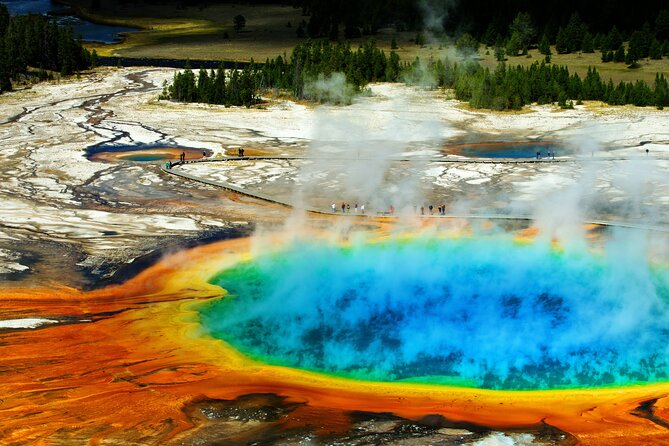
At about 1 hour, Grand Prismatic Hot Spring is a must-see on the Lower Loop. Boardwalks bring you close enough to appreciate the vivid colors and the sheer size of the feature.
This stop rewards slow looking. If you rush, you miss the way colors shift with steam and light. If the weather is clear, you’ll likely get better panoramic shots from elevated trail viewpoints nearby.
Fountain Paint Pot: mud pots and color textures
Last on the geothermal run is Fountain Paint Pot for about 30 minutes. This area is known for bubbling mud pots, steaming fumaroles, and vibrant hot spring colors.
You can expect boardwalks and trails that show you how geothermal activity creates changing textures on the ground. Wildlife sightings like bison and birds can happen in the wider area, but this stop is mainly about geothermal form and color.
Meals and comfort: included food that keeps the day enjoyable
A full-day park tour can turn miserable fast if you’re hungry and searching for snacks. Here, you’ll get bottled water, breakfast light snacks, and a lunch you get to choose from (salad, sandwich, or wrap), plus additional snacks.
In practice, that means you can stay focused on the day rather than spending time thinking about food logistics. Yellowstone days can run long, and having consistent fuel is the difference between enjoying the last stops and feeling cranky.
You’ll also be outside for most of the day, so dress smart. Even in warmer months, geyser basins and lake areas can feel cooler with steam and shade. Layers are your friend, and comfortable shoes help on boardwalks and trails.
The tour is listed for moderate physical fitness. That usually means you don’t need to train for Everest, but you should be able to walk and stand for periods of time, including short stretches on foot and boardwalk segments.
Wildlife viewing without the guesswork
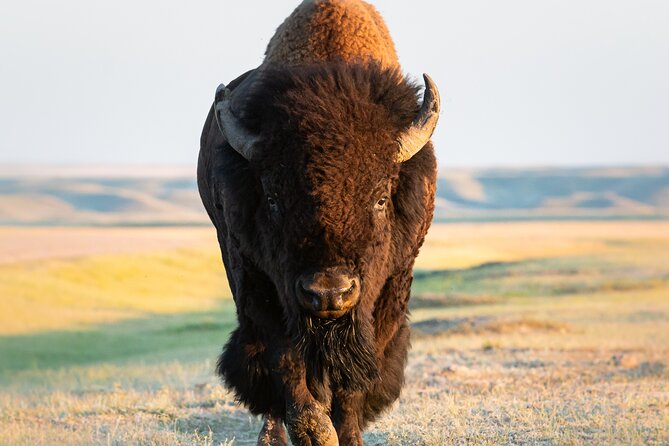
Yellowstone wildlife is never a guarantee, and your guide isn’t going to promise sightings. But this itinerary is built around places with strong odds, and you’re equipped to actually use those locations.
Hayden Valley is the big example: it’s known for bison and can also produce elk and grizzlies. The tour also includes other areas where wildlife can appear near waterways and geothermal basins.
My advice: don’t treat wildlife like a checklist. Treat it like a timed observation sport. When your guide stops the vehicle and tells you where to look, you’re already in the right moment. Take the advice, then settle in with binoculars instead of constantly relocating.
If you care about photography, you’ll get more consistent results by staying still and waiting for animals to move rather than trying to walk and shoot at the same time.
Price and value for $450 per person
At $450 per person for a 10 to 12 hour private tour, this isn’t a budget option. But it can be good value depending on how you travel and what you’d otherwise pay and manage yourself.
Here’s what you’re paying for, based on what’s included:
- Private guide with safety certifications
- 4WD transportation from Bozeman with pickup options
- Spotting scopes and binoculars
- Bottled water, breakfast snacks, snacks throughout
- Lunch (salad, sandwich, or wrap)
- Use of a mobile ticket system
The big extra you’ll need to plan for is park entry fees, which are not included. You’ll also likely want to budget gratuity, since an optional 15% is recommended.
So the real math is this: if you’re trying to do a one-day Yellowstone plan with minimal stress, included meals, and the right gear, the price starts to make sense. If you’re a car-crowd type who wants to drive and wing it, you’ll likely spend less by doing it yourself. But you’ll also spend more time solving logistics, and you may miss the spots where a guide’s timing makes the biggest difference.
Who should book this Lower Loop tour
This is a strong fit if:
- you want a private Yellowstone day with less driving chaos
- you like geothermal sights and want the big names, not just one basin
- you care about wildlife viewing with scopes and a guide calling the shots
- you want included food because you’re on a tight schedule
It may be less ideal if:
- you’re very limited in walking or standing time and need frequent long rests
- you want a relaxed, no-rush day with minimal stops
- you’re counting pennies and are comfortable doing Yellowstone logistics on your own
If you want to learn while you go, the guide style is clearly geared toward explanation. One guest experience highlighted Mark for making the day feel perfect and sharing history, wildlife info, and practical weather tips. Another mentioned Nate for being accommodating and knowledgeable in the best way: the day flowed smoothly, and questions got real answers. And Lisa showed up in the booking support side by helping get people ready for what to expect, including support for mobility needs.
Should you book the Private Lower Loop Tour?
I’d book it if you want Yellowstone’s biggest geothermal hits and you value a guide who can manage timing, wildlife viewing, and the hard-to-plan parts of a one-day route. The private nature, the included spotting tools, and the meal plan make the day feel smoother than DIY.
If you have flexibility and want to see everything, ask about combining loops for a bigger Grand Loop style approach. If your priority is fewer surprises and maximum enjoyment, this Lower Loop plan is built for exactly that.
Just go in planning for a full outdoor day, bring layers and comfortable shoes, and let the guide do the navigating. Yellowstone rewards attention, and this tour gives you the tools to pay it.
FAQ
How long is the Lower Loop tour?
It runs about 10 to 12 hours, depending on conditions and how the day flows.
Where does the tour start and is pickup available?
The tour starts in Bozeman, MT, and it ends back at the meeting point. Pickup is offered, and you can request pickup from a location not listed in the overview by calling.
Is this a private tour?
Yes. This is a private tour/activity, and only your group participates.
What food and drinks are included?
You’ll get bottled water, breakfast light breakfast snacks, lunch (salad, sandwich, or wrap), and additional snacks.
Are Yellowstone park entry fees included?
National Park entry fees are not included. You can buy before your visit or upon entry (listed as $20 per person or $80 for up to 4 people).
Which major stops are included on the Lower Loop?
Key Lower Loop stops include Old Faithful, Grand Prismatic Hot Spring, Yellowstone Lake, West Thumb Geyser Basin, Fountain Paint Pots, Sulphur Caldron, Hayden Valley, Norris Geyser Basin, Gibbon Falls, and the Grand Canyon of the Yellowstone area.
Does the tour include spotting gear?
Yes. You’ll use professional-grade Vortex spotting scopes and binoculars.
What if weather is poor?
This experience requires good weather. If it’s canceled due to poor weather, you’ll be offered a different date or a full refund.