REVIEW · OLGIY
Mongolia Trekking Tour in the Altai Tavan Bogd National Park
Book on Viator →Operated by Dauren · Bookable on Viator
Few places feel this remote and planned. This 10-day Altai Tavan Bogd trekking tour from Olgii is a well-run way to see big Altai scenery, and I especially like the camel-borne baggage plan plus time with nomadic Tuvan and Kazakh families. One thing to consider: you’ll do long drives between valleys, and you may end up crossing rivers in very basic conditions (sometimes barefoot or by jumping), so this is not a flip-flop kind of trip.
The route hits the national park’s standout regions without wasting days. Expect an English-speaking guide, a local offroad driver, and a personal expedition cook, plus camp nights that put you close to glacier views, white-river valleys, and high passes. It’s priced as a premium private experience (the operator lists Dauren as the provider), and past feedback has been strong, with an overall rating of 4.8 from a small number of bookings.
In This Review
- Key highlights worth planning around
- Altai Tavan Bogd’s “why you’re here” factor
- Olgii arrival and the first long drive into the Altai
- Your first camp trek: Base Camp views of Mt Khuiten and Potanin glacier
- Malchin Peak: a border-line climb that doesn’t need technical gear
- White River valley trekking and Tuvan family culture in Black Valley
- Bear Valley via Takhilt Pass: the toughest natural obstacle day
- Meet the driver, then swim and hike: Biluu Hill and Khoton Lake
- Kazakh eagle hunter family night and Waterfall Valley hiking
- Heading back to town: Hovd Valley break and farewell dinner
- Price and value: what $2,300 is really buying
- What to pack for this Altai trek (based on the actual demands)
- Fitness level: moderate works, but passes and fords will test you
- Who should book this trekking route from Olgii
- Should you book the Altai Tavan Bogd 10-day trek?
- FAQ
- FAQ
- How long is the Mongolia Trekking Tour in Altai Tavan Bogd National Park?
- Where does the tour start, and when does it begin?
- Is this tour private?
- Who carries the luggage during the trekking days?
- Do I need special climbing gear for Malchin Peak?
- What meals are included?
- What’s the cancellation policy?
- Are alcohol and flights included?
Key highlights worth planning around
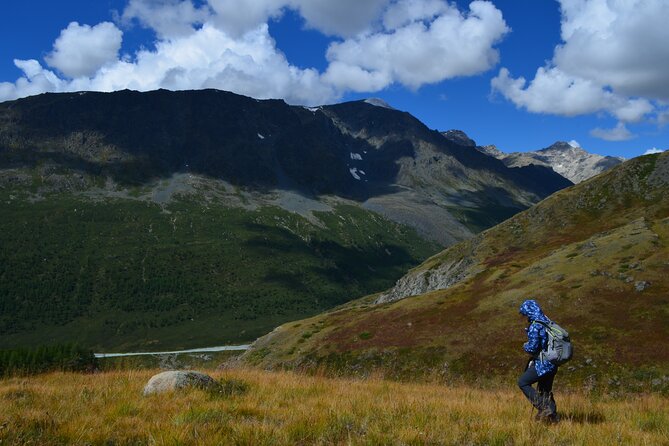
- Camel support for your kit: your main baggage and camping equipment ride while you pack only essentials.
- Glacier and peak views early on: Base Camp sets the tone with Mt Khuiten and the Potanin glacier.
- Malchin Peak on the Russia–Mongolia line: a rugged summit effort without special climbing gear, just solid boots.
- Culture days in Tuvan and Kazakh home settings: shaman traditions with Tuvan families, plus yurt life with Kazakh eagle hunters.
- Bear Valley access via Takhilt Pass: dramatic terrain, plus river crossings with no bridges.
- Khoton Lake and waterfall scenery: a mix of hikes, a swim break, and big “end-of-trail” views.
Altai Tavan Bogd’s “why you’re here” factor
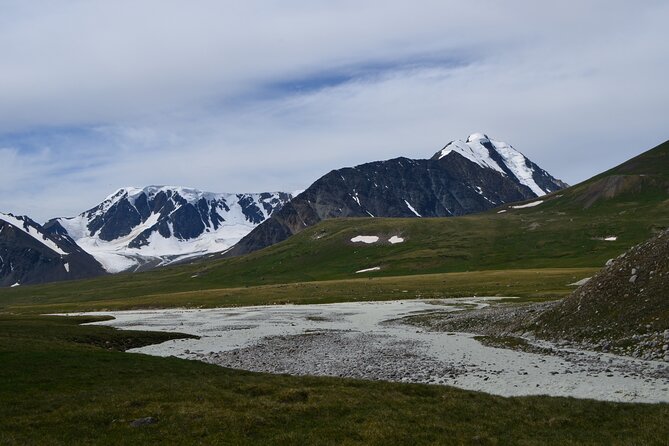
Altai Tavan Bogd National Park is western Mongolia at full altitude. You’re not touring museums or hopping from city to city. Instead, you’re moving through named valleys—White River, Black Valley, Bear Valley, Waterfall Valley—where the scenery and the people both feel specific to place.
What I like about this tour style is how it balances the dramatic stuff (glaciers, passes, and peak panoramas) with grounded human contact. You get trekking days, then you get invited into nomadic life with Tuvan and Kazakh herding families. If you want Mongolia that feels lived-in rather than staged, this route is built for that.
Olgii arrival and the first long drive into the Altai
Your experience starts in Olgii, where you’ll be welcomed at the airport by the local support team. The same day includes a roughly six-hour drive toward Altai Tavan Bogd National Park, using a local vehicle suited to remote roads.
You’re not asked to rush straight into a strenuous day. You’ll arrive, set camp, and prepare for trekking. Practically, this matters because the Altai can feel physically demanding even on day one. Mentally, it helps too—you go to sleep already surrounded by mountains instead of spending your first evening in transit stress.
Your first camp trek: Base Camp views of Mt Khuiten and Potanin glacier
After breakfast, you pack lightly for the hike. A big perk here is that your baggage and camping equipment are transported by camels, so you can focus on what you actually need: lunchbox, water, a waterproof jacket, and trekking essentials.
Then you hike up to Base Camp. This is where you’re meant to slow down and take in the panorama: the Mt Khuiten viewpoint plus the Potanin glacier. Even if you’re not the type who stares at maps for fun, you’ll quickly understand why this park is so famous. The view is the point, and Base Camp is where you see enough sky and rock to feel the scale.
What to watch for: weather. The route is high enough that waterproof layers and secure footwear aren’t optional. You’re also camping, so you’ll want to be comfortable with basic outdoor sleeping conditions.
Malchin Peak: a border-line climb that doesn’t need technical gear
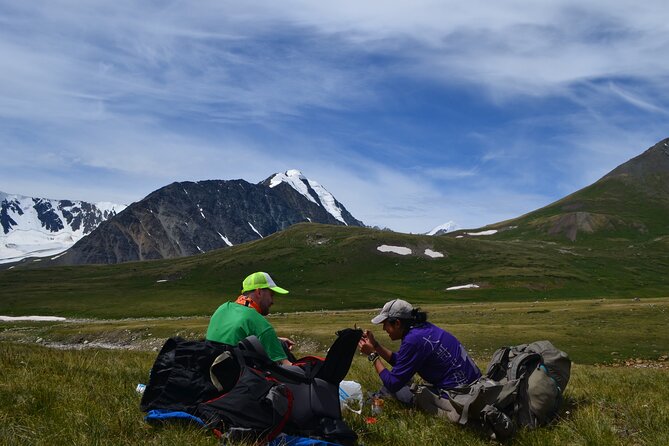
One of the tour’s standout days is the climb to Malchin Peak. It’s a favorite because it sits on the boundary between Russia and Mongolia, so the summit has both dramatic altitude views and a strong sense of place.
The hike to the top takes about six to seven hours. The good news: you don’t need special climbing gear. The key requirement is waterproof hiking boots with good traction, because you’ll find snow near the top and mostly rock along the rest of the route.
The likely trade-off is simple: it’s a long, steady push. Plan for time on your feet and for wind or cold at higher elevations. If you pace well and keep your footing firm, this is exactly the kind of day that turns a trek into a memory.
White River valley trekking and Tuvan family culture in Black Valley
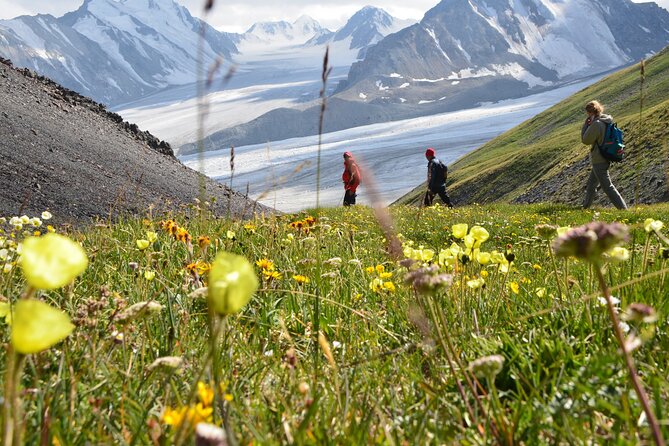
After Malchin, the tour shifts back toward lower effort, which is smart. You trek back toward the national park entrance on a more beautiful route along the White River. The river’s color is pale due to mineral dust, and it’s not drinkable—so you’ll rely on drinking water provided and managed through the guide’s plan.
Then comes Khar Salaa, meaning Black Valley. The name isn’t just poetic; it signals how different these valleys feel side by side. This area is home to nomadic Tuvan people, who have their own language and culture and are known for shamanism beliefs and rituals.
You’ll visit a Tuvan family. This is the kind of cultural stop that works best when you’re calm, curious, and ready for conversations rather than checklists. Expect it to feel like a genuine day with people who live the rhythm of herding and seasons, not a quick photo-and-go interaction.
Bear Valley via Takhilt Pass: the toughest natural obstacle day
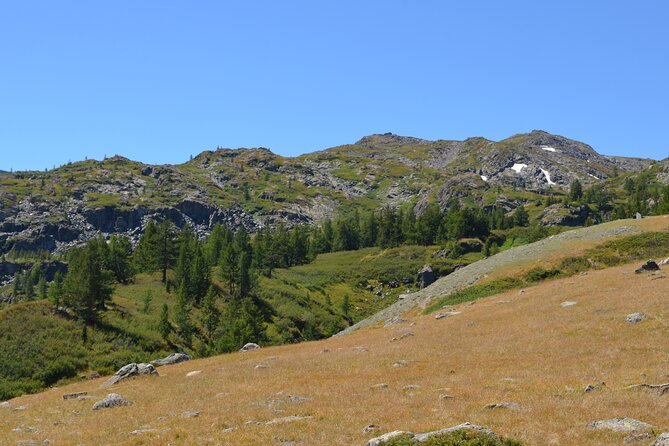
If you’re looking for the most intense terrain on the trip, it’s the Bear Valley approach. The Bear Valley is only accessible a couple of months each year, which tells you straight away that the route is seasonal and conditions matter.
To get there, you pass over the highest Takhilt Pass. Trails here are steep and high, and then you descend toward the Bear Valley. Along the way, there are several rivers to cross. There’s no bridge, so the options are barefoot crossing or jumping a long way—your guide will choose the safest method.
This is the day where trekking readiness matters most:
- sturdy boots and dry socks help a lot (even if you can’t control weather),
- and your attitude has to be practical, not fragile.
If you’re mentally prepared for a bit of wild improvisation, you’ll likely love this day the most. It’s raw Altai travel at its real difficulty level.
Meet the driver, then swim and hike: Biluu Hill and Khoton Lake
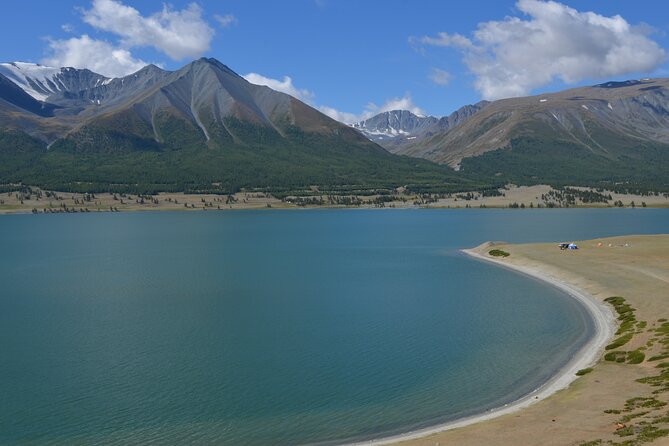
After the Bear Valley hiking, you meet the driver at the end of the valley. Then it’s about a two-hour drive to a calmer spot where you can enjoy swimming.
Later, you climb Biluu hill for surrounding views. Then the highlight arrives: Khoton Lake, described as a pure mountain lake with an amazing view. This is one of those moments where the trek energy settles into something quiet. You’ve earned it.
This is also a good day to remember that not every best moment is at a summit. Sometimes it’s the lake, the swim, and the chance to catch your breath.
Kazakh eagle hunter family night and Waterfall Valley hiking
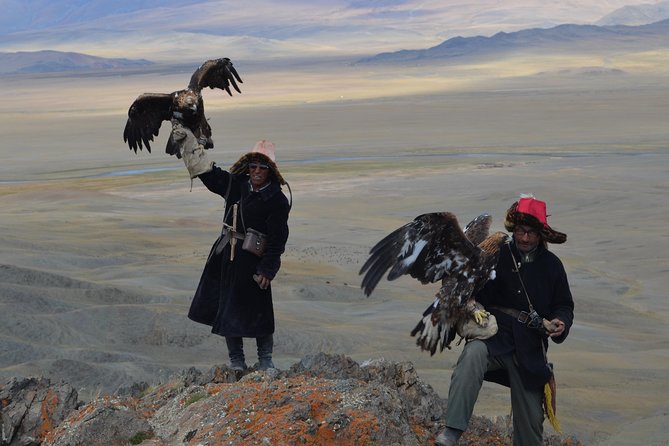
Another strong culture and scenery blend day comes when you migrate after lunch. It’s about a half-hour drive to the next place, and you’ll meet a nomadic Kazakh eagle hunter’s family.
This is your yurt stay night. You’ll be a guest of the family and you’ll have time to explore traditions. If you’re traveling with respect—helping when appropriate, asking questions patiently, and accepting that daily life is the daily life—yurt nights can be one of the best ways to understand how people survive and thrive in the Altai.
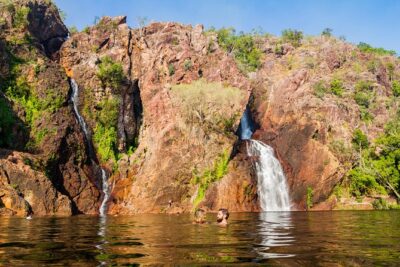
In the afternoon, you hike in Waterfall Valley for about three hours. Waterfalls plus a wide valley setting makes for a scenic walk that feels like a payoff from earlier pass days. Then you return to the family and settle into the slower rhythm of the evening.
Heading back to town: Hovd Valley break and farewell dinner
After days of trekking and camping, the return drive becomes a kind of reset. You drive back to the province center through endless Altai Mountains, with a lunch break in Hovd Valley.
That night you stay in a hotel in the middle of town. You end with a farewell dinner at a local restaurant, which is a nice way to close the loop: from wild valleys to a warm room, then shared food.
Day 10 is simply the end of service and saying thanks for coming. It’s a clean wrap, not a forced last-minute scramble.
Price and value: what $2,300 is really buying
At $2,300 per person for roughly 10 days, this is not a budget trek. But the price makes more sense when you look at what you’re getting:
- Private group experience: it’s a private tour/activity, so your time isn’t controlled by other people’s pacing.
- Transport that fits the region: you have a local driver and private vehicle for the long drives between valleys.
- Park costs are covered: national park fees are included.
- Food coverage is planned: breakfast (9), lunch (9), and dinner (9) are included across the trip.
- Expedition support is real: driver/guide, a local guide, and an expedition cook are included.
Also, camel support for baggage is a practical value add. It reduces the weight you carry, which can mean fewer injuries and more enjoyment. If you’ve tried to trek with a heavy pack on rocky terrain, you already know how much this matters.
The main “cost you pay” is your effort. This is a trip for people who want the Altai on foot, not people who want everything to be flat and easy.
What to pack for this Altai trek (based on the actual demands)
The tour data is pretty direct about gear needs, and I’d trust it.
Bring:
- waterproof hiking boots (especially for the Malchin climb),
- a waterproof jacket,
- a small water plan (the White River is not drinkable),
- and a light day pack or lunchbox setup for trekking days.
Even if you’re experienced, treat this as a weather trek. You’ll move through snow-adjacent areas and river crossings that can soak you quickly. If you have quick-dry socks or a spare pair you’re willing to carry, you’ll be glad later.
For cultural days, smart casual is the dress code. That doesn’t mean formal clothes for the whole time—just be ready to look respectful during family visits and in town.
Fitness level: moderate works, but passes and fords will test you
The trip calls for moderate physical fitness. That’s a good match for most people who can handle multi-hour hikes and uneven terrain.
But here’s the honest part: the Bear Valley route includes steep high trails over Takhilt Pass and river crossings without bridges. The Malchin climb takes six to seven hours. These aren’t “short and sweet” hikes.
What helps is a steady pace. If you walk like you’re trying to arrive, not sprint to prove something, you’ll do much better. And listen to your guide when water crossings are involved—this is where safety choices matter more than bravery.
Who should book this trekking route from Olgii
This tour fits best if you:
- want a well-planned western Mongolia trek that includes the national park highlights,
- like meeting nomadic families (Tuvan and Kazakh) and learning through shared time,
- can handle camping and long travel days between valleys,
- and want private pacing with a guide-led route.
It may not fit if you:
- want a fully paved, low-effort nature walk,
- dislike cold/wet weather conditions,
- or are uncomfortable with river fords and rough terrain.
If you fall into the middle—adventurous, but not reckless—this is exactly the sweet spot.
Should you book the Altai Tavan Bogd 10-day trek?
I’d book it if you want real Altai scale plus real people time, and you’re comfortable with the physical realities of passes, snow near peaks, and river crossings. This isn’t a tour where the scenery is only a postcard. You’ll be hiking to earn those views—then living in yurts and camps long enough to feel the rhythm of the region.
Before you commit, check your boot comfort and your ability to stay steady for long hike hours. If that part is good, the payoff is strong: glacier panoramas, border peak views, Bear Valley wilderness, Khoton Lake calm, and nights with nomadic Kazakh eagle hunters.
FAQ
FAQ
How long is the Mongolia Trekking Tour in Altai Tavan Bogd National Park?
It’s listed as 10 days approximately.
Where does the tour start, and when does it begin?
The experience starts in Olgii, with a start time of 8:00 am. You’re welcomed at the airport by the local support team.
Is this tour private?
Yes. It’s described as a private tour/activity, so only your group participates.
Who carries the luggage during the trekking days?
Your baggage and camping equipment are transported by camels. You carry only essentials such as a lunchbox, water, and a waterproof jacket.
Do I need special climbing gear for Malchin Peak?
No special climbing gear is required. The guidance specifically highlights the need for good waterproof hiking boots.
What meals are included?
Breakfast (9), lunch (9), and dinner (9) are included as per the itinerary.
What’s the cancellation policy?
Free cancellation is available up to 24 hours in advance for a full refund. If you cancel less than 24 hours before the start time, the amount paid is not refunded.
Are alcohol and flights included?
Alcoholic drinks are not included (they’re available to purchase). Domestic flight tickets are also not included.