REVIEW · SAURAHA
Mission Tiger, 4 days tour inside Chitwan National Park.
Book on Viator →Operated by The Chitwan Tiger Guide Service And Mini Library · Bookable on Viator
Chitwan is a tiger story you can actually follow. This Mission Tiger tour takes you through Chitwan National Park with jungle guides, full meals, and a jeep safari built around wildlife sightings, especially Bengal tigers. I love the fact that your days mix jungle walking (where you get close to tracks and birdlife) with a jeep safari day (where you can cover more ground). The one real drawback to plan for: tigers are wild animals, so sightings are never guaranteed even with expert help.
For 4 days, you’ll start early, cross the Rapti River, and spend nights in local homestays in Ghatgai and Madi, with the guides briefing you on flora, fauna, and safety before you head in. I also like that this is organized end-to-end: you’re not juggling meals, admissions, or transport. The trade-off is that you should be ready for moderate physical activity and a simple, nature-forward sleep setup rather than a hotel-style stay.
In This Review
- Key Things You Should Know Before You Go
- Mission Tiger in Chitwan: what a tiger-focused 4 days really means
- Meeting in Sauraha and starting at 6:30 am
- Days 1–3: Rapti River walks, Ghatgai, and Madi village homestays
- Day 1: Jungle walk after crossing the Rapti River to Ghatgai
- Day 2: Full-day walk, then downshift to a homestay in Madi
- Day 3: More “adventure day” inside the park, aiming for tigers and major birds
- The homestay angle: why it’s part of the value
- Day 4: open-hood jeep safari deeper into Chitwan, ending in Sauraha
- Wildlife chances beyond tigers: rhinos, hornbills, and other surprises
- Meals included in the wild: why it matters more than you think
- Guides, safety briefings, and how the hunting strategy stays human
- Price check: is $999.99 worth it for a tiger-focused 4-day plan?
- Who this Mission Tiger tour fits best (and who might struggle)
- Practical tips to help your trip feel smoother
- Should you book Mission Tiger in Chitwan?
- FAQ
- What is the Mission Tiger tour duration?
- Where does the tour start, and when?
- Is pickup from my hotel included?
- Is this tour private?
- What wildlife does the tour specifically aim to see?
- How much of the trip happens on foot vs by jeep?
- Are meals and admission tickets included?
- What is not included in the price?
- Can I cancel or change the booking?
Key Things You Should Know Before You Go
- Tiger-focused scouting with a naturalist-style jungle guide doing their best, while keeping expectations realistic
- Rapti River crossings used as a real “start line” for jungle time, with briefings before you walk
- Two jungle guides across the trek days, so you’re supported while moving and spotting
- Homestays in Ghatgai and Madi villages, giving you a local rhythm alongside the wildlife search
- Open-hood jeep safari on Day 4, designed to reach deeper areas and lakes inside the park
- All meals included (3 breakfasts, 3 dinners, 4 lunches), which matters in remote wildlife country
Mission Tiger in Chitwan: what a tiger-focused 4 days really means
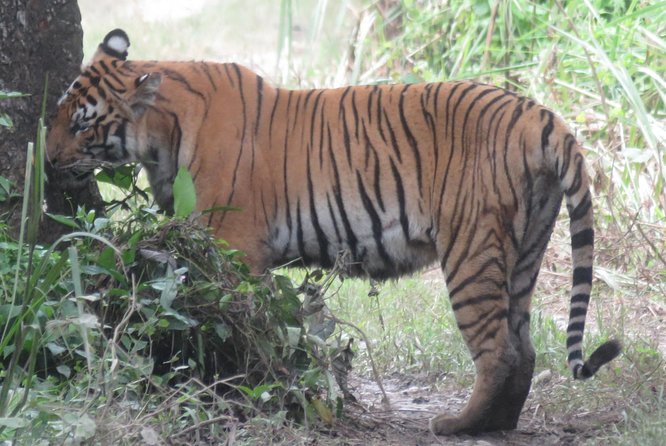
Chasing Bengal tigers in the wild is part patience, part luck, and part good guidance. This tour’s whole point is to put you in the right places at the right times, with the “search” built into a multi-day schedule rather than a quick pass through the park.
You should also know what this kind of trip gets right. A guided plan beats guesswork, especially in dense forest where tracks, animal behavior, and bird calls can tell you what’s nearby. You’re not just buying access; you’re buying attention—people watching, listening, and positioning you as the day unfolds.
If your main goal is a tiger sighting, keep your goal flexible. Tigers are not a show. Still, this itinerary stacks the odds in a sensible way: long stretches in the park across multiple days, then a jeep day for broader coverage.
You can also read our reviews of more tours and experiences in Sauraha.

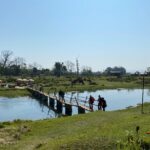

Meeting in Sauraha and starting at 6:30 am
Your tour begins at 6:30 am at The Chitwan Tiger Guide Service And Mini Library, Rhino Rd, Ratnanagar 44200, Nepal. The tour description notes pickup is offered, and the meeting point is near public transportation, which helps if you’re arriving from elsewhere in the region.
Early starts matter here. Wildlife activity often shifts with the day, and your schedule is built around morning time for both walking days and the jeep day. If you’re the type who likes to maximize daylight hours, this structure should feel efficient.
This is also described as a private tour/activity for your group. That’s a practical plus if you want a calmer pace, quieter walking time, or less “everyone must fit into one line” energy.
Days 1–3: Rapti River walks, Ghatgai, and Madi village homestays
Days 1 through 3 are where the experience earns its name. Instead of treating the park like a drive-through attraction, you get walking time inside the jungle—plus two daily guide teams are part of the plan.
Day 1: Jungle walk after crossing the Rapti River to Ghatgai
On Day 1, you’ll get picked up from your hotel or meet at the start point, then you begin with a jungle walk. After you cross the Rapti River (described as the northern boundary of Chitwan National Park), your guide briefs you on the park, local flora and fauna, animal behavior, and safety tips.
That briefing is more important than it sounds. It helps you read the environment instead of just scanning for wildlife. Then the walk ends before sunset, and you sleep at a homestay in Ghatgai village.
This is the day to bring your “slow down and look” mindset. Jungle walking rewards people who can pause, watch, and listen.
Day 2: Full-day walk, then downshift to a homestay in Madi
Day 2 starts with an early wake-up call and breakfast. You cross the Rapti River again and continue walking for a full day, exploring different vegetation and wildlife.
Before sunset, you reach Madi village and sleep in another homestay. The point of this move is simple: you’re not just doing one loop. You’re giving yourself repeated time inside the park from more than one base area.
This is also a good day for birdlife and general wildlife scanning. The description emphasizes that the schedule is set up to explore more wildlife and different types of vegetation, which usually means more chances for sightings beyond just the big-cat focus.
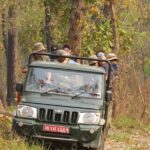
Day 3: More “adventure day” inside the park, aiming for tigers and major birds
Day 3 keeps the early rhythm: wake-up call, breakfast, then full-day time inside the national park. This day is described as more exciting and adventurous, and it’s where the tiger search pressure ramps up.
The schedule highlights possible sightings that include tigers plus birds like the Great Hornbill. You also return to Madi village before sunset for the next homestay night.
If you’re hoping for a tiger, Day 3 is one of the days you should treat as “peak.” At minimum, it’s the day with the strongest explicit emphasis on rare animals and birds.
The homestay angle: why it’s part of the value
Spending nights in Ghatgai and Madi villages is not just a place to sleep. It keeps you close to the park while also letting the days feel more grounded in local life.
One traveler specifically noted enjoying local foods during the trip, which fits the broader idea that meals are included and planned for you. That removes a lot of decision fatigue in a remote area.
The comfort level may feel basic compared with city hotels, but the trade is time in nature and fewer logistics to manage.
Day 4: open-hood jeep safari deeper into Chitwan, ending in Sauraha
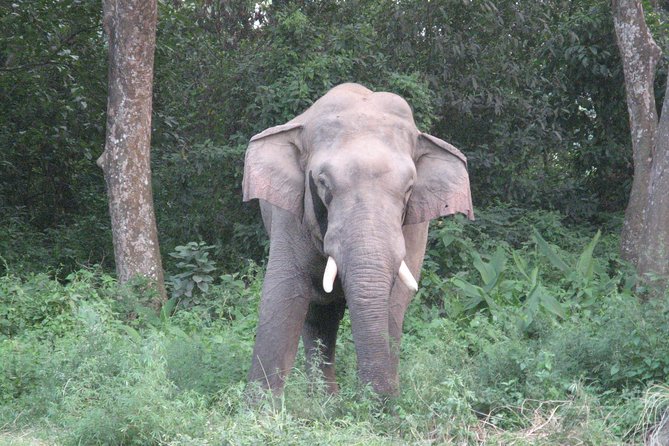
Day 4 is your last day, and it’s the one with the most vehicle time: an open-hood jeep takes you into deeper parts of Chitwan National Park. The goal is simple—cover more ground and reach areas that might be harder to reach on foot.
The description calls out natural lakes and notes this is where you can have high chances to observe more wildlife. Before sunset, the safari ends back in Sauraha.
This is a smart pairing with the walking days. Walking is great for tight, close-range wildlife signs; a jeep day adds reach. If you’re thinking about value, Day 4 is where the tour shifts from “slow search” to “bigger area scan.”
Wildlife chances beyond tigers: rhinos, hornbills, and other surprises

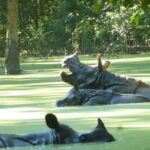
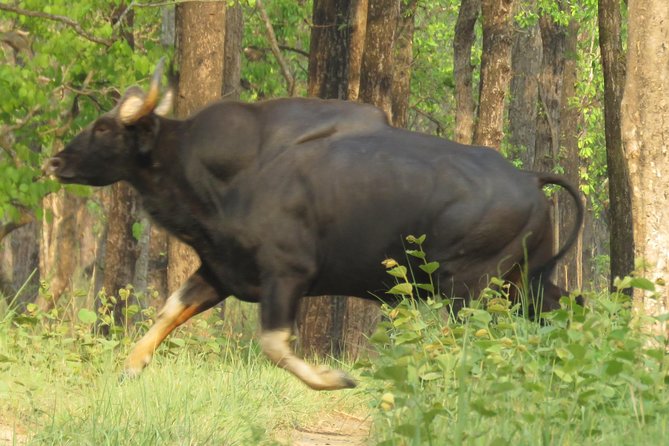
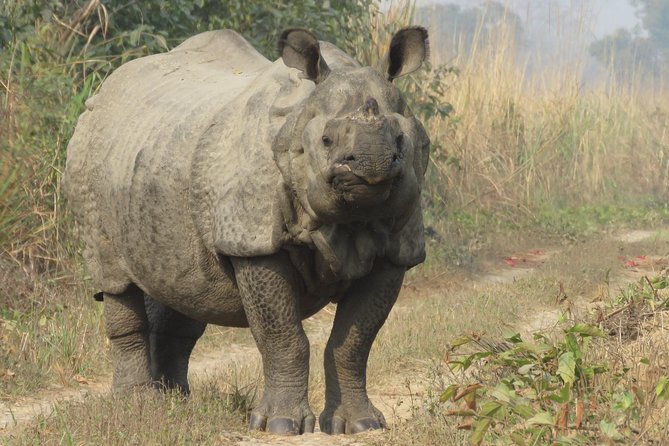
The star is the tiger, but Chitwan is known for a whole cast of wildlife, and this itinerary reflects that. The tour specifically mentions one-horned rhinos alongside tiger searching.
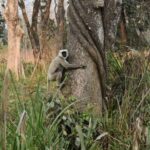
It also mentions the Great Hornbill, which is a bird many people don’t expect to see on a tiger safari. The fact that the schedule includes full-day exploration makes it more likely you’ll catch both movement and stillness—birds, tracks, and the overall pulse of the forest.
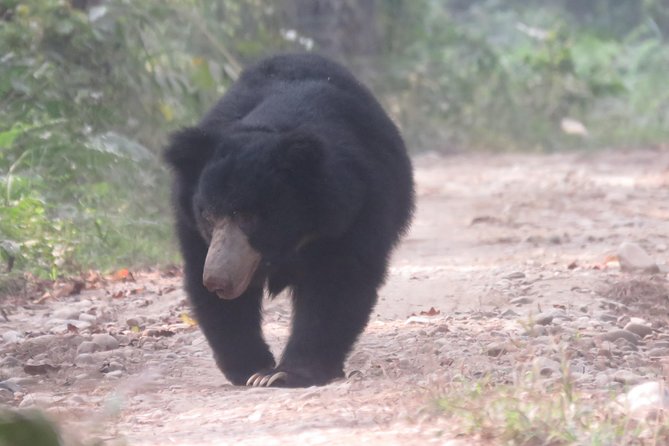
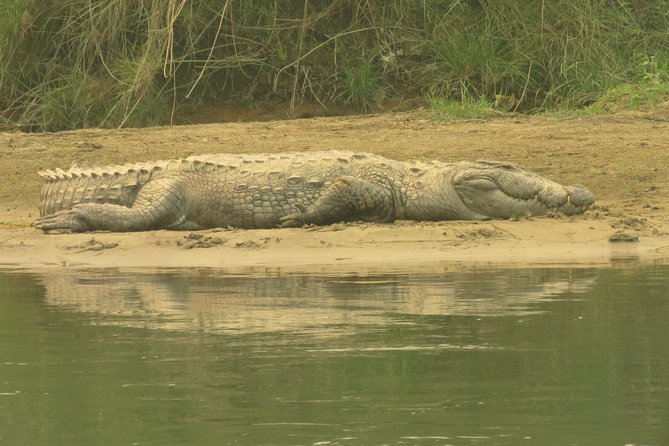
One report also described seeing animals like crocodiles and black bears in addition to tigers and rhinos. That doesn’t mean you’ll see them, of course, but it shows the park can throw in unexpected wildlife when you’re out there for multiple days.
My practical advice: don’t fixate so hard on one animal that you miss everything else. The tour is set up to help you notice a broader range of life, and those “not-tiger” sightings can be just as memorable.
Meals included in the wild: why it matters more than you think
You’re not left to hunt for food between jungle blocks. The package includes 3 breakfasts, 3 dinners, and 4 lunches, plus all delicious meals mentioned as part of the package.
In wildlife country, meal planning can become a hidden hassle. When food is built into the schedule, you keep your energy up for early mornings and long days. It also reduces the chance you’ll spend your mental energy on logistics instead of wildlife watching.
One traveler mentioned local foods, which matches the homestay setting. If you like experiences that feel connected to the area you’re in, that’s a plus.
Guides, safety briefings, and how the hunting strategy stays human
Your tour includes a guide, and the walking portion uses two jungle guides during the 4 days. That matters because jungle spotting is not only about scanning the trees. It’s also about reading behavior, understanding what animals usually do at certain times, and staying safe on uneven ground.
Safety tips are explicitly part of Day 1’s briefing after you cross the Rapti River. That’s a detail worth paying attention to, especially if you’re not used to walking in thick forest.
The reviews add a real name to the guide story: one traveler connected their experience to a guide named Dipas, praising his communication before the trek and his ability to adjust the schedule to fit their timing. Even if you don’t have the same dates, it’s a good sign that the provider is used to tailoring plans.
Price check: is $999.99 worth it for a tiger-focused 4-day plan?
At $999.99 per person, this isn’t a budget afternoon in the park. You’re paying for multiple things at once: multi-day park time, guided walking, jeep transport, admissions included, and the meals plus homestay nights.
Here’s how I think about value with tours like this:
- The “time package” is the big cost driver. Four days inside/around Chitwan with multiple wildlife-focused blocks costs more than a one-day safari for a reason.
- Meals and lodging are included, which is often where wildlife trips get expensive if you pay separately.
- Admission tickets are included as part of each day’s activities, which adds up quickly.
- Private-group setup and a guide-focused structure can be worth it if you want more control over pacing and attention.
Could it feel expensive if you only care about one quick game-drive shot? Yes. If you want a short visit and don’t care about walking days or homestays, other options might fit better.
But if your goal is the best chance possible through real time in the park, this price starts to make sense. You’re buying more than transport. You’re buying repeated scouting conditions.
Who this Mission Tiger tour fits best (and who might struggle)
This is aimed at people with at least moderate physical fitness. The walking days mean you’ll be moving for hours, and jungle ground can be uneven or tiring even if it’s not described as extreme trekking.
You’ll probably enjoy it most if you:
- want a structured wildlife search focused on Bengal tigers
- like early mornings and long wildlife days
- don’t mind basic homestay-style nights
- prefer guided learning over random self-guided wandering
You might want to think twice if you:
- want a purely comfortable, hotel-based trip
- have low tolerance for walking in thick environments
- expect guaranteed tiger sightings
The tour does what it can, but it stays honest about the reality: finding tigers is hard.
Practical tips to help your trip feel smoother
A few smart things you can do before you go:
- Plan for early starts. The tour begins at 6:30 am, and the walking days include early wake-up calls.
- Wear footwear that handles uneven ground and long walks. Even if it’s not described as difficult terrain, jungle paths can still be hard on shoes.
- Bring a light layer. Mornings can feel cooler than midday in jungle areas, and you’ll be out during morning-to-sunset blocks.
- If you’re flexible about what you see, you’ll enjoy the trip more. This is a multi-day wildlife experience, not a one-animal guarantee.
- Use the safety briefing seriously. The guide’s advice after crossing the Rapti River is part of how you stay relaxed and focused.
These are general travel habits, but they match the reality of a walking-and-safari schedule like this.
Should you book Mission Tiger in Chitwan?
If your heart is set on Bengal tigers and you want the best chance through real time, this tour is a strong pick. The combination of jungle walking, multiple full-day blocks, homestays in Ghatgai and Madi, and a jeep safari on Day 4 gives you both close-up scouting and broader park coverage.
I’d especially recommend it if you want a guided experience where meals and admissions are handled and you can focus on noticing wildlife. And if you’re the kind of traveler who enjoys local village nights and not just vehicle rides, the homestay structure is a real plus.
Book it with one clear mindset: you’re going to hunt for tigers, but you’re also going to watch an entire ecosystem. When you go in expecting that, the trip tends to land well.
FAQ
What is the Mission Tiger tour duration?
It’s a 4-day tour in Chitwan National Park, with each day listed as about 8 hours.
Where does the tour start, and when?
It starts at 6:30 am at The Chitwan Tiger Guide Service And Mini Library, Rhino Rd, Ratnanagar 44200, Nepal.
Is pickup from my hotel included?
The tour information says pickup offered and also describes a representative coming to pick you up at your hotel or meeting at the start point.
Is this tour private?
Yes. It’s described as private, meaning only your group will participate.
What wildlife does the tour specifically aim to see?
The focus includes Bengal tigers, and it also mentions one-horned rhinos and birds such as the Great Hornbill.
How much of the trip happens on foot vs by jeep?
Days 1–3 include jungle walking, and Day 4 includes a full-day open-hood jeep safari inside the park.
Are meals and admission tickets included?
Yes. The package includes breakfasts, lunches, and dinners, and admission tickets are listed as included for the days.
What is not included in the price?
Not included: personal expenses, personal insurance of any kind, and tips, plus anything not mentioned on the package.
Can I cancel or change the booking?
No. The experience is listed as non-refundable and cannot be changed for any reason.