REVIEW · LUNUGAMVEHERA NATIONAL PARK
Lunugamvehera National Park ( Yala Block 5 / 6 ) Wild Safari
Book on GetYourGuide →Operated by Wanderluxe Ceylon · Bookable on GetYourGuide
Leopards make this safari a must. Lunugamvehera’s Yala blocks 5 and 6 are built for long, patient wildlife watching, with a calmer feel than the usual Sri Lanka safari circuit. I really like the 4×4 jeep ride for comfort and safety, and I also love how a good guide like Shiran can turn random sightings into a real animal-spotting session.
The main consideration: you’re not guaranteed every species—especially elephants. One previous guide note was that you might not find many elephants inside the park itself, so it’s smart to ask where elephant sightings are most likely (often along the road).
In This Review
- Key things to know before you go
- Why Lunugamvehera’s Yala Blocks 5 & 6 feel calmer than the usual safari
- The real value: $34 versus the park fee you still need to budget
- Pickup, timing, and how the day typically runs
- The jeep safari format: comfort, positioning, and safer wildlife viewing
- Inside Lunugamvehera: how to maximize a 4-hour wildlife window
- Wildlife highlights: leopards, sloth bears, crocodiles, birds, and more
- Leopards (the big draw)
- Sloth bears and other mammals
- Crocodiles, monitor lizards, and wildlife near water
- Birds (often the underrated win)
- Elephants: the one detail you should clarify before you go
- The cultural layer: ruins and older sites along the safari route
- Guide support in English: what it changes for your day
- Rules of the day: what you’re allowed to bring
- Should you book Lunugamvehera Yala Block 5/6?
- FAQ
- Where is the safari pickup available?
- How long is Lunugamvehera Safari in total?
- How long do you spend in the park?
- Is the national park entry fee included?
- What’s included in the price?
- Are food and drinks included?
- Is the tour guided in English?
- Is it suitable for everyone?
Key things to know before you go
- Yala Block 5 & 6 focus: a quieter safari than the more famous Yala options
- Binoculars included: scan waterholes and treelines without squinting
- Guide spotting skills matter: a leopard was reported climbing a tree about 10 meters away
- About 4 hours inside the park: plus transfer time to and from your pickup area
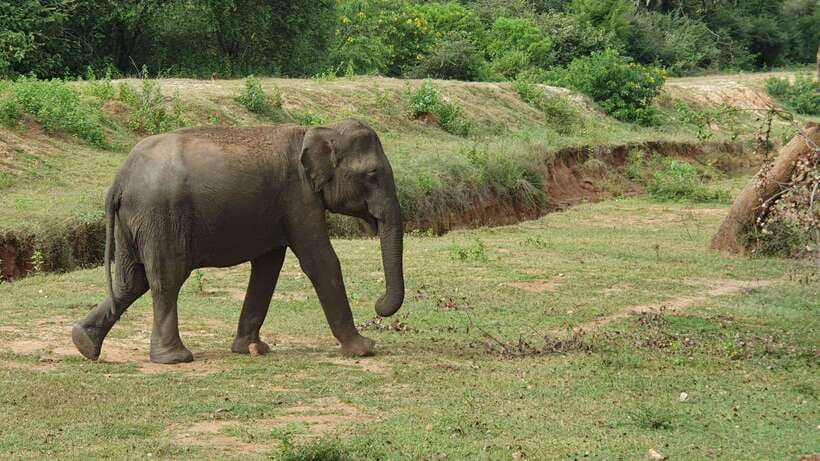
- Elephants can be tricky: you may be more likely to see them on the road than inside the park
- English support: live English tour guidance and an audio guide in English
Why Lunugamvehera’s Yala Blocks 5 & 6 feel calmer than the usual safari
Lunugamvehera is the kind of wildlife day that feels more like watching nature work than chasing a highlight reel. The Yala blocks 5 and 6 setting is known for good biodiversity, and the pacing tends to be more relaxed than the busiest safari routes.
What you’re looking for is variety across habitats. You might see animals in open grass areas, in thicker forest patches, and near quieter water bodies where animals pause. That mix is one reason Lunugamvehera can deliver both big mammals and birds in the same outing.
The real value: $34 versus the park fee you still need to budget
The safari price starts around $34 per person, and you’re getting several practical pieces bundled in. Your day includes a 4×4 jeep safari, an experienced guide/driver, binoculars, and pickup and drop-off from select locations.
One key cost is separate: the national park entry fee (Rs 13000 per person) is not included. Food and drinks are also not included, so you’ll want to plan for a snack or a drink stops of your own.
I think this is good value if you care about the guiding and comfort more than strict package convenience. You’re paying for a structured wildlife drive with the right tools (jeep + binoculars + a driver who knows how to hunt for signs), then paying the park fee on top.
Pickup, timing, and how the day typically runs
The experience runs 5 to 12 hours, depending on the starting time you choose and the rhythm of the safari day. You’ll usually have around 1 hour of travel time between your pickup point and the park area, then about 4 hours of sightseeing in the national park.
Pickup is available from three areas: Tissamaharama, Thanamalwila, and Kataragama. Drop-off is also offered at those same three locations, which helps you avoid awkward mid-day logistics.
Do one small thing that improves the whole day: show up early. You’re asked to wait in the hotel lobby about 10 minutes before your scheduled pickup.
The jeep safari format: comfort, positioning, and safer wildlife viewing
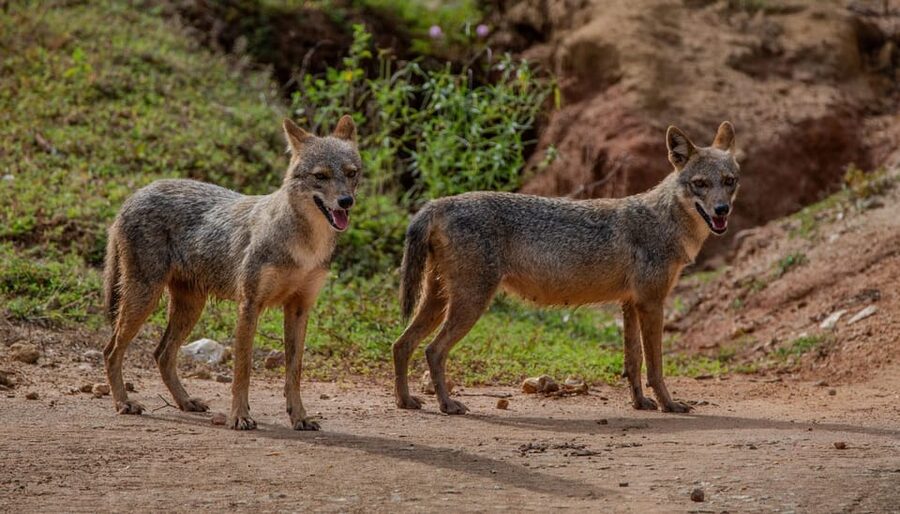
This is a jeep-focused safari, using a 4×4 SUV/jeep setup built for rougher roads and better viewing angles. That matters because wildlife spotting often happens fast—one movement in a treeline, one animal stepping into a clearing, one pause at the edge of water.
A strong guide/driver approach makes a big difference in how comfortable the ride is and how effectively you scan. One of the best bits from the safari feedback is the emphasis on respectful wildlife behavior and careful driving, not speeding past every turn.
If you want the best odds, don’t treat it like a quick photo stop. Bring comfortable shoes and clothes, then stay ready to scan at any moment when the guide slows down.
Inside Lunugamvehera: how to maximize a 4-hour wildlife window
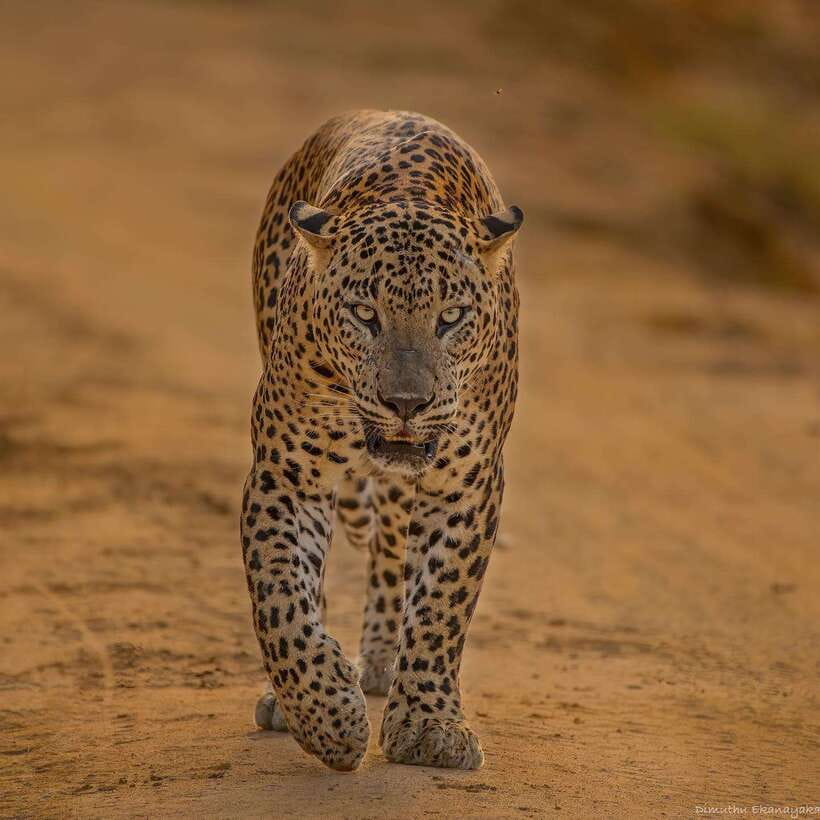
With about 4 hours in the park, your job is simple: be patient and stay observant. Wildlife days like this work best when you trust the guide’s instincts and give your eyes time to adjust.
Here’s what tends to work well in practice:
- Use the binoculars early, not only when you’re already sure you see something.
- Watch behavior, not just bodies. Small changes—head position, movement, sudden silence—often come first.
- Keep quiet when the guide stops. That extra attention can help you notice the smaller animals that come with the bigger ones.
Guides in this area are also known for trying hard to find animals rather than simply driving a set loop. One leopard sighting that was praised involved a leopard climbing a tree about 10 meters away, which is exactly the sort of moment where patience and the right timing pay off.
Wildlife highlights: leopards, sloth bears, crocodiles, birds, and more
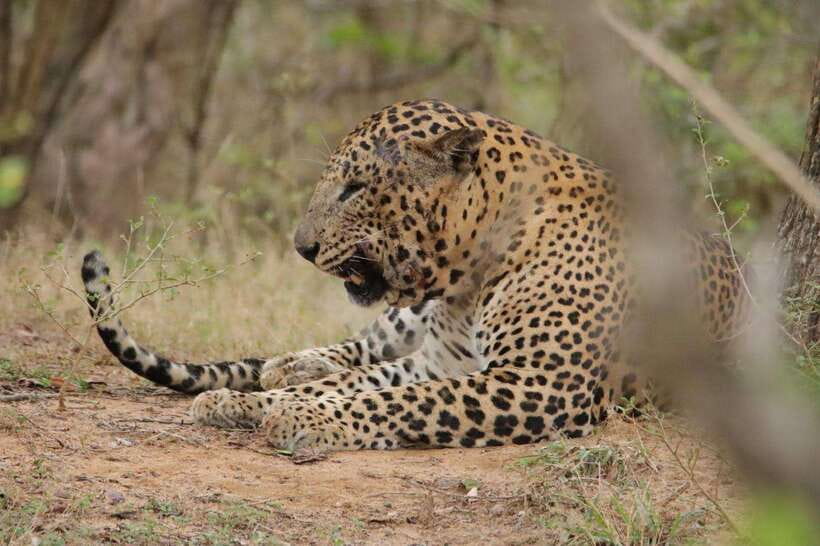
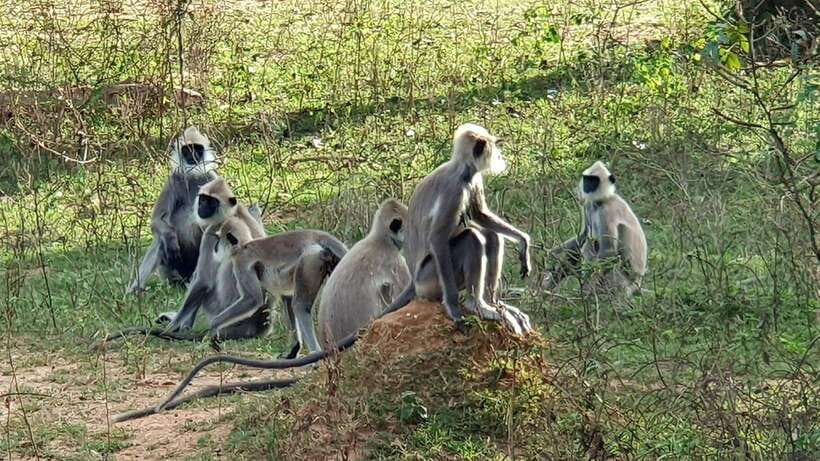
Lunugamvehera’s reputation is all about variety. The park is associated with elephants, leopards, deer, crocodiles, sloth bears, and many bird species. In real safari terms, that means you should expect a mix of big moments and smaller, fascinating sightings.
Leopards (the big draw)
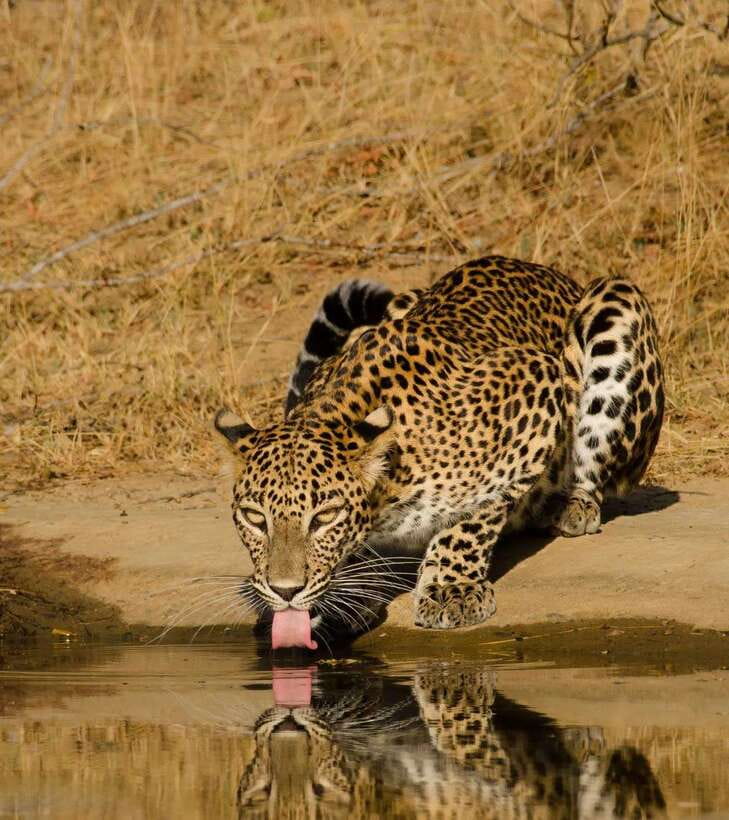
Leopards are the star when you catch them in action. One standout report praised how close and clear a leopard sighting became, including the leopard climbing a tree. When a leopard is that visible, you can stop thinking only in terms of spotting—and start thinking in terms of watching how it moves and rests.
Sloth bears and other mammals
Sloth bears are part of the expected wildlife list here, and you can also see other mammals like deer. If you’re the type who enjoys learning how species share space, a guided safari is worth it because you’ll get help reading signs and likely locations.
Crocodiles, monitor lizards, and wildlife near water
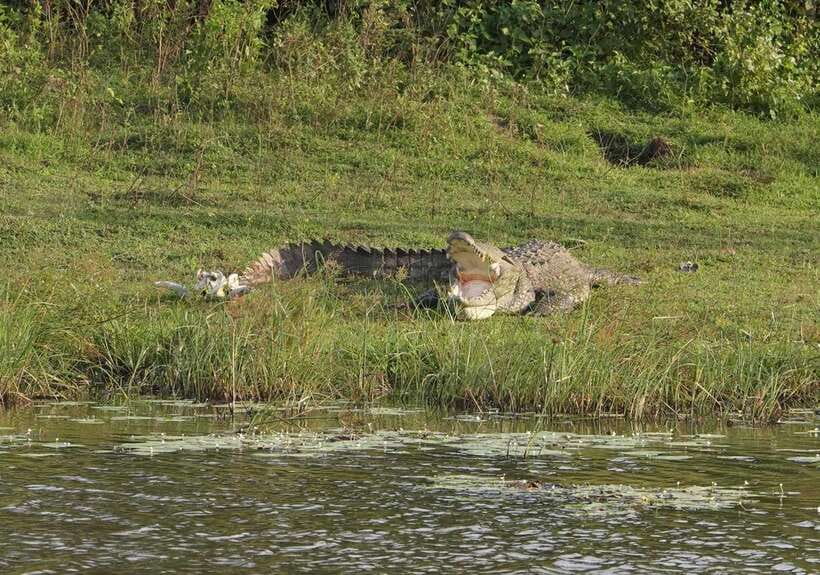
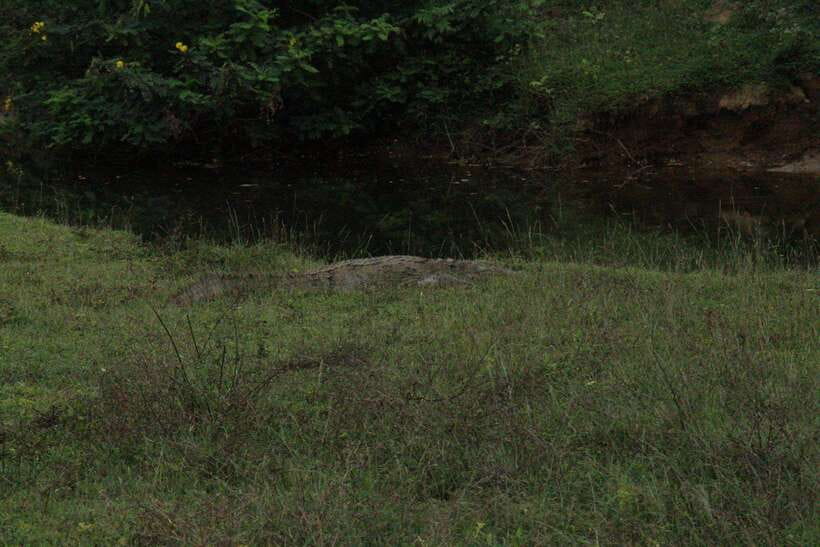
Crocodiles show up on this safari style of outing often enough to be a realistic expectation. You can also come across monitor lizards (varans) and other smaller creatures once the guide spots the right water edges or movement patterns.
Birds (often the underrated win)
Birds can be the surprise bonus. One safari report specifically mentioned kingfishers (eisvögeln), plus peacock and other species. On days when mammals are slower, birds keep the safari feeling alive.
Elephants: the one detail you should clarify before you go
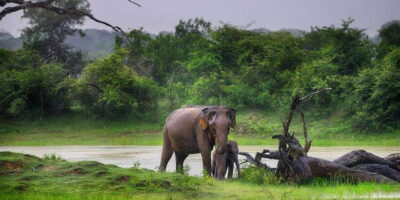
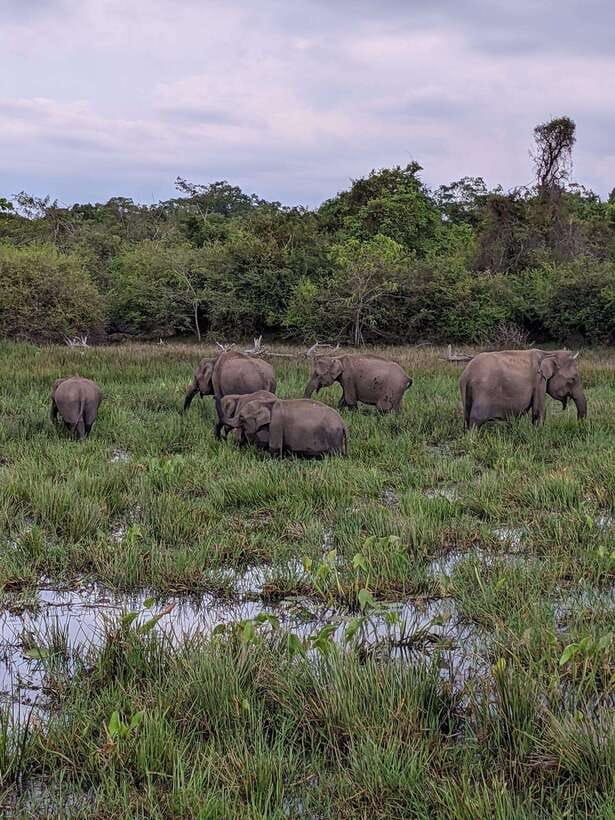
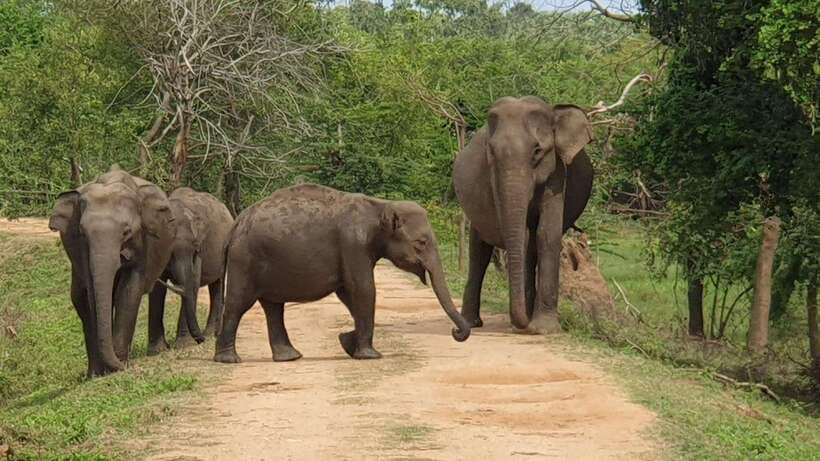
Elephants are listed as part of what you can see, but there’s an important nuance. One guide note said there might not be elephants inside the park itself, and that elephant sightings are more likely on the road.
So here’s your best move: ask your guide/driver directly about where elephant chances are strongest during your particular time slot. That simple question can prevent disappointment and help you focus on what’s realistic for that day.
The cultural layer: ruins and older sites along the safari route
Beyond animals, Lunugamvehera can add a cultural angle. The area includes ancient ruins and historical sites scattered through the broader experience, which gives you a little more context while you’re in the park region.
Even if you’re mainly there for wildlife, this helps the day feel less one-note. It’s a chance to connect the natural world to human history in the region, without turning the safari into a long museum-style stop.
Guide support in English: what it changes for your day
This safari includes English support in two ways: a live English tour guide and an English audio guide. That means you don’t need to have wildlife expertise to enjoy the day.
The biggest practical benefit is interpretation. When a guide explains what to watch for—tracks, feeding behavior, likely movement corridors—you’ll spend your time with your eyes in the right places. You’ll also feel more comfortable when the guide makes decisions about where to stop and when to keep moving.
From the safari feedback, the guiding can be especially strong when the driver is proactive about animal-finding and patient with the scanning process. Shiran was singled out for knowledge and for helping deliver major sightings.
Rules of the day: what you’re allowed to bring
Keep the day simple. Bring comfortable shoes and comfortable clothes so you can sit, scan, and move around without being miserable if you’re in the vehicle for hours.
Alcohol and drugs are not allowed. Also, this tour is not suitable for pregnant women and people over 95 years old.
If you’re planning around mobility, note that the safari is marked wheelchair accessible. If you need specific seating or step-free access, it’s still wise to confirm details with the operator before travel.
Should you book Lunugamvehera Yala Block 5/6?
Book it if you want:
- A wildlife-first safari with real guiding and binoculars
- A calmer-feeling alternative to the most crowded Yala-style outings
- The chance at major sightings like leopards, plus a wider mix of mammals, birds, and reptiles
Skip it (or adjust expectations) if:
- You’re going for guaranteed elephants. You might have to be flexible and rely on road sightings.
- You hate the idea of paying the park entry fee separately and bringing your own food or drinks.
If you’re on the fence, choose your timing carefully. If an afternoon safari option is available when you book, it can be a smart way to change your wildlife rhythm and give yourself more chances for action—especially when guides are actively watching and responding to what’s around.
FAQ
Where is the safari pickup available?
Pickup is available from Kataragama, Thanamalwila, and Tissamaharama.
How long is Lunugamvehera Safari in total?
The duration is listed as 5 to 12 hours, depending on the starting time.
How long do you spend in the park?
The sightseeing time in Lunugamvehera National Park is listed as about 4 hours.
Is the national park entry fee included?
No. The national park entry fee is not included and is Rs 13000 per person.
What’s included in the price?
You get a 4×4 safari jeep, an experienced safari guide/driver, binoculars for wildlife viewing, and pickup and drop-off from select locations.
Are food and drinks included?
No. Food and drinks are not included.
Is the tour guided in English?
Yes. There is a live tour guide in English, and an English audio guide is included.
Is it suitable for everyone?
It is not suitable for pregnant women and people over 95 years. It is wheelchair accessible. Alcohol and drugs are not allowed.