REVIEW · GREAT SMOKY MOUNTAINS NATIONAL PARK
Great Smoky Mountains National Park Self-Guided Driving Tour
Book on Viator →Operated by Travel with Action · Bookable on Viator
Turn-by-turn audio makes the Smokies easier.
This self-guided drive strings together classic overlooks, waterfalls, and history with hands-free stories that start automatically as you reach each spot—plus offline listening so you are not stuck when cell service disappears. I especially like the easy setup for car travel and the way you can pause for elk sightings, photos, and short walks without feeling boxed into a fixed schedule. One thing to keep in mind: the experience depends on your phone setup and GPS timing, so take a few minutes to get it right before you roll into park roads.
The biggest potential snag is logistics, not the content. If you do not download on strong Wi‑Fi/cellular first, you can lose the smooth offline flow. And if you start at the wrong place or drive far faster than the tour pace, the audio may feel out of sync or stop triggering correctly.
In This Review
- Key things that make this Smokies drive work well
- Why This Self-Guided Audio Drive Fits the Smokies So Well
- Price and Value: When $16.99 Can Feel Like a Lot More
- Tech Setup That Makes or Breaks the Experience
- The Route Big Picture: What the 2–3 Hour Drive Really Covers
- Oconaluftee to Newfound Gap: Viewpoints That Feel Like Postcards
- Mingus Mill, the Rockefeller Memorial, and the Park-Side Stories You’ll Actually Remember
- Tunnels, Alum Cave Trail, and Chimney Tops: Nature With Consequences
- Sugarlands Valley Trail and the Waterfall Run: Easy Walking and Big Rewards
- Roaring Fork Motor Nature Trail and the Waterfall Aftershocks Near Gatlinburg
- Timing, Pacing, and Photo Stops Without Getting Frustrated
- Crowds, Parking, and Side Hikes: When the Smokies Feel Busy
- Winter and Road Changes Near Newfound Gap: A Heads-Up
- Should You Book This Smoky Mountains Audio Driving Tour?
- FAQ
- How much does the Great Smoky Mountains National Park self-guided driving tour cost?
- How long does the tour take?
- What language is the audio in?
- Do I need cellular service to use it in the park?
- How do I start the tour once I arrive?
- Where will the tour start and end?
- Are park passes included?
- What are the opening hours?
- Can I reuse the tour later?
- What do I do if I cannot download the tour on the spot?
Key things that make this Smokies drive work well
- Offline audio playback after downloading means you can keep going even when the signal drops.
- Location-triggered stories play automatically based on where you are on the route.
- Value is per group (up to 4), so it can be cheaper than per-person tours for families and friends.
- A lot of stops packed into 45+ miles gives you variety without long hikes on day one.
- Accessible nature options show up via routes like Beech Flats Quiet Walkway and Sugarlands Valley Trail.
- Car-friendly tech with Bluetooth/AUX and Apple CarPlay support (Android Auto support is described as on the way).
Why This Self-Guided Audio Drive Fits the Smokies So Well
Great Smoky Mountains National Park is the kind of place where your best day often turns into a series of short breaks: a quick pull-off, a view that makes you slow down, then back into the car. This tour matches that rhythm. You drive, the audio guides you from stop to stop, and you choose how long to linger.
What makes it feel practical is that the stories are built around what you can actually see from the road and nearby trailheads. You get history and heritage alongside the scenery—so you do not just collect photos, you understand what you are looking at. And because it is self-guided, you do not have to negotiate group pace, bathroom timing, or who wants to stop for the tenth overlook.
I also like that it is designed for real-life use. You can start anytime, pause anywhere, and jump back in when you are ready. That flexibility matters in the Smokies, where weather can change fast and parking can fill up during peak hours.
You can also read our reviews of more tours and experiences in Great Smoky Mountains National Park.
Price and Value: When $16.99 Can Feel Like a Lot More

The tour costs $16.99 per group (up to 4). That is the key number. Instead of paying per person, you spread the price across the whole car—so a family of four, or a group of friends, can make this feel like a bargain.
You also get a lot of story time for the drive distance: 2 to 3 hours and a route of 45+ miles with 40+ audio stories. In plain terms, you are paying for a guided experience without needing a driver, booking a specific departure window, or relying on a bus schedule.
Two value notes that affect your decision:
- Park passes are not included. You still need whatever vehicle or entry pass you would normally use for Smoky Mountains visits.
- The price only feels great if your setup works smoothly. If downloading, GPS permissions, or car audio takes time, you will feel that cost quickly—so plan a test run before you park.
Tech Setup That Makes or Breaks the Experience
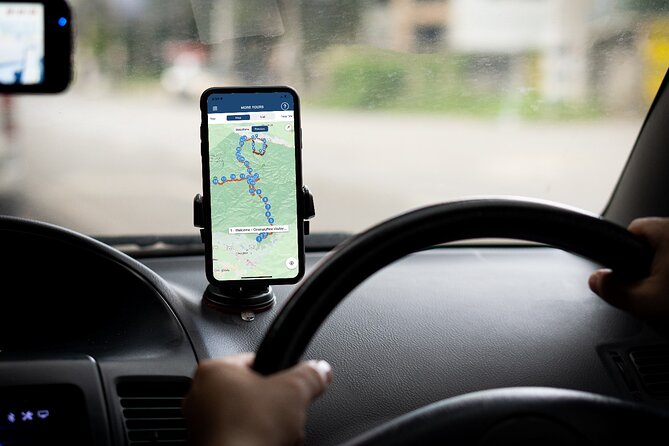
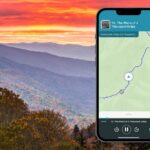
This is an audio app you install and run on your phone, then use along the route. The tour includes offline maps and offline functionality after download, but you still need to do the upfront work at the right time.
Here is what matters most, based on the product instructions and the most common hiccups:
- Download while you have strong Wi‑Fi/cellular. The app must be downloaded before you rely on it offline.
- Use location/GPS permissions. The audio plays based on where you are, so your phone must be allowed to know its location.
- Start at the correct first-story point. There is no staff meeting you at the start. The app expects you to begin where it tells you.
- Use car audio if possible. You can connect via Bluetooth, USB, or AUX. Apple CarPlay is compatible; Android Auto is described as on the way.
- Do not speed. The audio timing can cut off if you race ahead. Think steady and safe.
If you want the simplest setup, do this before you enter heavy park traffic:
- Download the tour on good signal.
- Open the app where the start point is shown.
- Start the tour once while you are still near the road network, not when you are already committed to park turns.
The Route Big Picture: What the 2–3 Hour Drive Really Covers
This driving route is built for a classic Smokies day: overlooks for the wide views, short scenic walks for those who want legs-on-the-ground time, and a string of historic and nature stops you might otherwise miss.
The itinerary moves through the region in a way that makes sense for a loop-like experience: you start around the Oconaluftee Visitor Center area, hit major viewpoints and trail areas (including Newfound Gap and Clingman’s Dome), then shift toward waterfalls and the Gatlinburg side, ending in Gatlinburg.
Along the way, you can expect:
- Scenic pull-offs designed for quick photo stops
- A few nearby “walk for 15–45 minutes” options
- Stories about park creation, local families, and how people used the land long before it was a national park
- Waterfalls that range from the most famous to quieter ones
If you love planning your day with guardrails but still want freedom, this format is a good match.
Oconaluftee to Newfound Gap: Viewpoints That Feel Like Postcards

You begin in the Oconaluftee Visitor Center area, then head toward some of the park’s most recognizable scenery. Even if you have visited the Smokies before, this section helps you see the park’s shape and elevation in a single sweep.
Key stops in this stretch:
Newfound Gap
This is where you get the classic Smokies panorama fast. It is also the kind of place that rewards stopping for a minute longer, since the stories connect the view to historic travel routes—how trappers, farmers, and merchants used crossings here and how that changed over time.
Rockefeller Memorial
This is the one that makes many road-trippers blink twice and say, wait, really? You get the connection between Nelson Rockefeller and the park. The memorial is tied to Theodore Roosevelt in the tour’s storytelling.
Carlos Campbell Overlook
This viewpoint is about scale: tall ridgelines, forest texture, and that layered Smokies look that seems to float when the mist rolls through.
Clingman’s Dome (plus the famous observation tower)
You really have not seen the Smokies the same way until you go up here—especially when visibility is good. The audio helps you make sense of the summit perspective so you are not just standing there wondering what to photograph.
Beech Flats Quiet Walkway
Not everyone wants a big hike. This is a gentler way to feel the forest up close, with nature and viewpoint vibes without the hard-trail commitment.
Morton Overlook
If sunset is in your plans, this is one of the stops to aim for. It is hugely popular for a reason, and the tour sets you up with context so the overlook feels more than just a pretty stop.
Mingus Mill, the Rockefeller Memorial, and the Park-Side Stories You’ll Actually Remember

The Smokies are famous for scenery, but what sticks in your memory long after the drive is the human story: mills, settlers, and the odd-but-true details that made people live here and change the land.
Two of the most memorable “culture” stops along this route:
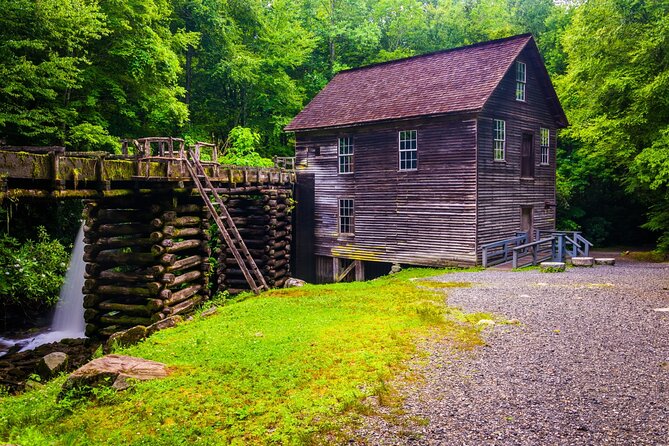
Mingus Mill (historic grist mill)
The tour highlights 1886-era mill history and mentions that on weekends you may see operators grind corn in the old way. One important practical note: operations can vary, and at least one person found the mill not running as expected. So if you care about seeing it in motion, plan for the possibility that you might only get the historical site visit.
A funky museum stop with the one-panel comic origin story
The route includes a quirky museum-style stop with odd artifacts described in the tour audio, plus the origin story of how it grew from a simple comic strip idea into a bigger national phenomenon. If you like fun stops that break up the pure nature focus, this is one of those “only in this area” moments.
These are not required to enjoy the Smokies, but they add texture. Without them, the day can feel like a checklist of overlooks. With them, your drive feels like a story about how the region became what it is now.
Tunnels, Alum Cave Trail, and Chimney Tops: Nature With Consequences

This is where the tour adds meaning. You drive through or past areas tied to specific trails and park topics, and the audio frames what you are seeing as part of a living system—fires, geology, and long-term change.
Notable stops here:
Morton Tunnel
This segment is tied to local naming history in the tour’s storytelling. It is a quick drive-through moment, but it adds a human anchor to the mountain geography.
Alum Cave Trail (salt mine remains)
The tour points out the story behind this trail area, including the remains of an old salt mine. Even if you do not hike, the audio makes the landscape feel like it has layers: nature on top of human use, then protected again.
Chimney Tops Overlook (wildfire impact)
This is not just a viewpoint. The stories connect wildfires to visible long-term damage on mountains like this one. It gives you a reason to look carefully, not just fast-snap and move on.
If you usually treat overlooks as photo stops, this stretch changes the vibe. The Smokies stop feeling like scenery-only and start feeling like a place with real cause-and-effect.
Sugarlands Valley Trail and the Waterfall Run: Easy Walking and Big Rewards

One of the best things about this tour is that it does not force everyone onto long hikes. You get a mix of accessible options and famous waterfalls.
Sugarlands Valley Trail
This is described as the most accessible trail in the park, reachable by wheelchair or stroller. It is a great option if your group includes kids, older adults, or anyone who wants nature time without a strenuous climb.
Sugarlands Visitor Center
This makes a solid break point. You get a place to reset, refill your energy, and choose whether you want to keep moving or slow down.
Rainbow Falls (from the Rainbow Falls Trail area)
Rainbow Falls is described as the tallest waterfall in the Smokies at 80 feet, and the audio notes that when the sun hits right it can shimmer like a rainbow. This is the big “worth the stop” waterfall in this set.
Cataract Falls
This waterfall is framed as more tucked-away, shaded, and calmer-feeling than the headline stops.
Then the tour keeps the waterfall streak going with additional sights farther along, including more secluded options.
Practical tip: waterfalls often mean pull-outs get busy, and parking can be tight. If you want calmer experience, choose a slower time of day and be ready for short waits.
Roaring Fork Motor Nature Trail and the Waterfall Aftershocks Near Gatlinburg

As you keep driving toward the Gatlinburg side, the route shifts into a slower, scenic road experience and adds several “you have to see it” waterfall moments.
Roaring Fork Motor Nature Trail
This driving trail encourages you to slow down and enjoy the forest plus historic buildings of the area. It also features three famous waterfalls within the route’s story arc.
A heads-up from real-world experience: some waterfalls can require more walking than you expect. If you are planning for minimal hiking, check distances once you are there, and choose which falls you want to trade time for.
Reagan Cabin and the tub mill
This is an old-technology stop that explains what a tub mill is and why it was useful locally. It is the kind of stop that adds context without taking over your day.
Grotto Falls
Described as less grand than Rainbow Falls but worth it, especially if you want fewer crowds.
Place of a Thousand Drips
This name promises drama, and the tour frames it as many narrow falls combining into a strong torrent.
Baskin Creek Falls
This stop adds a small, human-sounding story about how the name came to be, including that it is a bit misguided. It is a nice breather between the big waterfall moments.
At the end, you roll into Gatlinburg, where the tour concludes and you are back to the starting loop logic for your car day.
Timing, Pacing, and Photo Stops Without Getting Frustrated
This tour is built for 2–3 hours, but your actual time depends on how often you stop and what you choose to walk.
To keep it smooth:
- Use the car travel time as your “reset” between stops.
- Plan photo stops first, then decide on quick walks. That avoids walking out of breath to reach a viewpoint you could have enjoyed from a safe pull-off.
- Keep an eye on story timing. If you sprint between stops, audio may cut off early.
- If you miss a segment, go back and re-position if the app allows it in the same area. One useful trick is replaying portions on the second pass to catch endings you did not hear.
Also, do not underestimate the value of just doing less. If you only hit half the stops and you do it calmly, you still get a better Smokies day than rushing through everything on a tight clock.
Crowds, Parking, and Side Hikes: When the Smokies Feel Busy
Even though this is self-guided, the park itself has peak-hour realities. Pull-offs fill. Parking gets crowded. Some of the most popular waterfall zones lead to trails that can take longer than expected.
If you are traveling in busy season, aim for:
- Earlier departures for better parking luck
- Staying flexible about which falls you prioritize
- Being comfortable doing shorter walks when you need to
There is also a bigger seasonal factor: weather. Clingman’s Dome is a can’t-miss when visibility is clear, and the tour works best when you are not battling thick fog the whole time.
Winter and Road Changes Near Newfound Gap: A Heads-Up
The tour includes an important note about seasonal disruptions. After Jan 5, 2026, the park can see delays, and Sugarlands may have single-lane routing Jan 5–30 on US-441/Newfound Gap Rd (Gatlinburg–Sugarlands), with signals 24/7 and some parking closed. There is also mention of hazard-tree impacts affecting multiple roads, including US-441, The Spur, Little River Rd, the Cades Cove Loop, and Deep Creek Entrance Rd.
If you are visiting in that window, I’d treat the drive as flexible. Give yourself extra time, and be prepared to adjust your route if closures change access.
Should You Book This Smoky Mountains Audio Driving Tour?
Book it if you want:
- A car-first way to see major overlooks and waterfalls without booking a guided group
- Offline audio that keeps you moving even when cell service disappears
- A route that mixes nature, history, and quirky stops, not just scenic drives
- A flexible schedule where you can pause for photos and short walks
Skip it (or at least plan more carefully) if:
- Your phone setup is a hassle for you, and you hate downloading apps in advance
- You prefer a staff-guided day with guaranteed stop-by-stop control
- Your group can only handle minimal walking and you want to avoid any trails beyond easy pull-offs (some stops can require more time on foot)
If you can handle the tech basics and you are happy to drive at a steady pace, this is a smart way to get real value out of a Smokies day—especially when you split the cost across a full car.
FAQ
How much does the Great Smoky Mountains National Park self-guided driving tour cost?
It costs $16.99 per group (up to 4).
How long does the tour take?
Plan on about 2 to 3 hours (the route is 45+ miles long).
What language is the audio in?
The tour is offered in English.
Do I need cellular service to use it in the park?
After downloading, it works offline. The tour also includes offline maps, so you can use it even when there is no cell or Wi-Fi signal.
How do I start the tour once I arrive?
Open Action’s audio tour guide app at the starting point onsite. The audio begins automatically when you are at the first story point, and it plays based on your location cues.
Where will the tour start and end?
This activity ends back at the meeting point. No one meets you at the start, and you start by going to the first story point shown in the app.
Are park passes included?
No. Park passes are not included.
What are the opening hours?
Monday through Sunday, 9:00 AM to 5:00 PM. The listing also notes operation dates from 07/22/2020 to 03/01/2027.
Can I reuse the tour later?
Yes. The tour is described as having lifetime access with no expiry, so you can use it on future trips.
What do I do if I cannot download the tour on the spot?
The instructions say you must download the tour while you have strong Wi‑Fi/cellular. If you are already onsite with weak signal, you may have trouble setting up, so plan to download ahead and only start driving once it is ready.