REVIEW · NAALEHU HAWAII
From the Big Island: Hawaii Volcanoes National Park Tour
Book on GetYourGuide →Operated by Aloha Sunshine Tours LLC · Bookable on GetYourGuide
Kilauea makes geology feel real. This Hawaii Volcanoes National Park tour from Kona turns an island drive into a real story of fire meeting water, and it’s led by guides like Henry who explain what you’re seeing without drowning you in jargon. I especially love the moment you’re standing near Thurston lava tube, plus the way the day ties together the islands’ geologic timeline as you move from coast to crater.
One catch: active eruption is not guaranteed. You might hope for dramatic lava, but even on quieter days, the park stops still make the Big Island’s geology click.
You’re in a small group (up to 14), with pickup and drop-off in the Kailua-Kona area, and the full day runs about 12 hours on the schedule. If you like your Hawaii days with both science and classic local food stops, this one fits.
In This Review
- Key highlights at a glance
- Why this Hawaii Volcanoes National Park tour works from Kona
- Small group ride: pickup, timing, and how the day flows
- Kona coffee belt and Punalu’u sweet bread: the taste-break before the volcano
- Punalu’u black sand beach and steam vents: seeing volcanic power up close
- Hawaii Volcanoes National Park: Kilauea visitor center and park viewpoints
- Thurston lava tube: the star stop for real-world geology
- Guide power: what to look for in Henry, Mel, Mia, and Melvin
- Price and value: what $205 buys you on the Big Island
- Who should book, and who should skip it
- Should you book this Hawaii Volcanoes National Park tour?
- FAQ
- How long is the Hawaii Volcanoes National Park tour from the Kona area?
- What’s included in the tour price?
- Are meals provided?
- Where do I meet for pickup if I fly into Kona International Airport?
- How big is the group?
- Is this tour wheelchair accessible or suitable for mobility issues?
- What items can’t I bring?
Key highlights at a glance
- Kilauea and the Hawaiian island chain story: Learn how the islands formed and evolved as magma and ocean shaped them.
- Thurston lava tube access: See a preserved channel lava made and understand what you’re looking at.
- Punalu’u black sand beach visit: Walk the contrast between beach and volcanic power.
- Kona coffee belt + Punalu’u sweet bread: Two tasty, different stops that break up the drive.
- Steam vents around active geology: Catch the atmosphere of a living system.
Why this Hawaii Volcanoes National Park tour works from Kona
Most Big Island plans fall into two buckets: beach time or volcano time. This tour mixes both, and that’s the real value. You get the world-famous national park on the “fire” side, then you come back around to the ocean with places like Punalu’u’s black sand beach. It feels like you’re moving through the island’s story, not just checking boxes.
What I like best is how the tour keeps pointing out cause and effect. You’re not only told what exists today—you’re shown how it got there. The day is built around the creation of the Hawaiian island chain, that long, slow battle between elemental forces, with Kilauea as the present-day star.
And the guide matters. This experience is guided in English with local storytelling, and multiple guide names come up for a reason. You’ll hear facts that land because they’re tied to the views you’re standing in front of. Henry, Mel, Melvin, and Mia have all been credited for being engaging and well-informed, and that energy helps a geology-heavy day feel friendly instead of academic.
The national park is also the anchor. Park admission and stops like the Kilauea visitor center and Thurston lava tube are part of the package, which means less scrambling for tickets and directions once you’re out there.
Small group ride: pickup, timing, and how the day flows
You’ll start with pickup in the Kailua-Kona area, or if you’re landing at Kona International Airport, you meet in the lot behind Alaska baggage claim B-2. That kind of straightforward pickup helps a lot on the Big Island, where driving between stops can eat time fast.
The schedule says 12 hours, and that’s a full-day commitment. Still, actual timing can feel shorter or longer depending on road conditions and where the group needs extra time. One traveler noted their day ran a little over 9½ hours, which is a good reminder to keep your day flexible if you’re connecting to another activity.
This is also a small group tour limited to 14 participants. That matters more than it sounds. In a bigger crowd, you’d spend time waiting, squeezing, and losing chances to ask questions. Here, you’re more likely to get answers to the stuff that pops into your head as you watch steam vents and volcanic formations.
Bring a simple game plan for comfort:
- Wear comfortable shoes and clothes you don’t mind getting hot or dusty.
- Sunglasses, hat, and sunscreen are essential. You’ll spend plenty of time outside.
- Pack snacks, because meals aren’t included.
- Have cash on hand, since parking fees aren’t included and you might want small extras.
Also, don’t plan a huge breakfast. One guide-led day can make the lunch timing feel earlier than you expected, and eating heavy before the park can be unpleasant on a long ride.
Kona coffee belt and Punalu’u sweet bread: the taste-break before the volcano
The “volcano day” starts with something that feels like real Hawaii life: Kona and the coffee belt. You’re not just passing through; you get a coffee belt tour and time in Kona. For many people, this is the antidote to the idea that the Big Island is all lava and heat.
Coffee belt stops add a useful context lesson. You’re seeing another way the island’s geography shapes what people do here. The slopes and climate are different than the coast and crater areas, so the day stops feeling repetitive. It’s also a mental reset before you switch gears into the volcanic system.
Then there’s the Punalu’u sweet bread bakery. This is the kind of stop that’s easy to skip when you’re chasing only the big sights. Don’t skip it. Sweet bread is local comfort food with serious cultural status, and it helps you recharge before the cooler-but-still-outdoors parts like black sand and the park.
This portion of the day is also where you’ll notice the tour’s pacing. You’ll want energy for walking on uneven ground and standing in sun. With meals not included, these food stops take on added importance. Think of them as scheduled fuel, not just extras.
Punalu’u black sand beach and steam vents: seeing volcanic power up close
Once you head toward the coast, the tour leans into “proof” instead of slides and stories. Punalu’u’s black sand beach is the signature stop for that. It’s visually striking in a way photos struggle to fully capture. The volcanic material gives you a stark contrast with the ocean, and it’s one of those places where you immediately get why the island is famous.
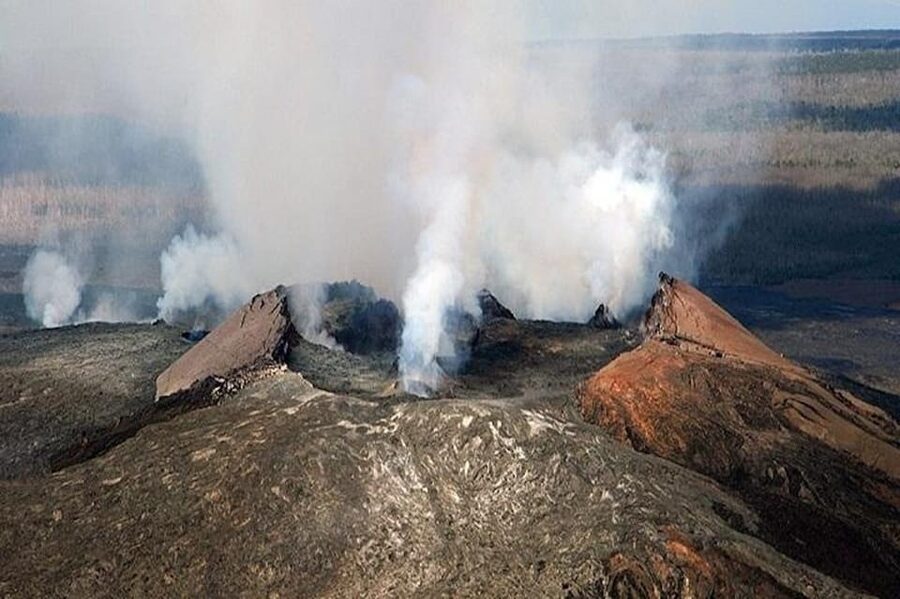
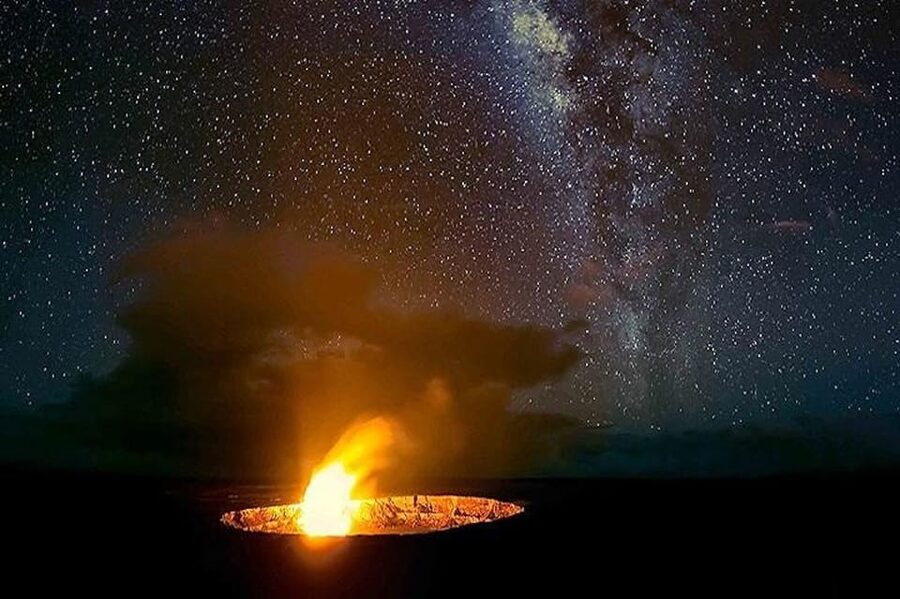
After that, you’ll explore active steam vents. This is a key part of the experience because it puts you near ongoing activity. Even if you never see a dramatic eruption plume, steam vents show the heat is still moving under the surface. It’s the kind of stop where you’ll hear explanations connect directly to what you can sense in the air.
Practical note: you’ll want sunglasses and a hat for both the beach and vent areas. Heat glare off bright sand and sun can be tough, even when you think you’re dressed for it.
This section of the day also teaches a good lesson in expectations. The tour’s goal isn’t to promise fireworks. It’s to help you understand the landscape’s logic: where heat comes from, why volcanic materials look the way they do, and how active processes shape what you see.
Hawaii Volcanoes National Park: Kilauea visitor center and park viewpoints
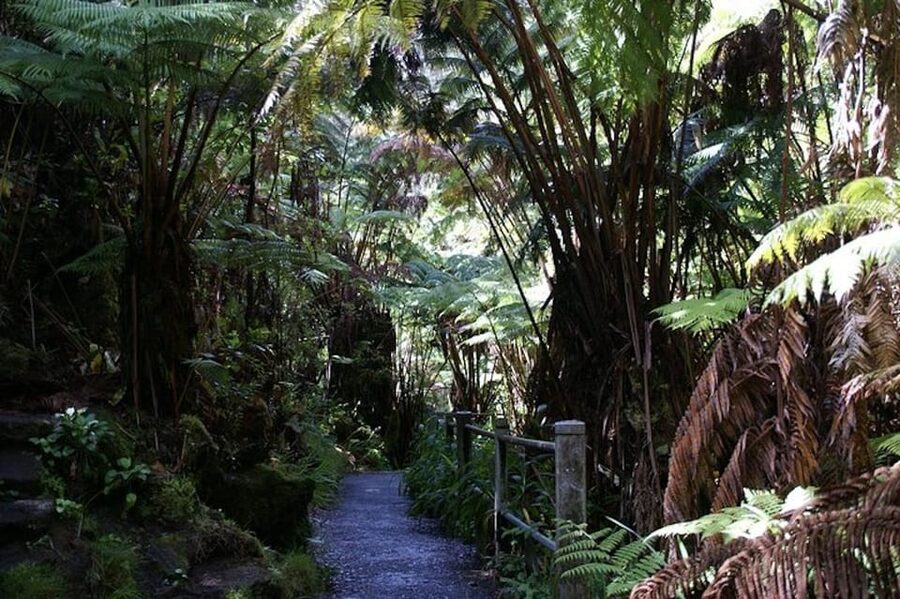
The main event is Hawaii Volcanoes National Park, and the tour is designed to help you understand it in layers. You’ll visit the Kilauea visitor center, and that’s smart because it gives you a foundation before you start hunting for the details in the field.
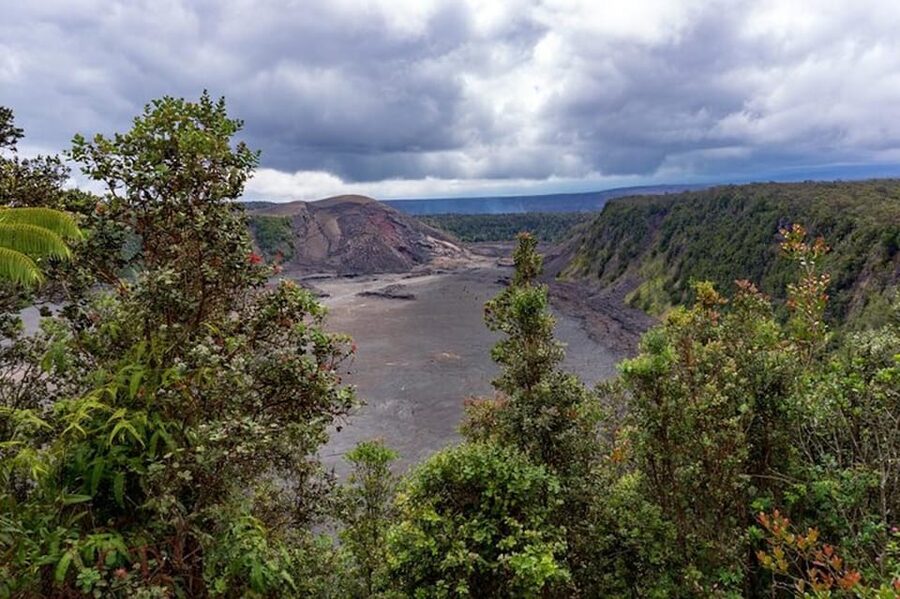
At the visitor center, focus on the timeline story: what you’re looking at today, what it used to be, and how lava and water have shaped changes over time. The tour specifically aims to explain the chronological life of the volcano, which is the difference between seeing scenery and understanding systems.
Then you move through the park with stops like Thurston lava tube. The tour also leans into education beyond just naming features. When your guide explains why one area looks the way it does, it changes how you interpret everything else. The park becomes a classroom where the lessons are written in rock.
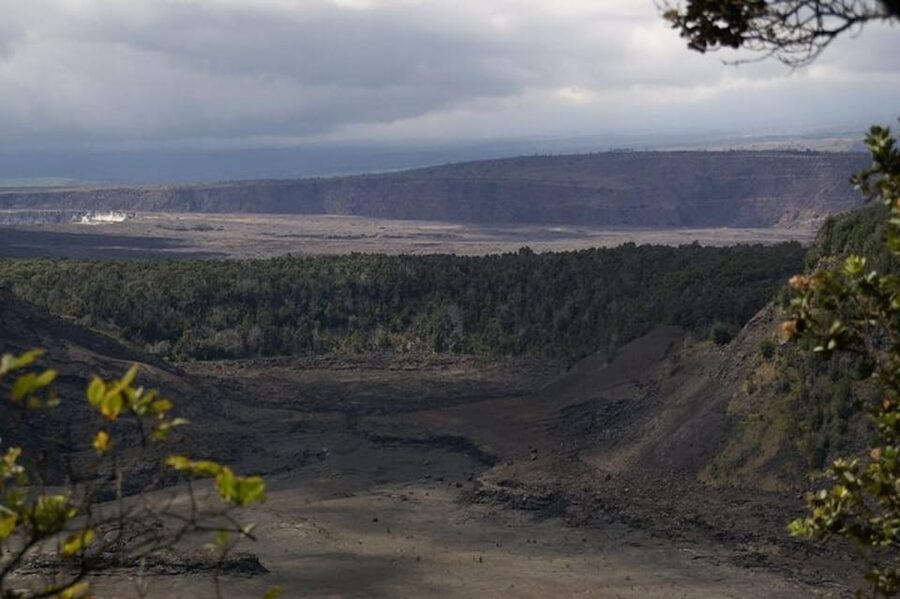
One thing to be aware of: if you expected the park to feel like a lush rainforest, you may find it more stark and volcanic than green and tropical. That’s not a flaw in your day. It’s the reality of the setting. Volcanic regions can be dramatic and strange without being the lush forest image many people have in their head.
Thurston lava tube: the star stop for real-world geology
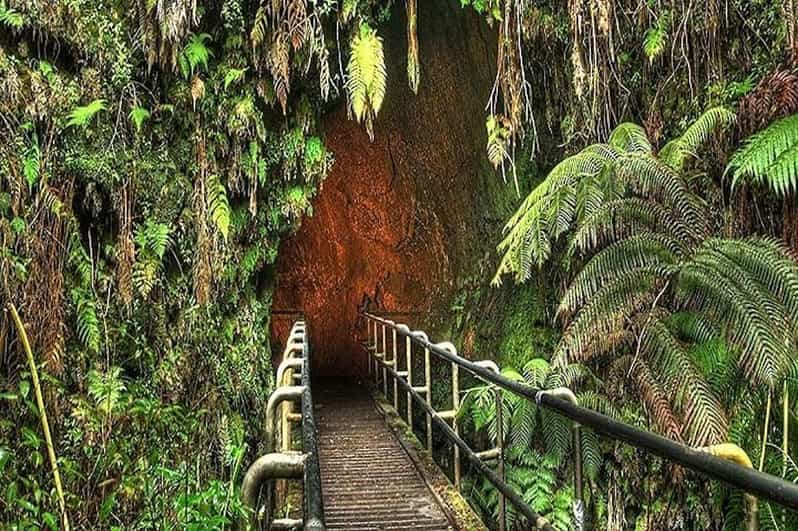
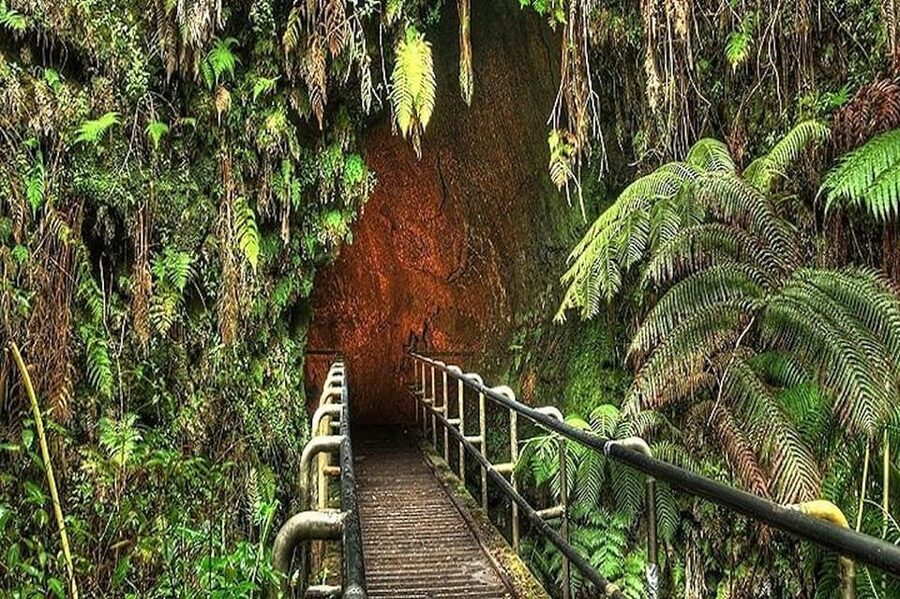
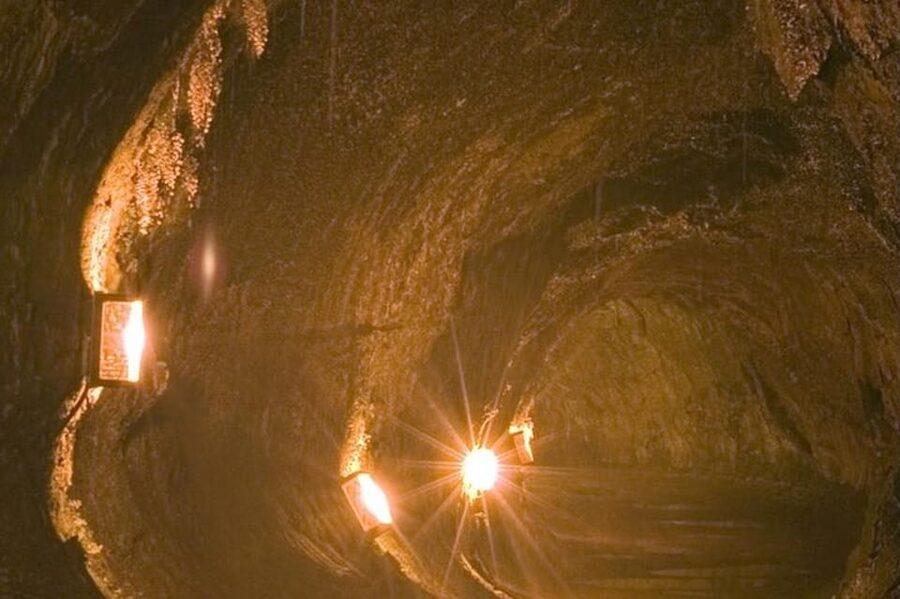
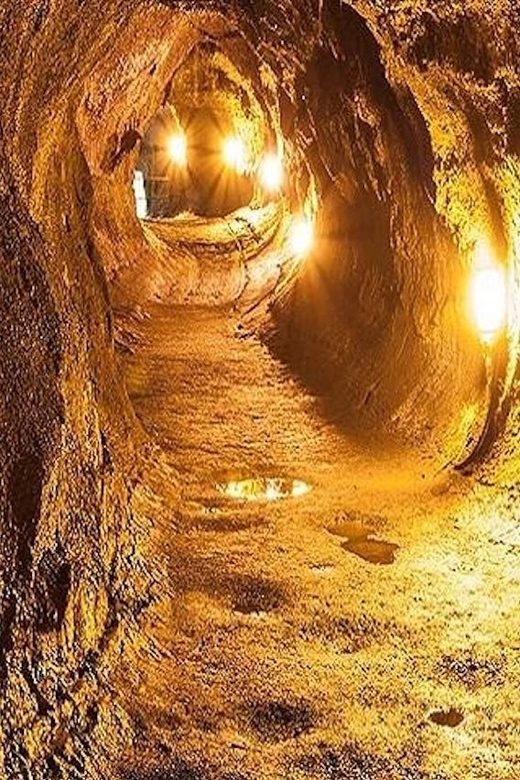
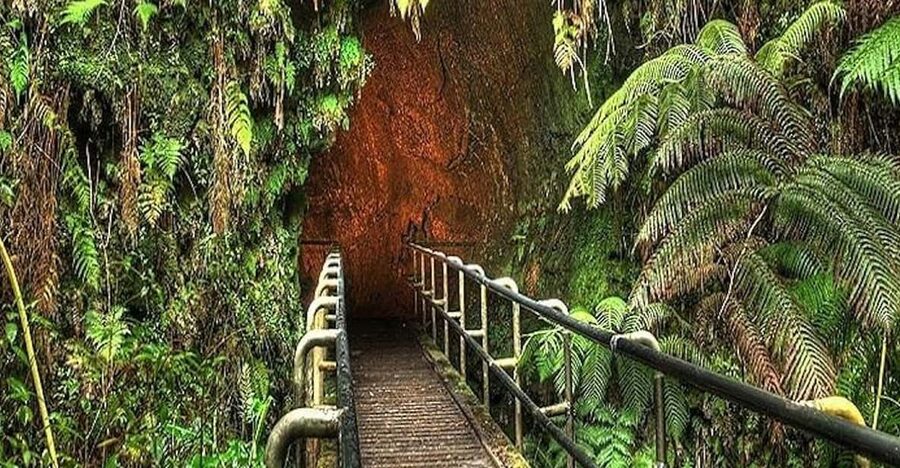
If there’s a “wow” moment in this itinerary, it’s Thurston lava tube. A lava tube is a physical record of flowing lava—channels that moved heat and melt, then left a hardened structure behind. Standing near it is one of the best ways to make the day’s geology lessons stick.
I love that this isn’t just a view from a parking lot. A lava tube gives you a chance to understand the way lava travels. It’s a tangible example of how the island’s active forces created something you can still explore.
Even when Kilauea isn’t actively erupting, the tour still makes the island feel alive because the tube and park features are the evidence of past activity. You get a sense of scale, and you realize the island isn’t static. It’s built, rebuilt, and edited over and over by geology.
This is also a good stop for photography, but don’t forget to slow down. Let your brain register what it’s seeing before you move on. You’ll enjoy the tube more if you treat it like a place to observe, not a stop to rush through.
Guide power: what to look for in Henry, Mel, Mia, and Melvin
Because this tour is guided, your experience can hinge on the guide’s style. The best versions of this day tend to have a few things in common:
- Clear explanations that match the view
- Natural storytelling that keeps the group engaged
- Extra local context that makes stops feel less generic
Names that have come up with strong feedback include Henry, Mel, Mia, and Melvin. People credited them for being engaging, knowledgeable, and able to connect the history of the island to what you’re seeing. One standout trait described was the personal touch—small moments of interaction that make a small group feel more like a shared conversation.
Here’s what I suggest you do on the day:
- Ask questions early, during the drive. If something is confusing, it’s easier to fix when you’re still near the start.
- Pay attention to how the guide sets up each stop. The best explanations come right before you arrive.
- If you’re interested in geology, lean into it. This tour’s format supports questions.
If you want a smooth, informative day that doesn’t feel like a lecture, this is one of those tours where the guide can really change your outlook.
Price and value: what $205 buys you on the Big Island
At $205 per person, you’re paying for a guided full-day route that includes more than just transportation. The package covers:
- Pickup and drop-off in the Kailua-Kona area
- Kona, Kona coffee belt tour
- Punalu’u sweet bread bakery visit
- Punalu’u black sand beach visit
- Active steam vents exploration
- Hawaii Volcanoes National Park admission
- Thurston lava tube visit
- Kilauea visitor center
That’s a lot of guided, specific stops bundled into one schedule. You’re also not paying extra for park admission in the middle of the day, which saves time and avoids last-minute ticket headaches.
Budget add-ons are simple:
- Meals aren’t included
- Parking fees aren’t included
The tour also has a few restrictions you should note before you pack. You can’t bring drones, and you can’t use a cooler. No alcoholic drinks in the vehicle, and bare feet are not allowed. There’s also a note that the tour isn’t for unaccompanied minors, and there’s no mention of scooter use. If you travel with any of those items, you’ll need a different plan.
When a tour includes entry and guided stops like a lava tube and a national park experience, the price starts to make more sense. You’re not trying to stitch together four or five separate activities on your own while driving across the island.
Who should book, and who should skip it
This is a long day and it’s not for everyone. The tour isn’t suitable for:
- pregnant women
- people with back problems
- people with mobility impairments
- people with heart problems
- wheelchair users
That isn’t just legal language. It’s a heads-up that the day likely involves uneven, outdoor conditions and a lot of time on the move.
It’s also a great fit if you:
- want a guided volcano day instead of DIY driving
- like science that connects to real places
- enjoy local food stops like coffee and sweet bread, not just big attractions
- prefer a smaller group (up to 14) so you can ask questions
If you’re visiting the Big Island for the first time and you want one day that explains the island’s engine, this is a strong choice.
Should you book this Hawaii Volcanoes National Park tour?
Yes, if you want a structured day that balances Kona culture and active volcanic geology, and you value a guide who can explain what you see in plain language. The inclusion of park admission and Thurston lava tube is a big part of the appeal, and the coffee belt and sweet bread stops make the day feel more rounded than a straight-to-crater outing.
Hold off or look for alternatives if you need frequent access to restrooms on demand, have mobility or medical constraints listed above, or your main goal is a guaranteed eruption show. Active lava isn’t promised. What is promised is the chance to understand the island’s living system through the park’s most meaningful features.
FAQ
How long is the Hawaii Volcanoes National Park tour from the Kona area?
The tour duration is listed as 12 hours.
What’s included in the tour price?
Included items are pickup and drop-off in the Kailua-Kona area, visits to Kona, the Kona coffee belt, Punalu’u sweet bread bakery, Punalu’u black sand beach, active steam vents, Hawaii Volcanoes National Park admission, Thurston lava tube, and the Kilauea visitor center.
Are meals provided?
No. Meals are not included.
Where do I meet for pickup if I fly into Kona International Airport?
If you fly into Kona International Airport, you meet at the lot behind Alaska baggage claim B-2.
How big is the group?
The group is limited to 14 participants.
Is this tour wheelchair accessible or suitable for mobility issues?
No. It’s not suitable for wheelchair users or people with mobility impairments.
What items can’t I bring?
Drones are not allowed. Coolers, scooters, smoking in the vehicle, unaccompanied minors, alcoholic drinks in the vehicle, and bare feet are also not allowed.