REVIEW · NORWAY
Dovrefjell National Park: Hiking Tour and Musk Ox Safari
Book on GetYourGuide →Operated by Dovre & Lesja Aktiv · Bookable on GetYourGuide
Musk ox, but make it a hike. In Dovrefjell National Park, you search for wild musk ox on foot with a local guide, using a rule that keeps you at 200 m and still gives great viewing. I love the emphasis on safe, sustainable wildlife and the way the guide ties the park to local life. The main drawback to plan for: the animals wander freely, so your route and total hiking distance can shift day to day.
Check in at Hjerkinnhusvegen 35, then there’s a short drive before you start walking. You’ll carry binocular-friendly time, plus a telescope for spotting. It’s rain or shine, so pack warm layers and a packed lunch.
In This Review
- Key things to know before you go
- Why Dovrefjell is such a strong musk ox setting
- Hjerkinnhusvegen 35: meeting point, timing, and the one bus to ignore
- The safari rhythm: how your hike distance gets decided
- Walking with a guide: what you’ll learn while you scan
- Musk ox safety rules that make the experience better
- Where the viewing actually happens during the hike
- Gear that really matters: rain, warmth, shoes, and binoculars
- Price and value: what $64 buys you in real terms
- Who should book this musk ox hiking tour (and who should skip)
- Booking decision: should you go for the Dovrefjell musk ox safari?
- FAQ
- Where do I meet for the Dovrefjell National Park musk ox safari?
- What time does the safari start?
- How far do we hike?
- Is the tour walking only, or is there driving too?
- Do I need binoculars?
- What should I bring?
- Is food included?
- Can I bring a dog?
- Is the tour affected by rain?
Key things to know before you go
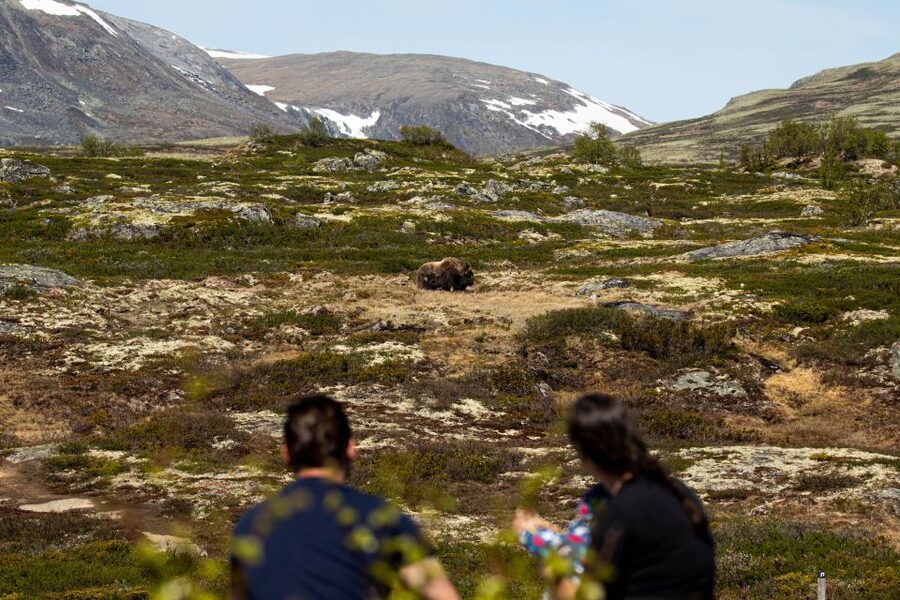
- Safe musk ox distance (200 m): Close enough for wildlife viewing, far enough for everyone’s safety.
- Your hike length can change: Expect roughly 6 to 15 km total, based on where herds are that day.
- Small-group feel: You may be with a tight group, sometimes around four people.
- Guide-led wildlife spotting: You’ll use telescope support and learn what you’re seeing.
- Weather-ready mountain hiking: Bring waterproof shoes and extra warmth since conditions can flip fast.
- Park matters to locals: You’ll hear why Dovrefjell is important beyond just wildlife.
Why Dovrefjell is such a strong musk ox setting
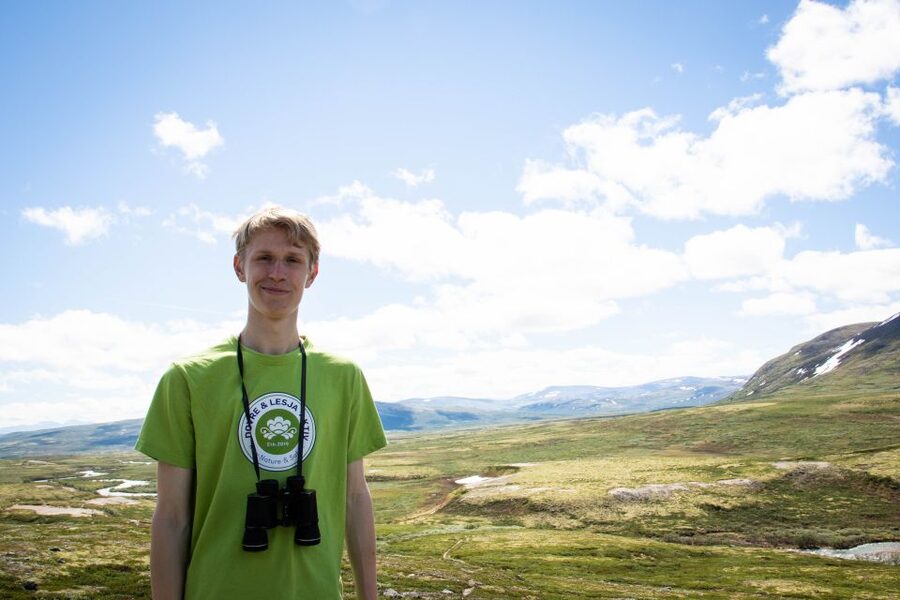
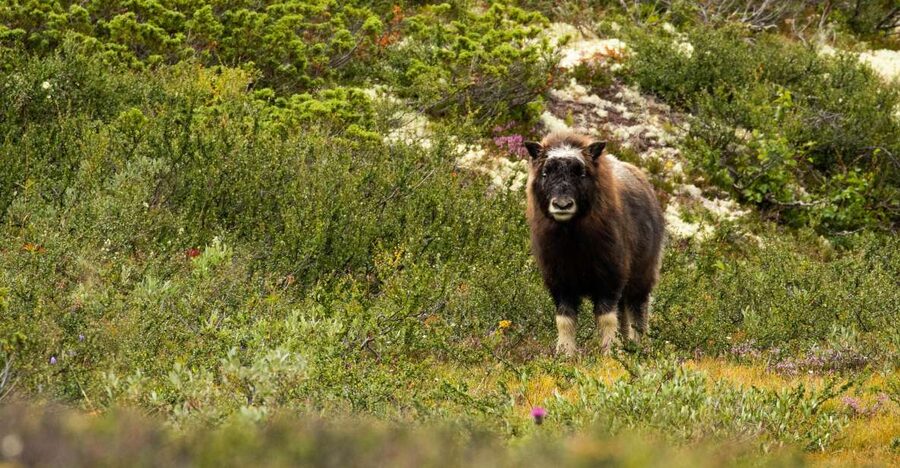
Dovrefjell National Park is one of the places in Norway where you can track musk ox in the wild, not in a zoo setting. That matters, because the whole experience is built around reading the landscape and the animal’s rhythm, rather than forcing a close-up encounter.
What I like most is the mindset. You’re not trying to chase. You’re trying to find. The guide’s job is to keep you positioned for viewing while still respecting the animals’ space. You’ll also learn the behavior and history side of musk ox, which turns a sighting into something you can actually understand.
The park connection is the other big plus. You don’t just walk past scenery and hope for the best. You learn why local people care about the national park, and how wildlife fits into that bigger picture.
You can also read our reviews of more tours and experiences in Norway.
Hjerkinnhusvegen 35: meeting point, timing, and the one bus to ignore
This tour starts with a clear check-in routine at Hjerkinnhusvegen 35, at Basecamp Frich’s Hjerkinn. You meet at the office area at 09:45, and the safari starts at 10:00. There’s a flag at the meeting point marked with the operator’s logo, and you’ll check in with your guide, who wears branded clothing.
One practical thing can save your day: during the summer season, there’s a shuttle bus to Snøheim that also leaves at 09:45 from the same address. Don’t get on it. That shuttle isn’t connected to this safari, and they won’t wait for you or refund your booking if you miss the start.
After check-in, you’ll drive about 5 to 10 minutes to the trail area. The short drive helps you use daylight wisely and get to a starting point suited to the day’s spotting plan.
The safari rhythm: how your hike distance gets decided
Once you’re at the trail start, the experience becomes flexible in a good way. Musk ox move, and the park is huge, so your guide adjusts the plan based on what’s possible that day.
In practice, the hike can be anywhere from 6 to 15 km total. That range isn’t a trick; it’s the reality of tracking wild animals while maintaining a strict 200 m viewing rule. The safari itself typically runs about 5 to 6 hours, depending on group fitness and where the herds are located.
This is also where the tour’s “value” shows up. You’re paying for expert decision-making in the field—choosing paths, scanning smartly, and pacing the group so you still enjoy the hike, not just rush through it.
If you’re the type who hates surprises in mileage, I’d treat this as an active-but-weather-dependent day. If you like movement and the thrill of wildlife searching, you’ll probably love how the plan adapts.
Walking with a guide: what you’ll learn while you scan
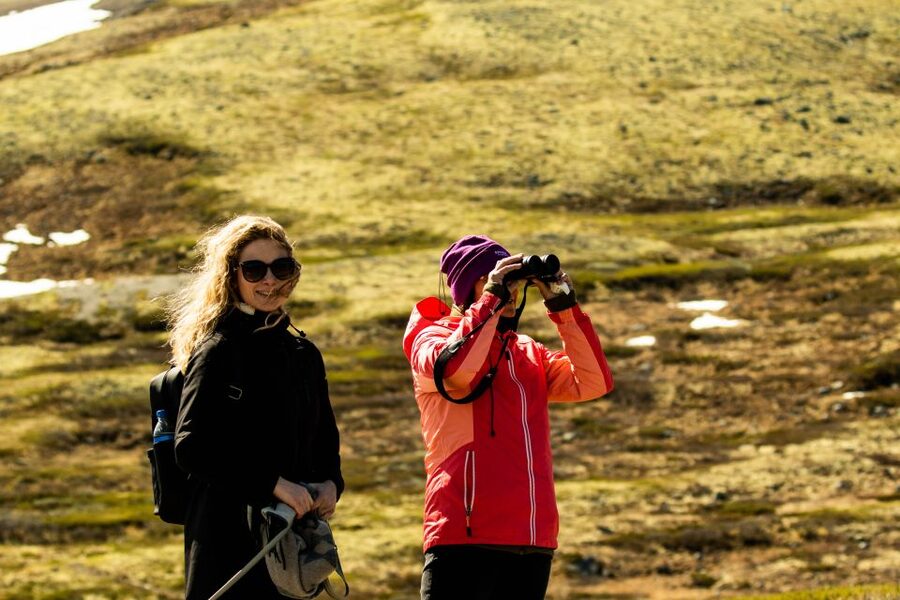
The core of this tour is simple: hike through Dovrefjell and look for musk ox. The guide keeps it meaningful by explaining what you’re observing and why it matters.
You’ll learn about musk ox behavior—how they act when they’re relaxed versus alert, and how that affects where and how you should watch. There’s also context on musk ox history in Norway and why seeing them here feels different than spotting a distant animal with no story attached.
The guide also brings other wildlife into the conversation, including reindeer. Even when you don’t get a musk ox sighting immediately, you’re usually learning to interpret the environment: what to watch for, how to read movement, and how to stay patient.
Based on what I’ve seen about guides who lead this safari (names like Kim and Uwe show up), the best part isn’t just spotting. It’s how they communicate in clear, practical language with a bit of humor, while still keeping the group safe and calm.
Musk ox safety rules that make the experience better
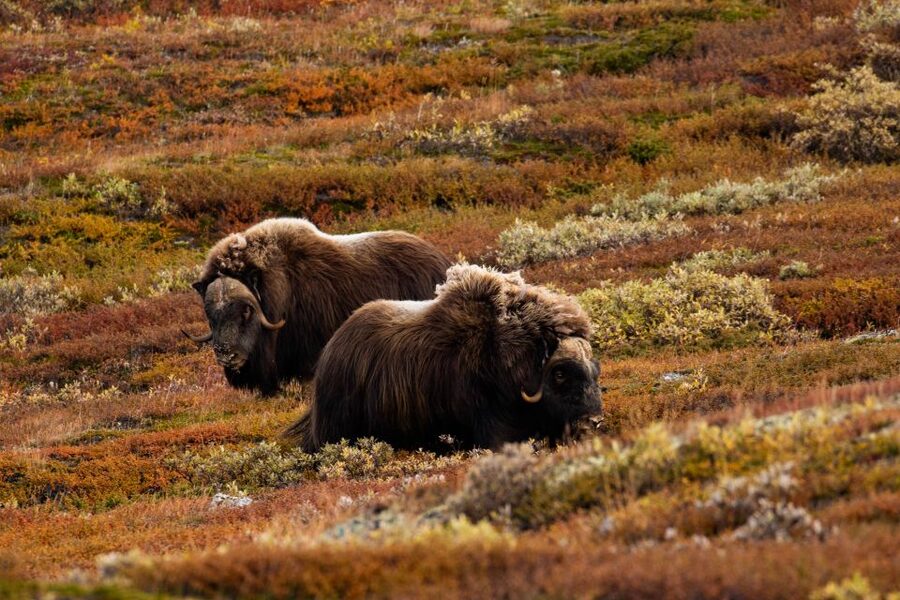
The biggest non-negotiable is the distance rule: you don’t go closer than 200 m to the musk ox. That can sound strict, but it’s the reason the safari stays safe and sustainable.
At that distance, your job becomes careful viewing, not crowding. That’s why the telescope is included. It helps you spot and track without pushing the animals or forcing the group into awkward positioning.
This rule also protects you. Mountain weather, uneven ground, and a group that’s trying to look at the same thing can create distractions. A clear boundary makes the whole outing calmer and more controlled.
If you’re bringing a dog, it’s allowed, but the guide may ask you to keep a longer distance in some cases. Dogs can add unpredictability, so the safety setup matters even more when animals are nearby.
Where the viewing actually happens during the hike
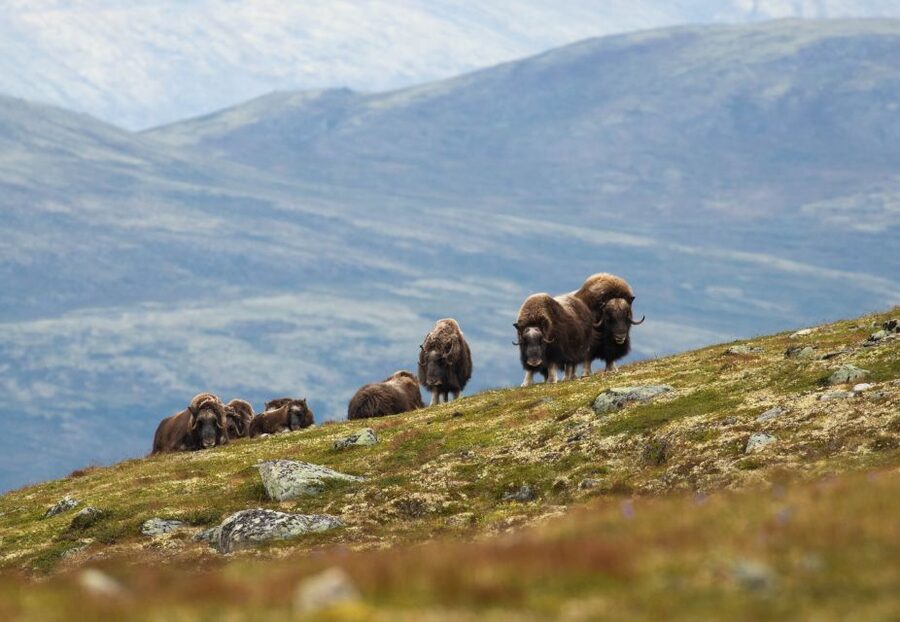
You won’t be stuck in one spot with a lecture. The musk ox sightings happen as your guide finds where herds are that day, and the group walks accordingly.
That means you should expect stops built around scanning, waiting, and then moving when the situation changes. Sometimes the hike route is popular, so you might see signs of other people on the trail, but the park is still large enough that you’re rarely feeling trapped in a crowd.
When the timing clicks, the experience can be spectacular. One example from past outings is a day with multiple herds seen, with totals that reached around 30 individuals. You can’t bank on that kind of count, since herds shift, but it shows what’s possible when conditions and luck line up.
Bring your patience. The thrill comes from learning to wait well—watching the terrain, staying quiet enough to notice subtle movement, and letting your guide work the spotting plan.
Gear that really matters: rain, warmth, shoes, and binoculars
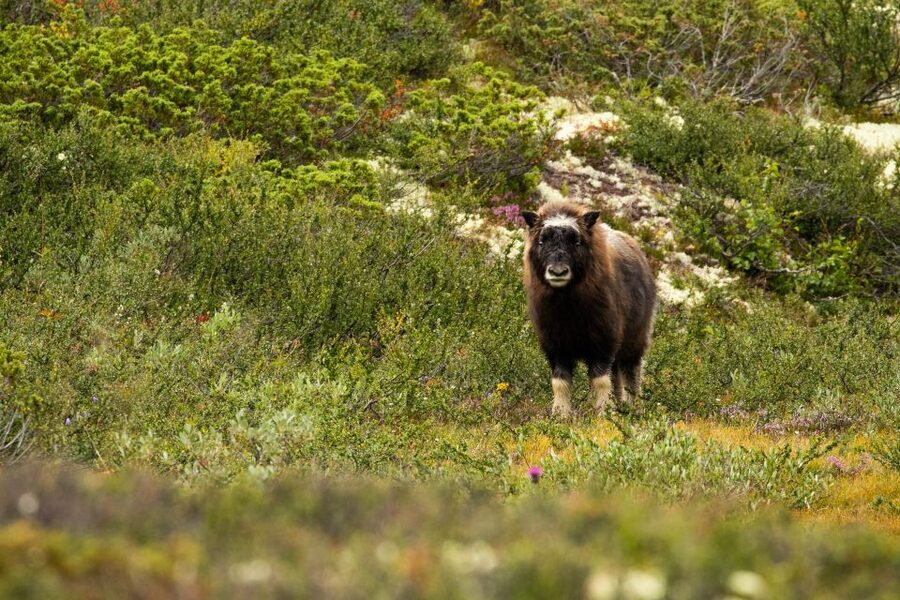
Norwegian mountain weather can change fast, so this tour works best when you dress like you mean it. You go out rain or shine, so waterproof gear isn’t optional if you want to stay comfortable.
Here’s what I recommend you pack based on how this safari runs:
- Waterproof hiking shoes (traction helps on uneven ground)
- Warm layers you can add or remove quickly
- Drinks and a packed lunch (food isn’t included)
- Binoculars if you have them (the telescope is provided, but binoculars help with flexibility)
- Something windproof if the forecast looks moody
Your lunch matters because you may be moving for hours. Having a meal ready also keeps the group from getting grumpy when viewing takes longer than planned.
One more small point: if you’re prone to cold hands, bring something for that. When you’re standing still to scan, your body cools down faster than it does on a moving trail.
Price and value: what $64 buys you in real terms
At about $64 per person, this doesn’t feel like a budget “maybe you’ll see something” outing. You’re paying for several things that are harder to DIY.
First, you get an experienced guide who can read the park and make smart decisions about where to hike and how to position the group. Second, you get a telescope for spotting, which upgrades your viewing power right away. Third, you get structure: you know when to meet, you know the safari timing, and you know the safety rules are built in.
You also get a good chunk of time outside—around 6 hours total—so you’re not just paying for a short walk. The trade-off is that the hike length can vary (6 to 15 km). If your fitness level is flexible and you enjoy an active day, that variability is part of the value.
Compared with casual self-guided wildlife hikes, this tour reduces stress. You’re not guessing where to start, how far to stay, or how to scan effectively. For many people, that alone makes the price feel fair.
Who should book this musk ox hiking tour (and who should skip)
This safari fits best if you want wildlife viewing with rules, not a scramble for closer photos. You’ll enjoy it most if you like guided nature time, don’t mind uneven terrain, and can handle a day where the route changes based on animal movement.
It’s not suitable for:
- Children under 6
- People with mobility impairments
- People with low level of fitness
Dogs are allowed, but be ready for distance adjustments if needed.
If you’re traveling with a vehicle, the day is easier since there’s a short drive before the hike. If you don’t have a vehicle, you should contact the operator beforehand so they can arrange transport. That’s important because the meeting point is specific, and missing the start has consequences.
Booking decision: should you go for the Dovrefjell musk ox safari?
I think this is a smart booking when you want a guided, wildlife-first hike in a place where musk ox are a real target. The 200 m rule keeps the whole experience responsible, and the included telescope plus guide knowledge makes it far more than a walk with hope.
Book it if:
- You’re comfortable with a hike that can run 6 to 15 km
- You want to learn about musk ox behavior and the park’s role locally
- You pack for cold, wet, and windy mountain weather
Skip it if:
- You’re not able to handle steady walking or uneven ground
- You expect guaranteed close-up encounters (this is wild animal viewing, not a photo guarantee)
- You’re hoping for a mostly easy stroll
If your goal is to combine real wildlife ethics with a guided mountain outing, this one is worth your time.
FAQ
Where do I meet for the Dovrefjell National Park musk ox safari?
You meet at the Basecamp Frich’s Hjerkinn area at Hjerkinnhusvegen 35. The meeting point is marked with a flag that has the operator’s logo, and you must check in with the guide wearing branded clothing.
What time does the safari start?
Check-in is at 09:45, and the safari starts at 10:00.
How far do we hike?
You’ll hike through the park for a total distance that can be anywhere from about 6 km to 15 km, depending on where musk ox are that day.
Is the tour walking only, or is there driving too?
There is a short drive of about 5 to 10 minutes after the start, to reach the hiking area.
Do I need binoculars?
Binoculars are recommended if you have them. A telescope for spotting the musk ox is included.
What should I bring?
Bring drinks, a packed lunch, waterproof hiking shoes, and extra warm clothes for unpredictable mountain weather. Waterproof footwear is especially important.
Is food included?
No. Food and drinks are not included, so you’ll need a packed lunch and water.
Can I bring a dog?
Yes, dogs can join, but the owner and dog may need to keep a longer distance from the animals in some cases.
Is the tour affected by rain?
The tour runs rain or shine.