REVIEW · DENALI NATIONAL PARK
Denali Naturalist Walking Tour
Book on Viator →Operated by Denali Backcountry Guides · Bookable on Viator
A short walk, but Denali teaches fast. This fully narrated Denali Naturalist Walking Tour pairs hotel pickup with a small group so you learn how Denali’s tundra, taiga, and boreal forest connect, while still having time for photos along the way.
I like that it doesn’t feel like a crowded, checklist-style outing. Denali is wide-open wild country, and the guide keeps you moving at a steady pace that fits most visitors.
I really like the way the guide turns the park into something you can actually understand while you’re walking. You’ll go at an easy 1 mph pace over “social” trails with roots, rocks, and mud, and guides like Alex and Connor are known for making plant and animal ID feel approachable.
One more plus: you get a professional, friendly explanation style, not a lecture that floats above your head.
One possible drawback to plan around: this tour stays on front-country trails accessible from the Visitor Center area. So if you’re craving deep backcountry mileage and remote terrain, this isn’t that kind of outing, even though it’s still scenic and worth doing.
In This Review
- Key Highlights You’ll Feel Right Away
- Why This Denali Naturalist Walk Works So Well for First-Timers
- Pickup and Arrival: The Vans With WALK DENALI Decals
- The Trail Reality: Moderate Pace, Uneven Ground, Real Walking Time
- What You’ll Learn About Denali: From Tundra Basics to Boreal Forest Clues
- Stop Structure in Plain English: Park Trails Plus a Local Guide Talk
- Wildlife and Photo Moments: Moose Signs, Birds, and Small-Mammal Activity
- Gear and Clothing: What to Bring (and What You Can Borrow)
- Price and Value: Is $132 Fair for a 3-Hour Narrated Walk?
- Who Should Book This Denali Naturalist Walking Tour
- Should You Book It?
- FAQ
- What hotels are available for pickup on the Denali National Park Walking Tour?
- How do I arrange hotel pickup for the tour?
- How long is the Denali naturalist walking tour, and how much do I walk?
- Is this tour strenuous or suitable for limited mobility?
- What should I wear and bring?
- What gear is provided by the tour?
- How many travelers are in a group?
- What is the cancellation policy and what happens if the weather is poor?
Key Highlights You’ll Feel Right Away
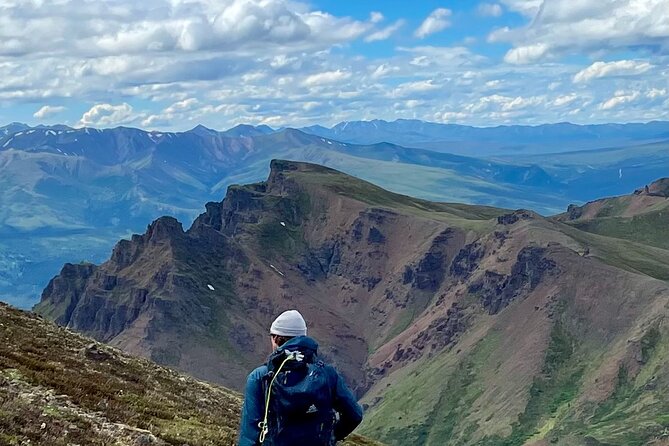
- Small group, max 7 people keeps the walk interactive and question-friendly.
- 3 hours at an easy pace (about 1 mph) makes it doable even if you’re not a hardcore hiker.
- Narration that connects ecosystems as you move from tundra-type areas into taiga and boreal forest.
- Frequent photo stops plus story time so you’re not rushing past the good parts.
- Gear help in changing Alaskan weather includes items like rain gear, overboots, trekking poles, and some water.
- Nature lessons on what’s right under your feet (trees, berries, and even signs of how plants survive).
Why This Denali Naturalist Walk Works So Well for First-Timers
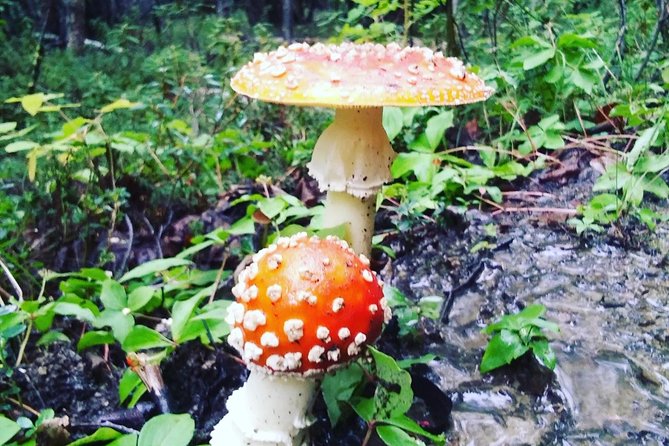
Denali is huge, and it can be hard to know where to aim your attention. This tour is a practical answer: you’re on the ground walking real trails, but the guide helps you read what you’re seeing.
I also like how it’s built for people who want a “start here” experience. A short, guided walk can make the rest of your Denali days click, especially if you’ve been scanning from buses or lodges and want to understand what’s happening at plant level.
There’s also something comforting about the pacing. You’re not sprinting between viewpoints. Instead, you’re moving slowly enough to look, listen, and ask why.
And yes, the guide narration is the core value. With a 4.8 rating and 94% recommending, this tour consistently delivers the main thing people come for: learning in a small-group setting.
You can also read our reviews of more tours and experiences in Denali National Park.
Pickup and Arrival: The Vans With WALK DENALI Decals
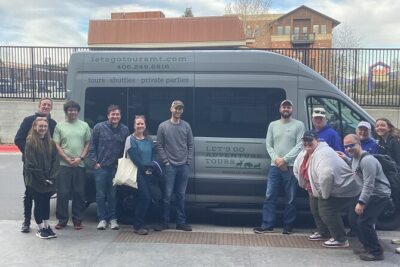
The day starts with hotel pickup, so you don’t have to coordinate a car or hunt down a trailhead. Your van will have WALK DENALI decals on it, which makes the meeting point simpler once you step outside.
Pickup is offered from several Denali area hotels, including Denali Wilderness Princess Lodge, Mckinley Chalets, Denali Bluffs, Grande Denali, and Mckinley Village. If you’re staying in one of these, you’re already set up for an easy start.
You’ll also use a mobile ticket. That’s helpful when you’re juggling phones, weather layers, and camera batteries in the same pocket.
One small tip for your sanity: confirm the pickup time in advance and be ready a little early. In Denali country, “a few minutes” can turn into waiting in wind while you’re still finding your rain jacket zipper.
The Trail Reality: Moderate Pace, Uneven Ground, Real Walking Time
This is a moderate hike, not a flat stroll. Expect roots, rocks, and mud, and plan for uneven footing even when the trail looks friendly.
The tour is described as roughly 3 hours total, and the walking is often in the 3–4 mile range depending on participants. The pace is about 1 mph, which sounds slow because it is meant to be comfortable for observation and questions.
Bring sturdy shoes. Overboots are available if you need extra protection, but you still need footwear that can handle a cold, wet, and uneven path.
Also, it’s not recommended for people with walking disabilities. That’s not a “might be hard” warning. The ground can be bumpy enough to make balance a real factor.
If you’re traveling with kids, note the age guidance is firm: it’s not recommended for children aged 11 and under, and the general guidance points to children under 12. If you’re on the edge for mobility or age, it’s worth weighing whether you’ll enjoy the walk or spend the whole time worrying.
What You’ll Learn About Denali: From Tundra Basics to Boreal Forest Clues
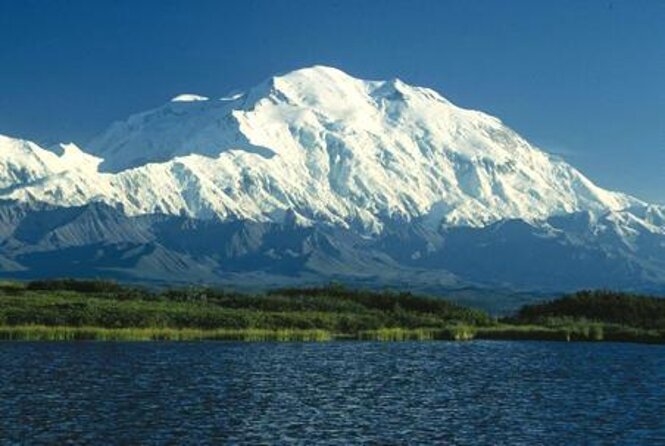
Denali isn’t just one habitat. It’s a chain of ecosystems, and the guide helps you see the connections as you walk.
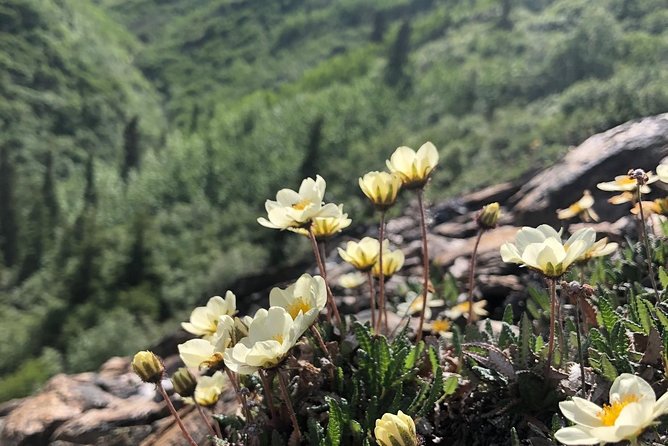
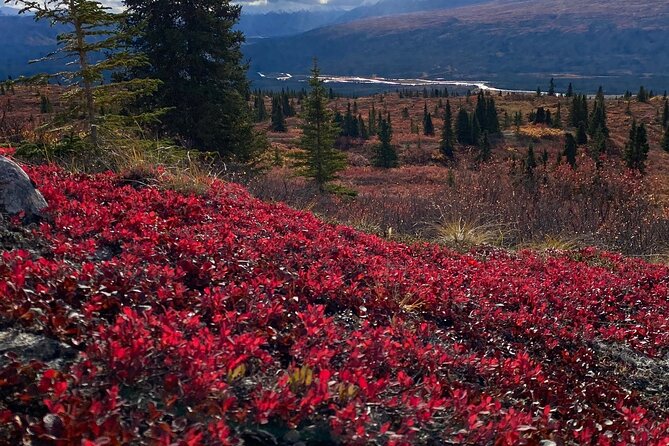
You’ll hear about multiple zones, including tundra and taiga, plus the boreal forest. If you’re lucky with conditions, you may also get glacial river views and a look at the mountain itself, though that part comes down to weather and timing.
This is where the guide’s experience matters. The guides have a minimum of five years of Alaska guiding experience, and you’ll feel that in how they explain things at your pace.
I especially like the “look closely” approach. Instead of saying Denali is diverse in theory, the guide points out specific plants and explains how they fit into the ecosystem. Guides such as Andy, Javier, and Joseph have been highlighted for flora and fauna explanations that are both practical and fun to follow.
You may also hear about scarring on trees like aspen and what can cause those marks. It’s the kind of detail that turns a random trunk into a clue.
And yes, you can learn history too. Some guides connect today’s park rules with early use of plants by Indigenous people, including how limited resources were used to survive in harsh conditions.
Stop Structure in Plain English: Park Trails Plus a Local Guide Talk
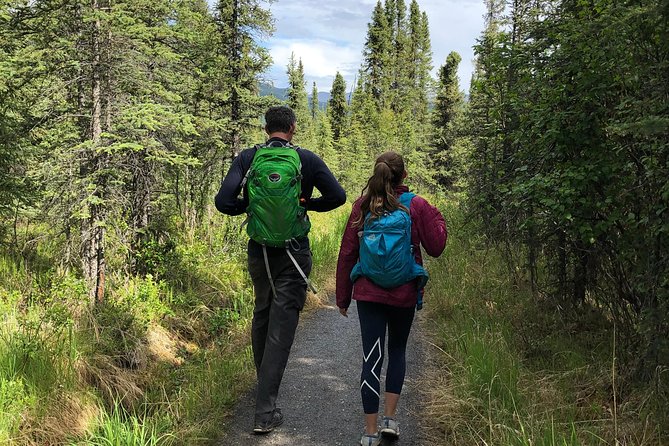
The walk portion happens inside the park on front-country trails. You’re not wandering into restricted areas, and you’re not using off-limits routes.
There’s also a second part focused on local guiding knowledge. Expect a stop tied to Denali Backcountry Guides, where you’ll get more context that helps you understand the area beyond just the plants.
A key expectation: multiple notes point out you’ll only be guided on trails accessible to the public within the park area, and guidance doesn’t go beyond the Visitor Center. That can be a good thing. It keeps the route straightforward and helps you connect what you learn to what you can explore on your own afterward.
So if you’re doing Denali for the first time and want a guided path that you could also follow independently later, this format makes that possible.
Wildlife and Photo Moments: Moose Signs, Birds, and Small-Mammal Activity
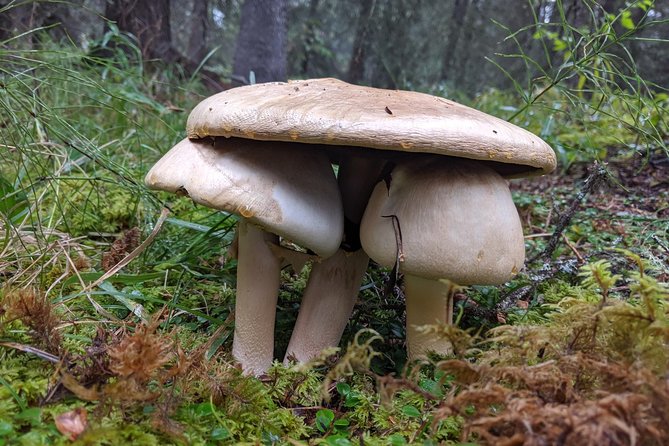
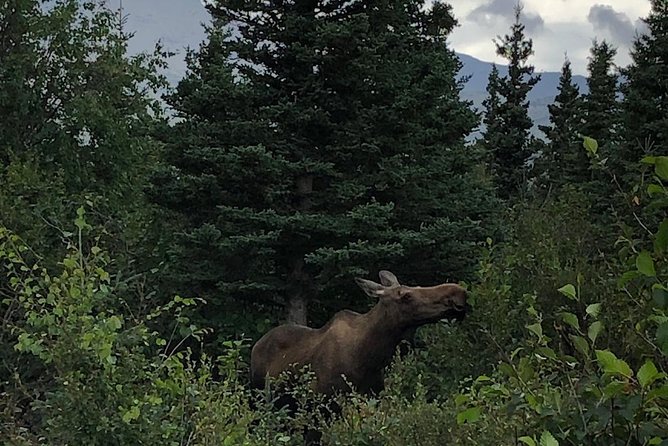
The guide keeps stopping for photos and conversation, and you’ll often pause long enough to spot small details. That matters because Denali wildlife sightings aren’t constant. Much of what you’ll notice is signs: tracks, feeding patterns, or where food grows.
Wildlife highlights can include a moose cow and calf, plus bird sightings like an American goshawk. You might also see or hear smaller activity such as snowshoe hare and squirrels working hard to prepare for winter.
Even when you don’t get a dramatic animal moment, the ecosystem lessons can still feel exciting. Learning what to look for turns the entire walk into an active search rather than a pass-through.
In some seasons, you may also get foraging-related education and spot berries like blueberries, crowberries, lingonberries, rose hips, and cranberries. If your guide offers this, it’s tied to the season and handled carefully as part of the nature interpretation.
One realistic note: none of these sightings are guaranteed. You’re going for educated observation, not a guaranteed animal checklist.
Gear and Clothing: What to Bring (and What You Can Borrow)
The tour operates in all weather conditions, which means you’ll want to dress like Alaskan weather can change in an hour. In practice, that usually means you’ll be using layers and rain protection more than you expect.
Wear:
- Sturdy walking shoes for roots, rocks, and mud
- Layers you can adjust as you warm up
- A jacket and rain gear
- Sunscreen, a hat, and sunglasses
- Bring a camera, and binoculars if you have them
Bring a water bottle if you can. The tour provides water, but you may want extra for your own comfort.
What’s provided can help a lot if you travel light. Some outdoor gear may be available, including rain gear, overboots, trekking poles, and water. That doesn’t remove the need for good shoes, but it can save you from buying or packing extra items.
If you tend to run cold, pack warmer layers than you think you need. Short tours still feel longer in wind.
Price and Value: Is $132 Fair for a 3-Hour Narrated Walk?
At $132 per person, this isn’t a budget add-on. The value comes from a few specific things that don’t show up on a self-guided map.
First, you’re paying for hotel pickup and drop-off. In Denali, that convenience can be the difference between enjoying the day and spending it figuring out logistics.
Second, you’re paying for interpretation. A naturalist guide helps you understand what you’re seeing—tundra and boreal forest connections, plant survival strategies, and how people historically used local resources.
Third, the group size cap (up to 7 travelers) makes it easier for the guide to slow down when questions pop up. That personal pacing can be worth a lot on a short trip.
Now, a balanced expectation check. Some people feel underwhelmed if they expected exclusive, far-away routes or more mileage. This tour uses trails that are accessible to the public, and you don’t get to roam beyond the Visitor Center area. It’s narrated education, not private backcountry access.
Also, snacks aren’t included. If you’ll be hungry at the end, plan a meal afterward. Many guides and schedules are built around pre-dinner timing, so having a small snack plan can keep you from thinking about food instead of wildlife.
Who Should Book This Denali Naturalist Walking Tour
This is a great fit if you want to understand Denali quickly without making it complicated. It’s especially good for first-time visitors who have limited time and want to connect what they see with why it matters.
I’d also recommend it to solo travelers. Several guides have adjusted pacing for different group setups, and the smaller group format can make it feel friendly rather than awkward.
Couples and friends also tend to enjoy it because you can keep talking while you walk, and the guide’s humor and quick answers keep the tour moving.
It’s less ideal if:
- You have mobility limitations and uneven footing is a problem
- You’re expecting strenuous hiking or big elevation effort
- You want a long-distance backcountry route beyond the Visitor Center
- Your child is under the recommended age range
If you’re a serious hiker who already knows the local plant names and habitats, you might need a different kind of tour to justify the cost. But if you’re hoping for context and hands-on learning, this is one of the easiest ways to get it.
Should You Book It?
Yes—if you want a short, guided Denali experience that makes the park make sense. Book it if you like learning in the field, want a guide to help you notice plants, berries, and wildlife signs, and you value hotel pickup that removes friction from your day.
I’d also book early if your travel window is tight. This tour is often booked about 85 days in advance, and smaller group sizes can fill faster.
Skip it (or choose a different option) if you’re chasing long backcountry mileage, need a very flat trail, or you already know Denali ecology well enough to go fully on your own.
If you take one thing from this: go in with the right expectation. You’re buying guided nature reading, not a rugged expedition. In return, you get a smarter Denali day, a better sense of what you’re looking at, and a guide who can answer the questions that show up the moment you spot something interesting.
FAQ
What hotels are available for pickup on the Denali National Park Walking Tour?
Hotel pickup is offered from Denali Wilderness Princess Lodge, Mckinley Chalets, Denali Bluffs, Grande Denali, and Mckinley Village.
How do I arrange hotel pickup for the tour?
Please contact the local operator directly using the phone number on your ticket at least 24 hours prior to departure to arrange meeting and pickup details.
How long is the Denali naturalist walking tour, and how much do I walk?
The tour runs about 3 hours. It is described as moderate, with many tours walking around 3–4 miles depending on participants.
Is this tour strenuous or suitable for limited mobility?
It’s moderate and the trail is not flat. It is not recommended for those with walking disabilities due to uneven surfaces.
What should I wear and bring?
Wear layers, and bring sturdy walking shoes, sunscreen, a hat, and sunglasses. You should also bring a water bottle, a jacket, and rain gear, plus your camera. Binoculars are recommended if you have them.
What gear is provided by the tour?
Some outdoor gear is available, such as rain gear, overboots, trekking poles, and water.
How many travelers are in a group?
The tour has a maximum of 7 travelers.
What is the cancellation policy and what happens if the weather is poor?
You can cancel up to 24 hours in advance for a full refund. If it’s canceled due to poor weather, you’ll be offered an alternative date or a full refund.