REVIEW · JEFFREYS BAY
Addo Elephant National Park All Inclusive Full-Day Safari
Book on GetYourGuide →Operated by Afroventures Tours and Safaris · Bookable on GetYourGuide
A full day in Addo Elephant National Park is a lot of things at once: big-animal luck, tight guiding, and that rare feeling of watching wildlife on its own terms. This all-inclusive format is built around time in the park, not rushing around, plus a guided focus on elephants, predators, and even Addo specialties like the flightless dung beetle.
What I like most is how the day is structured around two solid wildlife drives, and how the tour centers the park’s original elephant area—proclaimed back when the population was just eleven.
One consideration: sightings are never guaranteed. Addo’s animals can stay hidden (and wind or rain can change what you see), so plan to enjoy the process, not only a checklist.
In This Review
- 6 key things that make this Addo safari special
- Why Addo feels different from other safaris
- Getting from Port Elizabeth to the park (and why timing matters)
- The first game drive: elephants first, then the predators
- Viewing with an expert guide: what you’ll notice in the moment
- Lunch inside the park (and how to make it work for you)
- Second game drive: second chances for Big Five moments
- The guides are the real value add: Freddy, John, King Elvis, Sidwell, Wanele
- Comfort, photo angles, and what your Jeep day actually feels like
- Price and value: why $186 can make sense for a full-day Addo safari
- Who this safari is best for
- Should you book this all-inclusive Addo safari?
- FAQ
- How long is the Addo Elephant National Park safari?
- Where do pickups happen?
- What size is the group?
- What vehicle do you use?
- What’s included in the price?
- What should I bring?
- Are drones allowed?
6 key things that make this Addo safari special
- Original elephant section history: a place set aside in 1931, when only eleven elephants remained in the area.
- Big 7 angle: Addo is linked to the Big 5 plus the southern right whale and great white shark off Algoa Bay.
- Two long game drives: about 3 hours before lunch and 3 hours after lunch.
- Small group size: limited to 10 participants, so you’re not fighting for a view.
- Closed 4×4 with photo-friendly access: air-conditioned Jeep with window seats and foldable windows (some vehicles feel more open due to the roof).
- Guide spotting skills matter: guides like Freddy, John, King Elvis, Sidwell, and Wanele are repeatedly praised for finding animals fast.
Why Addo feels different from other safaris
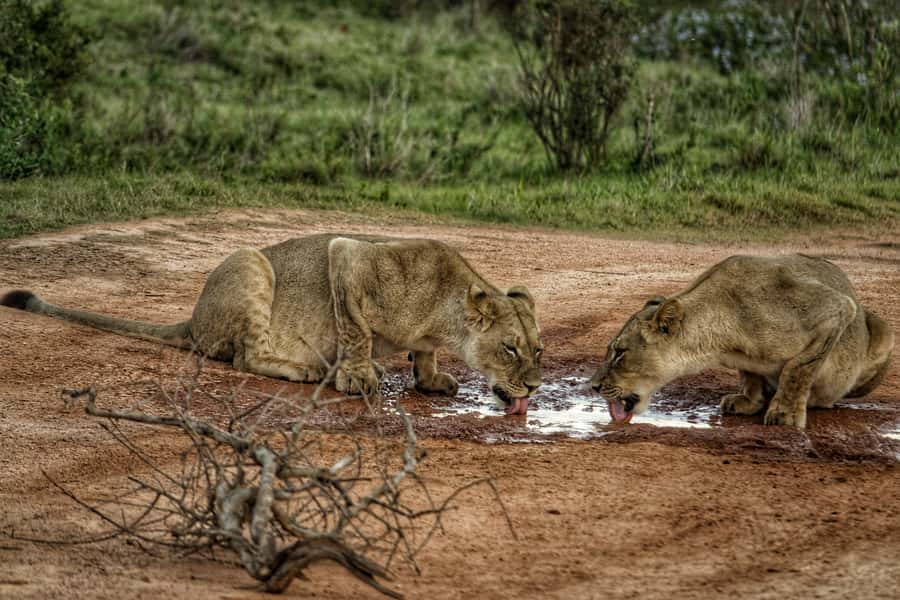
Addo Elephant National Park is in South Africa’s Eastern Cape, close enough to Port Elizabeth that a full-day safari can feel like a real day trip. But once you’re in the park, it doesn’t feel like a quick detour. The elephants are the headline, sure—but what makes Addo worth your time is that the park is layered.
You’re not only looking for big mammals. You’re also learning how the ecosystem works. The tour highlights the park’s original elephant section and points you toward smaller, Addo-specific life—like the Addo flightless dung beetle, found almost exclusively in Addo. That’s the kind of detail that makes the whole day feel grounded, not just like a drive-and-hope routine.
And then there’s the Big 7 concept. The tour notes Addo as a rare case where protection connects the Big 5 with marine icons off Algoa Bay—southern right whale and great white shark. It’s a reminder that conservation here isn’t only about one habitat. It’s connected, even if you’re staying inland.
Getting from Port Elizabeth to the park (and why timing matters)
Pickup runs from 8:30 AM to 9:20 AM depending on where you’re starting. You’ll be collected from places like Port Elizabeth, Bluewater Bay, Colchester, or Addo. If your accommodation isn’t covered, you can use a meeting point arranged around the Matyholweni Entrance (South Gate) of the park. The operator also contacts you the day before to confirm the exact pickup time.
The drive into the park is about 35 minutes. That short transfer matters more than it sounds. It buys you a longer usable day inside Addo without turning the morning into a half-day commute. You’ll also start with a small group, max 10 people, which makes it easier for the guide to manage quick stops for sightings.
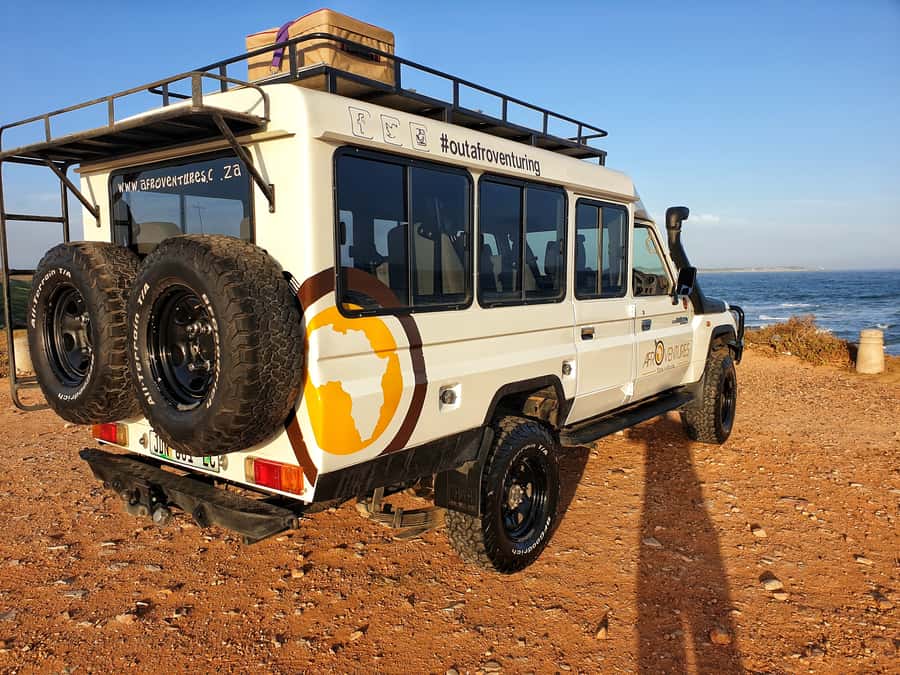
The vehicle is an air-conditioned 4×4 Jeep, closed for comfort, but built for viewing. Each passenger has a window seat, and the windows fold down for photography when animals appear. Some safari vehicles also feel more open with a roof option, and guides often adjust positioning so everyone gets the angle they need.
The first game drive: elephants first, then the predators
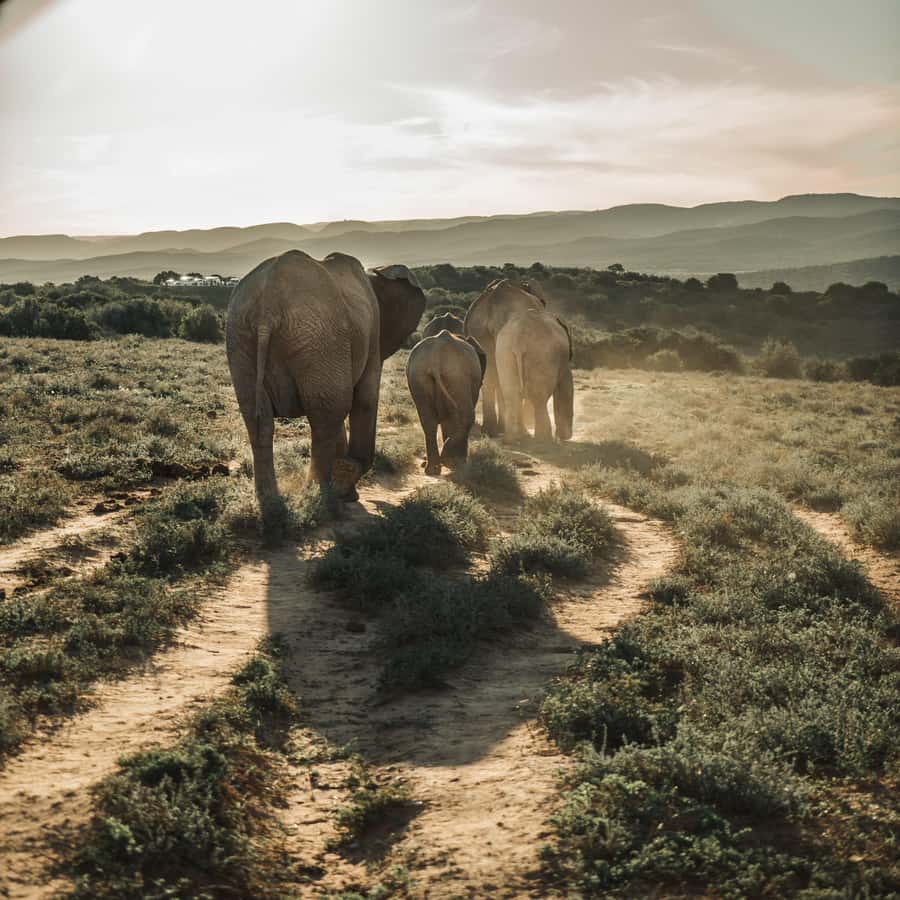
Once you arrive, your first wildlife drive is about 3 hours. This is where the guide’s skill really shows—because elephant country can look calm until it suddenly isn’t. The guide isn’t just scanning for movement; they’re watching patterns: where animals feed, how they travel, and what predators might be following.
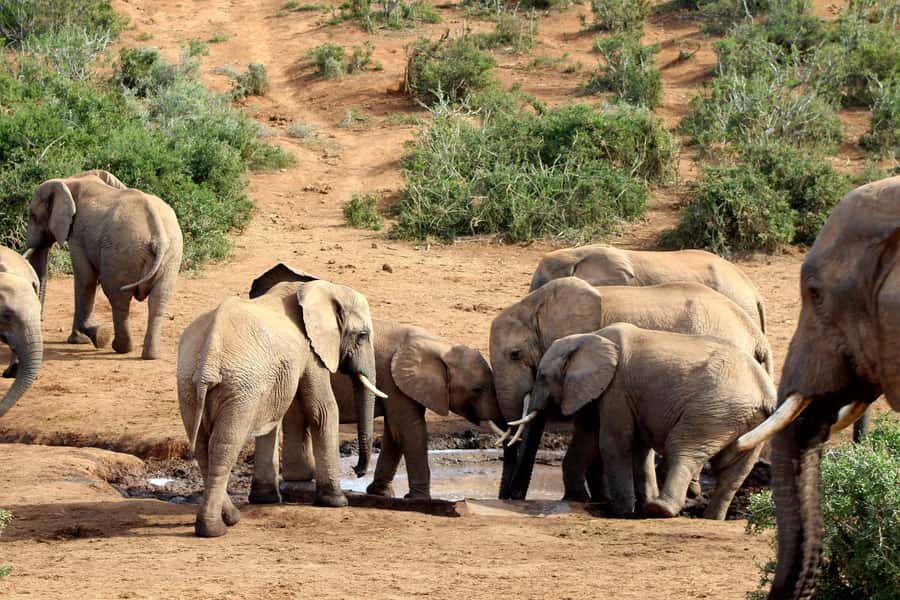
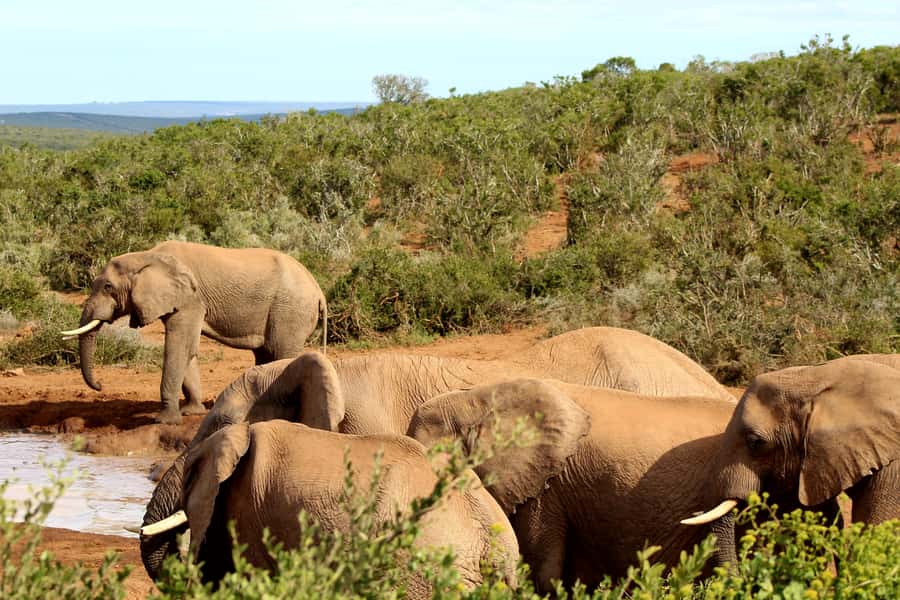
This tour’s big theme is the original elephant area, proclaimed in 1931 when only eleven elephants remained. Today, that conservation effort translates into a park where elephants are one of the most consistent sightings. Even if you’ve seen elephants elsewhere, Addo’s density can change your expectations fast. You spend time learning how they use the landscape, and how their presence shapes everything around them.
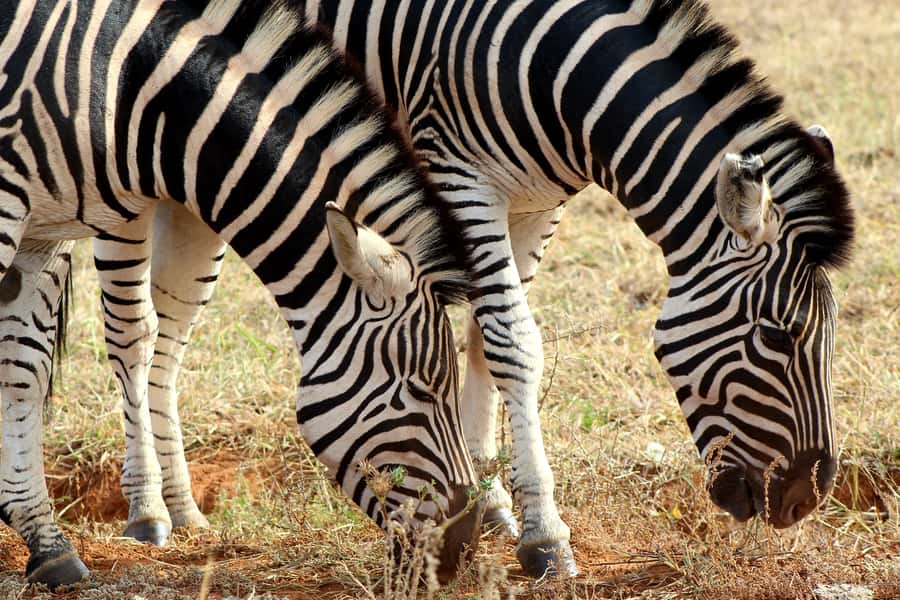
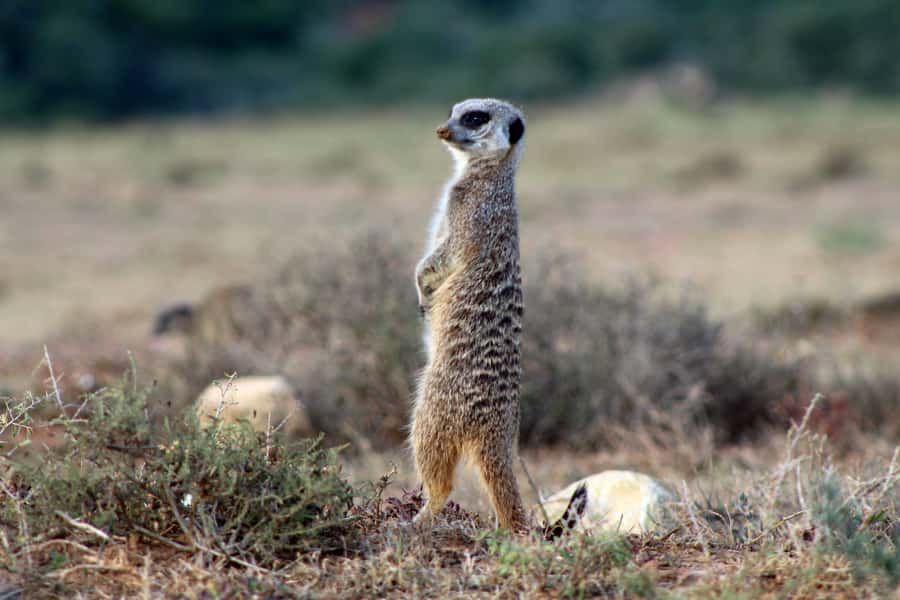
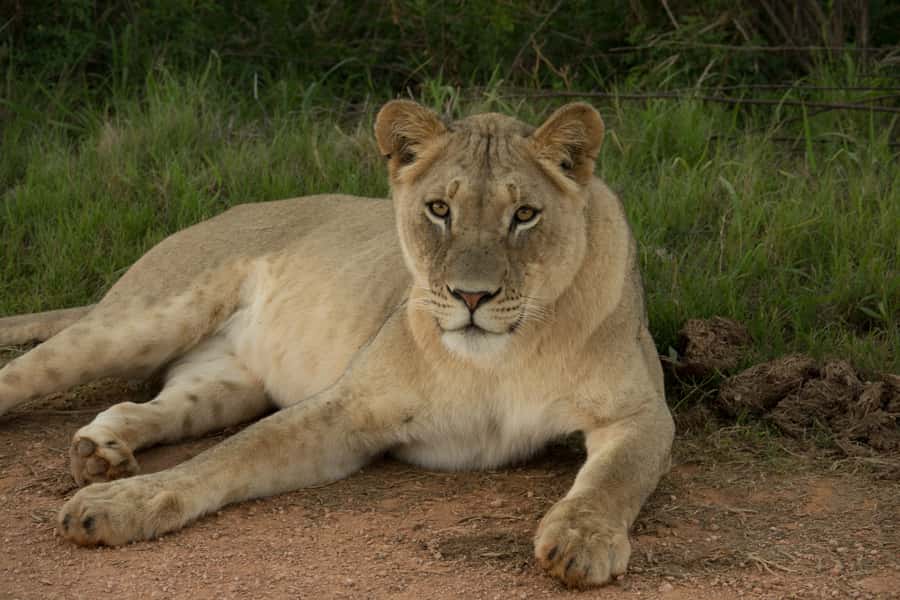
The guide also looks for predators and other wildlife. The tour specifically mentions keeping an eye out for lions, plus different antelopes and zebra species. Other animals you might spot in Addo include black rhino (endangered), along with a range of smaller and medium creatures. In practice, the day often starts with more action—guides tend to spend the morning where animals are most likely to be active.
A practical note: don’t treat the first drive like a warm-up. Many of the best sightings happen early because animals are more likely to be moving or feeding before temperatures and conditions shift. If you care about photos, this is also when you’ll appreciate having a steady rhythm: stop, scan, then pause long enough for everyone to frame the shot.
Viewing with an expert guide: what you’ll notice in the moment
This safari is led by a local expert guide, and the difference shows up quickly. People are consistently enthusiastic about guides like Freddy, John, King Elvis, Sidwell, Wanele, and Amos for a simple reason: they spot things fast, and they explain what you’re seeing while it’s still happening.
That matters. A single sharp explanation can make an elephant sighting more meaningful than a bunch of quick, silent stops. Guides often share facts and context about the park’s history and wildlife, plus little on-the-spot stories that help you understand behavior—why lions might be out of sight, why zebras are where they are, and how the park’s systems fit together.
You’ll also feel how guides manage the group. In small groups, the guide can adjust the order of sighting stops and respond to the driver’s route decisions without leaving you behind. That helps when the best animals are close to the track and you need quick teamwork for a good viewing position.
And yes, weather happens. One safari noted strong winds affected elephant sightings, but the guide still worked through the day to maximize opportunities. Another mentioned rain changing the pattern, and the guide adapting by focusing where animals could still be spotted.
Lunch inside the park (and how to make it work for you)
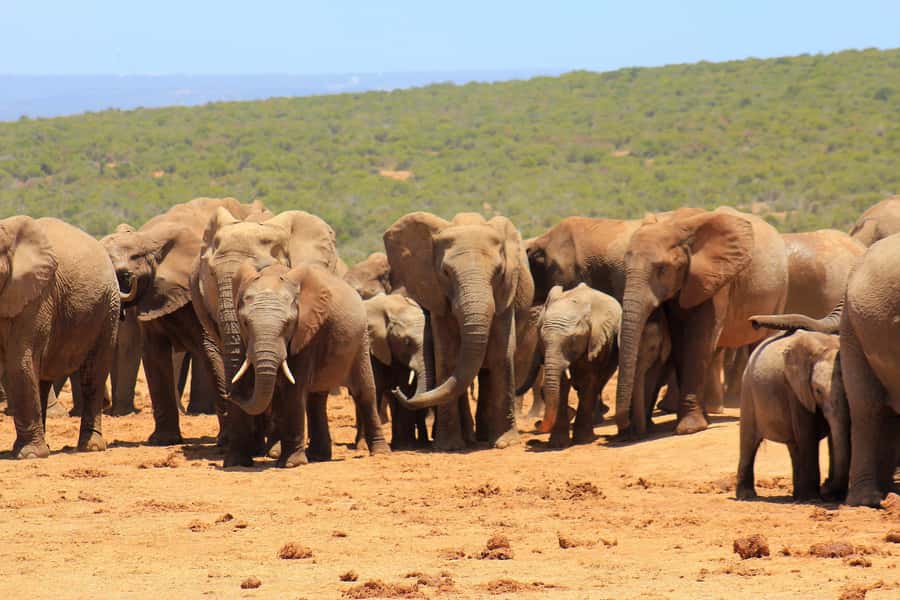
Lunch is scheduled for about 1 hour inside Addo. This break is long enough to eat without feeling rushed, but short enough that you keep the momentum.
What you get includes lunch plus light refreshments. People also mention that lunch is organized well and is a highlight in its own right. Some reports even note beers included with lunch, but since that isn’t listed as a standard item here, treat that as a nice-to-have rather than a promise.
If you’re vegetarian or vegan (or have dietary needs), it’s worth flagging ahead of time. One guide experience specifically noted vegetarian and vegan meals provided when preferences were shared in advance. I’d do the same for peace of mind: send your request early so the team can plan.
Timing-wise, lunch often creates a natural shift. After the meal, sightings can get quieter depending on light, temperature, and animal behavior. That doesn’t mean the safari is fading—it can mean the guide needs time to find the next cluster of activity.
Second game drive: second chances for Big Five moments
After lunch, you head out again for another 3-hour drive. This is your chance to chase the animals you missed—or confirm the ones you saw earlier.
The tour’s highlights include possible sightings of black rhino, predators like lions, plus zebra and antelope species. Many safari days don’t deliver every target, and even experienced guides can’t force an animal to show up on schedule. What they can do is work the timing and routes in a way that gives you the best odds.
A theme that shows up in real safari days is that the second drive can produce different kinds of sightings. Early on, you may see elephants and the obvious megafauna. Later, you might catch predators in smaller windows—like when lions are moving, or when prey animals react to something off to the side.
One detail from guide-style experiences you can count on: when animals are spotted, the guide communicates quickly with the driver and aims for the best viewing position so you get time for pictures. That can be the difference between a blurry glimpse and a story-worthy moment.
The guides are the real value add: Freddy, John, King Elvis, Sidwell, Wanele
For this kind of day, the guide isn’t a background feature. It’s the product. The most praised part across guide names like Freddy, John, King Elvis, Sidwell, and Wanele is consistent: they work hard to spot animals, and they explain what’s going on in a way that makes you feel smarter on the drive.
You can feel their style, too:
- Freddy is repeatedly described as punctual, helpful, and packed with park history plus fun facts.
- John stands out for high energy and for spotting animals quickly enough that you notice more than you expected.
- King Elvis gets credit for positioning the group at the right places at the right time.
- Sidwell is praised for making sure everyone sees what they came for, and for knowledge that extends to birds and smaller wildlife.
- Wanele is highlighted for respectful handling of elephant sightings and steady professionalism.
Even if you don’t get the exact same guide, the common thread is practical: the guide constantly scans, chooses routes based on animal behavior, and keeps the day from turning into a passive sightseeing loop.
Comfort, photo angles, and what your Jeep day actually feels like
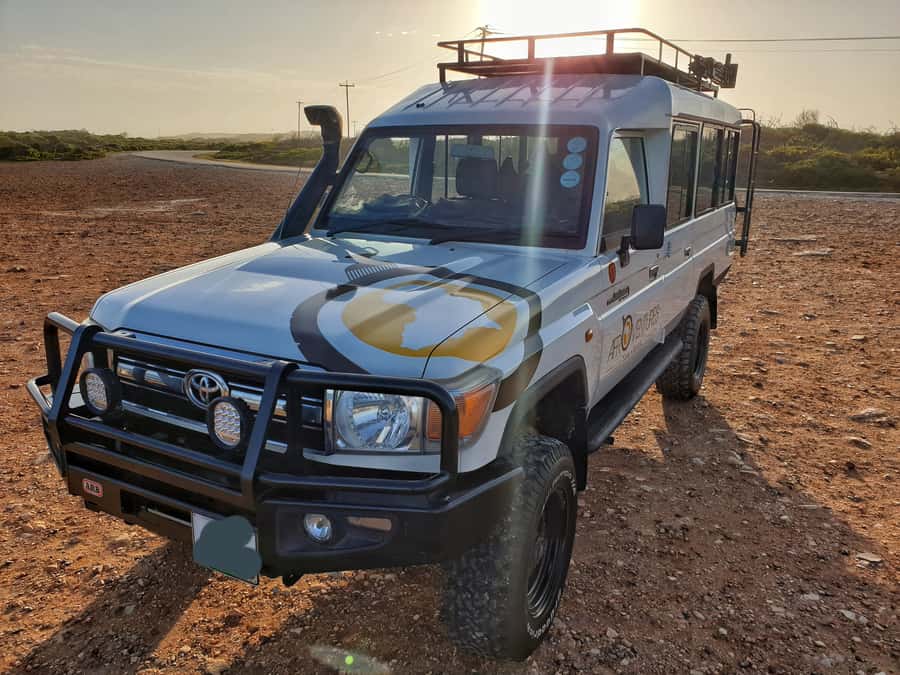
You’ll be in a closed air-conditioned 4×4 Jeep with foldable windows and window seats. That’s a big comfort win in the Eastern Cape, because you’re not stuck in the sun the whole time. It also gives you a stable base for photography.
Photo tip that’s worth taking seriously: when the guide calls a sighting, don’t wait. Get your camera ready during the pause, not after. Window-seat positioning helps, but you still need to be quick when the vehicle stops.
Also, plan your clothing for a long day in an open ecosystem. Even with AC in transit, you’ll still be viewing outdoors from a vehicle. Comfortable shoes matter if there are short walks to viewing spots, and comfortable clothes help you stay functional even if conditions shift.
No drones are allowed. That’s standard in many parks, but it’s explicitly stated here, so leave the drone at home.
Price and value: why $186 can make sense for a full-day Addo safari
At about $186 per person for a 9-hour experience, the value comes from combining four things you’d otherwise juggle separately:
1) Transport: pickup and drop-off plus a dedicated Jeep day.
2) Park entry: covered for you.
3) Guiding: not just driving, but active scanning and explanation.
4) Food: lunch plus light refreshments.
If you tried to do Addo on your own, you’d need to coordinate vehicle logistics, park entry, and your own ability to find wildlife. Addo is known for elephants, but predators and rhino aren’t guaranteed for anyone. That’s where a strong guide helps you spend time where your odds improve.
Is it expensive? Compared with a basic tour, yes. Compared with the effort of building your own safari plan and securing a competent driver/spotter, it can feel like good value—especially when the group stays small and the guide works the day intelligently.
Who this safari is best for
This tour is a strong match if you want:
- A full-day Addo experience without planning the moving parts.
- A small group and a guide who’s focused on spotting and explaining.
- The best shot at meaningful sightings like elephants, black rhino, and predators such as lions.
It’s also a good fit for couples, small families, and first-time safari visitors who want comfort and structure. If you’re the type who gets anxious without a schedule, the clear rhythm of two drives plus lunch will put you at ease.
If you only want a short safari, this is long. But if you’re trying to make your time count in the Eastern Cape, it’s the right length.
Should you book this all-inclusive Addo safari?
If your priority is seeing Addo’s elephants with expert guidance—and you’re okay with the reality that big-animal spotting is part science, part luck—then I think this is a solid booking. The small group size, the two wildlife drives, the focus on the original elephant section, and the expert guide effort (with names like Freddy, John, King Elvis, Sidwell, and Wanele showing up again and again) make the day feel intentional.
I’d only skip it if you need a guaranteed Big Five or you’re the kind of traveler who gets frustrated when weather changes the animal mood. In safari country, you plan for chances, not certainty.
That said, the structure here protects your time. You’re not wasting the day. You’re in Addo, in a Jeep built for viewing, with a guide who knows how to find what’s moving.
FAQ
How long is the Addo Elephant National Park safari?
The duration is 9 hours, including pickup, two game drives, lunch, and the return trip.
Where do pickups happen?
Pickups are available from Colchester, Port Elizabeth, Addo, and Bluewater Bay, and also at the Matyholweni Entrance (South Gate) of Addo Elephant National Park. Pickup from two specific lodges is not possible, but a meeting point can be arranged.
What size is the group?
The group is small, limited to 10 participants.
What vehicle do you use?
You travel in an air-conditioned 4×4 Jeep with each passenger having a window seat. The tour notes that it is closed, while still allowing viewing.
What’s included in the price?
Included are pickup and drop-off, transportation by air-conditioned 4×4 Jeep, national park entry fees, a guided safari, light refreshments, and lunch.
What should I bring?
Bring your passport or ID card, comfortable shoes, and comfortable clothes.
Are drones allowed?
No, drones are not allowed on this activity.