REVIEW · ABISKO
Abisko National Park: Scenic Morning Hike with Transfer
Book on GetYourGuide →Operated by Lights Over Lapland · Bookable on GetYourGuide
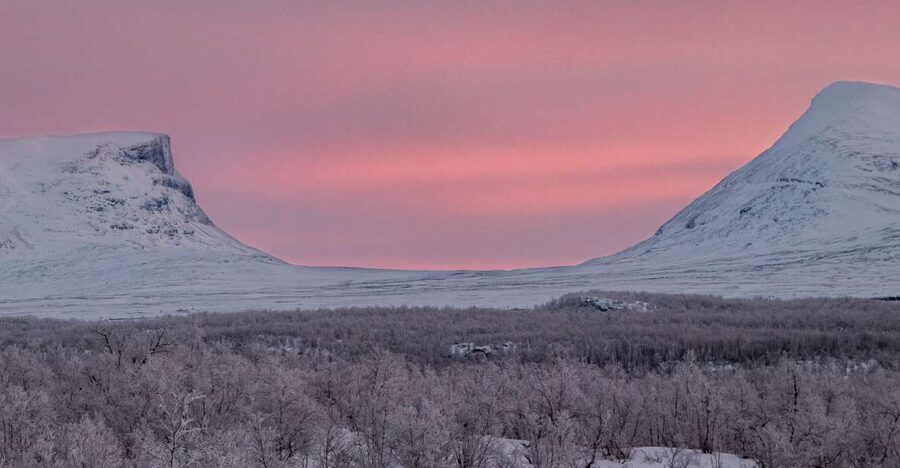
Snowy tracks lead the way in Abisko. This early-morning hike is a smart way to see the Arctic wilderness without spending hours figuring out trails. I like how the walk is short and focused, yet still gives you real context about what you’re standing on.
Two things I really like: you get hotel pickup and drop-off, so you start relaxed, and the guide turns a simple stroll into a guided lesson with stops for scenery, photos, and wildlife signs. One drawback to consider is that this is intentionally a short guided hike (about 3–4 km), so if you’re craving a big workout or lots of wilderness time, you may find it a bit brief.
In This Review
- Key highlights at a glance
- Why Abisko’s river route is such a good idea
- The 2-hour format: short, steady, and photo-friendly
- How hotel pickup works in practice (and why it’s worth it)
- What the guide actually does with the hike
- Wildlife spotting: enjoy the chance, not the pressure
- The trail stops you can look forward to
- What to wear so the hike feels manageable
- Price and value: $88 for a guided Arctic morning
- Who should book this (and who should skip it)
- Should you book this Abisko morning hike?
- FAQ
- How long is the hike?
- How far will I walk?
- Is hotel pickup included?
- Where can I get picked up?
- What time does pickup start?
- Are meals included?
- What language is the guide?
- What’s the group size?
- Is wildlife guaranteed?
- What should I bring and wear?
Key highlights at a glance
- Hotel transfer + timed pickups across several Abisko accommodations
- Small group (up to 10) for easier pacing and questions
- Guided 3–4 km hike through classic Abisko areas like the river canyon and birch forest
- Wildlife tracks and Arctic know-how, including local Sami perspectives
- Wildlife sightings are possible, but not guaranteed (still worth it for the scenery)
Why Abisko’s river route is such a good idea
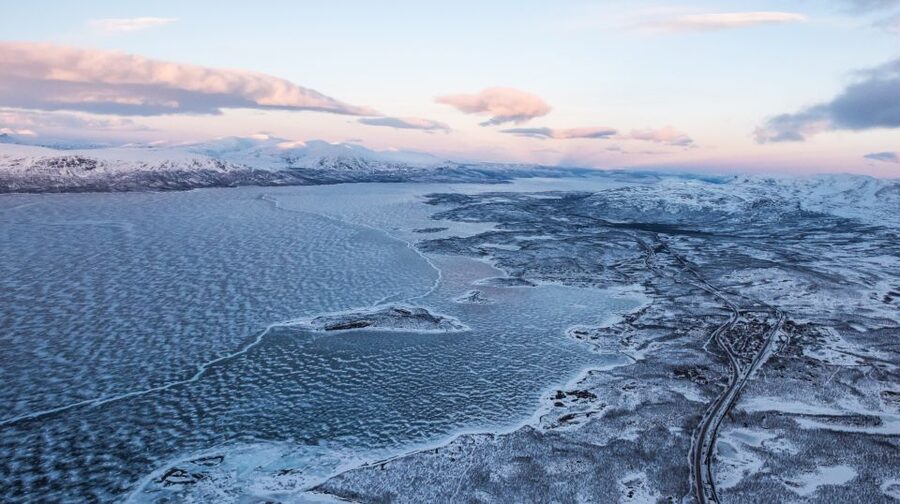
If you’re new to Abisko, the payoff comes early: this hike runs along some of the most scenic local scenery, including the Abisko river canyon and viewpoints toward the river delta. That matters because the area changes fast with elevation and light—one minute you’re in dense forest, the next you’re looking out toward wide open water and distant peaks.
I also like that the route isn’t just about photos. The guide helps you connect what you see—tracks in snow, the shape of the terrain, the plants you’re walking past—to how life actually works in the Arctic.
The 2-hour format: short, steady, and photo-friendly
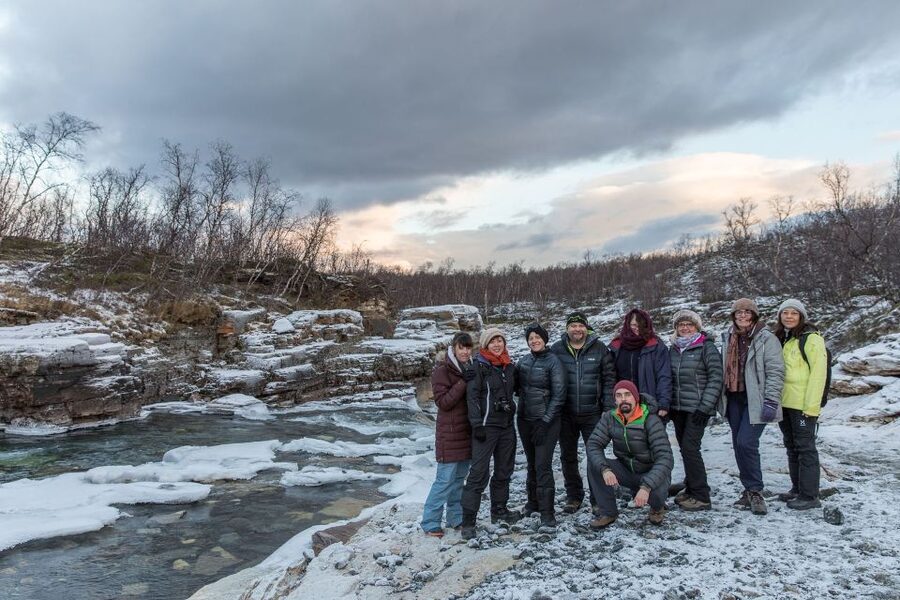
This outing is built to fit a morning. You’re out for about 2 hours, and the walk itself is described as a short guided trek (around 3–4 km). That’s an ideal length when the temperature is brutal, you want daylight for pictures, or you don’t want to commit your entire schedule to one activity.
Pacing is a theme in the feedback I see from guides. People often describe the experience as calm and well managed, with frequent stops to look closely and catch the best viewpoints. In winter conditions, footing can get tricky with deep snow, so that steady pace is not just nice—it helps keep everyone safe and comfortable.
How hotel pickup works in practice (and why it’s worth it)
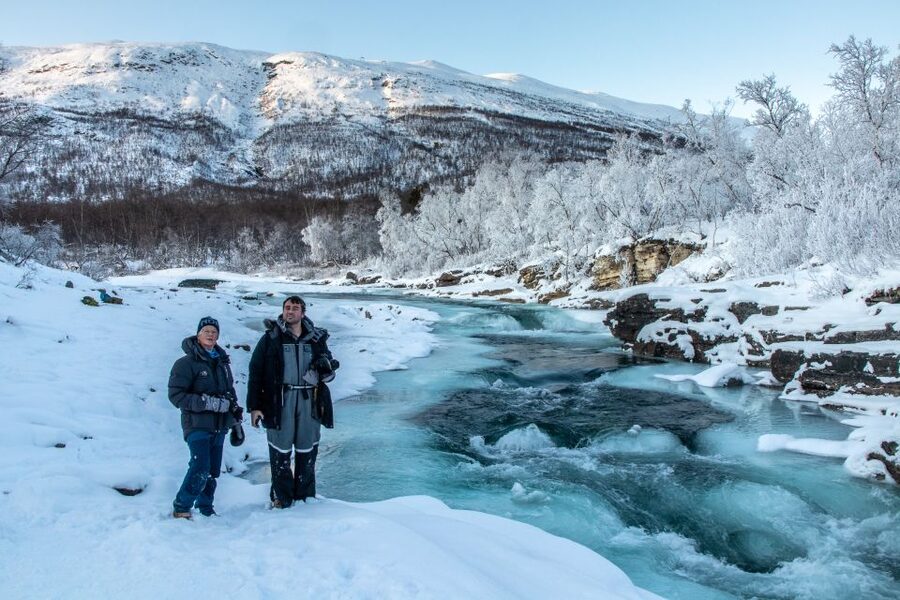
The biggest “stress reducer” here is that you’re not left to hunt down the right starting point in an Arctic town. Pickup is offered at multiple locations, including Hotell Fjället, Abisko Guesthouse, Abisko Mountain Lodge, STF Abisko Turiststation, and Abisko Fjällturer AB (Abisko.net). There’s also a clear note that there’s no pickup from Kiruna, so you’ll need to already be based in Abisko.
Starting times vary a bit by where you’re staying—for example, Hotell Fjället is listed at 9:00 AM, while some other pickup points run in the 9:15–9:30 AM window, and STF Abisko Turiststation is listed at 9:30 AM. If you’re trying to fit this between bus connections or other tours, plan your buffer time. Cold mornings move slower than you expect.
What the guide actually does with the hike
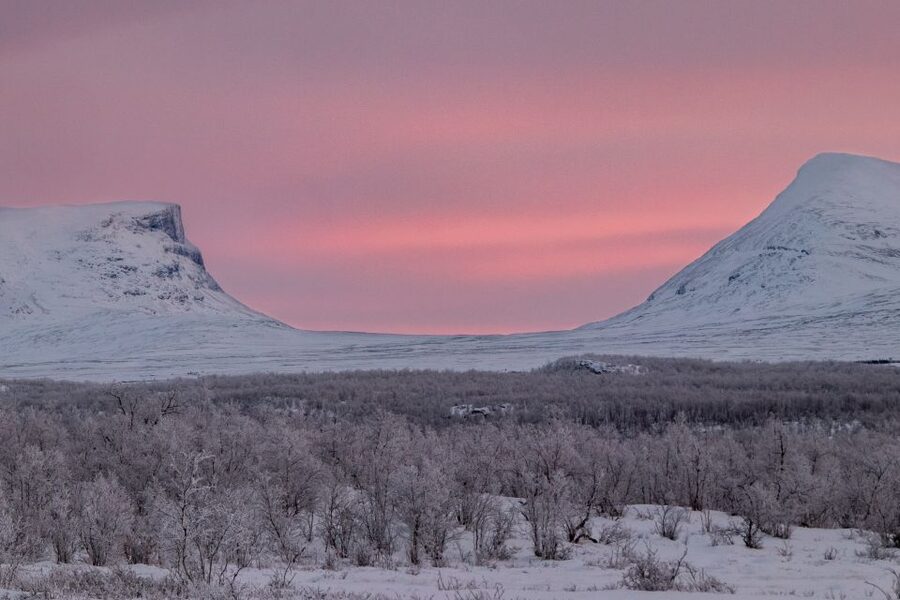
The guide role is the real product. Yes, you’ll walk through stunning scenery—ancient mountain birch forest, open views near the Abisko river delta, and big frames of Lake Torneträsk and surrounding peaks. But the guide keeps pointing out what most people miss when they hike alone: tracks left behind by local wildlife and clues about how animals move through snow.
What you’ll learn is a mix of practical and cultural. Guides share information about local plants and animal life, and they also talk about the indigenous people of the region (Sami) and what life in the Arctic looks like. In the feedback I’m drawing from, guides like Cecilia, Felix, and Sara are repeatedly praised for keeping the group engaged—slowing down at key spots, explaining what you’re seeing, and making the whole walk feel like a conversation rather than a lecture.
Wildlife spotting: enjoy the chance, not the pressure
You might see animals, but the tour doesn’t promise it. The information you’re given is clear: reindeer, mountain hare, foxes, birds, and moose are all possible. Moose are the big name here, and multiple guides have been credited with spotting moose at a distance or helping the group interpret what they’re seeing.
Here’s how to make this work for you: treat sightings like bonus points. Your best strategy is to watch quietly when the guide signals it—often the most interesting animal encounters happen when you’re still long enough for the environment to reveal what’s around you. And even without wildlife, learning to read animal tracks turns the snow into a storybook.
The trail stops you can look forward to
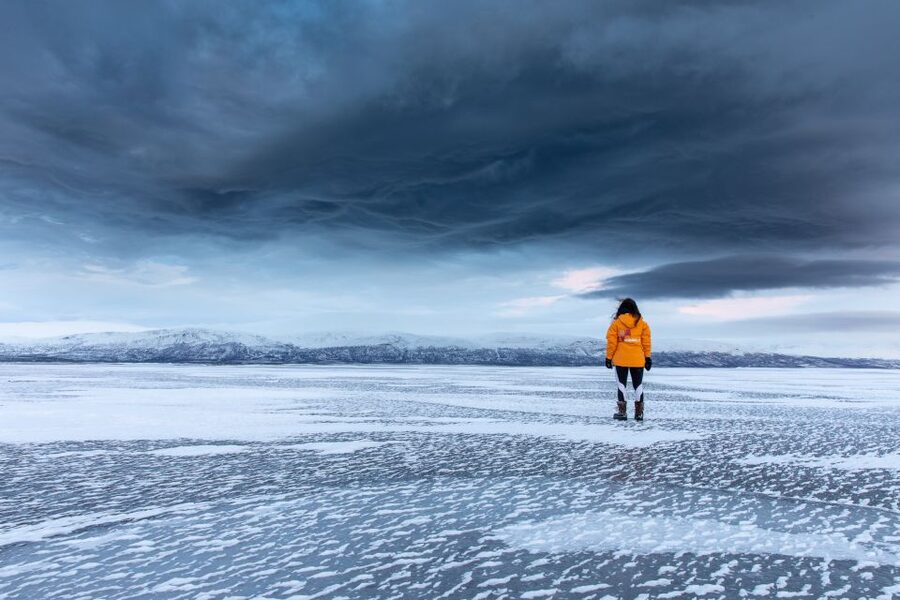
This is a guided “hits and views” route rather than a long exploration. A typical flow includes:
- a photo stop and guided walk through park areas,
- time along the route toward the river canyon and delta viewpoints,
- scenic pauses where you can take in wider views of Lake Torneträsk and the peaks around it.
In winter, those pauses matter even more. Several accounts emphasize how worth it the stillness is—standing still long enough for light changes, or for the guide to point out tiny details in the snowpack. If you love photography, bring a camera and expect the guide to help you find good angles without rushing you.
What to wear so the hike feels manageable
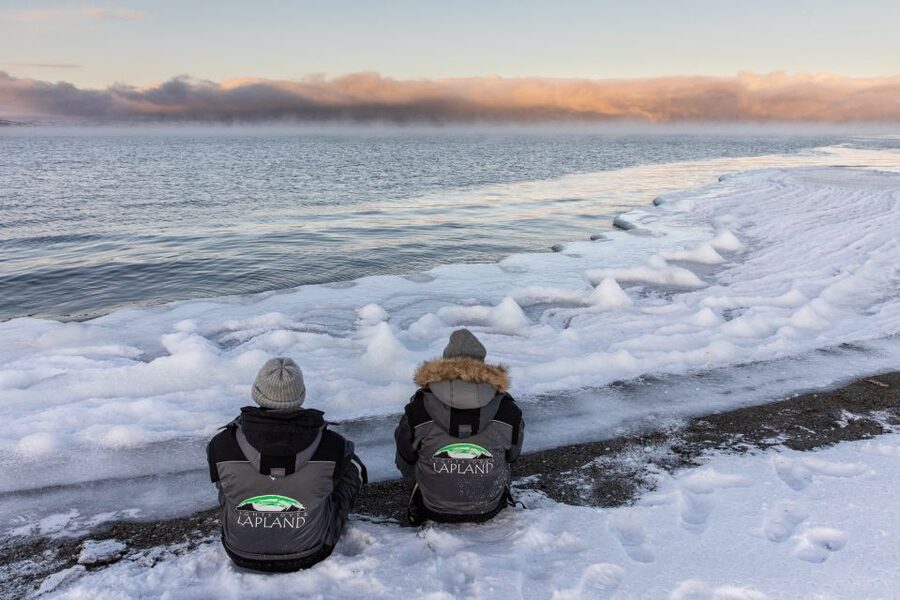
This is a short hike, but it’s still Arctic outdoors. Come prepared for cold and wind, and focus on traction and warmth. The essentials listed are:
- comfortable shoes (and warm footwear),
- warm clothing layered for Arctic weather,
- comfortable clothes you can move in,
- warm shoes again (because in this region, your feet are the first thing that gets unhappy).
If conditions include deep snow, balance can be a little awkward. That’s normal. The guides are described as supportive with footing and patient with different walking speeds, which is exactly what you want when the trail is more “snowy surfaces” than clean paths.
Price and value: $88 for a guided Arctic morning
At $88 per person, this isn’t a bargain-bin activity. But it often prices like this because you’re paying for three things together: a professional guide, a small-group setting (up to 10), and hotel pickup/drop-off.
If you’re staying in Abisko and you’re the type who likes learning while you look, the value makes sense. You’re not just buying a walk—you’re buying interpretation: wildlife tracks, flora and fauna context, and the human side of the Arctic through Sami stories. That’s also why many people describe the hike as more than just scenery.
A fair caution from the feedback: the hike is short and can be easy compared to longer hikes. Some people note that if you’re comfortable walking and already know where to go, you might replicate portions on your own. The “why pay” answer is simple: the guide helps you notice and understand what you’re seeing—and in winter, that also means better pacing and safer decision-making.
Who should book this (and who should skip it)
This hike fits best if you want:
- an easy-to-commit morning activity,
- a short guided introduction to Abisko National Park,
- wildlife signs and natural history explained as you go,
- a tour with English-speaking guidance.
It’s not suitable for children under 7, and it isn’t for people with mobility impairments. If that applies to you, it’s worth looking at other options with different terrain or support.
Also, if you’re traveling on a packed itinerary and you want your money to go toward a “see and learn” experience (not a long trek), this is a strong candidate.
Should you book this Abisko morning hike?
Book it if you want a guided, photo-friendly Arctic experience that helps you interpret the place in a couple hours. The combination of hotel pickup, small group size, and an expert guide focused on tracks, plants, and local Arctic life is exactly what turns a walk into something memorable.
Skip it if you’re after a long hike, big physical challenge, or you need an accessible route for mobility needs. Also skip if you’re happy walking in cold weather without interpretation—because part of the value is that someone helps you see what’s happening around you.
If you’re in Abisko with limited time, this is the kind of tour that helps you get your bearings fast—and makes your other hikes easier afterward.
FAQ
How long is the hike?
The experience is listed as 2 hours.
How far will I walk?
The guided hike is described as a 3–4 km trek.
Is hotel pickup included?
Yes. Hotel pickup and drop-off are included.
Where can I get picked up?
Pickup is offered at five locations: Abisko Fjällturer AB, Hotell Fjället, Abisko Mountain Lodge, Abisko Guesthouse, and STF Abisko Turiststation.
What time does pickup start?
Pickup times depend on your location. For example, Hotell Fjället is listed at 9:00 AM, while other pickup points are 9:15–9:30 AM, with STF Abisko Turiststation at 9:30 AM. There’s also no pickup from Kiruna.
Are meals included?
No. Food and drinks are not included.
What language is the guide?
The tour guide speaks English.
What’s the group size?
The group is small, limited to 10 participants.
Is wildlife guaranteed?
No. Wildlife spotting is possible but not guaranteed. The chance includes animals like reindeer, mountain hare, foxes, birds, and moose.
What should I bring and wear?
Bring comfortable shoes, warm clothing, and warm shoes. A camera is also a good idea since you’ll have scenic stops.