REVIEW · JIM CORBETT NATIONAL PARK
2N Jim Corbett National Park (Dhikala Zone)
Book on Viator →Operated by Nature Explorers India · Bookable on Viator
In This Review
- Dhikala turns a safari into a full-on search.
- Key highlights you’ll care about
- Dhikala Core Zone: the tiger hunt starts where it counts
- The open-gypsy format: why it’s worth your back for better sightings
- Your 3-day rhythm: mornings, mid-days, and one more chance
- Day 1: arrive, settle, then your first Dhikala safari
- Day 2: early search, then one more push after lunch
- Day 3: morning goodbye and onward transfer
- What’s included (and what isn’t) for real value
- What you get
- What you should budget separately
- Wildlife beyond the tiger: who else you might see
- Your guide and driver can change everything
- Dhikala Forest Rest House: the comfort reality check
- Tips to maximize sightings and keep the day easy
- Is this a good fit for you?
- Should you book this Dhikala safari?
- FAQ
- How many safaris are included in the Dhikala core zone?
- Where does the tour start?
- What type of accommodation is provided?
- Are vegetarian meals available?
- What wildlife can I realistically expect to see?
- Do I need a passport and visa?
- Is the tour private or shared with strangers?
- What transport will I use inside the park area?
- Is the tour ticket digital?
- Are meals and water included?
Dhikala turns a safari into a full-on search.
If you’re chasing the Royal Bengal tiger, this Dhikala Core Zone plan is one of the most direct ways to do it in Corbett. What I like most is that the safari time is built around wildlife activity, with multiple departures and a trained guide helping you know where to look.
Second, I like the mix of open gypsy/jeep rides plus real time inside the forest, not just a quick drive-by. One drawback to consider: tiger sightings are never guaranteed, and you’ll spend long hours in the open vehicle—so it pays to pack for early mornings and cooler weather.
Key highlights you’ll care about
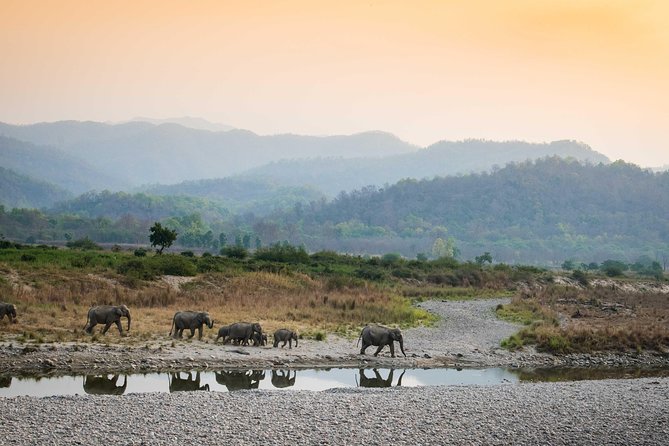
- Four Dhikala core-zone safaris booked around prime chances for wildlife
- Trained naturalist/park guidance that helps you interpret what you’re seeing
- Early morning and afternoon timing so you’re not stuck only in one kind of light
- Dhikala Forest Rest House stay inside the action in a non-AC room
- Exclusive feel since it’s private for your group
- Real wildlife variety beyond tigers, including birds, otters, elephants, and deer
You can also read our reviews of more tours and experiences in Jim Corbett National Park.
Dhikala Core Zone: the tiger hunt starts where it counts
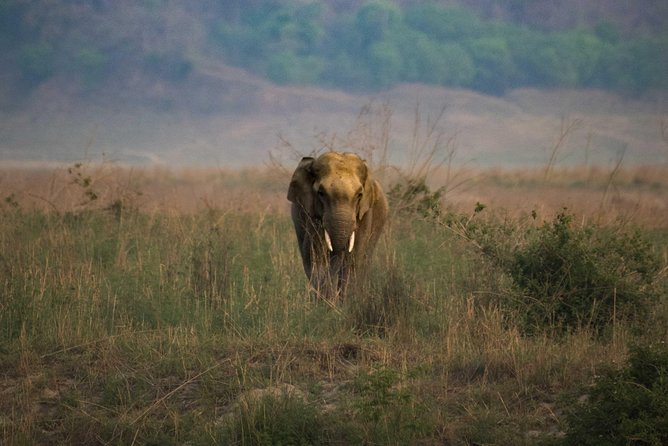
Corbett’s big idea is simple: wildlife doesn’t show up on a schedule, but you can improve your odds by going where the habitat is active and where the park system concentrates safaris. In this tour, the focus is the Dhikala core zone, which means your jeep/gypsy rides are designed to put you deeper into the park routine rather than bouncing in from the edges.
I also like that the tour builds the day around the animal rhythm. Tigers, deer, and smaller mammals shift their movement patterns with light, temperature, and cover—so having more than one safari window matters. If you’ve ever done a one-safari park day, you know how easy it is to feel like you saw everything and also saw nothing at all. Here, you get more shots at those short moments when something moves.
One more thing: the core-zone experience tends to feel more “real” than a fast stop. Staying at Dhikala Forest Rest House puts you close to the morning departures and the evening reset. It’s not a resort vacation. It’s a forest stay with safari energy.
The open-gypsy format: why it’s worth your back for better sightings
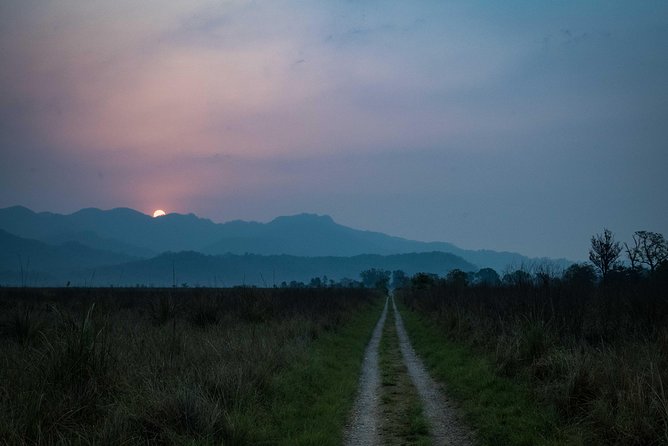
The vehicle matters in safaris. An open gypsy/jeep gives you better visibility and the feeling that you’re actually part of the drive, not trapped behind glass. You’ll also hear more: birds calling, monkeys shifting, and the subtle changes in the forest soundscape that sometimes happen just before something appears.
There’s a practical trade-off. You’ll want to dress for wind and cool air during early rides, especially when you’re out before the sun is fully warm. Even when it’s mild, speed and movement through forest trails can make it feel chilly. Bring layers, and keep your phone/camera secured so nothing bounces out during turns.
If you’re sensitive to dust, plan for it. Some rides can bring dry forest grit along the path. A simple mask or cloth can make the experience easier, and it’s also helpful for keeping lens areas clean if you’re shooting photos.
Your 3-day rhythm: mornings, mid-days, and one more chance
This safari is organized as a tight, three-day circuit built around getting you into the forest several times. The goal is not just more driving—it’s better timing.
Day 1: arrive, settle, then your first Dhikala safari
You’re picked up from Ramnagar in the morning. Breakfast is listed as on your own, and then you head toward Dhikala Forest Rest House, aiming to reach by lunch time. After you freshen up and rest, you gear up for your first safari ride.
That first outing matters. On day one, you’re building your eye for the forest. Even if you don’t see a tiger immediately, you learn how the guide interprets signs—fresh tracks, movement patterns, and where animals tend to hold when they feel safe. In the evening, you return to the resort for tea, a discussion about the safari, dinner, and then a proper rest before the next early departure.
What to watch for: early evening can bring interesting activity from birds and smaller mammals, and it can also help you map the forest layout in your head.
Day 2: early search, then one more push after lunch
Day two is where you really lean into the tiger-hunt approach. You leave for the second jungle safari early morning, when the forest air is cooler and animals often move more. You come back for breakfast, rest, and then—after lunch—you head out again for a third safari.
The day’s structure is smart: you’re not guessing that one morning is the whole story. Wildlife shifts between morning and afternoon, and the tour gives you that contrast. In the evening you’ll have dinner and then a post-dinner experience sharing session. Then it’s lights out—because you need energy for another morning.
One detail I love from the way the experience is described: the guide isn’t just driving. You get help on where to look, and the process of learning what the guide is spotting adds to the excitement.
Day 3: morning goodbye and onward transfer
On day three, you pack up after breakfast and check out. The day ends with a transfer onward (the plan mentions leaving for Nagpur station) and the activity concludes back at the meeting point. Either way, the focus is simple: you’ll finish with morning safari energy and then head to your next connection.
Reality check: by day three, you’ll likely feel like you’ve been living on a schedule set by the park system—fast mornings, downtime between rides, and a night that feels quieter because you’re mentally processing everything you saw.
What’s included (and what isn’t) for real value
This is priced at $600 per person for a roughly three-day experience, and the value comes from what’s actually packaged.
What you get
- 4 exclusive Dhikala core-zone safaris on an open gypsy/jeep
- Dhikala Forest Rest House stay for 2 nights in a non-AC room
- Local guide + driver/guide charges, plus national park fees
- Transport in open gypsy from Ramnagar to Ramnagar
- All taxes, fees, and handling charges
- Mobile ticket
- Several meals during the 3 days (specific meal count isn’t listed, but food is part of the package)
What you should budget separately
- Any breakfast during travel and meals during the train/flight/road journey
- Meals/water bottles during the tour aren’t listed as included in the fine print, so plan on having your own water and snacks available unless your day includes meals in the schedule you’re given
- Anything personal like laundry and other personal orders
- Lens/camera charges if any (not specified, so treat it as not included)
- Tips are not listed, so you’ll decide based on how things go
For me, the “value” is the combination: core-zone safaris + guide support + included park fees + an actual forest-stay location. You’re not trying to piece together permits and vehicle logistics yourself.
Wildlife beyond the tiger: who else you might see
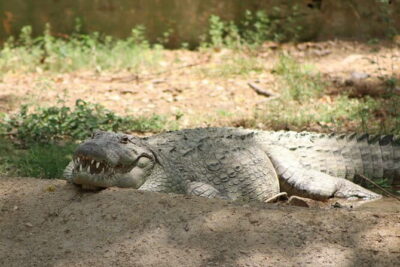
Tigers get all the attention, but Corbett’s strength is that the ecosystem supports a lot of life at once. The tour is described with a wildlife list that includes:
- hog deer
- jackals
- Eurasian otters
- deer
- leopards
- elephants
- over 400 species of birds
That bird figure is a big deal if you’re the kind of person who gets excited by calls as much as sightings. Even when a tiger stays out of view, a guide who’s watching for movement patterns can keep your attention sharp on the full food web.
Also, one of the strongest themes from the experience is simply “lots of wonderful sightings.” People highlight multiple animal encounters across safaris, including big cats. If that’s your goal—maximize the chances of seeing something memorable—this tour’s multiple departures help.
Your guide and driver can change everything
Safaris aren’t just about where you go. They’re about how you go there and how quickly someone can read what’s happening in front of you.
In the experiences shared, names like Rakesh (guide) and Ansar (driver) show up as part of what made drives feel smooth and “spot on.” I treat that as a signal: pick a tour that puts real effort into the match between guide skill and park knowledge.
Here’s what you should expect from strong guide support, based on what’s described:
- you’ll get direction on where to look during the safari
- you’ll have a safari recap/discussion time in the evening
- there’s an experience sharing session, which usually means your guide helps you understand what you saw instead of leaving you to guess
That transforms the day from a random drive to a learning loop.
Dhikala Forest Rest House: the comfort reality check
You’re staying at Dhikala Forest Rest House in a non-AC room for 2 nights. That’s the right expectation: this is an inside-the-park stay, not a luxury hotel setup.
In at least one detailed note from the experience, people mention that the rest house has a washroom and canteen, with options like tea and simple meals (for example sandwich bread, omelette, and maggi). You’ll also want to carry ID for verification at the gate if you’re asked for it during the day.
My practical take: plan to pack light, but don’t skip layers. Even when days feel warm, the forest mornings can stay cooler, and you’ll be sitting in open vehicles.
Tips to maximize sightings and keep the day easy
Here’s what you can do to make this safari run smoother for you.
- Pack for cold mornings and dust: bring a light jacket or layer, plus something to protect from dust if you’re sensitive.
- Bring your own water and quick snacks: the package mentions meals, but water bottles aren’t clearly spelled out in the included list, and safari days can stretch.
- Use the guide’s cues: when your guide says where to look, stop fighting the instinct to stare everywhere. Pick the zone they’re working.
- Stay flexible about tiger sightings: the tour itself is built around increasing odds, not guaranteeing a tiger on demand.
- Keep essentials secure on the open vehicle: phones, cameras, and small bags bounce around more than you think.
If you follow those simple rules, you’ll enjoy the rides more even when the animals decide to stay out of view.
Is this a good fit for you?
This safari is best for you if:
- you’re serious about seeing tigers and want a core-zone plan
- you like wildlife guides who help you learn what you’re seeing
- you can handle long hours and open-vehicle comfort needs
- you want an experience that feels organized and focused, not improvised
It might not be the best match if:
- you need constant comfort and climate control
- you dislike early starts
- you’re expecting a guaranteed tiger sighting
Still, with multiple core-zone departures, you’re not going in with a single coin flip. You’re building a case for success with repeated chances.
Should you book this Dhikala safari?
If your dream includes tiger country, I’d seriously consider booking. The big reason is straightforward: the tour concentrates on Dhikala core-zone safaris and gives you multiple rides across the day rhythm, plus the forest stay at Dhikala Forest Rest House.
Just go in with the right mindset. It’s a wildlife experience, not a theme park show. When you accept that and lean into guide cues, the payoff is often a mix of tiger anticipation and surprising other wildlife encounters—especially birds and mammals that show themselves when you’re out in the right time windows.
FAQ
How many safaris are included in the Dhikala core zone?
The package includes 4 exclusive Dhikala core zone safaris on an open gypsy/jeep.
Where does the tour start?
Pickup is from Ramnagar, Uttarakhand (244715), India.
What type of accommodation is provided?
You stay for 2 nights at Dhikala Forest Rest House in a non-AC room.
Are vegetarian meals available?
A vegetarian option is available. Let the operator know when booking if you need it.
What wildlife can I realistically expect to see?
The tour description lists possible sightings of Royal Bengal tiger, plus hog deer, jackals, Eurasian otters, deer, leopards, elephants, and over 400 species of birds.
Do I need a passport and visa?
Yes. You need a current valid passport and a tourist visa on the day of travel, and passport details are required to apply for forest permissions.
Is the tour private or shared with strangers?
It’s exclusive. Only your group participates.
What transport will I use inside the park area?
Safaris are done in an open gypsy/jeep, and there is transport in open gypsy from Ramnagar to Ramnagar as part of the tour.
Is the tour ticket digital?
Yes. You get a mobile ticket.
Are meals and water included?
The tour summary says several meals are included during the 3 days, but meals and water bottles during the tour are listed as not included. Meals during train/flight/road journey legs are also not included.